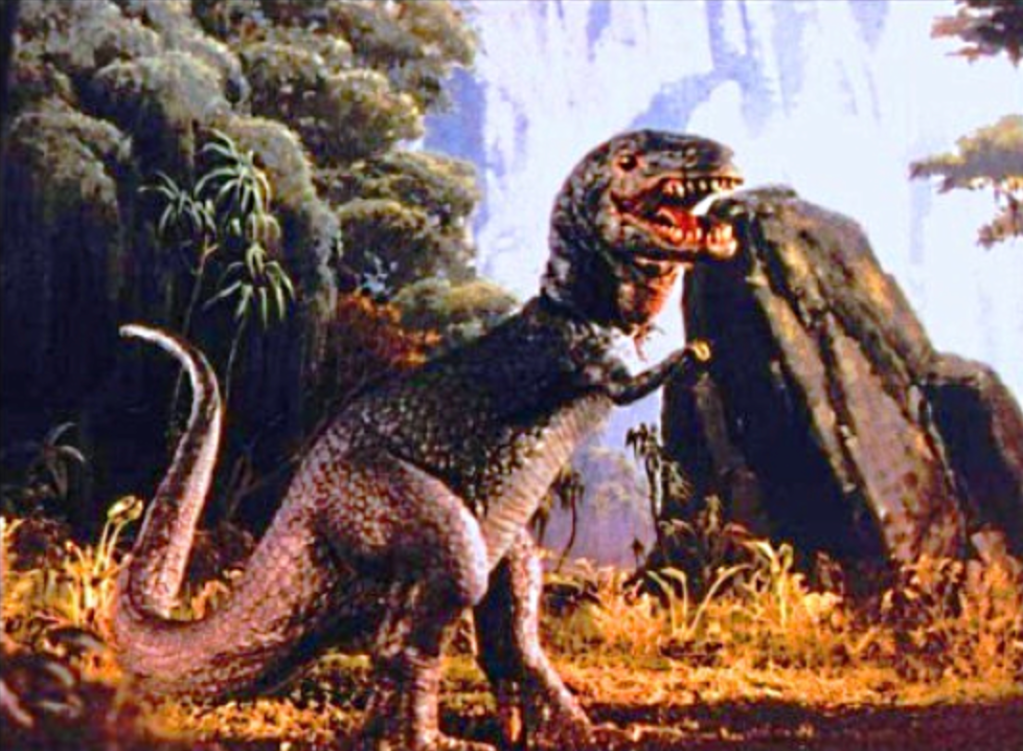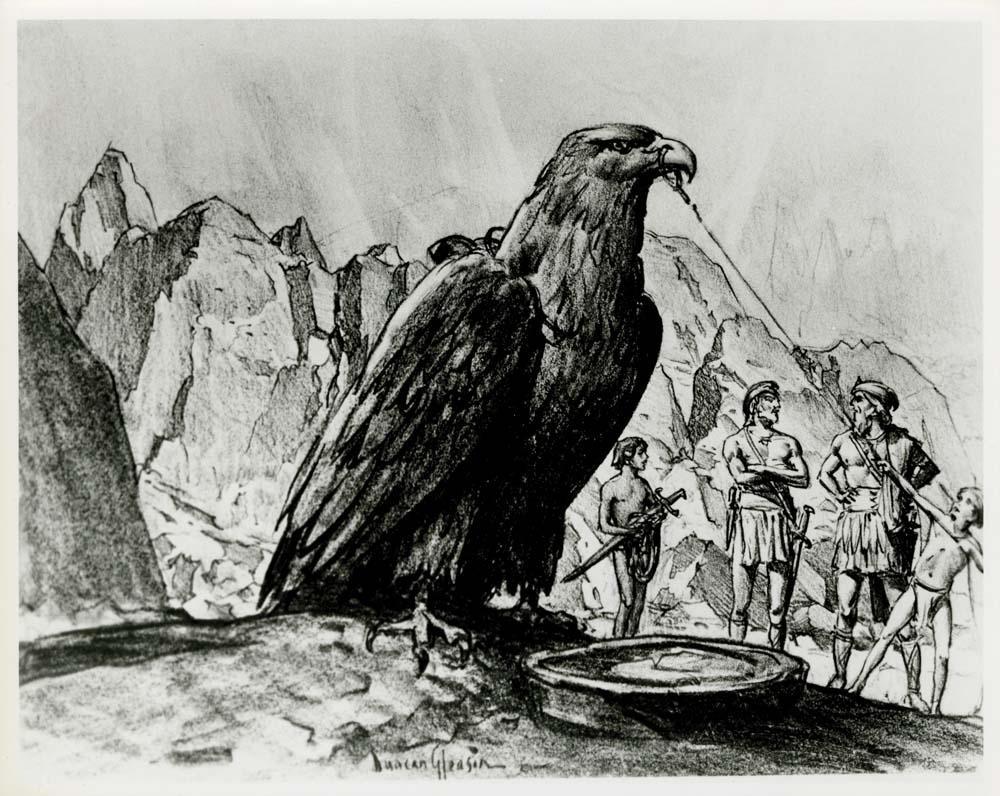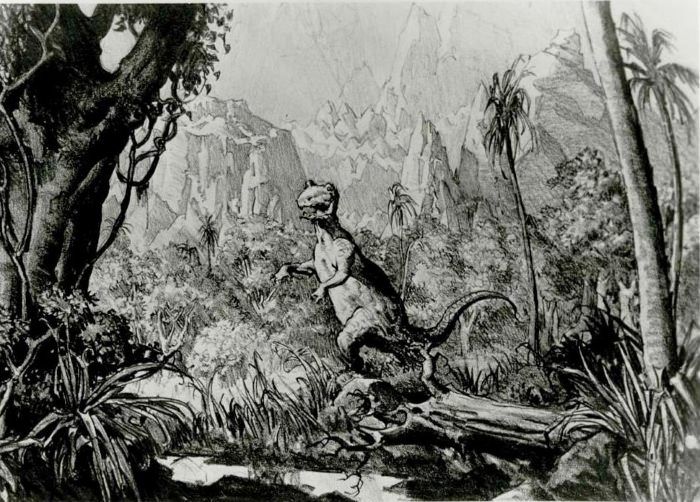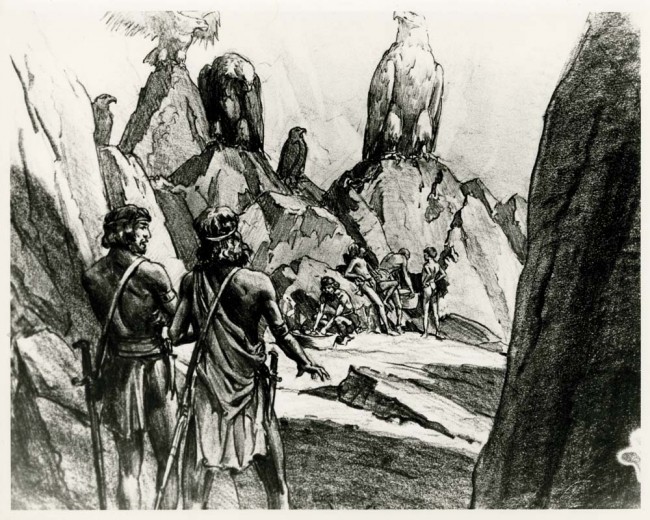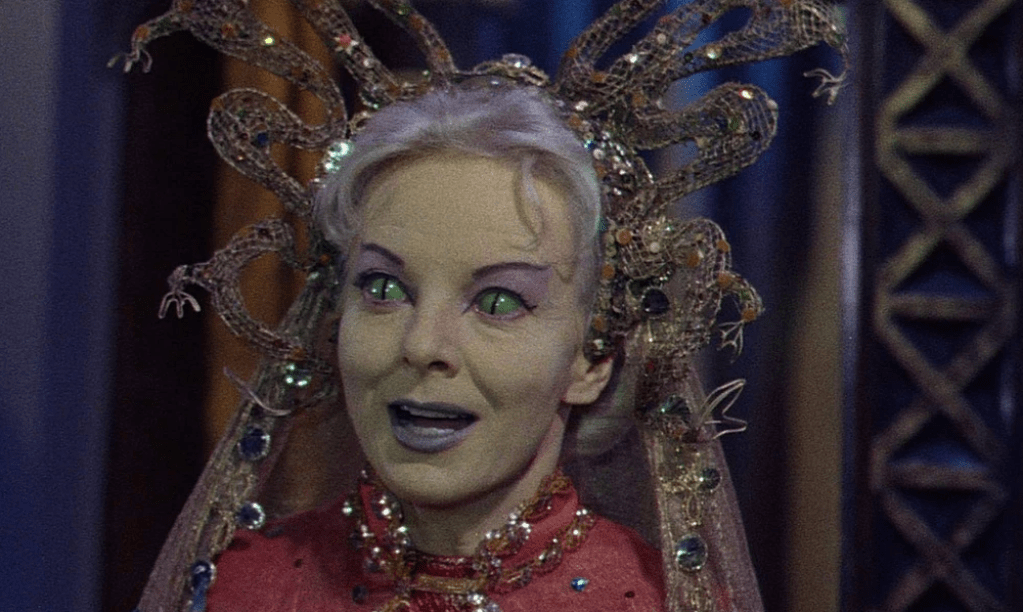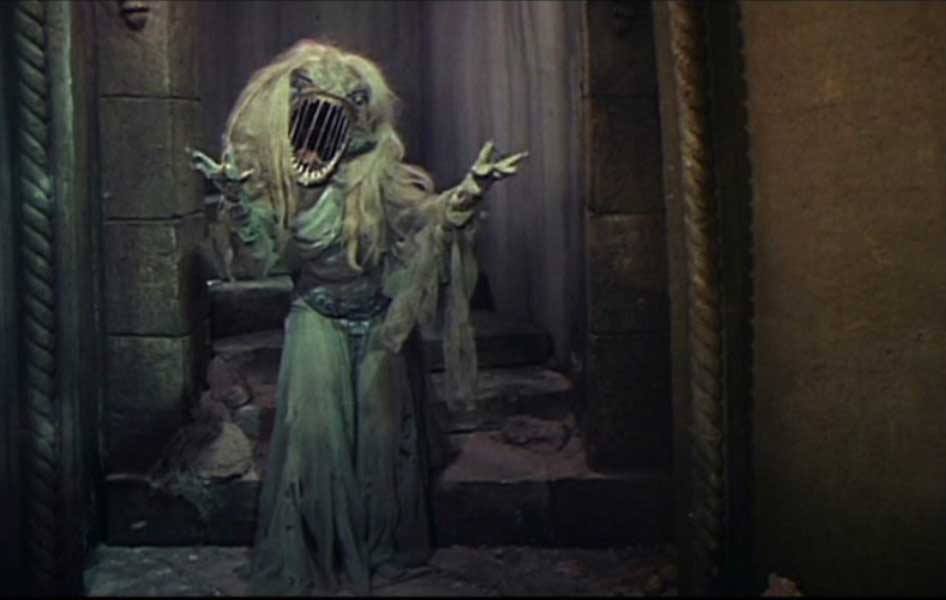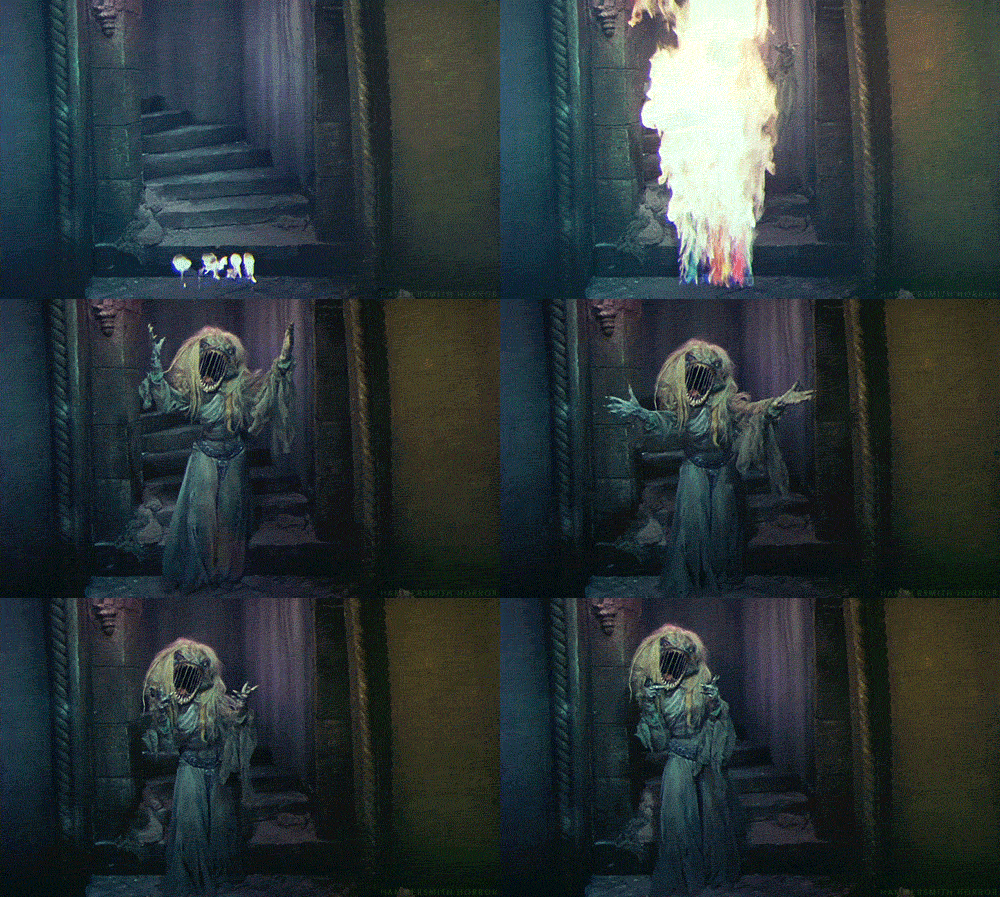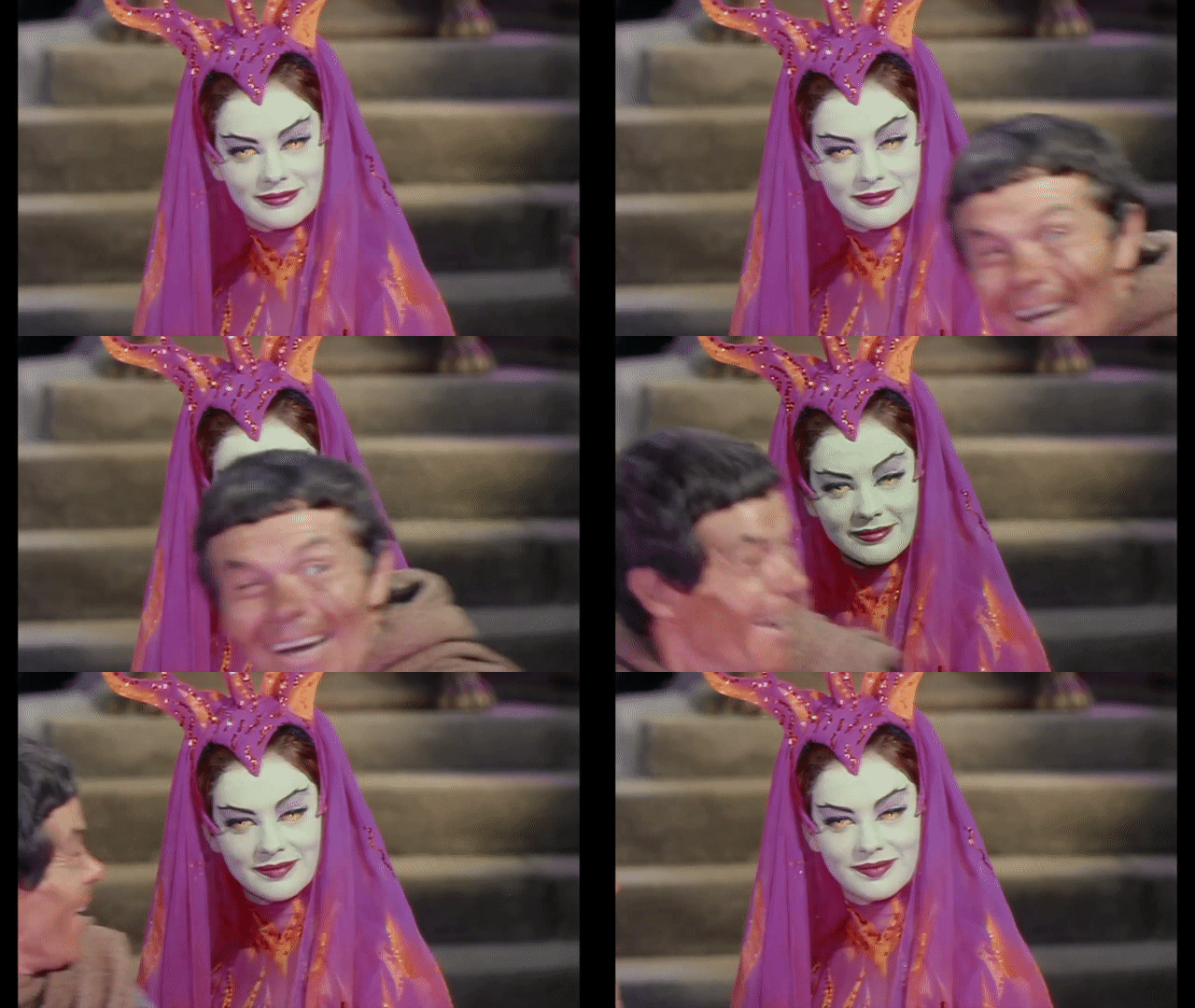
Tag Archives: Jim Danforth

When I met my hero – An interview with Ray Harryhausen

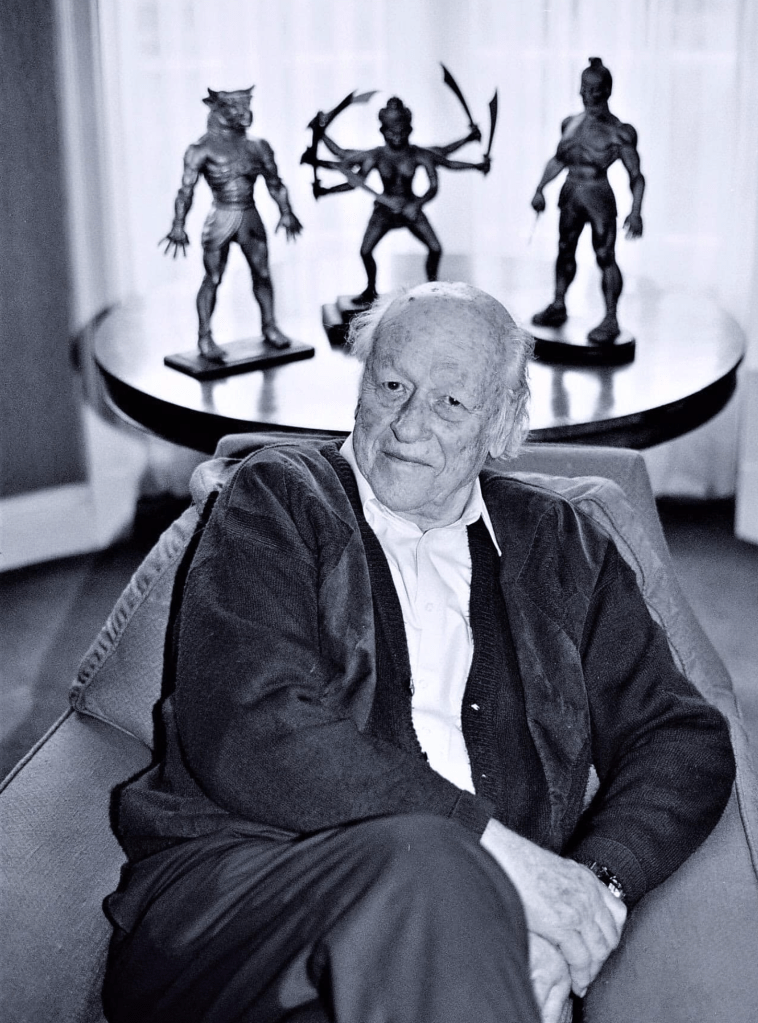
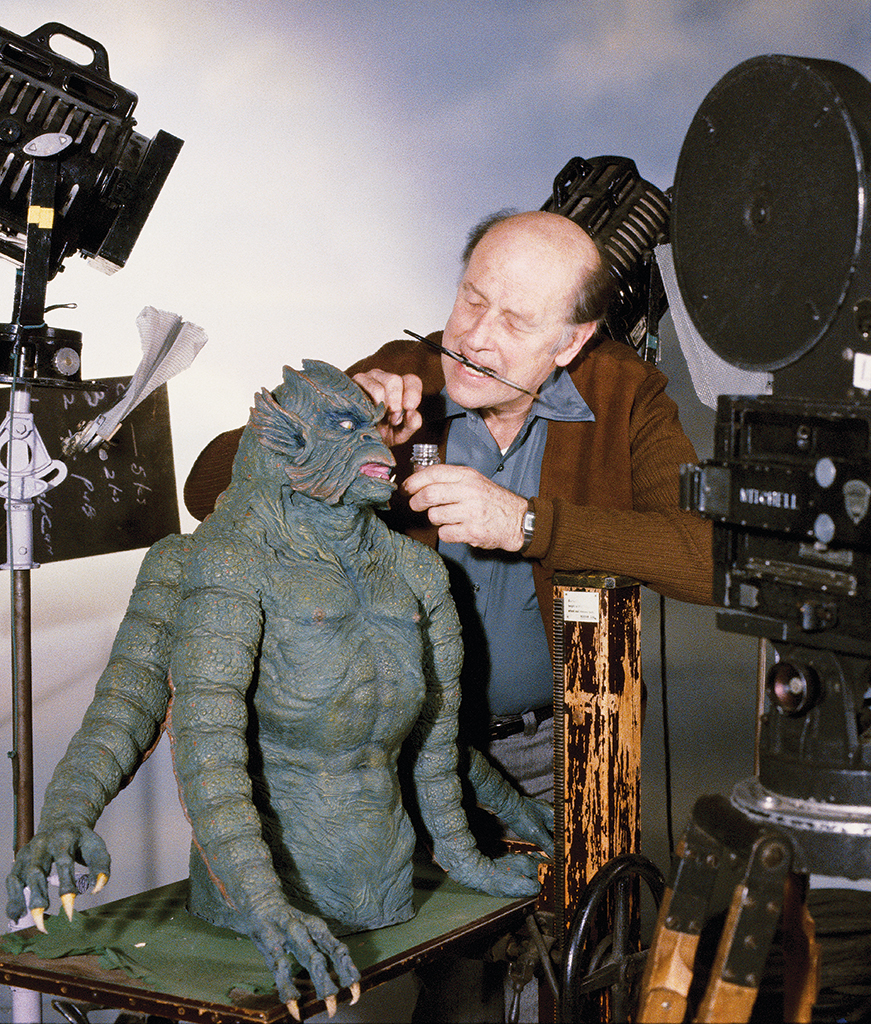
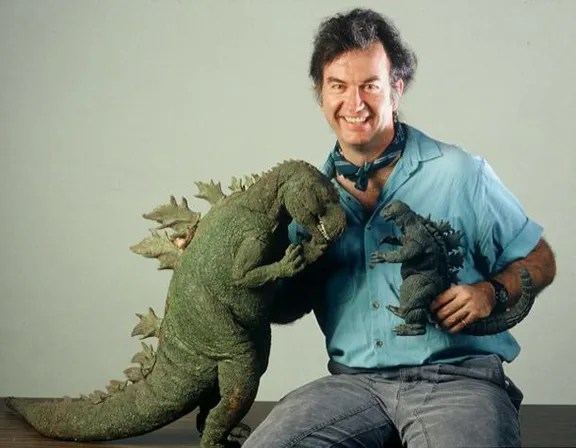
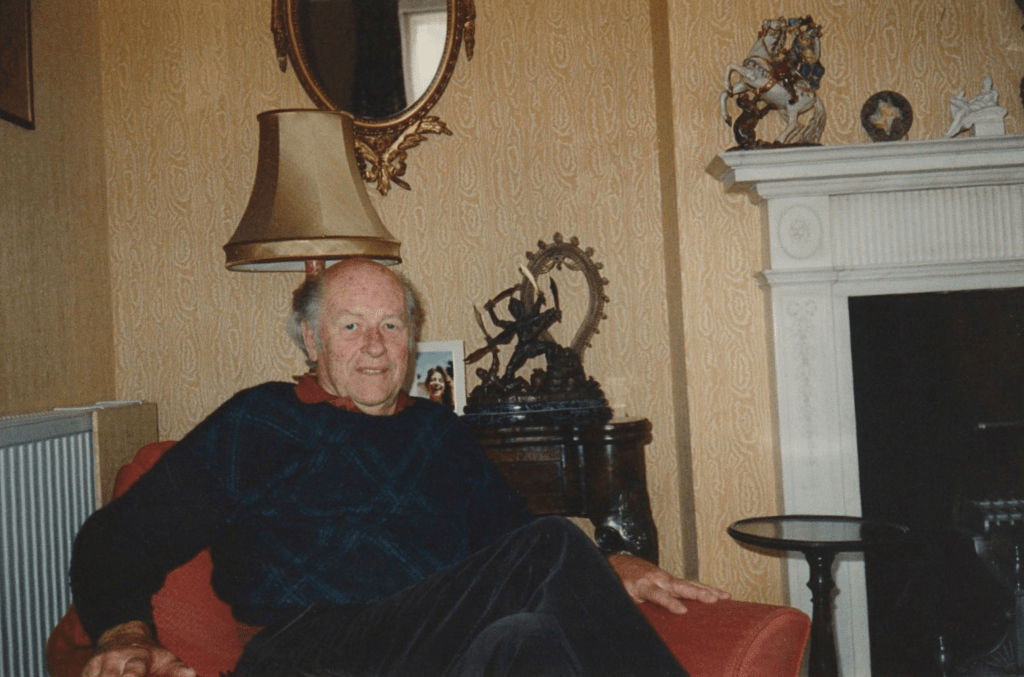
Here's a photo I took of Ray Harryhausen at his home in Holland Park, London, when I interviewed him in 1990 for my magazine Imaginator. Check out the Kali bronze behind Ray!
Here’s a photo I took of Ray Harryhausen at his home in Holland Park, London, when I interviewed him in 1990 for my magazine Imaginator. Check out the Kali bronze behind Ray!

Back in the 1960s, when I was a young kid living near Tamworth, a town in Staffordshire, my father took me to the cinema one fateful day… to see a certain movie called ONE MILLION YEARS B.C.

At the time, as many children often were, I was very interested in dinosaurs, so my dad knew that I’d like this film. And, of course, I loved ONE MILLION YEARS B.C. when I saw it within the sumptuous surroundings of Tamworth’s (now long-gone) Palace Cinema! Watching this movie, which told a tale of love and survival and conflict in a prehistoric world, was an experience that cemented several lifelong interests within me; a fascination with dinosaurs, a fondness for films of the fantastic (especially creature features!), and a love of movies in general. 
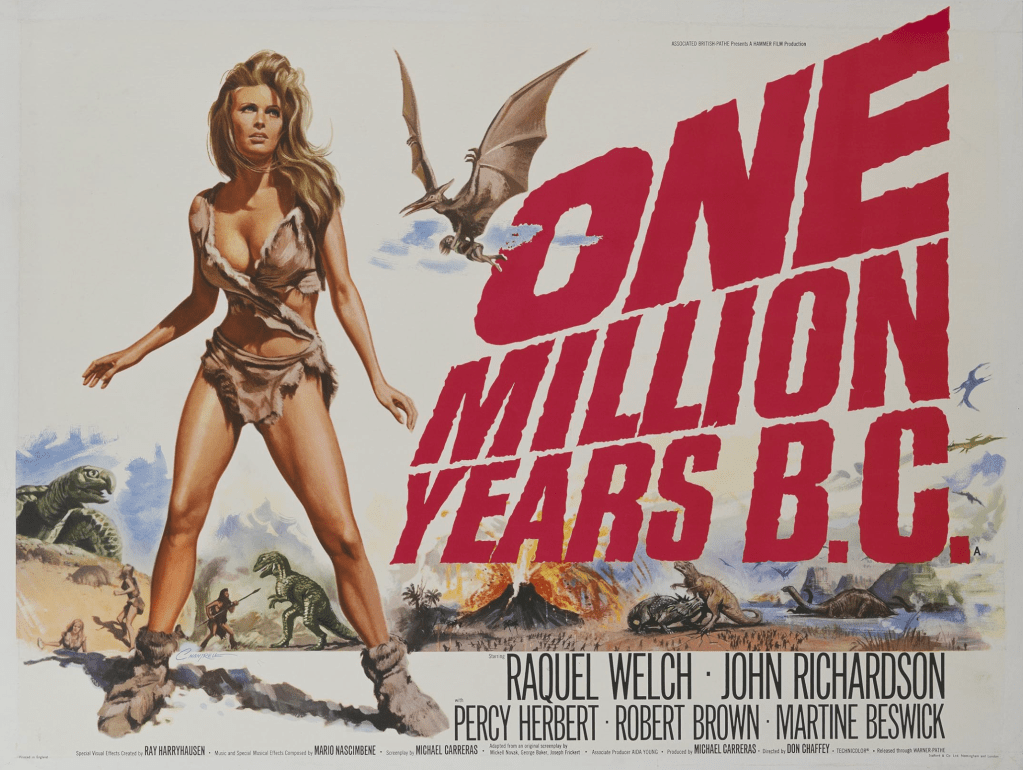
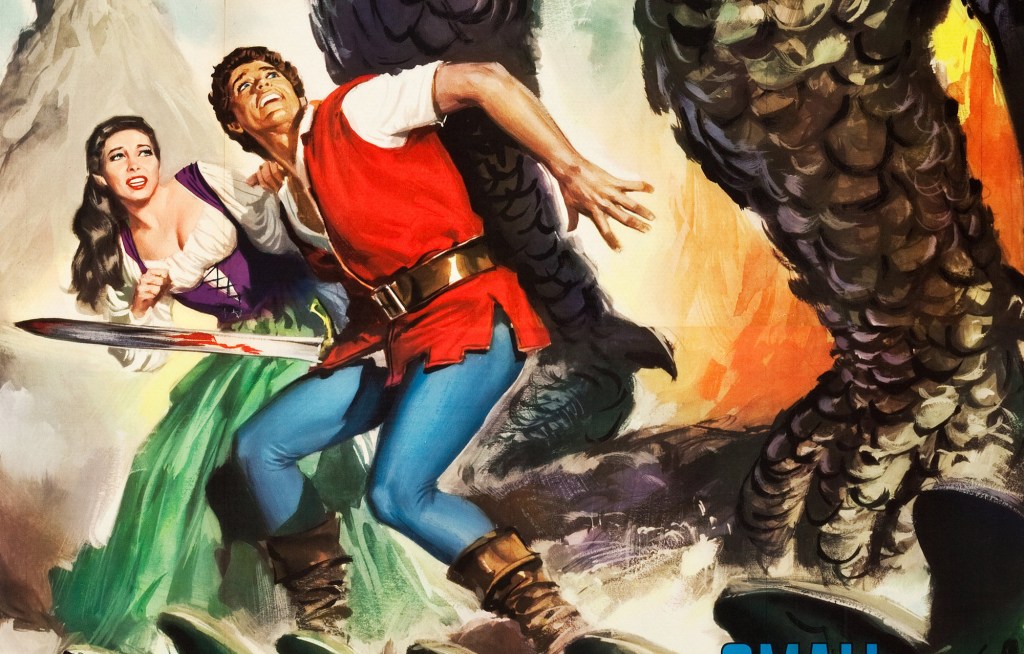
Million Years B.C. poster
I love this film so much!

Before this key trip to the cinema, at an even younger age, I’d already seen MIGHTY JOE YOUNG on television. I liked this film so much my mother got into the habit of telling me new bedtime stories about the great ape to help me to fall asleep!
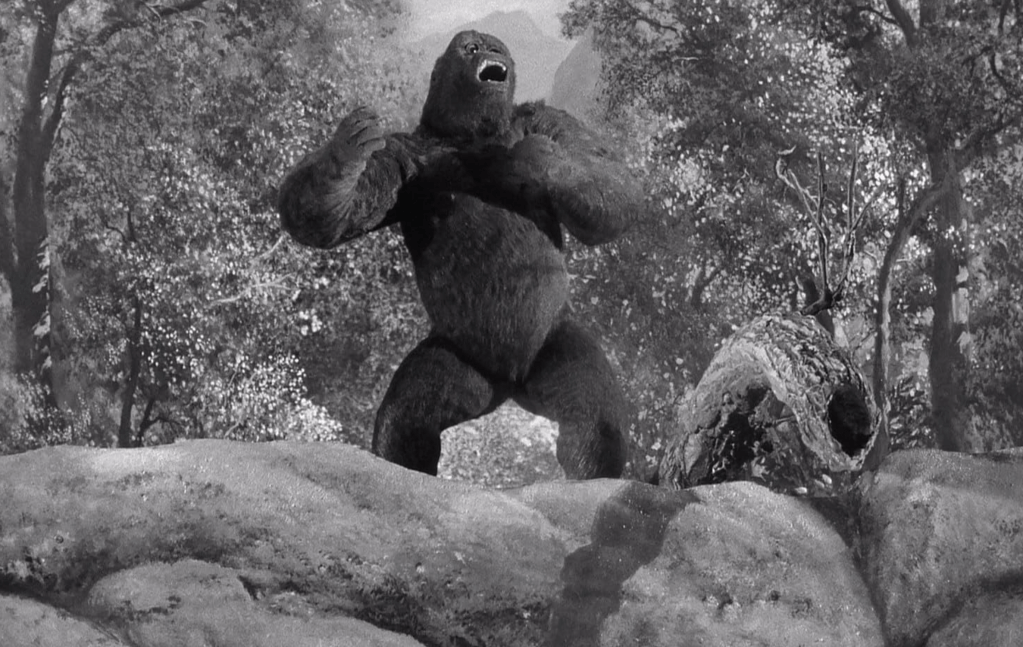
MIGHTY JOE YOUNG was the first feature-length film Ray worked on
MIGHTY JOE YOUNG!

There were other films I would catch on television as the years went by, colourful productions like MYSTERIOUS ISLAND and JASON AND THE ARGONAUTS; movies that would immediately find themselves on my list of favourite films.
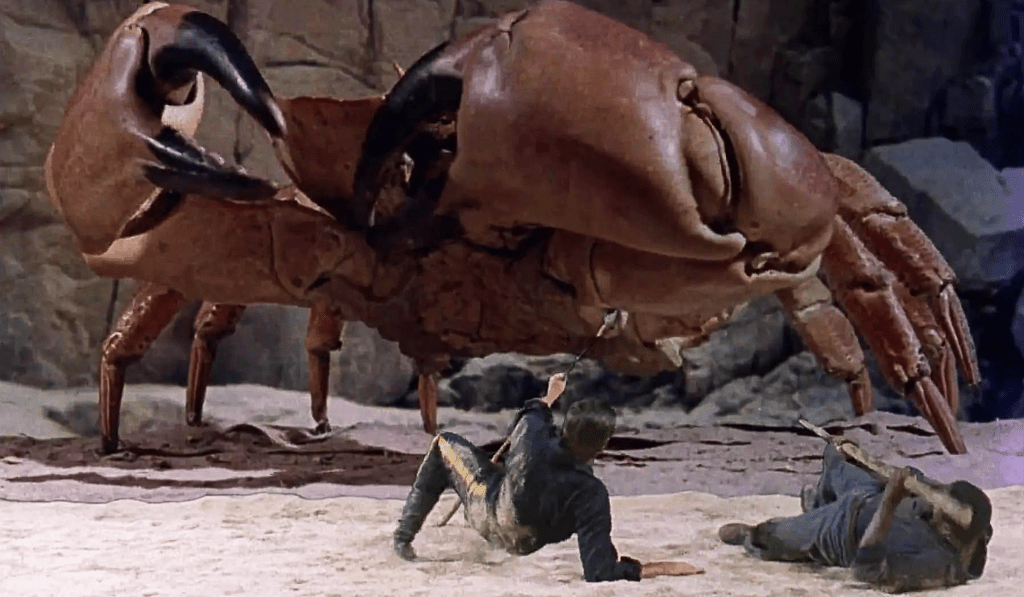
As a kid watching MYSTERIOUS ISLAND on TV for the first time I couldn't believe how utterly amazing the giant crab sequence was!
As a kid watching MYSTERIOUS ISLAND on TV for the first time I couldn’t believe how utterly amazing the giant crab sequence was!

And then, in 1973, I watched an episode of the children’s TV series CLAPPER BOARD. This particular episode was devoted to the work of an American guy called Ray Harryhausen… and the clips being shown were from all the movies that I liked – and I finally realised the same genius was behind them all! Now I knew the movie monsters that I thought were the best-looking creatures to ever roam the silver screen were brought to ‘life’ via the art of stop-motion animation. And so I became obsessed with Ray Harryhausen, finding snippets of info about him from magazines like Famous Monsters of Filmland, going to see his latest releases like THE GOLDEN VOYAGE OF SINBAD at the theatre, making my own stop-motion home movies, buying Super 8 films and projecting these edited highlight reels of the stop-motion action sequences (from movies including THE 7TH VOYAGE OF SINBAD and JASON AND THE ARGONAUTS) for my own enjoyment and for my friends to watch. I was the only one of my group of friends to own a film projector at the time (this was a long time before the advent of videos and DVDs!) 

Anyway, fast-forward to the mid-1980s; this was when I started producing a film fanzine called Imaginator. The first few issues were photocopied, then I moved on to having them properly printed, and Imaginator became more of a prozine. In 1990 I reached out to Ray Harryhausen, asking if I could interview him – and Ray got back to me and he said… ‘yes’! So I went over to his lovely house in Holland Park in London, where Ray sat with me and answered my questions. I included the interview in issue 6 of Imaginator. By this time my interest in movie genres had broadened, so I was equally thrilled to be watching Hong Kong action flicks, low budget US horror movies, Carolco Pictures-style sci-fi-action epics, and so on – but I was still extremely fond of Ray’s fantastic output of films, and I was very proud to be able to include an interview with my hero within the pages of my magazine.    
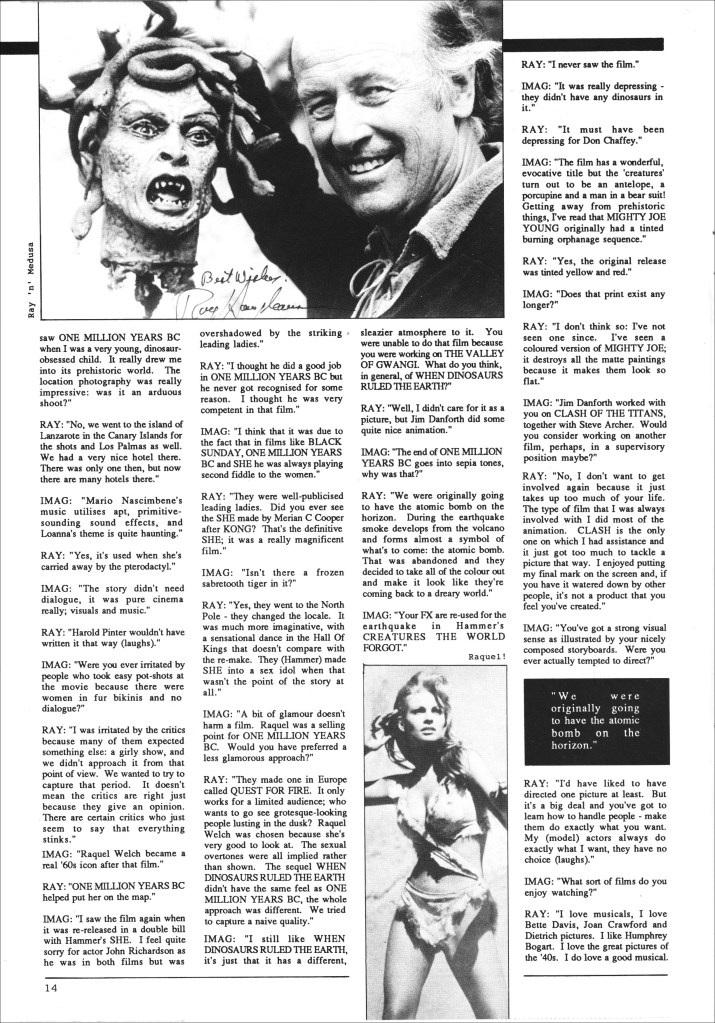
This is a scan of one of the Ray Harryhausen interview pages from issue 6. I have recently started publishing Imaginator again, and it’s now a full colour magazine, but you can see from the scan above that issues 1 to 7 of Imaginator were printed in black & white. So, to accompany the interview now that it’s being shared on this blog, I am going to use a lot of colour images too. Woot!

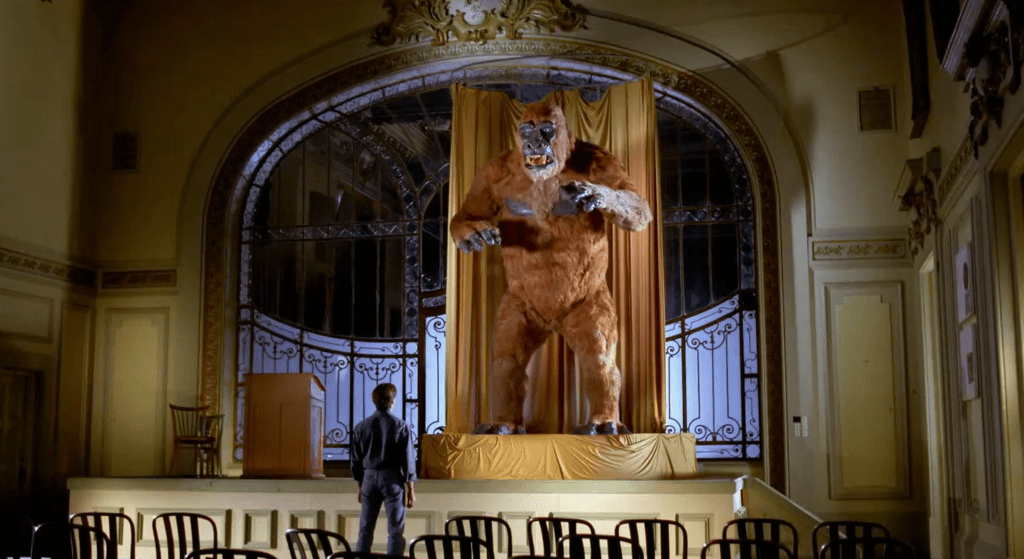
I did cross paths with Ray a couple more times when I went to some of his book-signing events, etc, but my fondest memory remains going to Ray’s home in 1990, where he put aside some time to let me, a lifelong fan, eagerly ask him a bunch of questions about his movies, and I even got to quiz him about such things as his favourite actors, the trickiest sequences he ever shot… and we even talked a little about the 1976 version of KING KONG!

There are a lot of people, including Peter Jackson, Rick Baker, Phil Tippett, Dennis Muren, Tom Hanks, James Cameron, Guillermo del Toro and many more, who were influenced and inspired and entertained by Ray Harryhausen’s cinematic oeuvre. Ray was someone who was not just a master of his craft, he was also a considerate man who would find the time to interact with those who looked up to him.
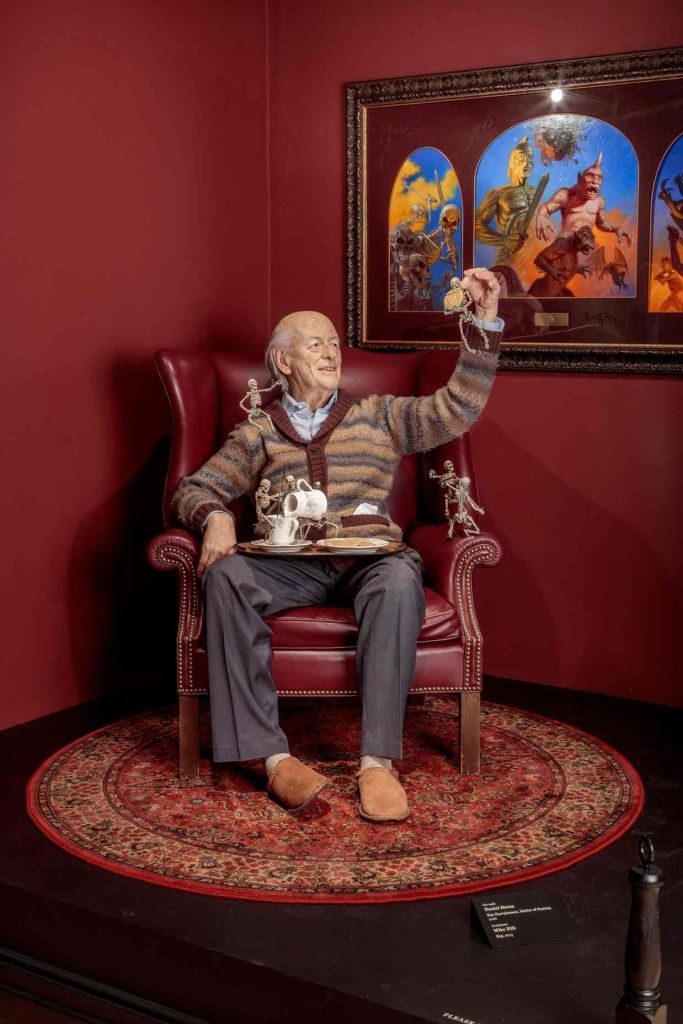
Guillermo del Toro’s extensive collection of fantasy and horror memorabilia includes a very realistic custom mannequin of his hero Ray Harryhausen

When I heard the news of Ray’s passing in 2013 it hit me hard. Though I had only met him a handful of times, the depth of interest that I had retained for his work, reaching right back to when I was a very young child, meant that, in a way, Ray had always been a part of my life, and so the sadness I felt was akin to losing someone close to me. There will never be another Ray Harryhausen.

The interview I did with Ray is featured below; please remember, as I’ve already said a couple of times, this chat took place in 1990, so some of the comments I make in the interview about how difficult it is to find and watch some of Ray’s older films no longer apply as his wonderful work is available now on DVD and Blu-ray and streaming. Also, this chat took place before a certain new type of special FX called CGI was to become an all-pervading method of making movie monsters, so that, of course, never gets commented on .

Anyway, in case you haven’t already guessed, this talk with Ray Harryhausen remains one of the highlights of my publishing-related work; I got to chat, one-to-one, with my all-time hero!

From MIGHTY JOE YOUNG (1949) to CLASH OF THE TITANS (1981), special effects magician Ray Harryhausen created a wonderful menagerie of monsters, dinosaurs and mythical creatures for the movies. Over the years many cinéastes have fallen under the spell of his creations. Whether they happened to be reanimated skeletons or an ever-growing alien from Venus, these articulated models possessed character and dynamism thanks to Ray’s painstaking work and skill. If it wasn’t for Ray Harryhausen’s body of work I probably wouldn’t have become hooked on fantastic films, and there would have been no IMAGINATOR magazine.

Recently I was very pleased to be able to talk with Ray and chat about such topics as his favourite movie stars, some of his unmade movie projects… and even Godzilla!

IMAGINATOR: I love monster movies and you’re the King of the Monster Makers. Of the creatures that you’ve created, which are you fondest of?

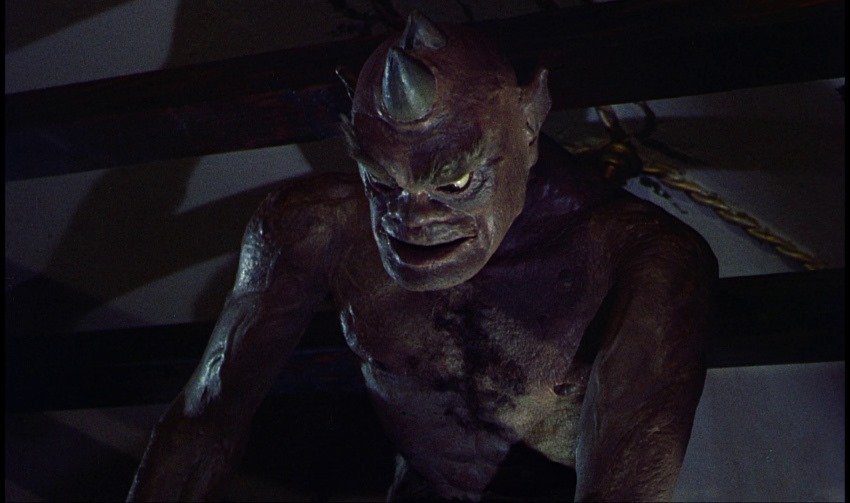
RAY: That’s very difficult to say. There are different creatures in different pictures one becomes fond of. One of the most popular things I’ve ever done was the Cyclops from THE 7TH VOYAGE OF SINBAD. I get more fan letters about the Cyclops, I think, than any other character.

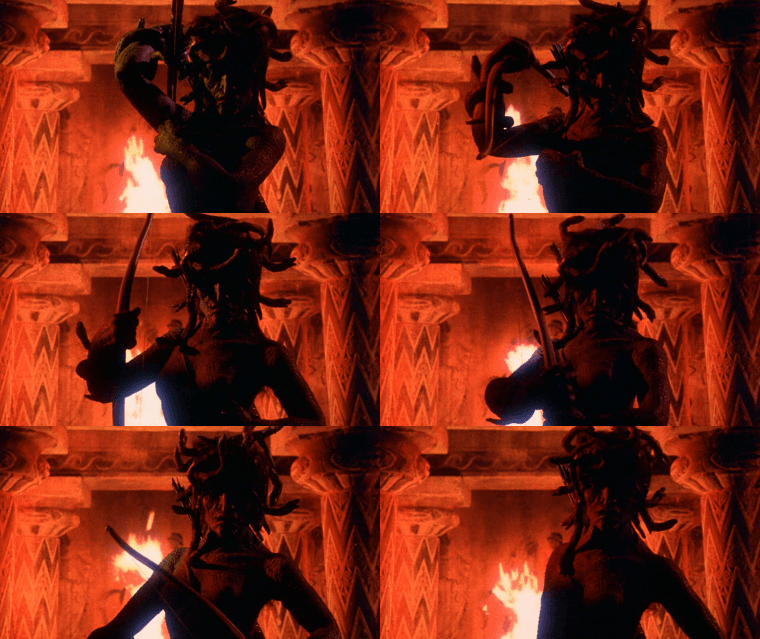
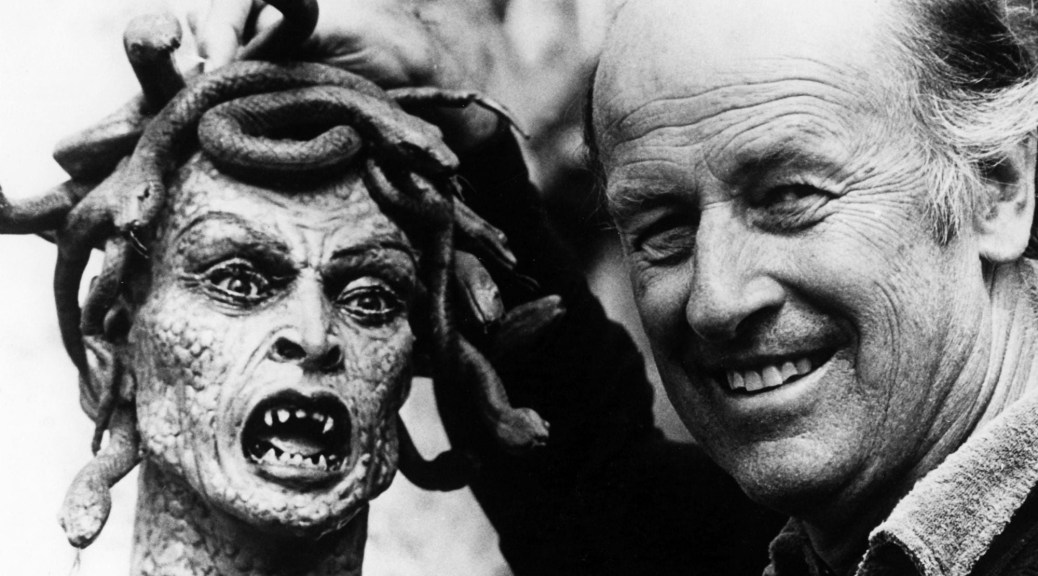
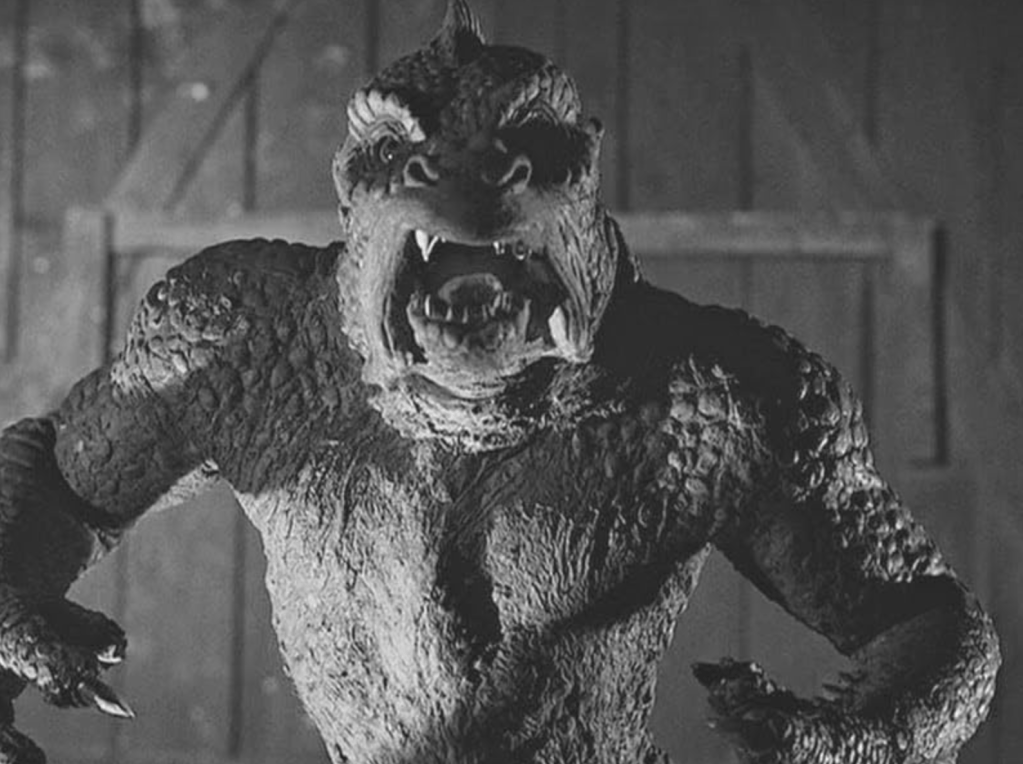
The Ymir was a character I grew rather fond of from 20 MILLION MILES TO EARTH, and Medusa (from CLASH OF THE TITANS), I think has a certain charm in her own uncharming way.
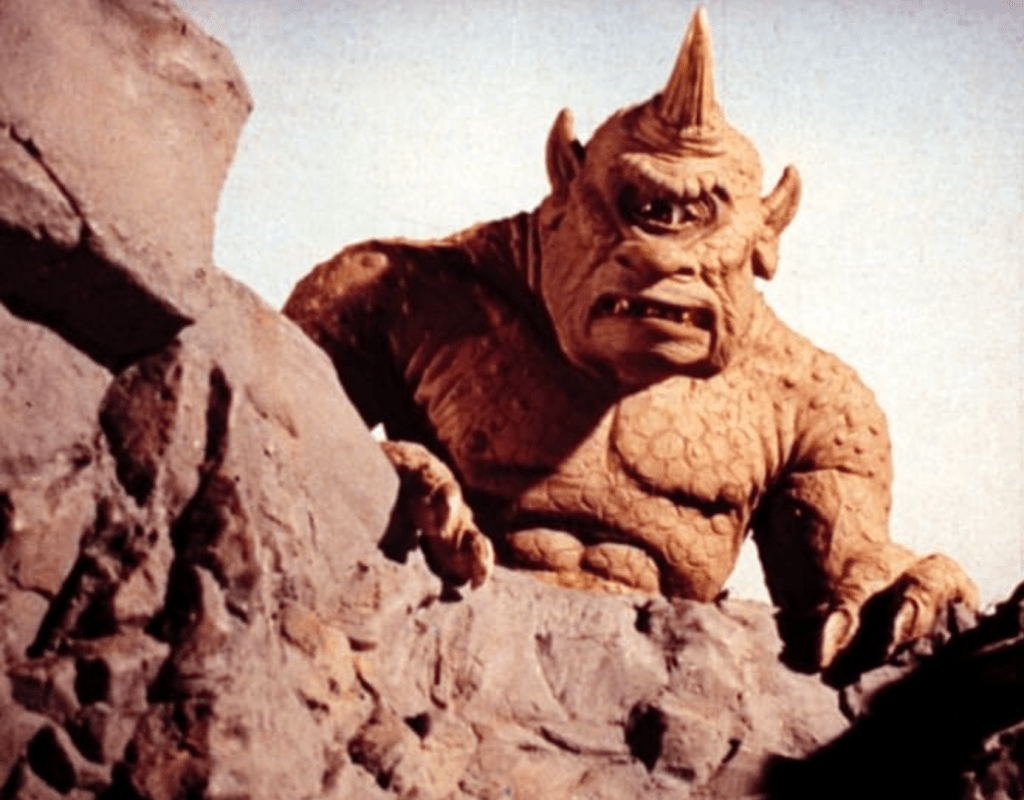
The Cyclops!
The Cyclops!
The Ymir!
The Ymir!
Medusa!
Medusa!

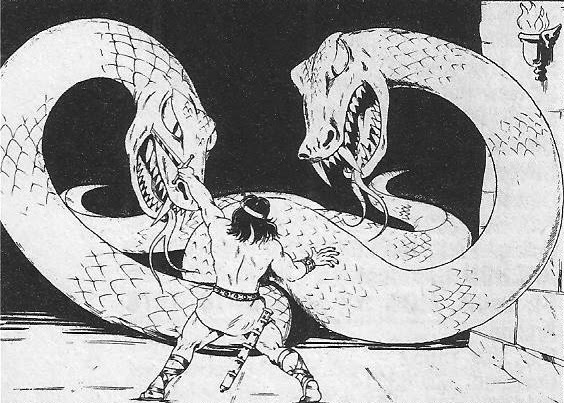
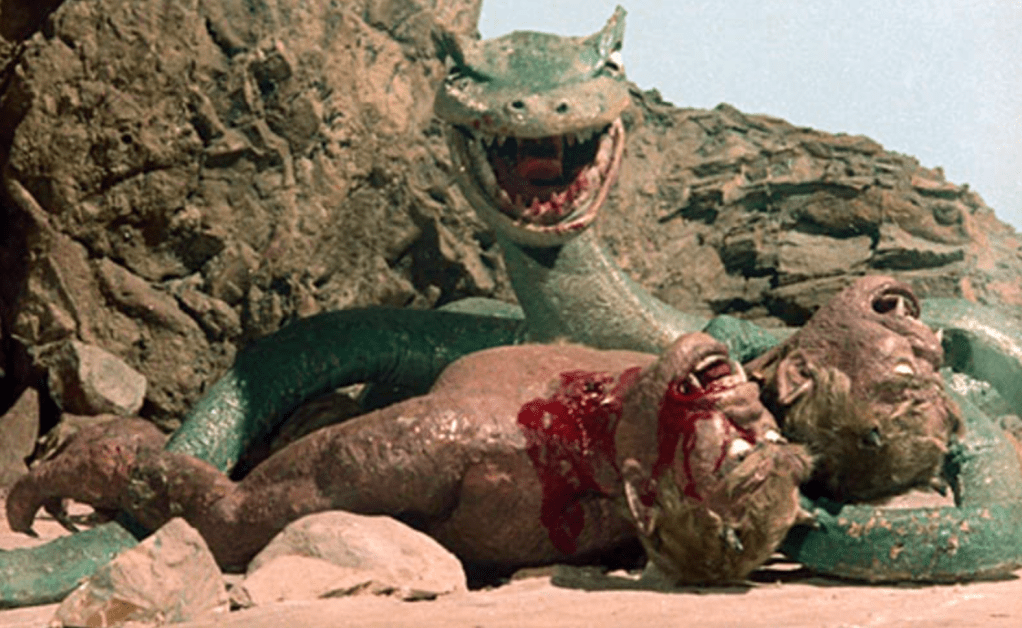
IMAG: One of my favourites is the Hydra from JASON AND THE ARGONAUTS.

RAY: Yes, the Hydra was interesting to animate.
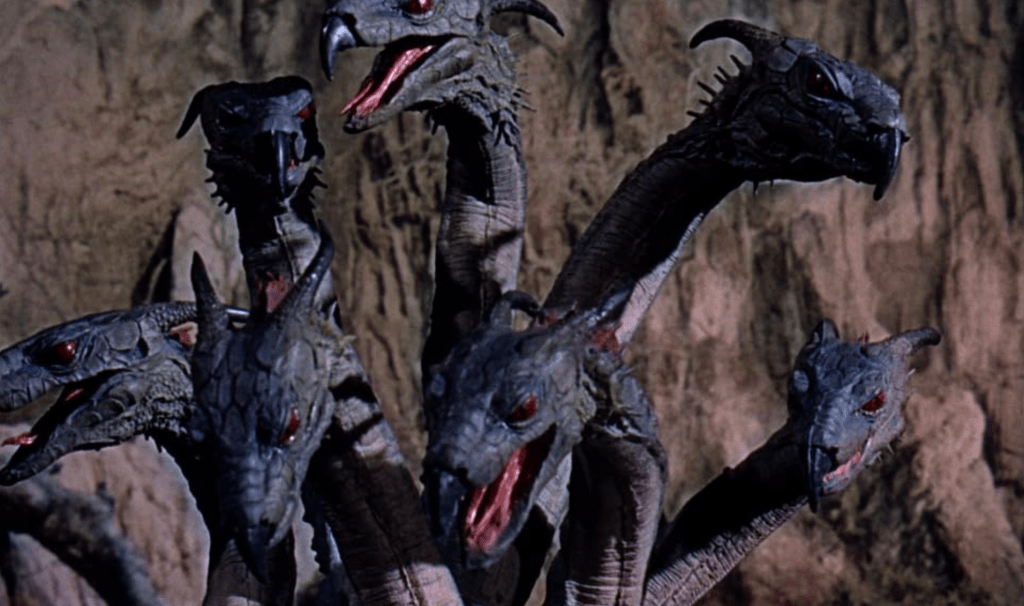
The Hydra!
The Hydra!

IMAG: It is one of those creations that couldn’t have been brought to life in any other way, other than with animation.

RAY: It’s something you read about in a storybook and you could never imagine you’d ever see a ‘live’ one of the screen.

IMAG: Did you ever intend to give it legs?

RAY: No, never. It’s supposed to be snake-like. With legs it would be a dragon.
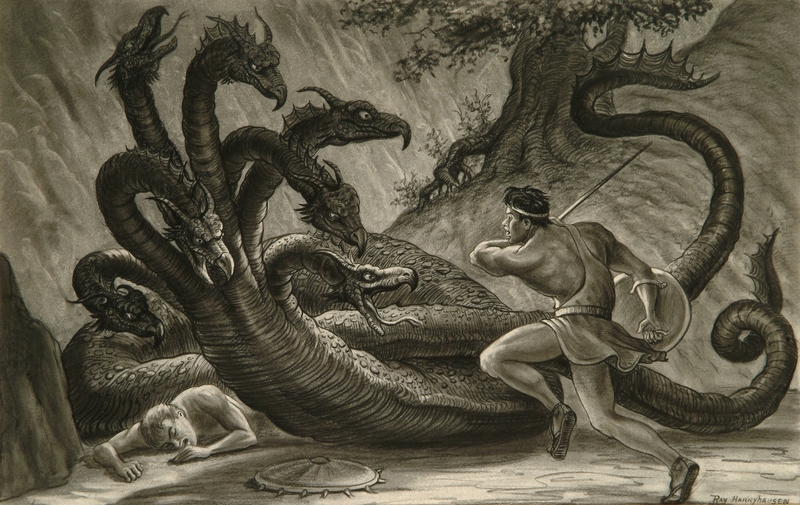
Ray's concept art showing Jason confronting the Hydra
Ray’s concept art depicting Jason confronting the Hydra

IMAG: Rick Baker made a rubber mask based on your cyclopean Centaur design from THE GOLDEN VOYAGE OF SINBAD.

RAY: Yes, he wanted to put it on the market. This was years ago before rubber masks became popular. He made it as a sample and tried to talk to Columbia, but unfortunately no one at that time was interested.
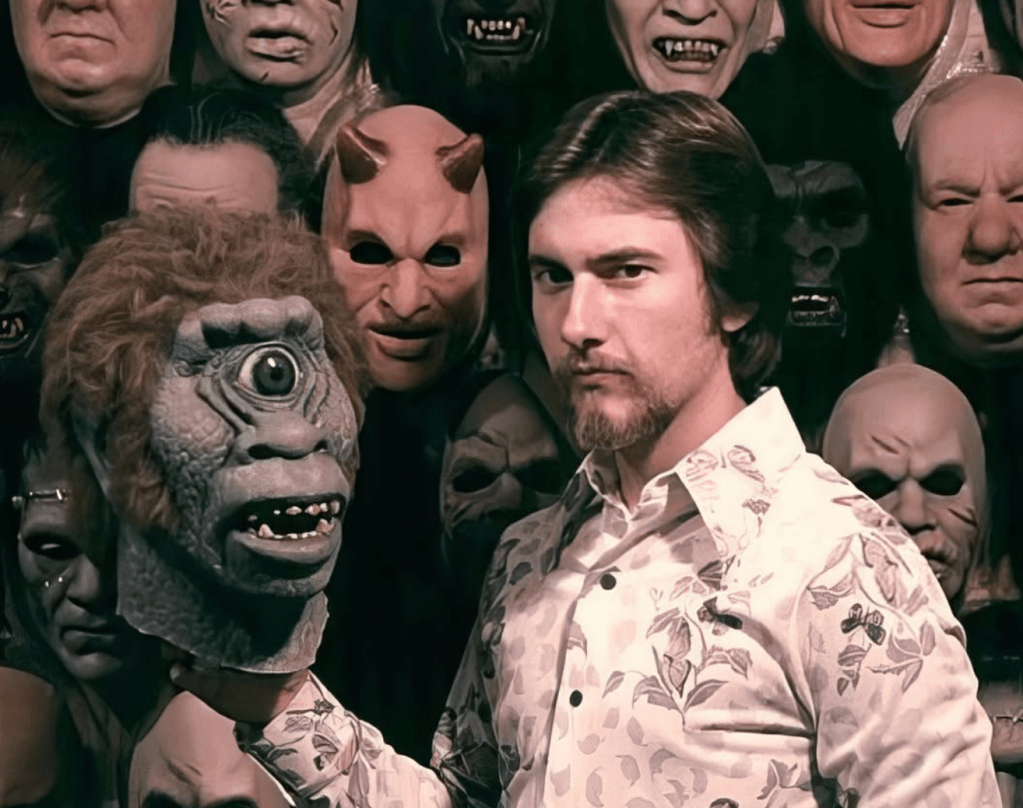
Rick Baker with the Centaur-Cyclops mask. Laine Liska would go on to modify a casting of this mask, and it became Myo, the one-eyed alien in the cantina sequence in STAR WARS (1977)

IMAG: He made it quite a while back?

RAY: Oh yes. Many years ago.

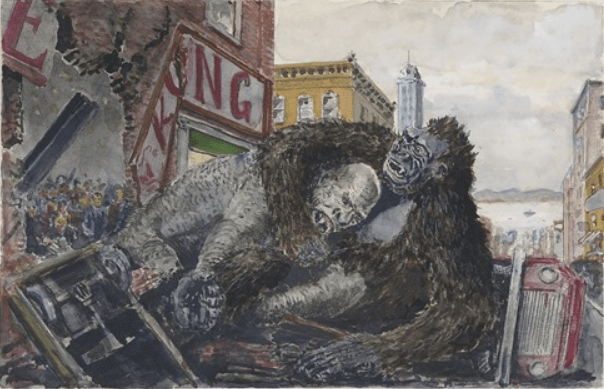
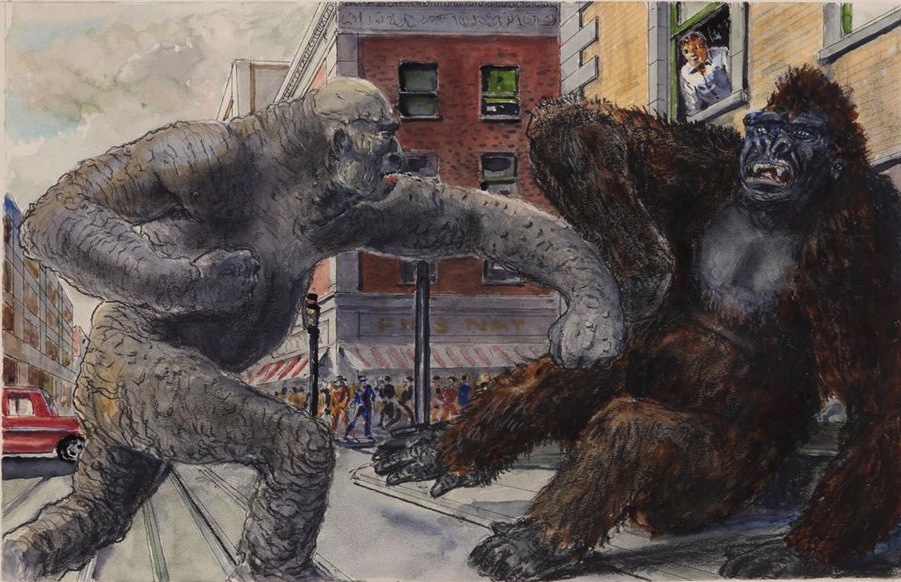
IMAG: Rick Baker, of course, was involved in the 1976 remake of your all-time favourite film, KING KONG (1933).

RAY: Very much so. He WAS King Kong. Unfortunately, the awards were all given to entirely different things.
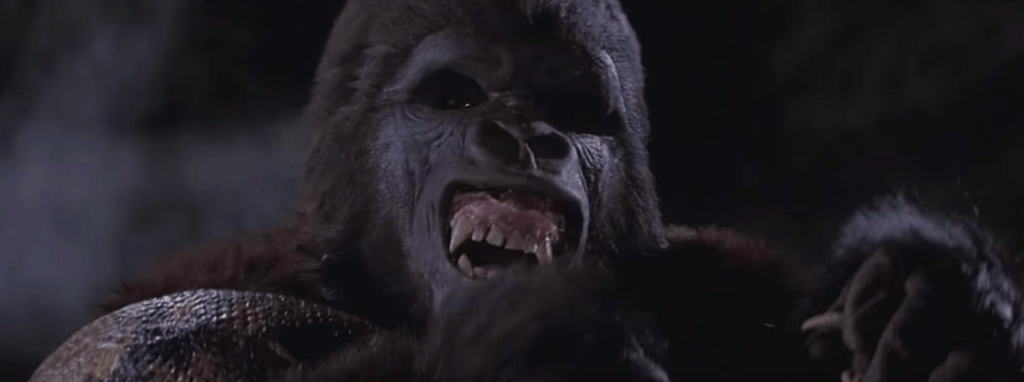
Rick Baker as Kong in the 1976 version of KING KONG

IMAG: I felt sorry for Rick Baker. At the start of KING KONG there is a message from the producers that acknowledges the ‘fact’ that King Kong was built by Carlo Rambaldi: with no mention of Baker.

RAY: And they never used that big mechanical thing for more than 10 seconds. It was a big con game.
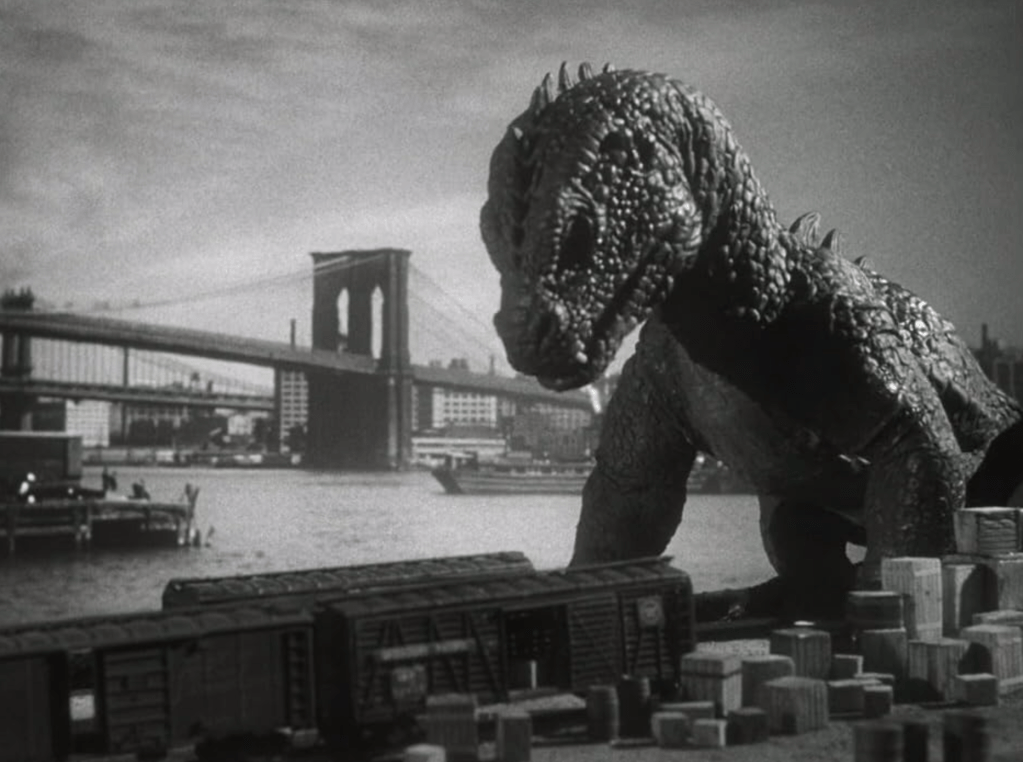
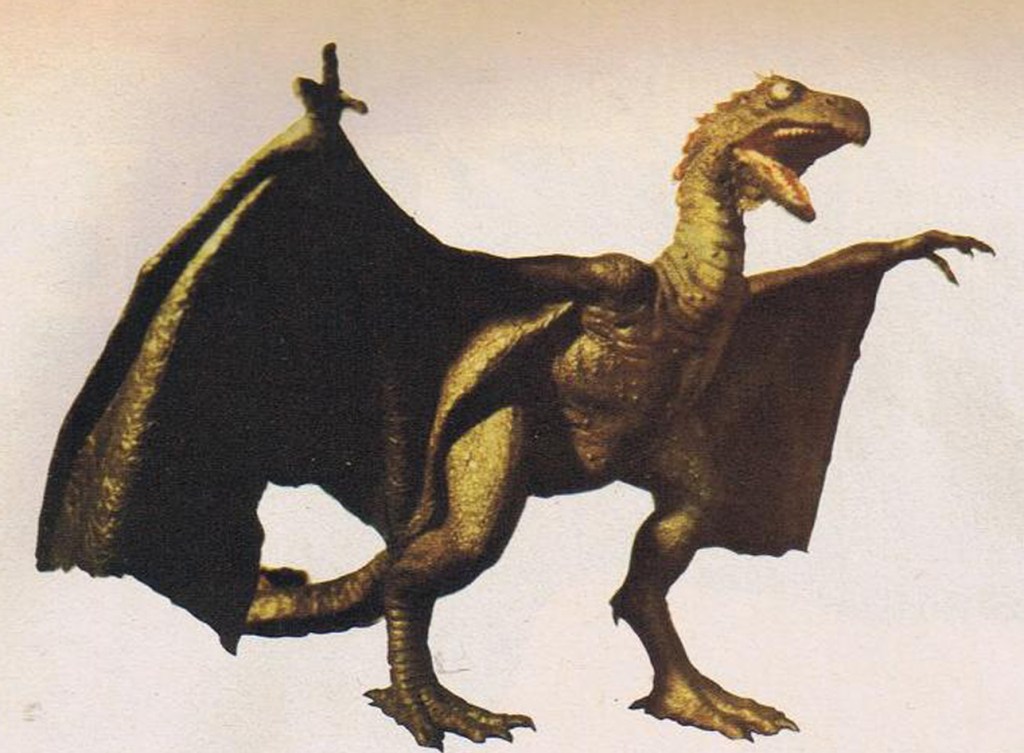
THE BEAST FROM 20,000 FATHOMS

IMAG: The Rhedosaurus from THE BEAST FROM 20,000 FATHOMS (1953) is a made-up dinosaur. Was it always intended to be fictional?

RAY: Yes. We didn’t want to have a brontosaurus as they are too round and don’t have a great deal of menace, and they’re vegetarian. So we made a synthetic creation: a sort of cross between a tyrannosaurus, a brontosaurus, and an alligator, all three combined.

It’s the Rhedosaurus! Run away!

IMAG: It must have been wonderful to work on a film based on a short story written by one of your friends; Ray Bradbury.

RAY: Oh yes, very much so. It was the only time that we’ve worked together. We used to haunt the telephones when telephone conversations were cheap; you’d pay five cents and you could talk for an hour or two. He used to live on the other side of town and we used to talk and compare notes. We wanted to make the greatest dinosaur picture ever.

How the BEAST came about didn’t involve us working directly together on the screenplay. The script had already started for the film when the short story (called THE FOGHORN) came out in The Saturday Evening Post. We needed additional sequences so, when the producer read the story with a big illustration of a monster attacking a lighthouse, he said, ‘Gosh, we’ve got to get that and put it in the picture’. The title was also changed. The picture was originally called MONSTER FROM BENEATH THE SEA.
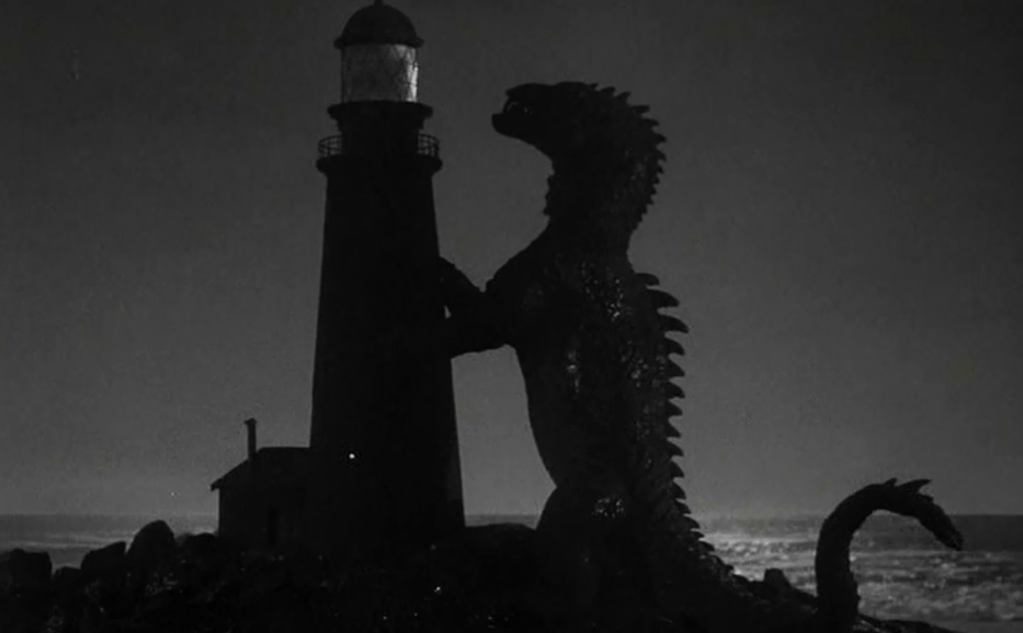
The Rhedosaurus attacks the lighthouse!

IMAG: The lighthouse scene is very good. The silhouetted attack is very atmospheric.

RAY: It’s one of the highlights of the picture. I would’ve liked to have done it in a more elaborate way, but the whole picture was made for a very low budget so it wasn’t practical.
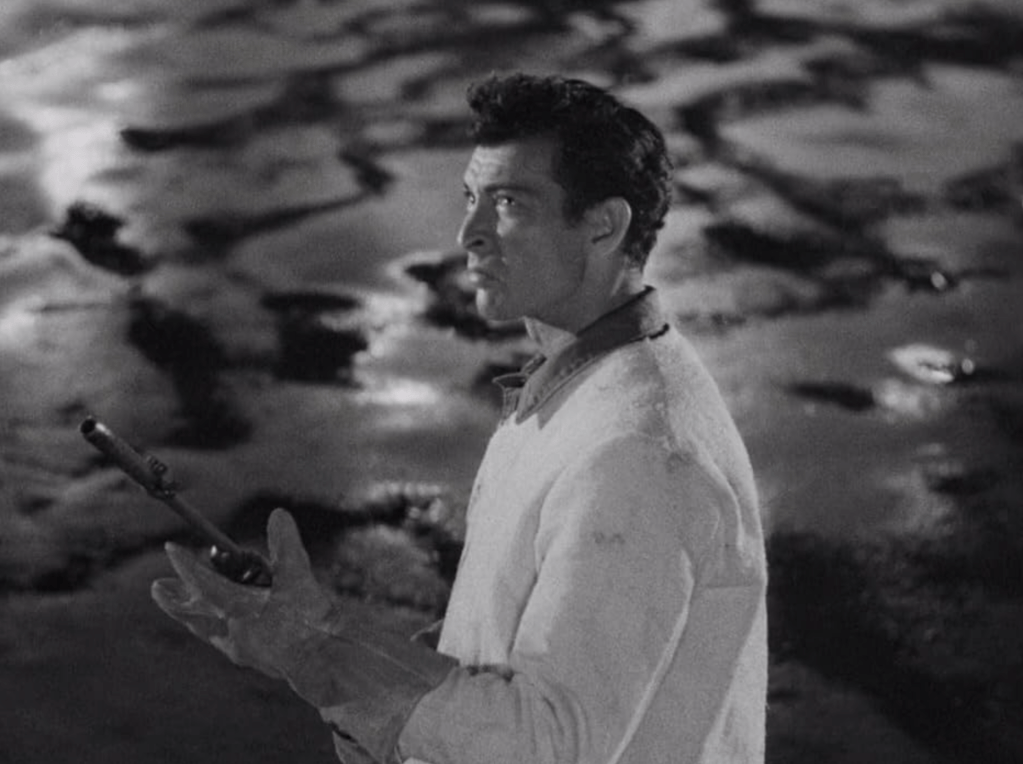
Lee Van Cleef plays Corp. Stone in THE BEAST FROM 20,000 FATHOMS
Lee Van Cleef plays military sharpshooter Corporal Stone in THE BEAST FROM 20,000 FATHOMS

IMAG: The late Lee Van Cleef played the guy who kills the beast.

RAY: That was long before he became a big name in the spaghetti westerns.

IMAG: You went on to make more dinosaurs come to life in THE ANIMAL WORLD, ONE MILLION YEARS B.C. and THE VALLEY OF GWANGI. Why do people still have this fascination for dinosaurs?
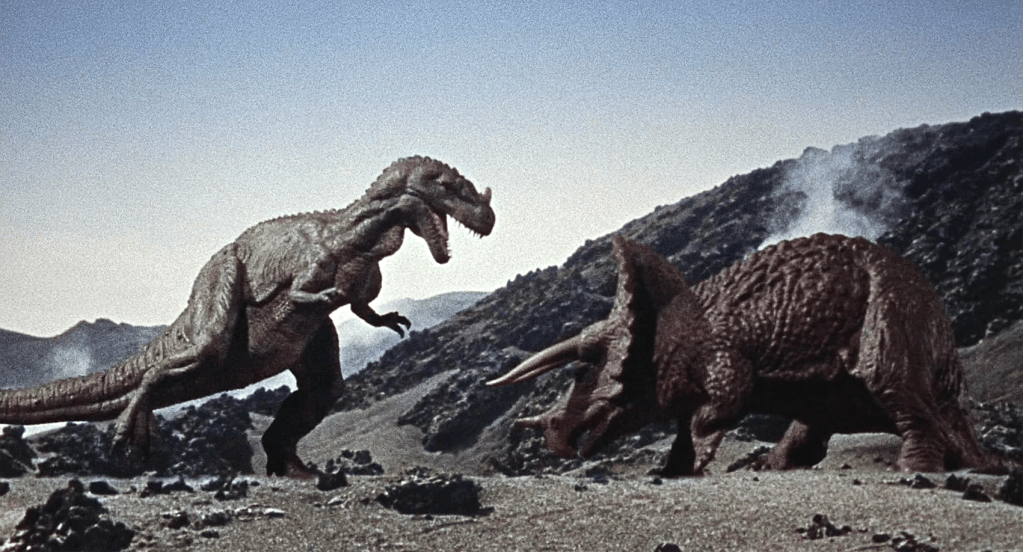
A Ceratosaurus and a Triceratops battle to the death in ONE MILLION YEARS B.C.

RAY: Well, dinosaurs were actual living creatures and every child goes to the museum and is brought up seeing the skeletons. The whole point of the medium of dimensional animation, particularly from Willis O’Brien’s point of view when he made THE LOST WORLD in 1925, was that you were putting on the screen something you couldn’t photograph in real life. You can’t find a dinosaur today so you have to create one, and the best way to create it, rather than glueing fins on known lizards, is through the medium of stop motion.

I would have liked to have re-made THE LOST WORLD because I think I could do it better.
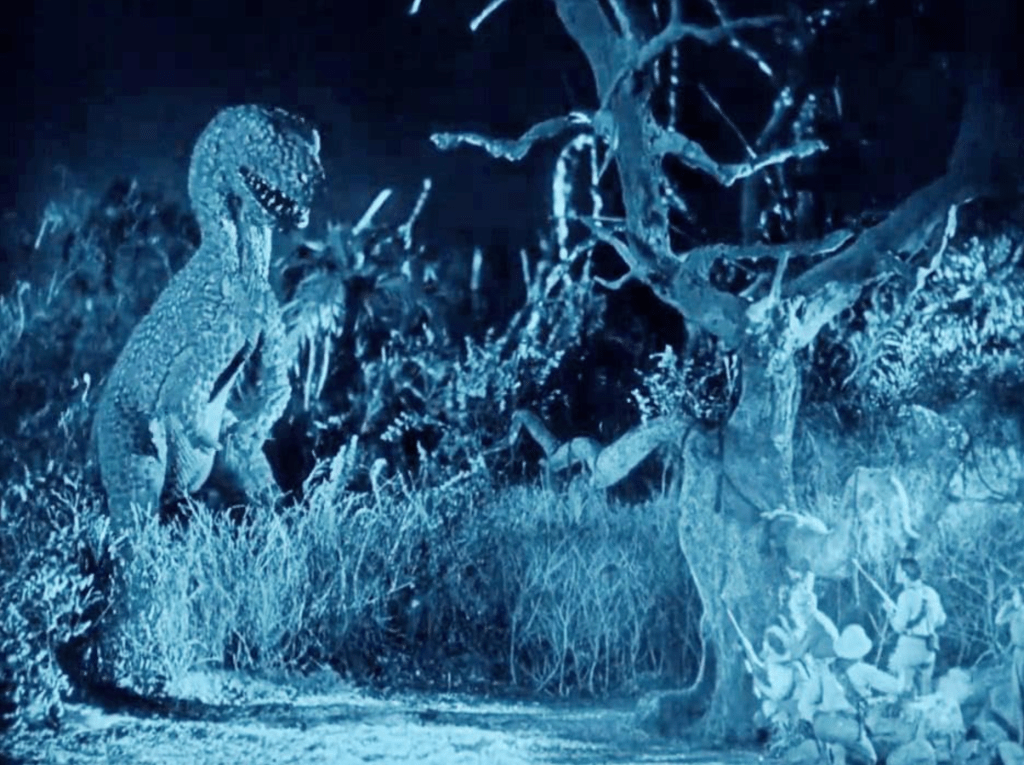
Wow, I REALLY would've liked to have seen Ray's version of THE LOST WORLD!
Wow, I REALLY would’ve liked to have seen Ray’s version of THE LOST WORLD!

The only reason I accepted re-making ONE MILLION B.C. (1940) was because I didn’t think the first one did it right. They had to hide some of the animals because some of them were so dreadful, particularly the allosaurus; you could hardly see it hidden behind the bush.

IMAG: It was a man in a suit.

RAY: I felt I could improve upon it. I always hesitated re-making KING KONG because it is a classic and, even with many of its shortcomings, it’s still one of the greatest fantasy films ever made.
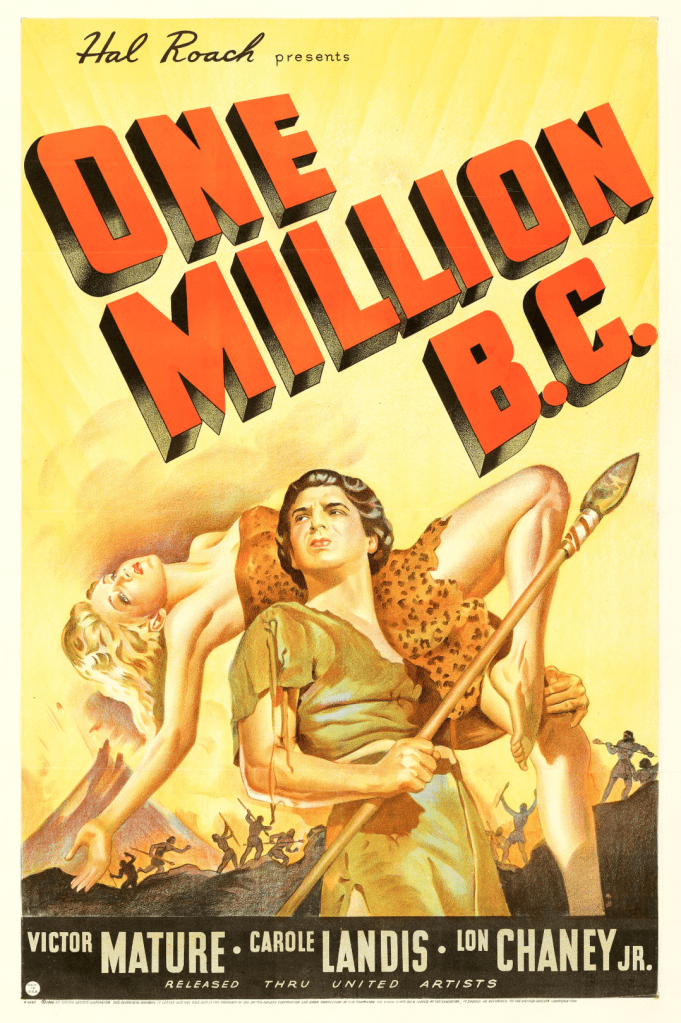
ONE MILLION B.C. (1940) was titled MAN AND HIS MATE in the UK
Poster for ONE MILLION B.C. (1940). The film was titled MAN AND HIS MATE in the UK
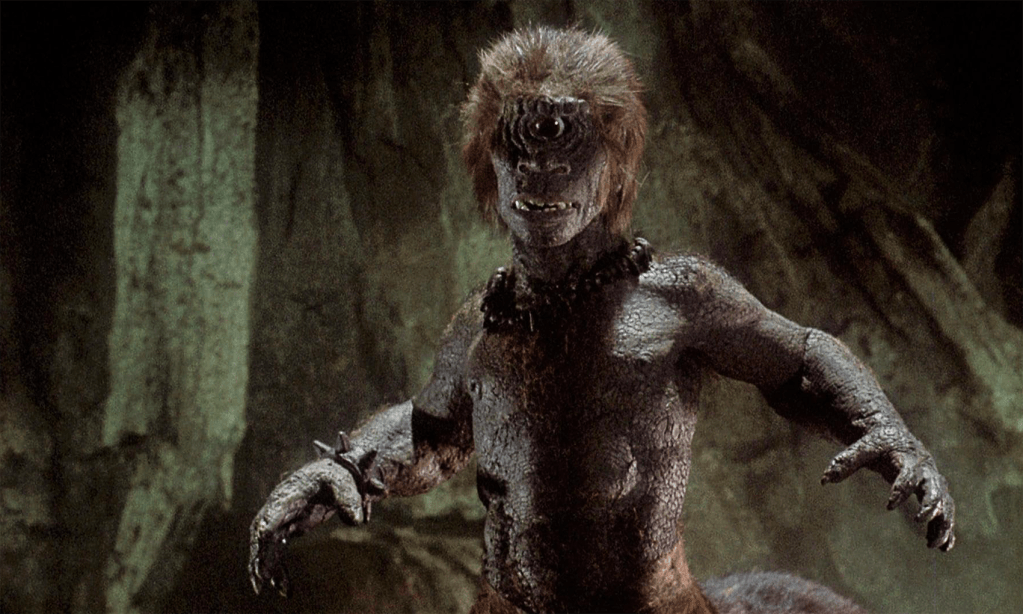
The awesome Centaur from THE GOLDEN VOYAGE OF SINBAD

IMAG: You’ve created some great mythical characters; the Cyclops from THE 7TH VOYAGE OF SINBAD and the Centaur from THE GOLDEN VOYAGE OF SINBAD come to mind. I’m interested in why you chose to have the mechanical Minoton rather than a flesh-and-blood Minotaur for the third Sinbad film?
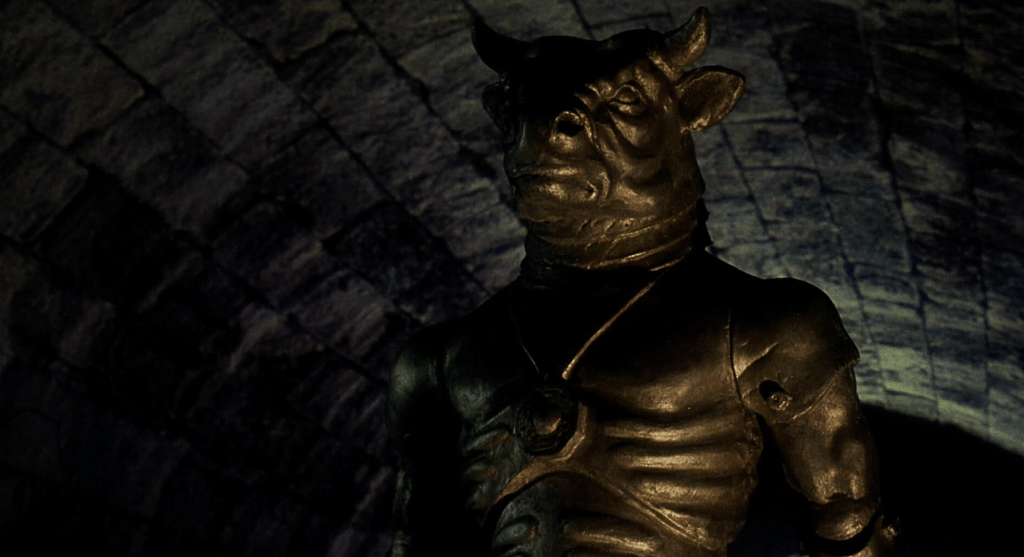
The Minoton from SINBAD AND THE EYE OF THE TIGER

RAY: We felt we wanted Zenobia, the sorceress, to create mechanical-like thing, like a Frankenstein, rather than have it an actual living thing. It was a servant, not a wild beast; you’d have to approach the story from a completely different point of view if it was alive.

IMAG: The Phororhacos in MYSTERIOUS ISLAND (1961) is frequently mistaken for a giant chicken because the thing’s origin was not gone into in the final film. What were you going to do to illustrate the prehistoric nature of the bird?

RAY: The script went through a number of changes as many screen stories, when they’re being composed, go through. At one point we wanted to approach MYSTERIOUS ISLAND from a prehistoric point of view; that they would land on this island which is populated by prehistoric animals. We were going to have all kinds of dinosaurs and things on it. But we abandoned that idea and the Phororhacos was a leftover from that. So then we adapted the idea of having Captain Nemo making these animals big, like the crab and the bee, through experimentation. So that was a combination of two different approaches to the same story.
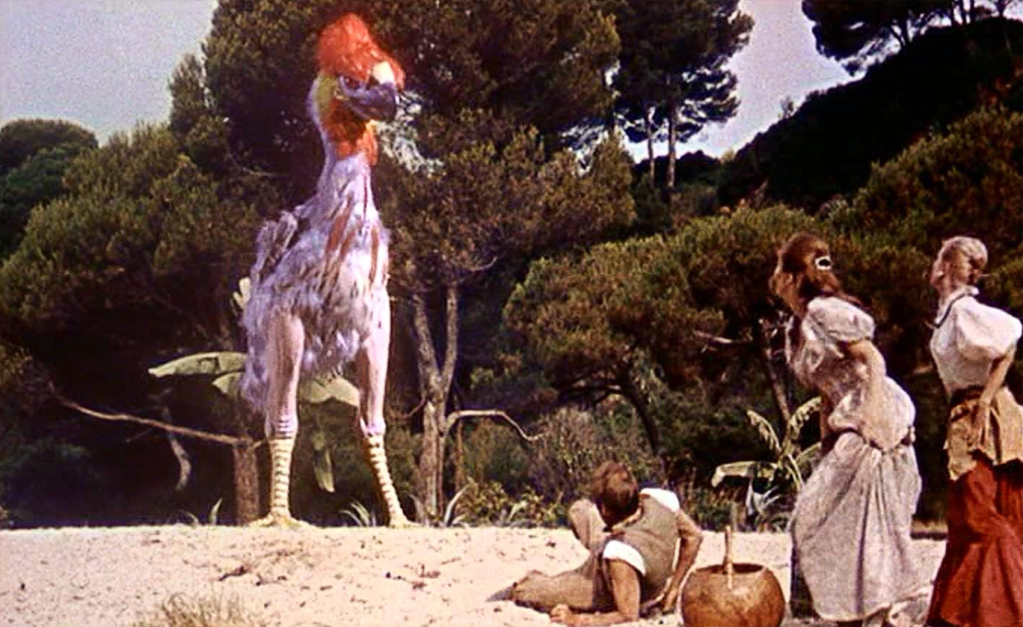
The Phororhacos!
The Phororhacos!

IMAG: So you didn’t mind people thinking that it was a chicken?

RAY: No, it was a slightly comical effect and Bernie Herrmann, of course, put a semi-comical score to it.
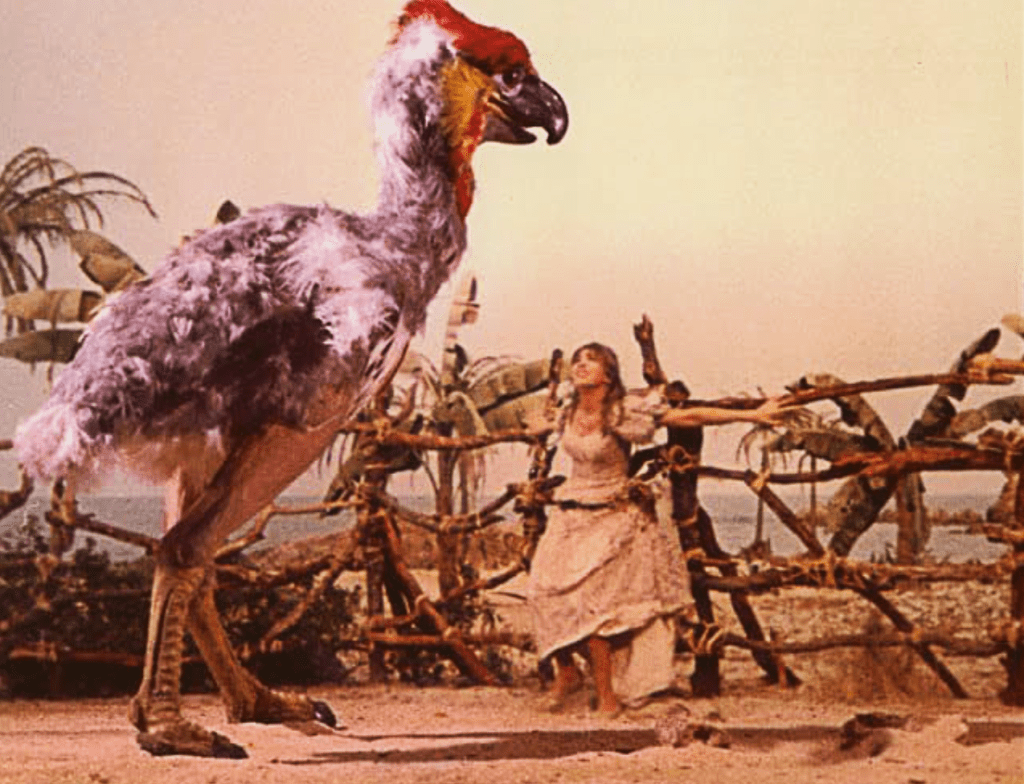
The Phororhacos sequence boasts an amazing musical accompaniment courtesy of  Bernard Herrmann
The Phororhacos sequence boasts an amazing musical accompaniment courtesy of Bernard Herrmann
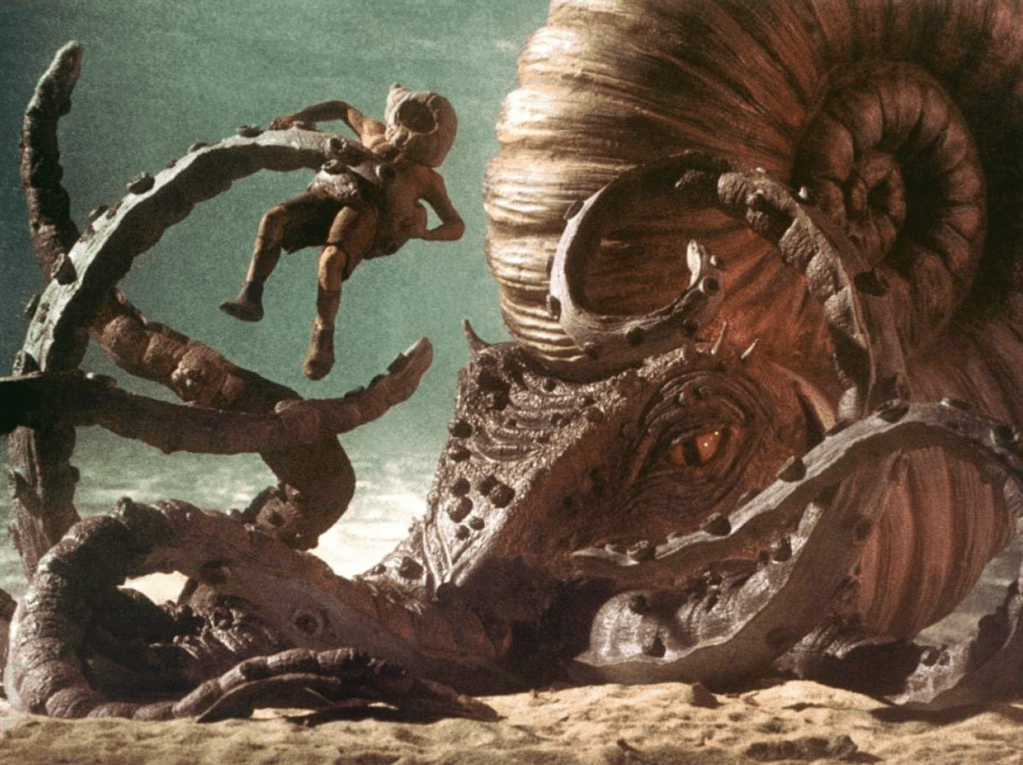
The Nautilus creature! I love it!

IMAG: What about the squid-like creature at the end; the Nautilus? That was intended to be a prehistoric thing too, wasn’t it?

RAY: That was sort of a hang-over from the prehistoric period, yes.

IMAG: You have animated lots of complicated set-ups, such as the roping of the allosaurus in THE VALLEY OF GWANGI and the skeleton fight from JASON AND THE ARGONAUTS. What has given you the biggest headache in any of your films?
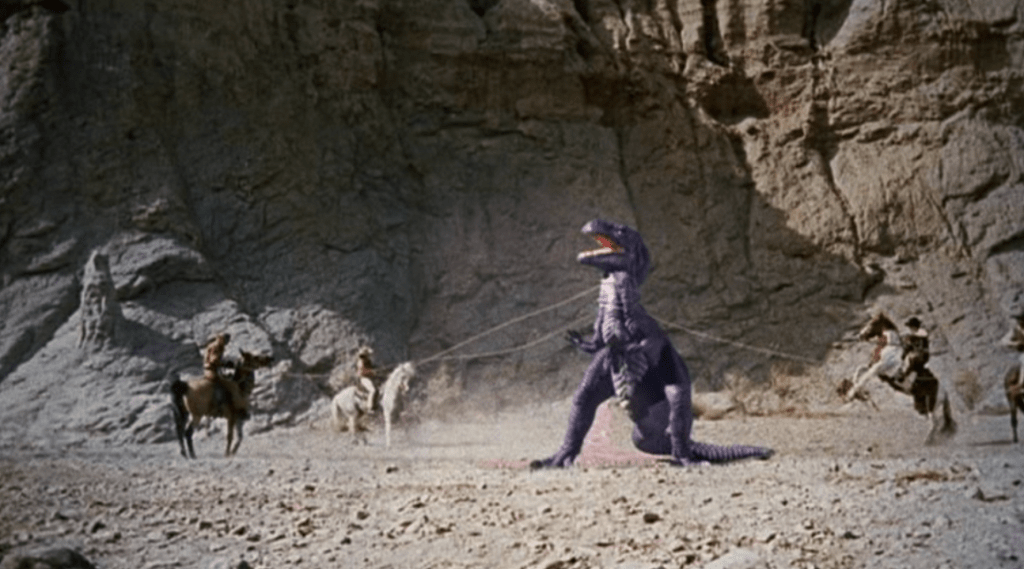
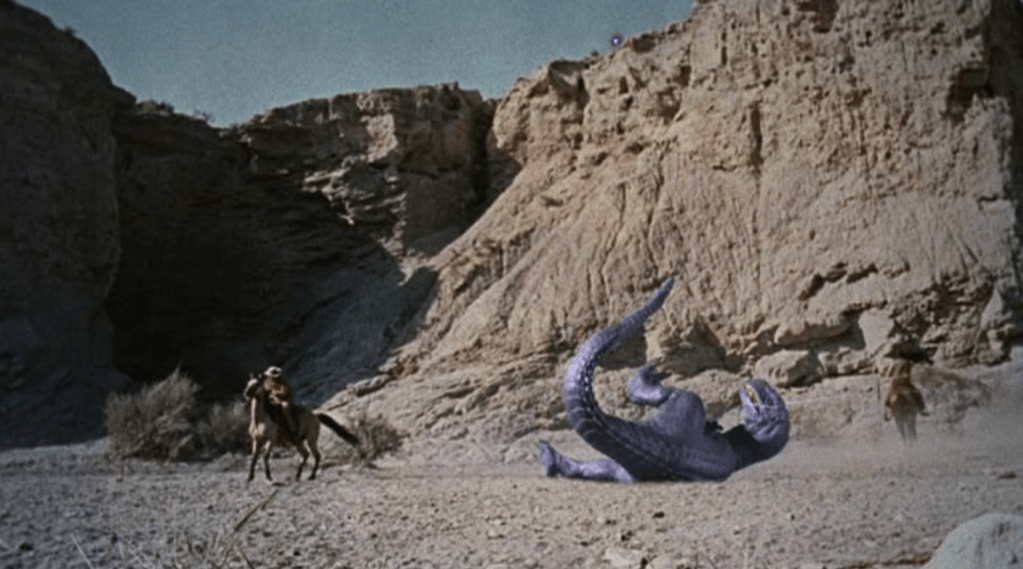
Above: two shots from the stupendously exciting roping sequence from GWANGI!

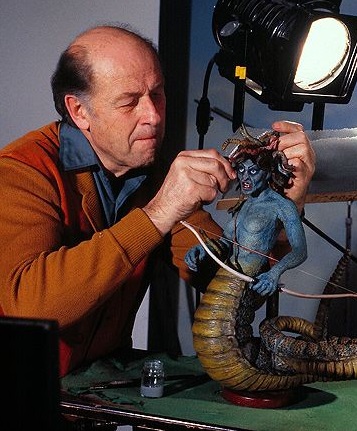
RAY: GWANGI had a lot of problems, and anything involving multiple heads has its problems – the Hydra, and Medusa; she had 12 snakes in her hair. When you start animating 12 snakes, keeping them moving all the time, plus the tails, plus Medusa herself shooting arrows from her bow and rattling her tail, it gets quite complicated to remember all the moves, whether the head is moving backwards or forwards – particularly if the phone rings!
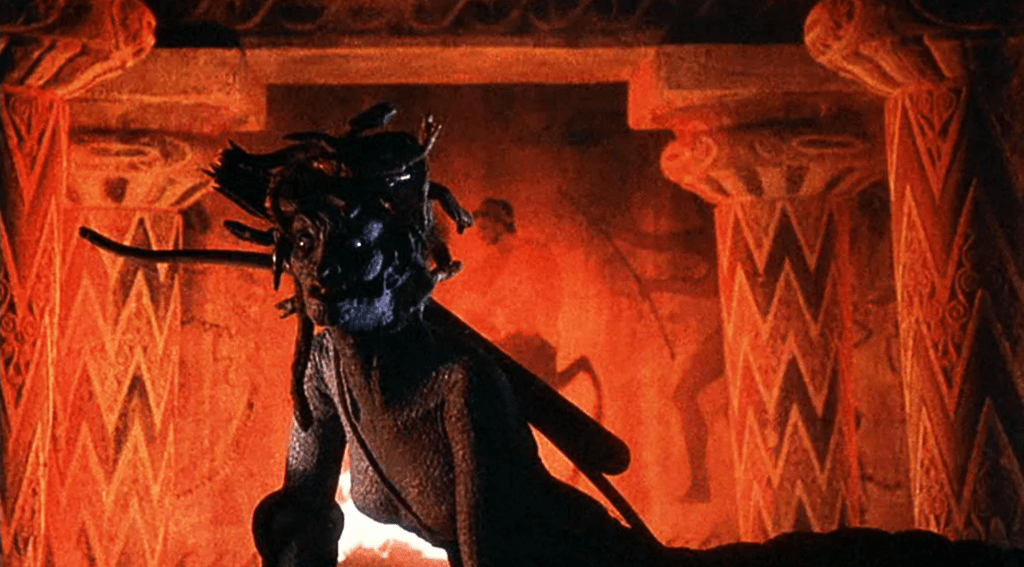
All of Ray’s hard work animating Medusa paid off as this is one of his all-time best set pieces!
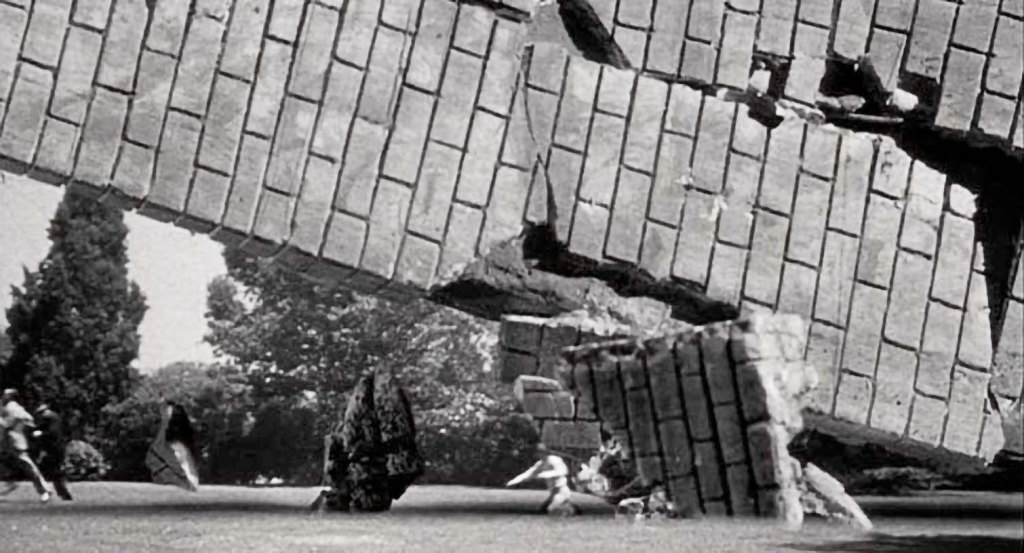
The Washington Monument collapses in EARTH VS. THE FLYING SAUCERS!

IMAG: It must’ve been headache-inducing to animate the buildings and famous landmarks getting wrecked in EARTH VS. THE FLYING SAUCERS (1956). You animated the falling bricks individually!
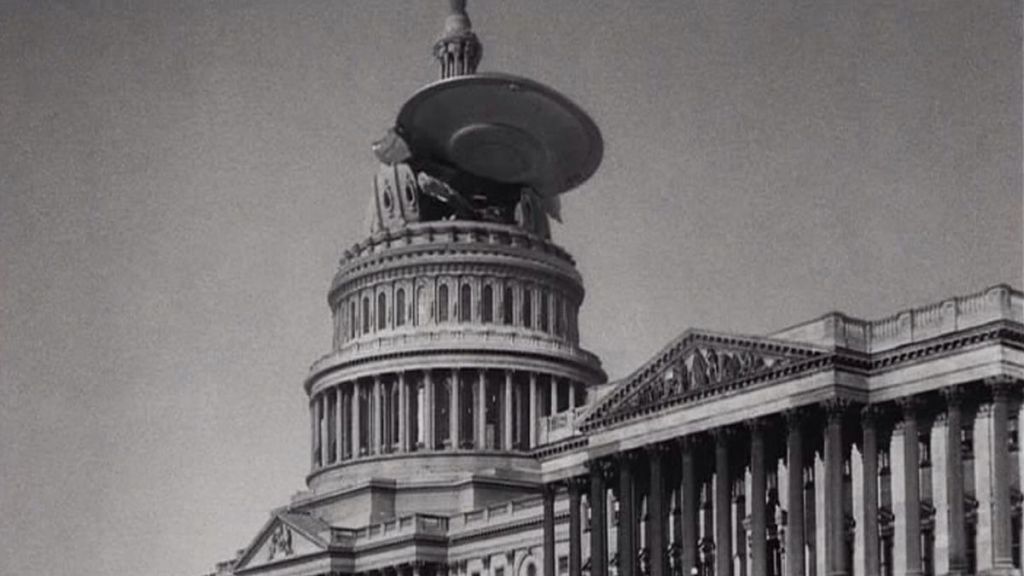
Ray had to animate the flying saucers AND all the falling rubble in EARTH VS. THE FLYING SAUCERS
Ray had to animate the spinning flying saucers AND all the falling rubble in EARTH VS. THE FLYING SAUCERS!

RAY: We did that simply because we couldn’t afford high speed photography. The budget was so low that we just couldn’t have the set-up where you have to have a couple of dozen people on a high speed camera. I wouldn’t do it again; it was an experience I went through but it never looked as convincing as high speed photography.
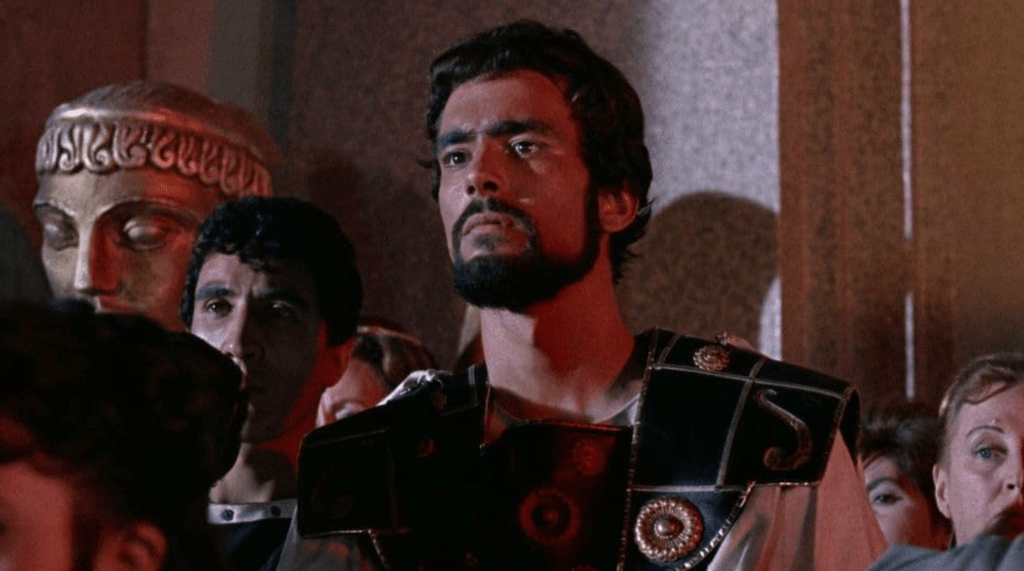
Todd Armstrong in JASON AND THE ARGONAUTS

IMAG: Whatever happened to Todd Armstrong?

RAY: I’ve no idea.

IMAG: The only other film that I’ve seen him in was the POW story, KING RAT.

RAY: I never saw him in that.

IMAG: He’s not a major character in KING RAT.
In JASON AND THE ARGONAUTS he had to be dubbed, right?
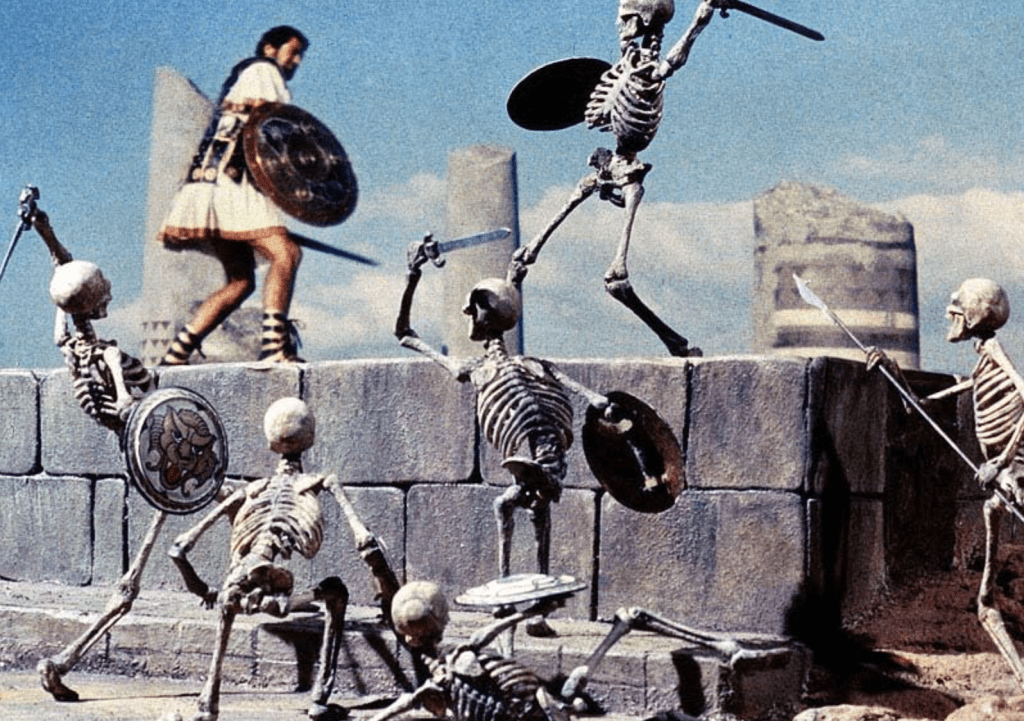
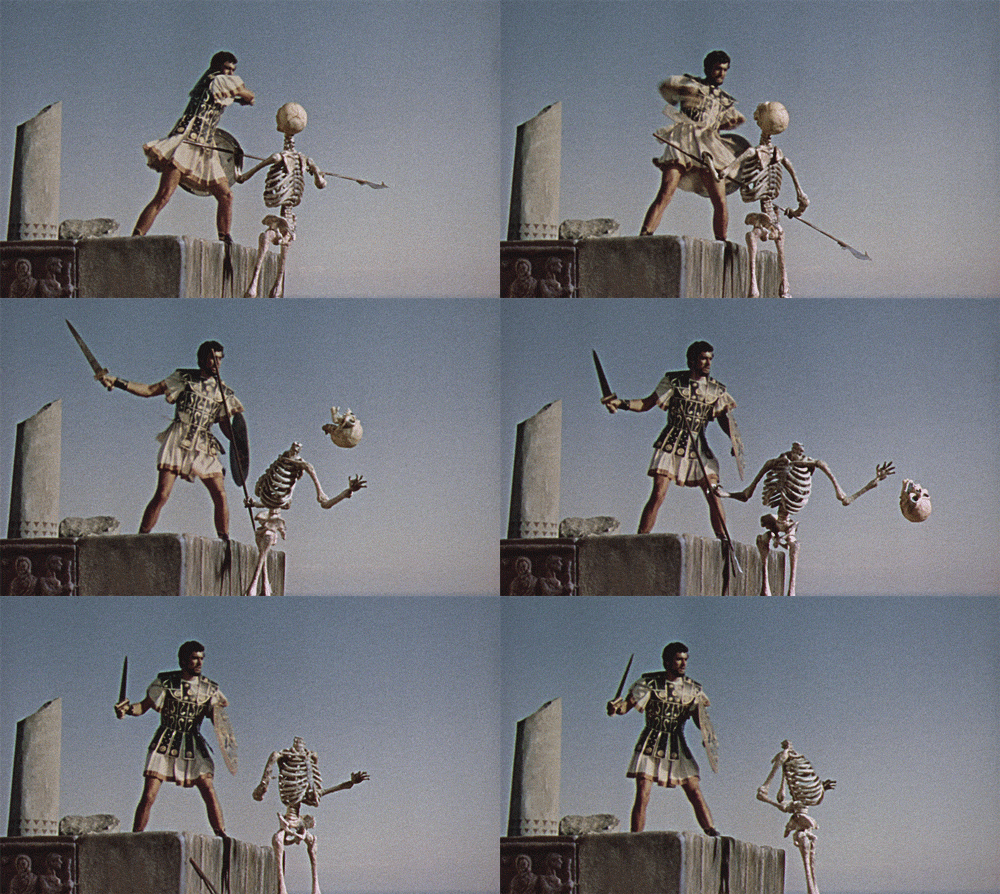
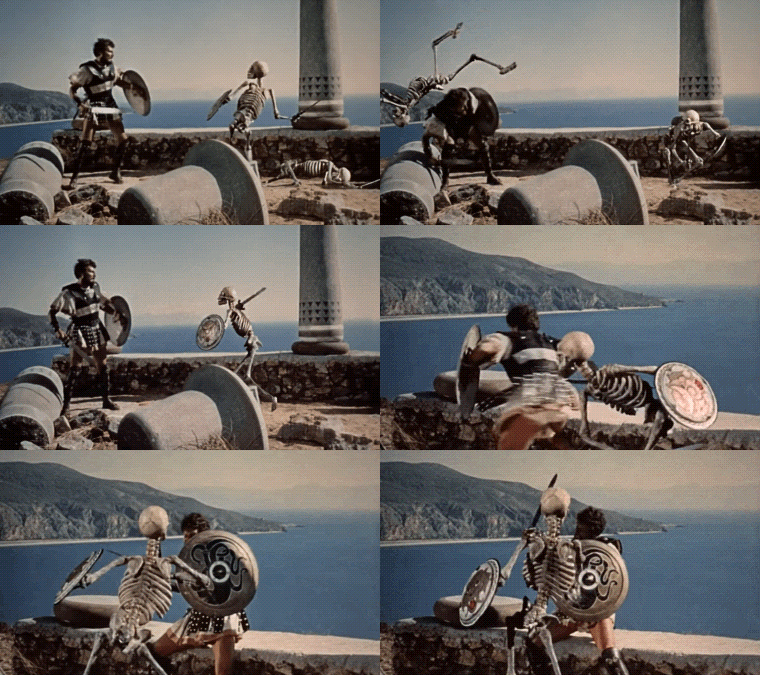
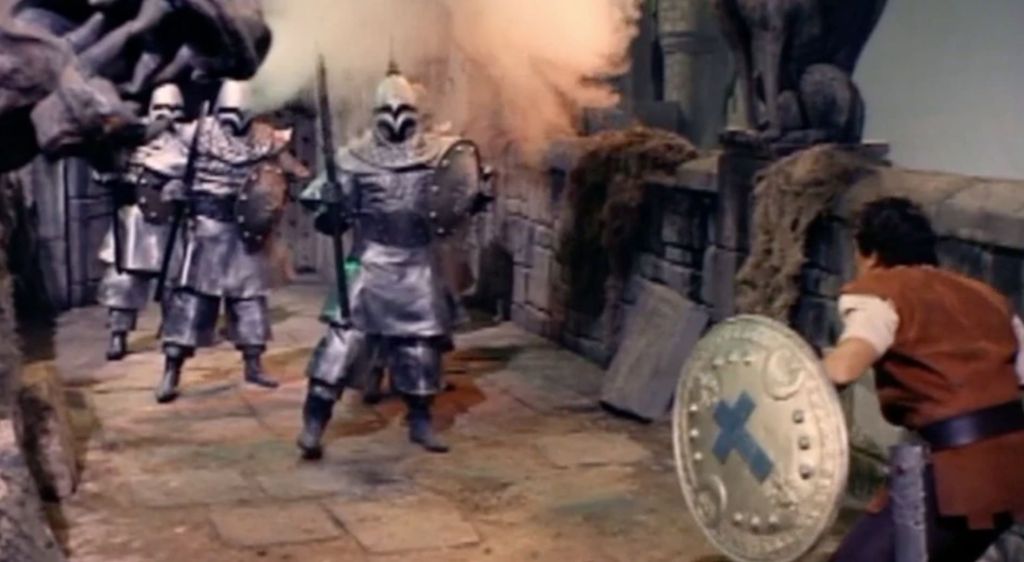
Todd Armstrong, as Jason, fighting the 'Children of the Hydra's Teeth'; skeleton warriors!
Todd Armstrong, as Jason, fighting the ‘Children of the Hydra’s Teeth’; skeleton warriors!

RAY: We had a lot of English actors that were all from the stage, and they had a certain type of accent. Todd had a good voice but he had a very strong American accent which collided when we put everything together. That was the reason he was dubbed; we had someone with a voice that sounded very much like him but without the strong American accent.

IMAG: That’s quite unusual as many producers went out of their way to make sure the lead character HAD an American accent.
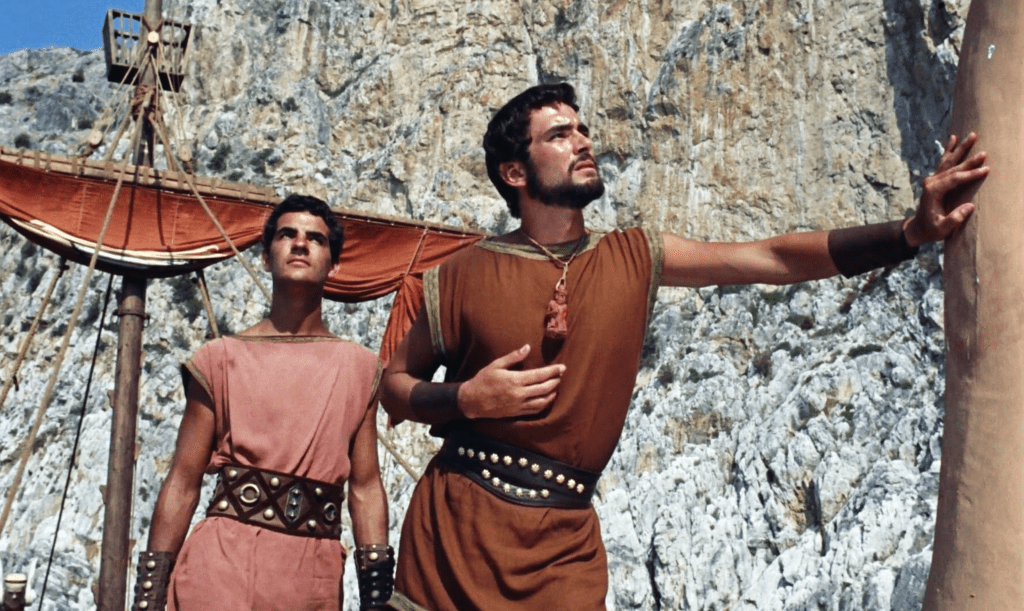
odd in a scene with Gary Raymond, who played the treacherous Acastus
Todd in a scene with Gary Raymond, who played the treacherous Acastus

RAY: I know. He was chosen because the head office felt that they wanted an American in it, you know. We had the same problem with CLASH OF THE TITANS. John Gielgud was up for the role of Ammon, the playwright, but the front office said we had to have more Americans in it or people will think it is a foreign film.

IMAG: Fortunately, Burgess Meredith was chosen. I quite like him in the role.
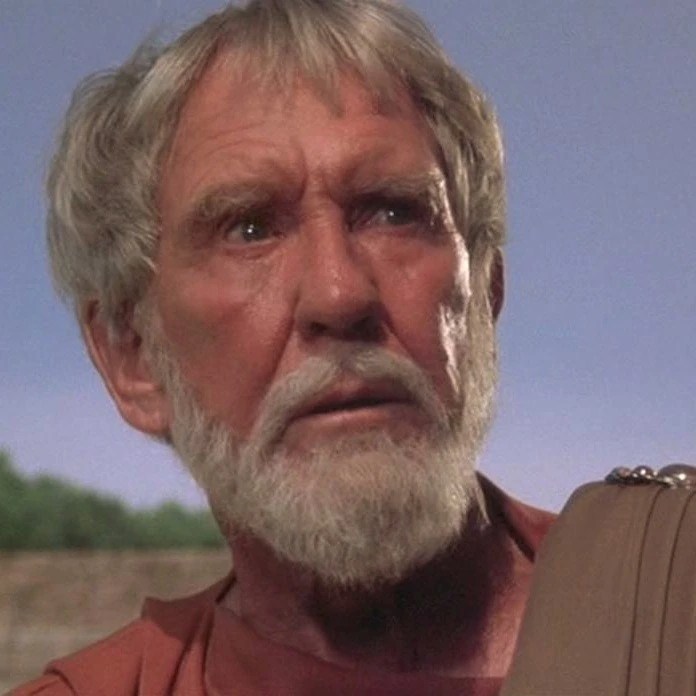
Burgess Meredith as Ammon

RAY: He did a good job. He was American and so, of course, was Harry Hamlin, who was quite unknown. Now he’s made a big name in LA LAW.
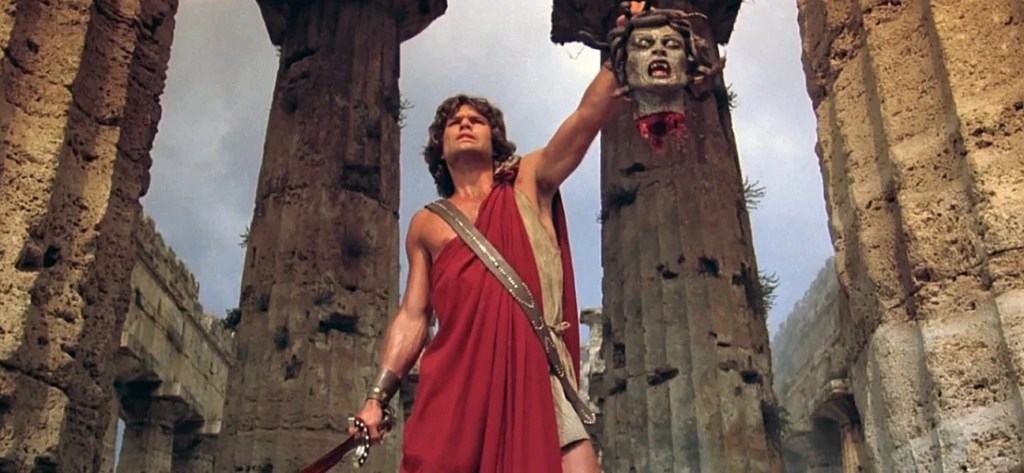
Harry Hamlin as Perseus, holding the severed head of Medusa
Harry Hamlin as Perseus, holding aloft the severed head of Medusa

IMAG: Who would you rate as the actor you were most impressed with?

RAY: Of course we were delighted to have Laurence Olivier play Zeus. Who else could play Zeus? This was after his prime but I thought he did a beautiful job.
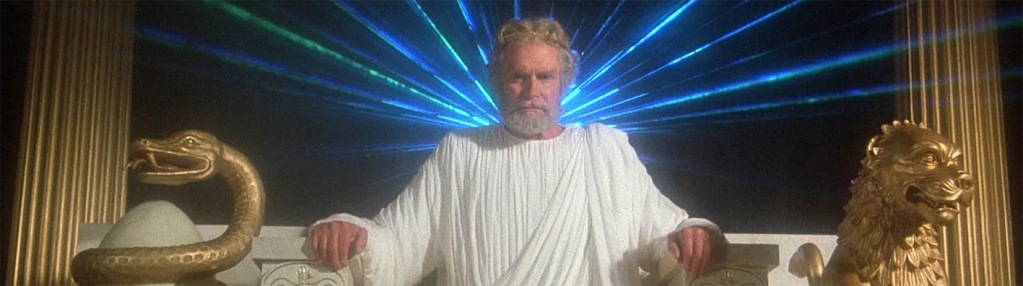
Laurence Olivier as Zeus

IMAG: I like his later films; MARATHON MAN and the 1979 version of DRACULA.

RAY: He was excellent in THE BOYS FROM BRAZIL, I thought. These films were made when he’d got to that stage in life when the critics like to tear you down because they built you up.
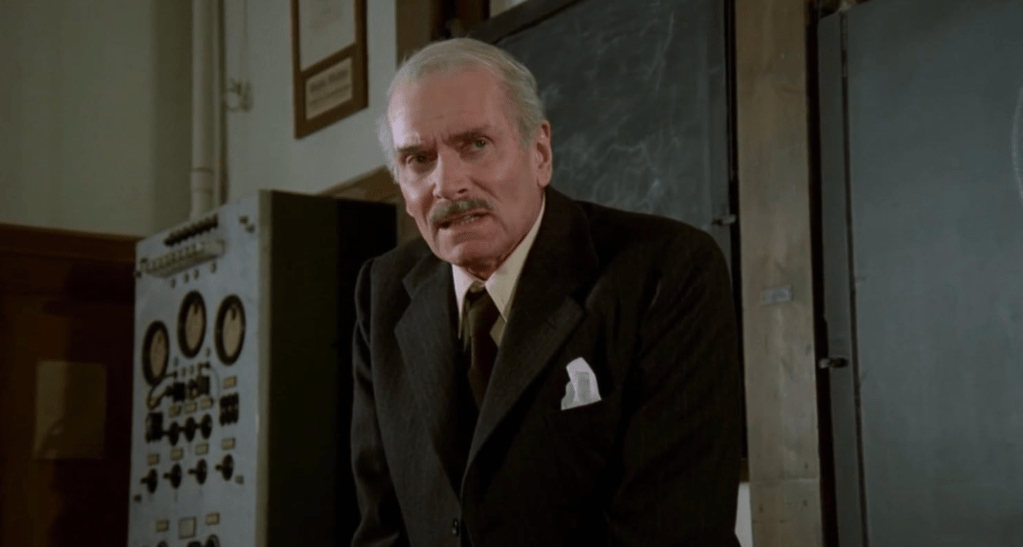
Laurence Olivier playing the character Ezra Lieberman in THE BOYS FROM BRAZIL

IMAG: I saw some storyboards from THE 7TH VOYAGE OF SINBAD that involved giant rats. Why didn’t the rodents feature in the film?

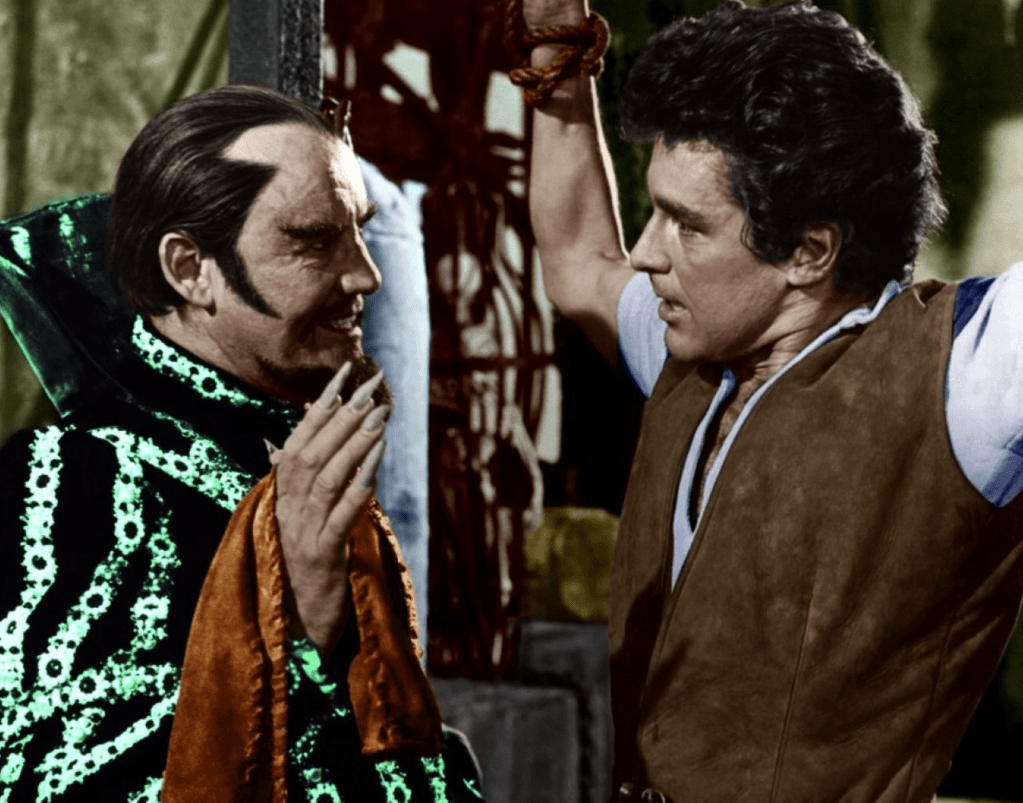
RAY: The whole sequence was dropped. I designed it then Charles Schneer and I talked it over and he felt that rats were too repulsive. At first we had wanted to make Torin Thatcher’s role much more diabolical by having him associate with big rats.
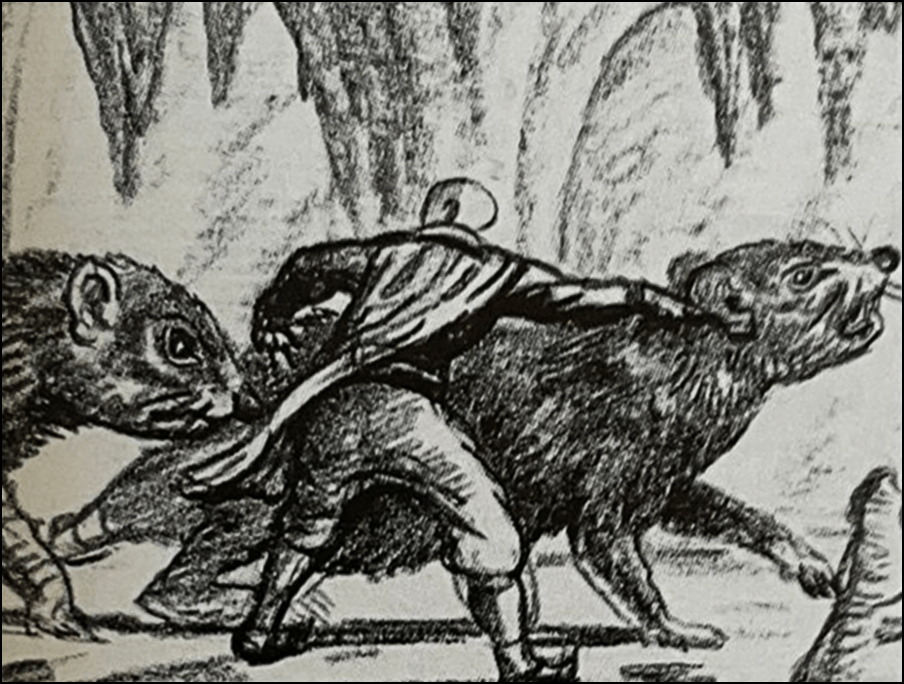
One of the storyboard panels for the giant rats sequence that was dropped

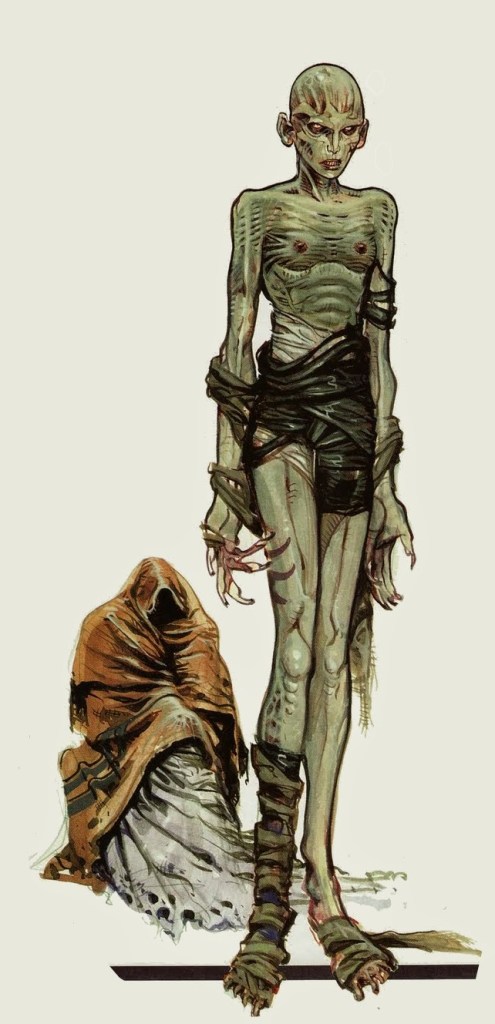
IMAG: Can you tell me anything about the unmade film SKIN AND BONES?

RAY: That was a film I wanted to do at one time based on a published story (by author Thorne Smith). It was a comedy, but we never got around to it; I made one drawing to illustrate how it could have been done. I think it would have made an amusing film.

IMAG: Would it have been a horror comedy?
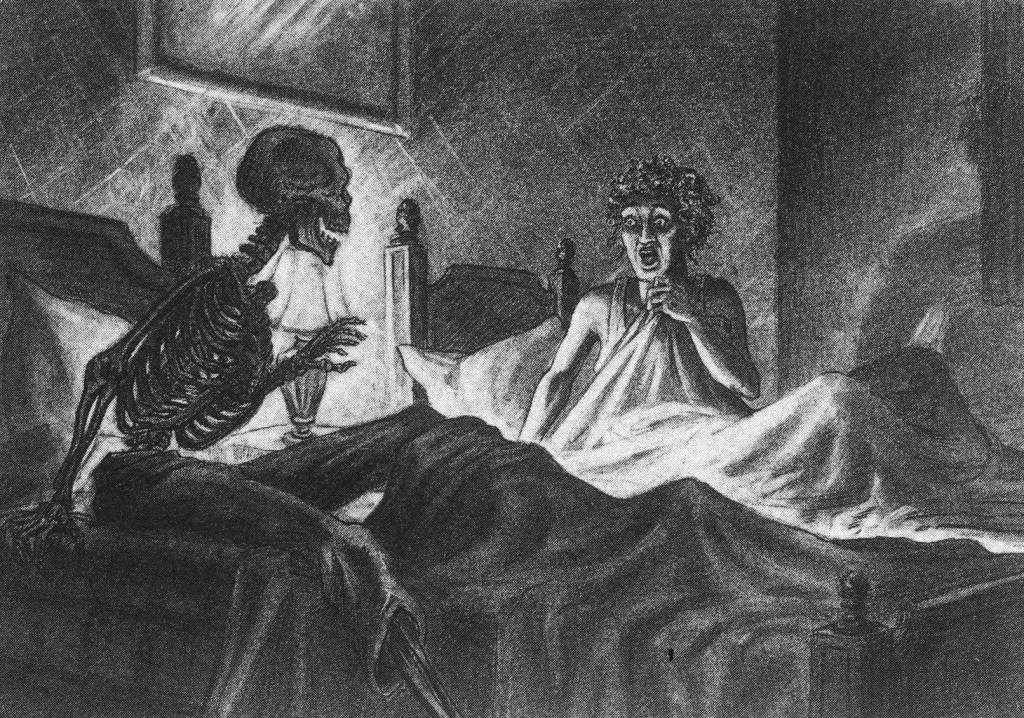
Ray's concept drawing for the unmade SKIN AND BONES
Ray’s concept drawing for the unmade SKIN AND BONES

RAY: No, it would have been like something from the TOPPER series. An amusing, ghoulish concept.

IMAG: How did the skeleton you drew for the conceptual drawing figure in the story?

RAY: He was a photographer who took a chemical that, every time he drank liquor, turned him into a skeleton. The story it was based on didn’t really have an important ending, we ran into a lot of script problems when we were trying to develop it, and so we abandoned it.
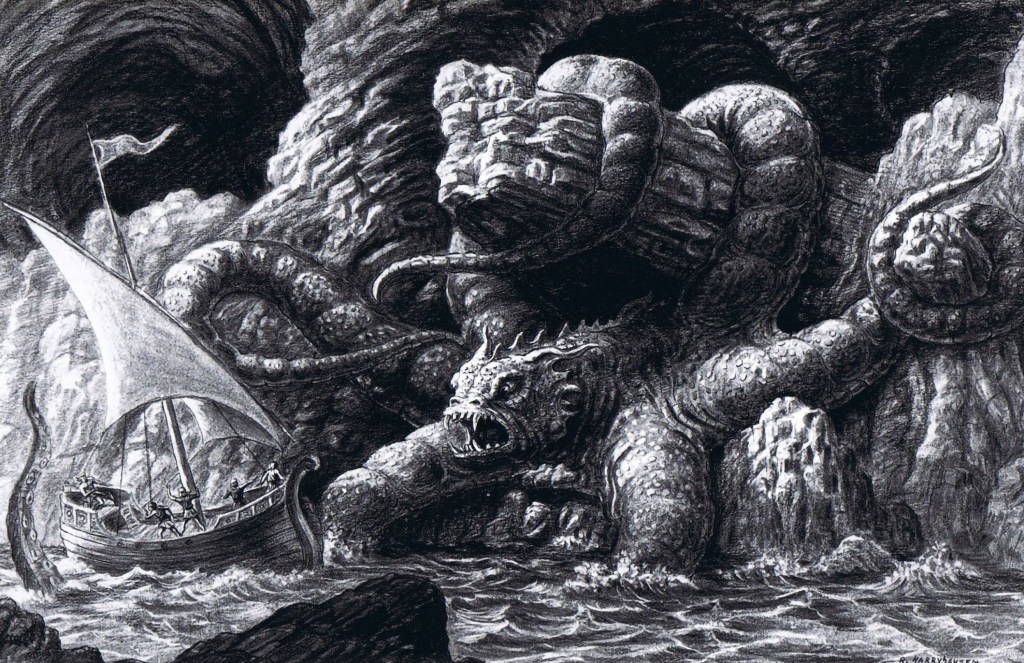
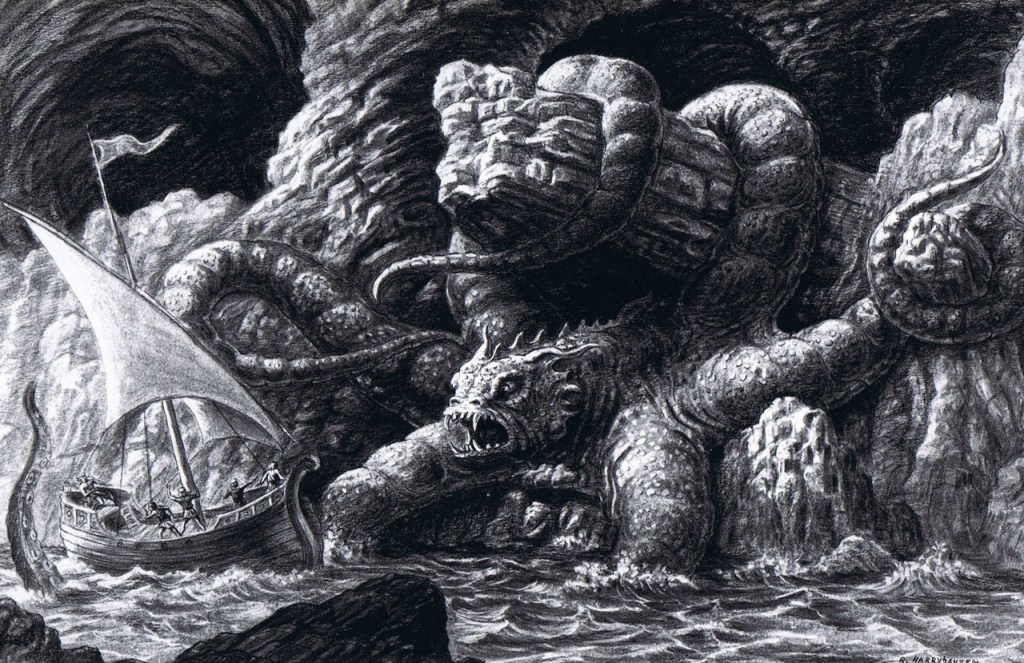
Ray's stunning concept art showing how the sea monster Charybdis would have looked in FORCE OF THE TROJANS
Ray’s stunning concept art showing how the sea monster Charybdis would have looked in FORCE OF THE TROJANS

IMAG: What was the proposed film FORCE OF THE TROJANS about?

RAY: That was to have come after CLASH OF THE TITANS. It was a story about the founding of Rome.

IMAG: Would it have been a costume period picture without mythical creatures?

RAY: It would have been similar to CLASH OF THE TITANS, with the Sphinx and many different creatures in it.
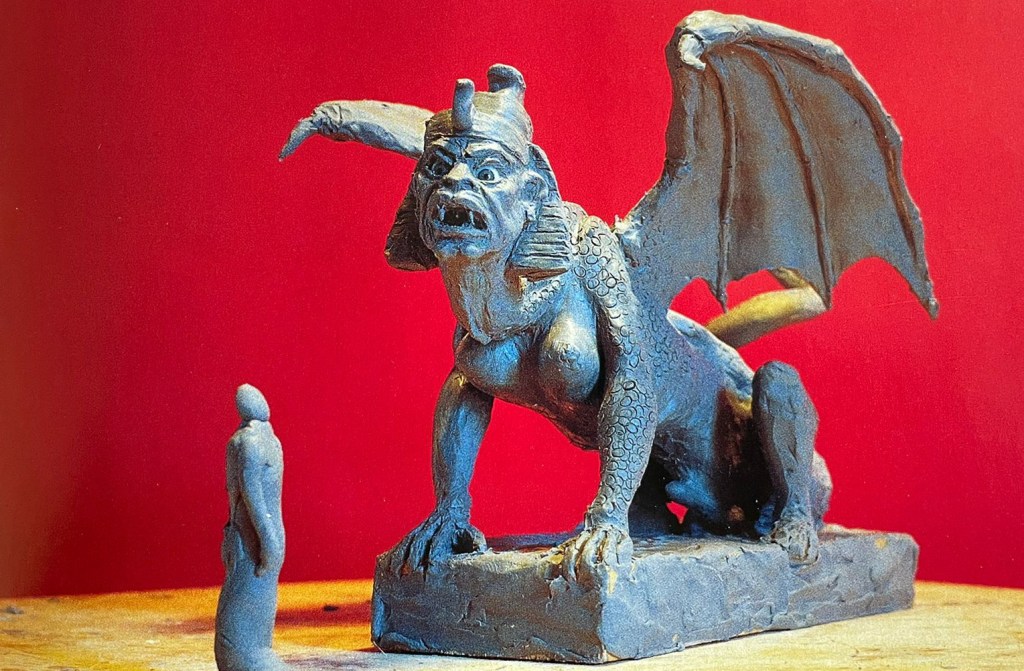
A clay model of the Sphinx created by Ray for the project FORCE OF THE TROJANS, a movie that never got made. What a shame!

IMAG: The Sphinx? So it had an Egyptian element in it.

RAY: Yes. We went to Egypt to find the locations.

IMAG: Egypt would’ve been a good setting for a fantasy film as it possesses many gods and creatures in its mythology.

RAY: We were also, when we were going to make a film called SINBAD GOES TO MARS, going to start the picture in Egypt.
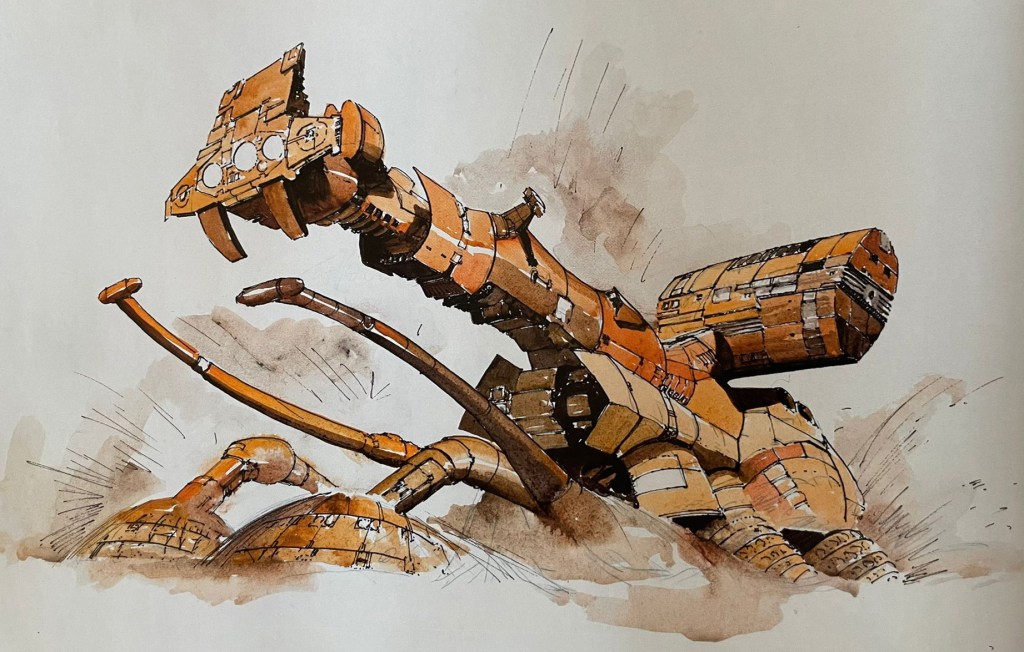
One of sci-fi artist Chris Foss’ spaceship concept drawings he did for the unmade film SINBAD GOES TO MARS

IMAG: Sounds like SINBAD GOES TO MARS would’ve tapped into that vein of heroic fantasy/science fiction that is typified by Edgar Rice Burroughs’ books of John Carter; fantasy set on another world. That kind of space opera/swashbuckling pulp story would’ve made a good film.

RAY: JOHN CARTER OF MARS kicked around Hollywood for years. We got it sent to us one time after we’d made 7TH VOYAGE and, for some reason, we didn’t pursue it – the story wasn’t strong enough I think.

IMAG: I’ve seen a photo of an animation model that was made based on one of the four-armed alien Tharks.

RAY: Oh yes. Several young fans have developed and made models based on their desire to do the picture.
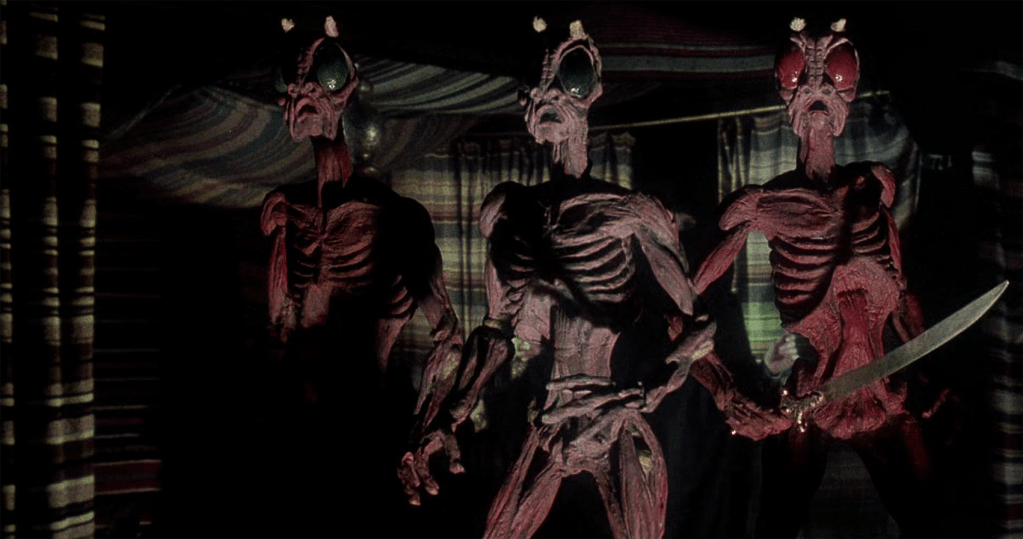
The horned, skeletal, bug-eyed zomboid ghouls from SINBAD AND THE EYE OF THE TIGER

IMAG: Though not a horror filmmaker, you do have dark elements in some of your films; you had the Gorgon being beheaded with goo flowing from her neck in CLASH, zomboid ghouls in EYE OF THE TIGER, and people eaten by dinosaurs in various films. Did you have some form of self-censorship as to how far you would go?
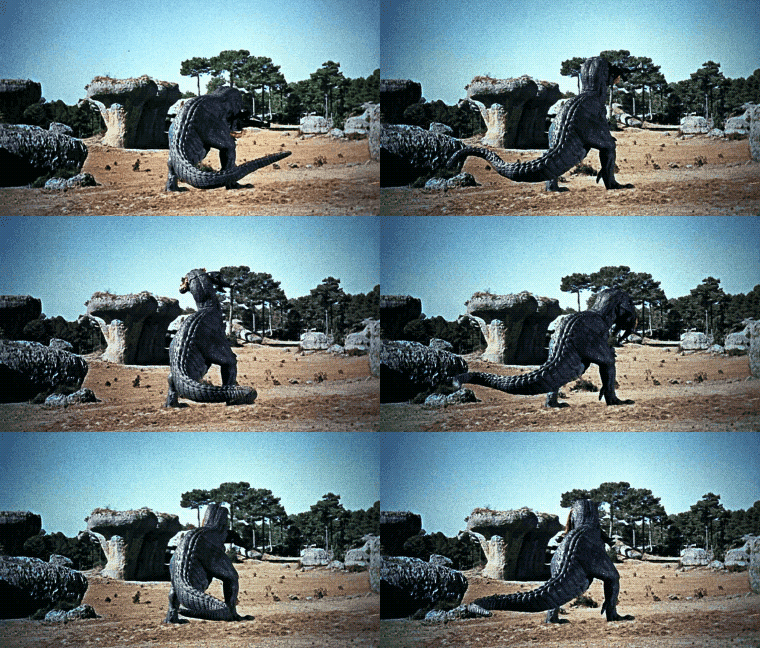
A cowboy gets chewed in THE VALLEY OF GWANGI!

RAY: Yes, because we didn’t want to alienate children. Young people were our biggest audience. When 7TH VOYAGE originally came out in Britain they cut out the whole skeleton sequence because the skeleton was too frightening for children. We thought we’d have seven Xs when we made JASON! They didn’t seem to mind if it was daylight (the skeleton scene in JASON is in daylight whilst the duel in 7TH VOYAGE is set in a dark cavern – Ed.) When I saw the print (of 7TH VOYAGE) here in London the whole sequence was cut out; there was just a big hole there!
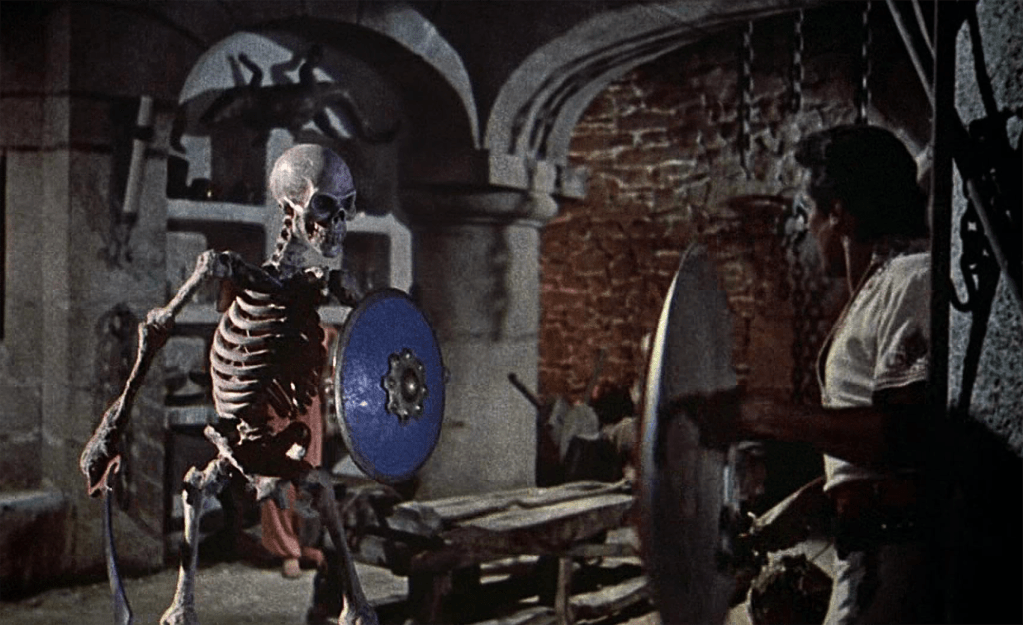
The superb, sinister skeleton from THE 7TH VOYAGE OF SINBAD!

IMAG: In modern films they aren’t afraid to show gore in close-up.

RAY: We tried to have a minimum of blood because we were making fantasy films, not blood and gore films. You’ve got to have a certain amount of blood because, if you didn’t when somebody gets eaten, why they would just look the same as before they’d been eaten! We’d jab spears into Cyclops and dinosaurs, but it’s a different thing to showing severed arms, people’s guts coming out, and axes embedded in people’s heads; that’s a different story.
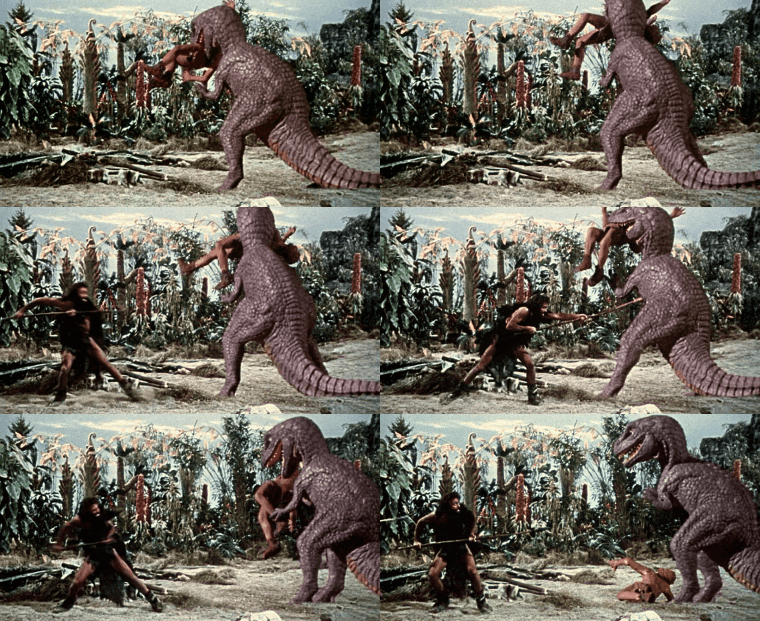
A caveman gets munched on by an Allosaurus in ONE MILLION YEARS B.C!
A caveman gets munched by the Allosaurus in ONE MILLION YEARS B.C!

IMAG: Have you seen the ALIEN movies and THE THING; types of movies that use animatronic effects?

RAY: Yes.

IMAG: If you were making a film now, would you be tempted to use animatronic FX with model animation?

RAY: It depends on the story you are telling.

IMAG: You did mix makeup effects with stop-motion animation for the Calibos character in CLASH OF THE TITANS.

RAY: We had to. Originally Calibos was supposed to be a dumb mute and then, when we re-wrote the story, we had to include dialogue and I couldn’t see myself spending weeks and weeks and weeks trying to form the alphabet with an animated model, so we decided to take the easy way out and have an actor play the close-ups.
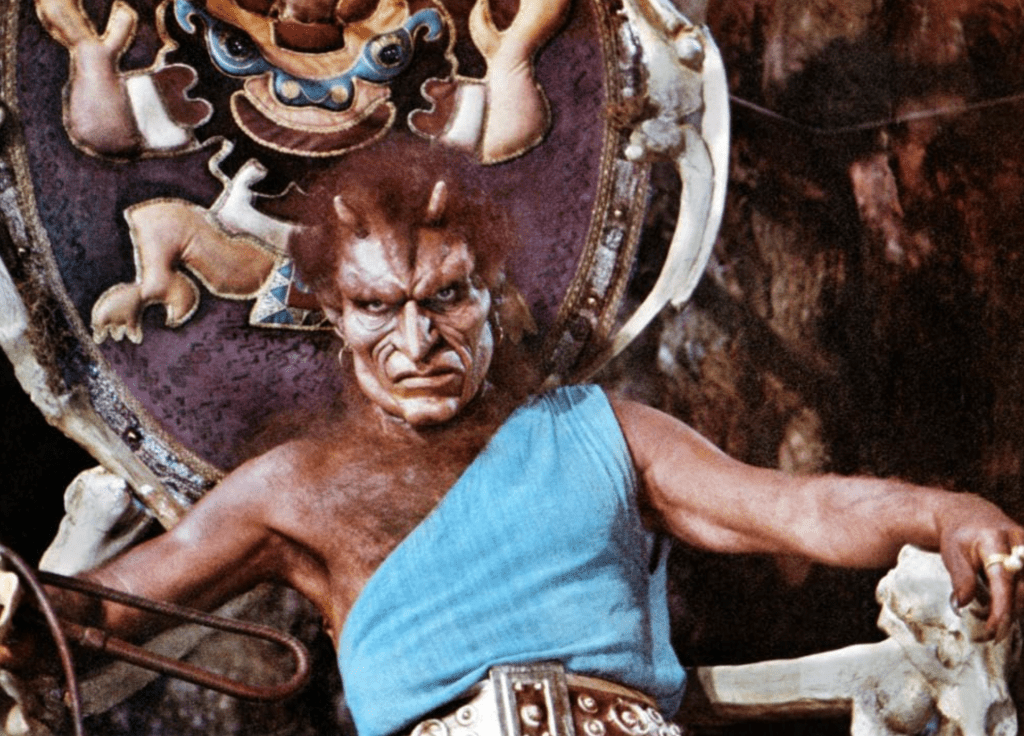
Neil McCarthy played Calibos in prosthetic makeup for the close-up dialogue shots in CLASH OF THE TITANS

IMAG: But what of animatronics? As an example; if you were to do another dinosaur film, would you consider using an animatronic head for close-ups?

RAY: Well, we did for THE ANIMAL WORLD and it always looked like what it was; a mechanical thing.
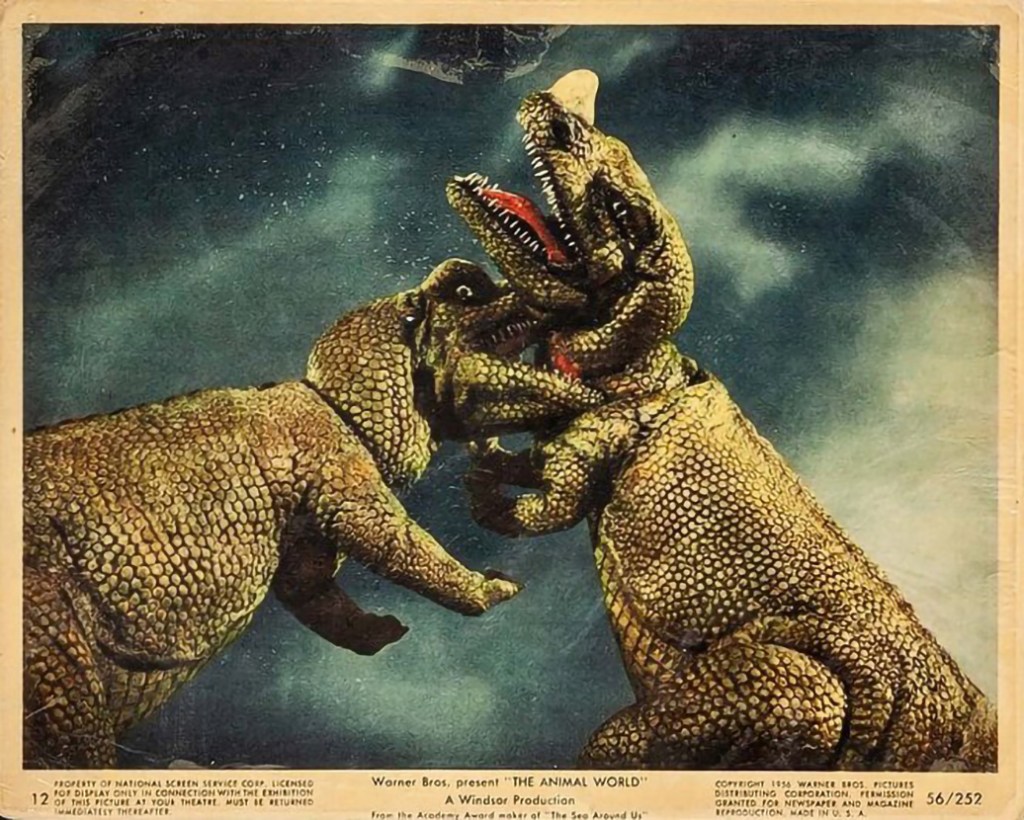
Lobby card for THE ANIMAL WORLD, showing two of the mechanical dinosaur models

IMAG: THE ANIMAL WORLD is hard to get to see.

RAY: It was shown years ago. It was a documentary like the Disney true life adventure films, only it was much more gory.

IMAG: A lot of your black and white SF films are hard to find.

RAY: I don’t think that they’re available on video over here – you can get them on 16mm. Nobody pushes these old films unfortunately. The only way they get exposure is on television.

IMAG: Yes, but what irritates me with TV is the companies’ lack of imagination. When the BBC shows a season of ’50s SF films, for instance, they ALWAYS televise the same films; FORBIDDEN PLANET, THE DAY THE EARTH STOOD STILL, THIS ISLAND EARTH, and so on. I really wish they’d show your earlier stuff, like 20 MILLION MILES TO EARTH, more often on television, plus other less-televised ’50s products like AIP’s SF exploiters.
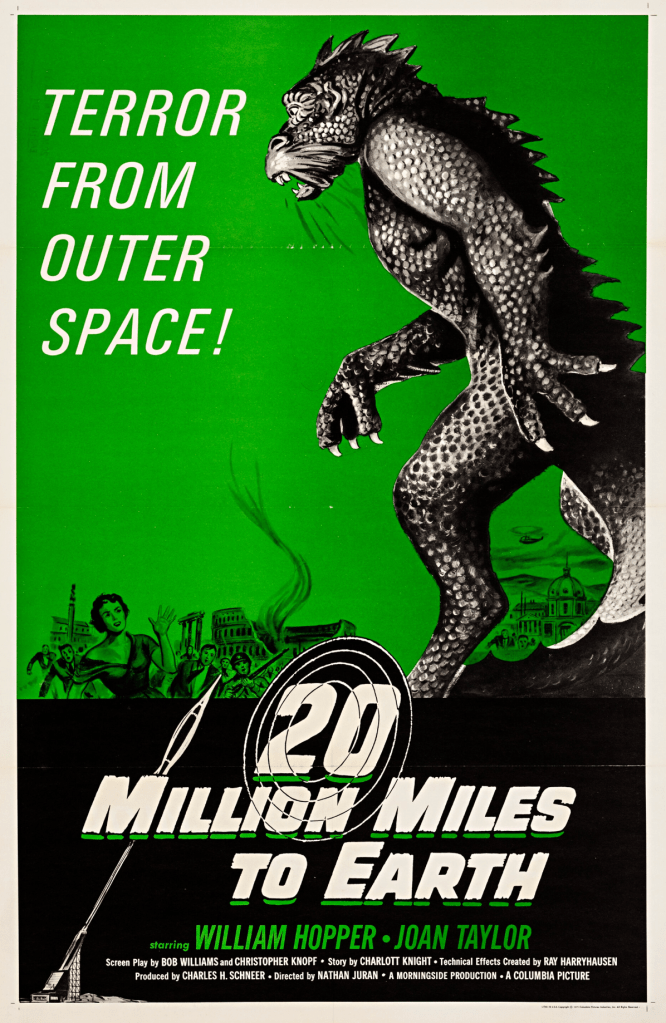
One sheet poster for 20 MILLION MILES TO EARTH

RAY: There are also a lot of wonderful things made back in the silent days that could be shown.

IMAG: Yes, films such as O’Brien’s THE LOST WORLD.
Talking of Willis O’Brien, his KING KONG is THE film that captured your imagination as a child. Well, I wouldn’t be editing this magazine today if it wasn’t for the fact that I saw ONE MILLION YEARS B.C. when I was a very young, dinosaur-obsessed child. It really drew me into its prehistoric world. The location photography was really impressive; was it an arduous shoot?
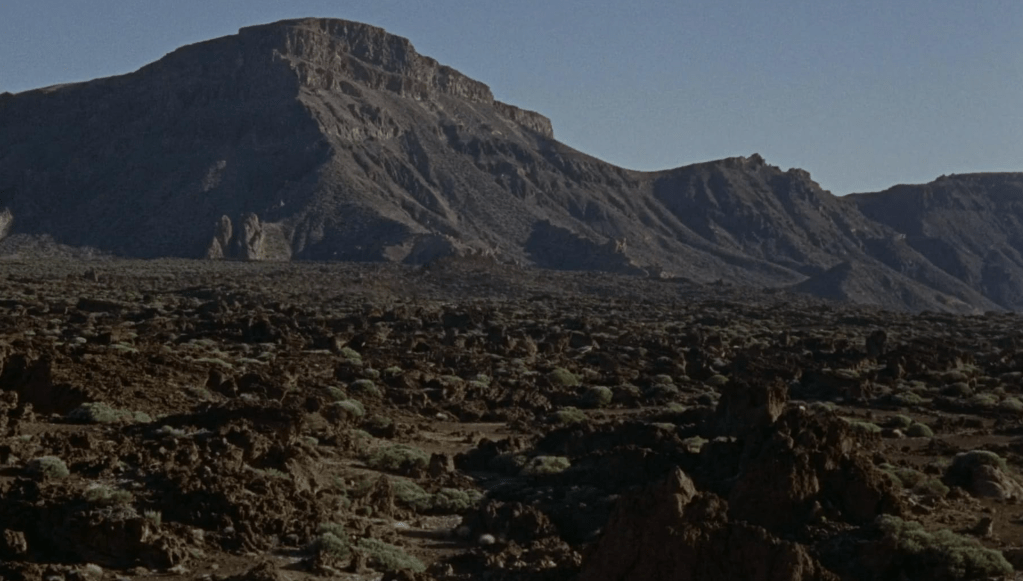
ONE MILLION YEARS B.C. boasted lots of fine rugged scenery

RAY: No, we went to the island of Lanzarote in the Canary Islands for the shots and Las Palmas as well. We had a very nice hotel there. There was only one then, but now there are many hotels there.
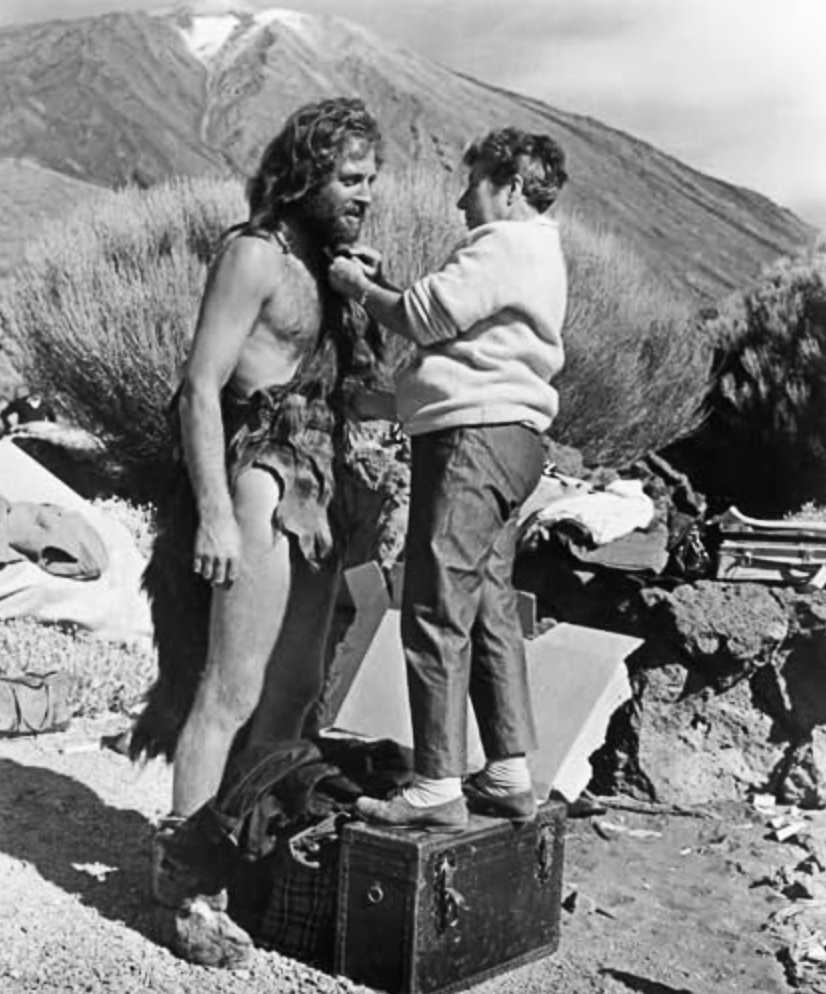
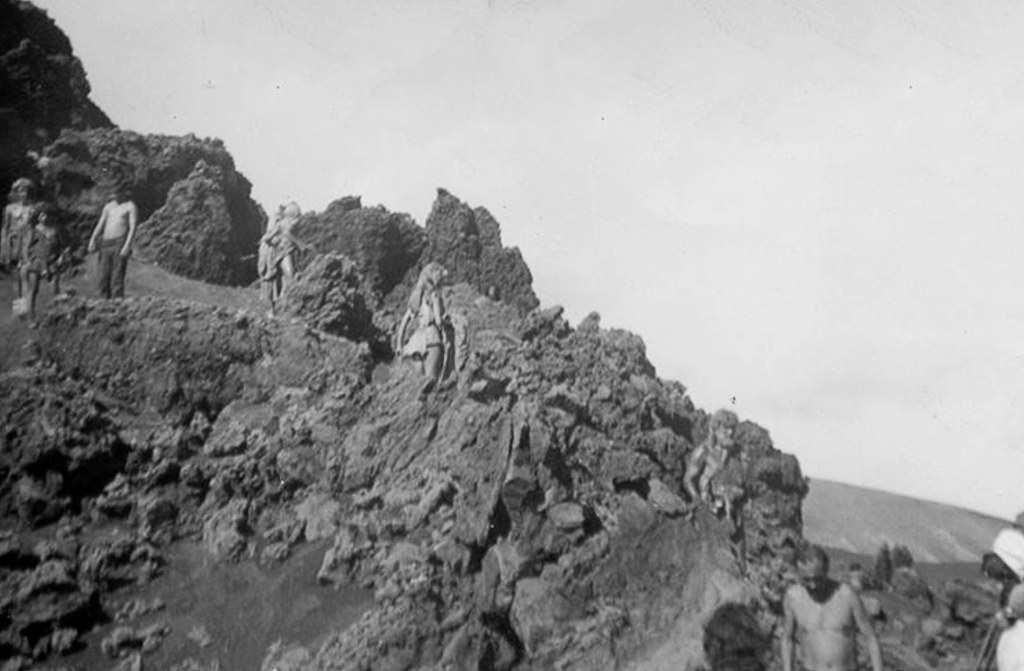
John Richardson with costume designer Ivy Baker on location during the filming of ONE MILLION YEARS B.C.
A behind the scenes shot of the filming on Lanzarote

IMAG: Mario Nascimbene’s music utilises apt, primitive-sounding sound effects, and Loana’s theme is quite haunting.

RAY: Yes, it’s used when she’s carried away by the pterodactyl.
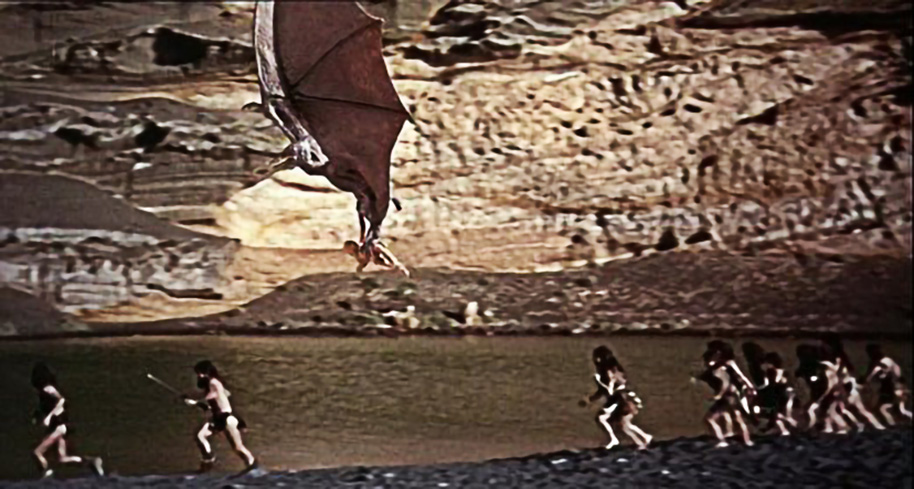
The Pteranodon flies off with Loana

IMAG: The story didn’t need dialogue, it was pure cinema, really; visuals and music.

RAY: Harold Pinter wouldn’t have written it that way (laughs).

IMAG: Were you ever irritated by people who took easy potshots at the movie because there were women in fur bikinis and no dialogue?
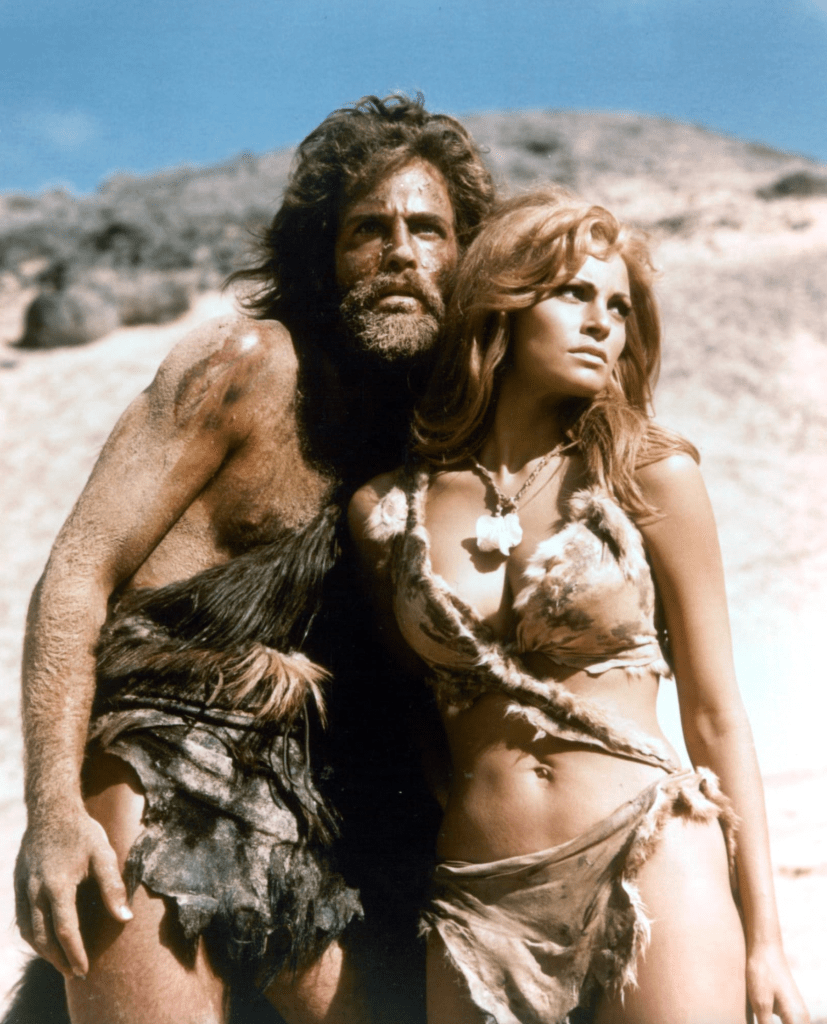
John Richardson and Raquel Welch were a very good looking prehistoric couple!

RAY: I was irritated by the critics because many of them expected something else; a girly show, and we didn’t approach it from that point of view. We wanted to try to capture that period. It doesn’t mean the critics are right just because they give an opinion. There are certain critics who just seem to say that everything stinks.

IMAG: Raquel Welch became a real ’60s icon after that film.
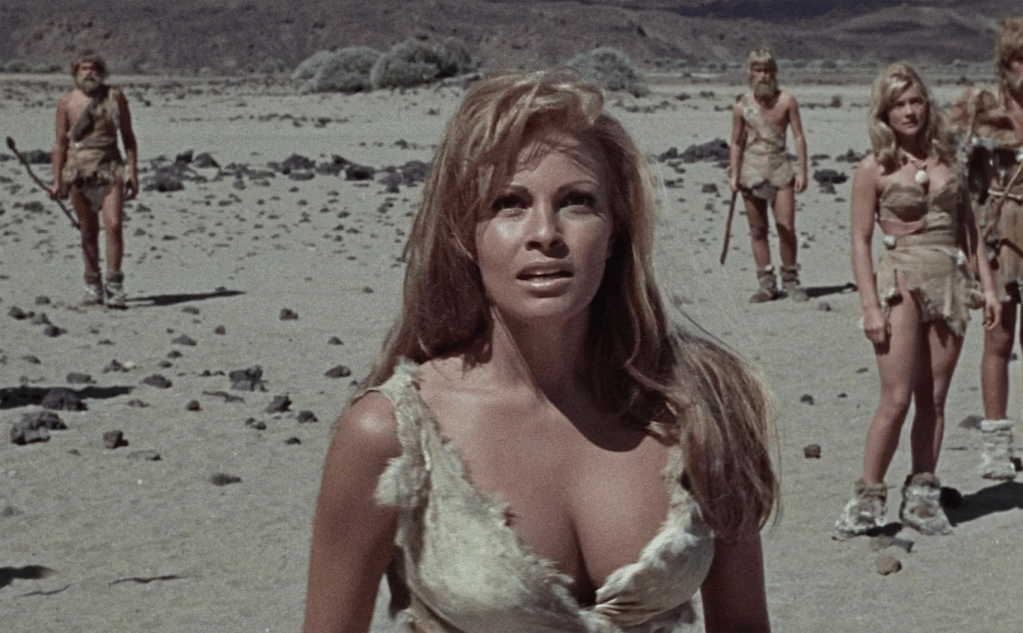
Raquel Welch as the lovely Loana

RAY: ONE MILLION YEARS B.C. helped put her on the map.

IMAG: When I was young I saw the film again when it was re-released in a double bill with Hammer’s SHE (1965). I feel quite sorry for actor John Richardson as he was in both films but was overshadowed by the striking leading ladies.
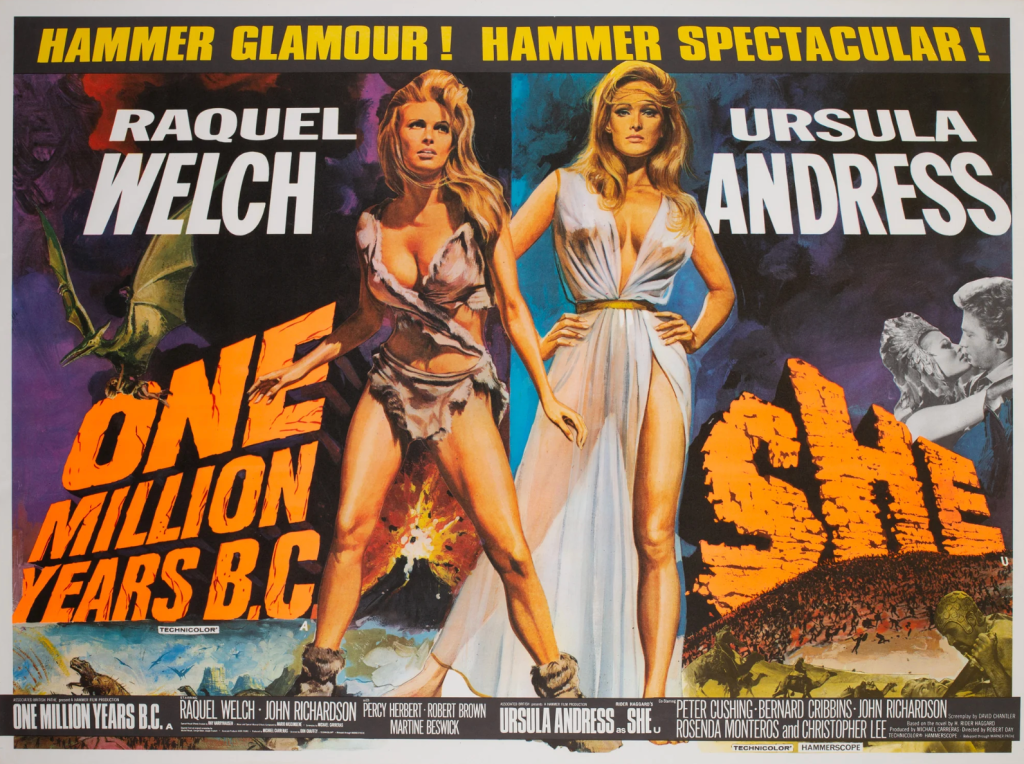
I saw this double bill in the cinema - and I own the poster!
I saw this double bill in the cinema – and I own the poster!

RAY: I thought he did a good job in ONE MILLION YEARS B.C. but he never got recognised for some reason. I thought he was very competent in that film.

IMAG: I think that it was due to the fact that in films like BLACK SUNDAY, ONE MILLION YEARS B.C. and SHE he was always playing second fiddle to the impactful female characters in the movies.
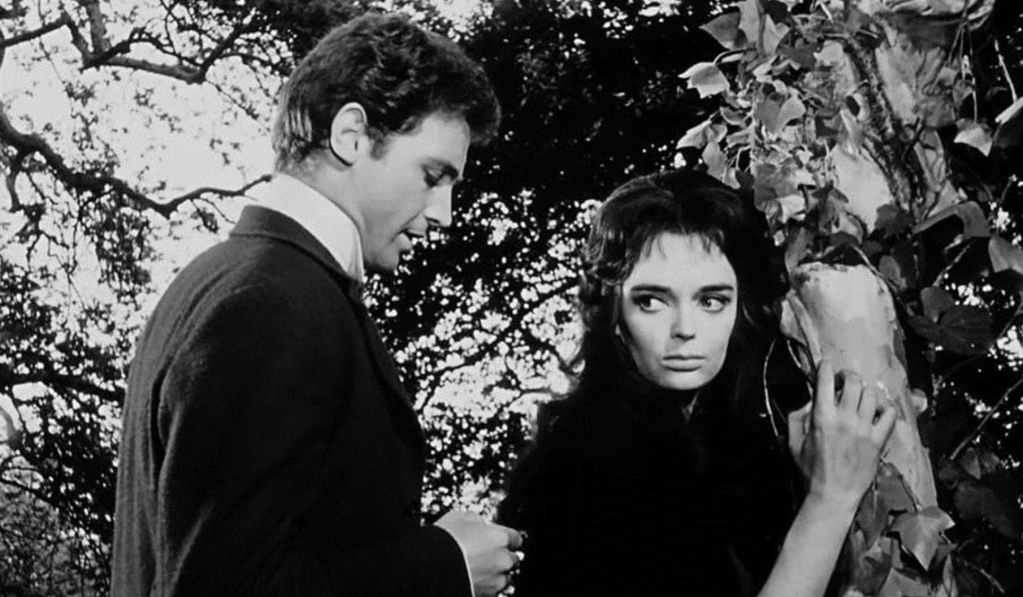
John Richardson with Barbara Steele in BLACK SUNDAY 
John Richardson with Barbara Steele in BLACK SUNDAY (1960) 

RAY: They were well-publicised leading ladies.
Did you ever see the SHE (1935) made by Merian C. Cooper after KONG? That’s the definitive SHE; it was a really magnificent film.
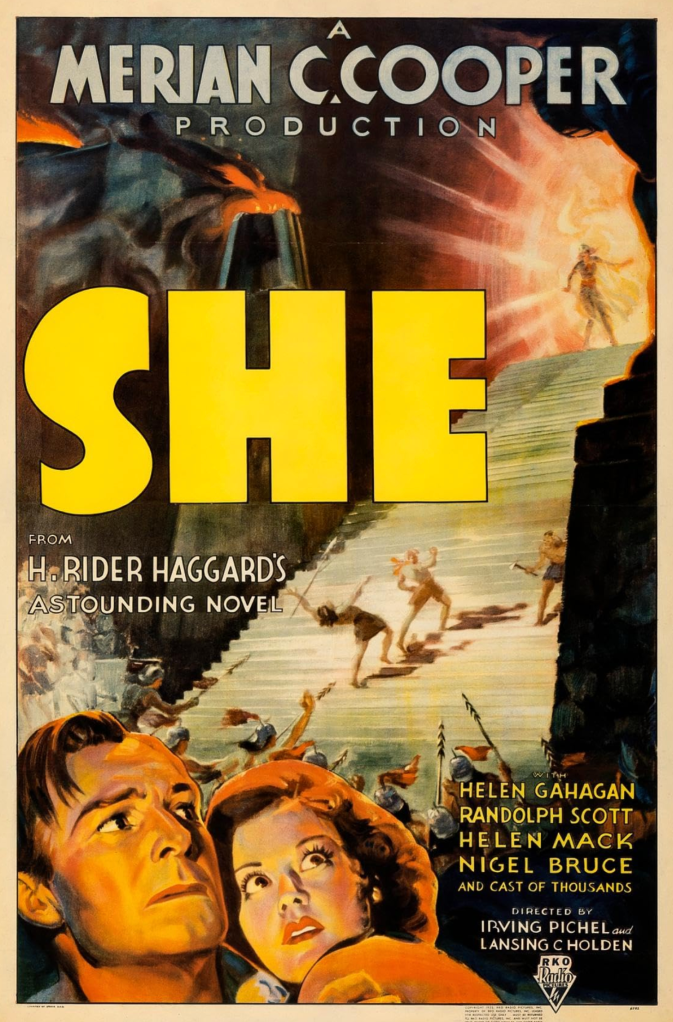
One sheet poster for RKO's original version of SHE
One sheet poster for RKO’s original version of SHE

IMAG: Isn’t there a frozen saber-toothed tiger in it?

RAY: Yes, they went to the North Pole – they changed the locale. It was much more imaginative, with a sensational dance in the Hall Of Kings that doesn’t compare with the remake. They (Hammer) made SHE into a sex idol when that wasn’t the point of the story at all.
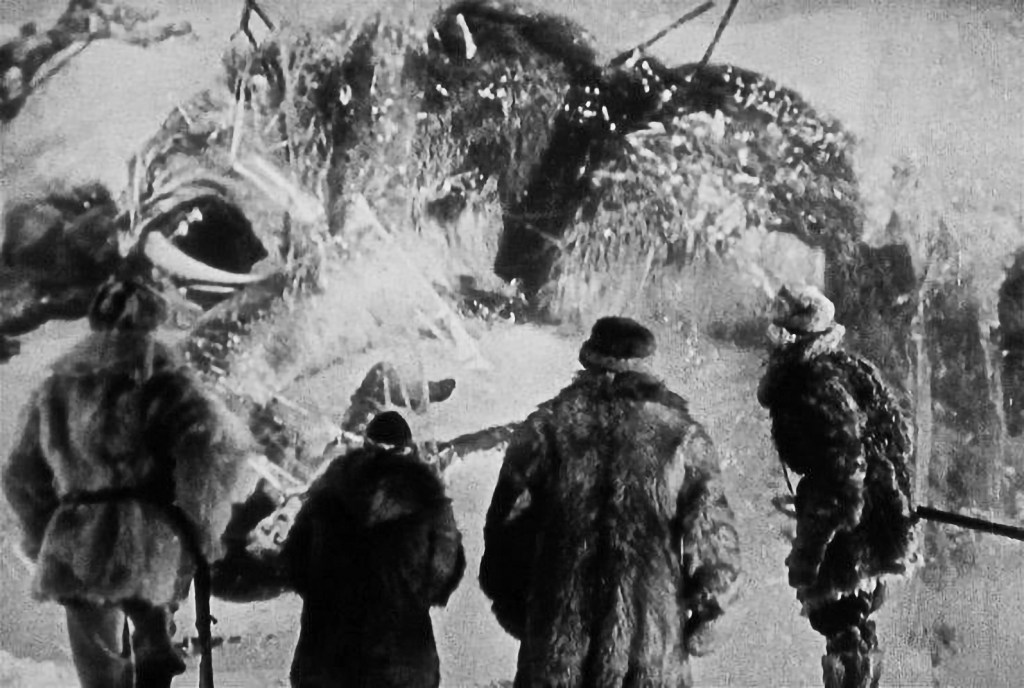
The sabre-toothed tiger found frozen in ice in SHE (1935)

IMAG: A bit of glamour doesn’t harm a film. Raquel was a selling point for ONE MILLION YEARS B.C. Would you have preferred a less glamorous approach?

RAY: They made one in Europe called QUEST FOR FIRE (1981). It only works for a limited audience; who wants to go see grotesque-looking people lusting in the dusk? Raquel Welch was chosen because she’s very good to look at. The sexual overtones were all implied rather than shown. The sequel, WHEN DINOSAURS RULED THE EARTH, didn’t have the same feel as ONE MILLION YEARS BC, the whole approach was different. We tried to capture a naive quality.
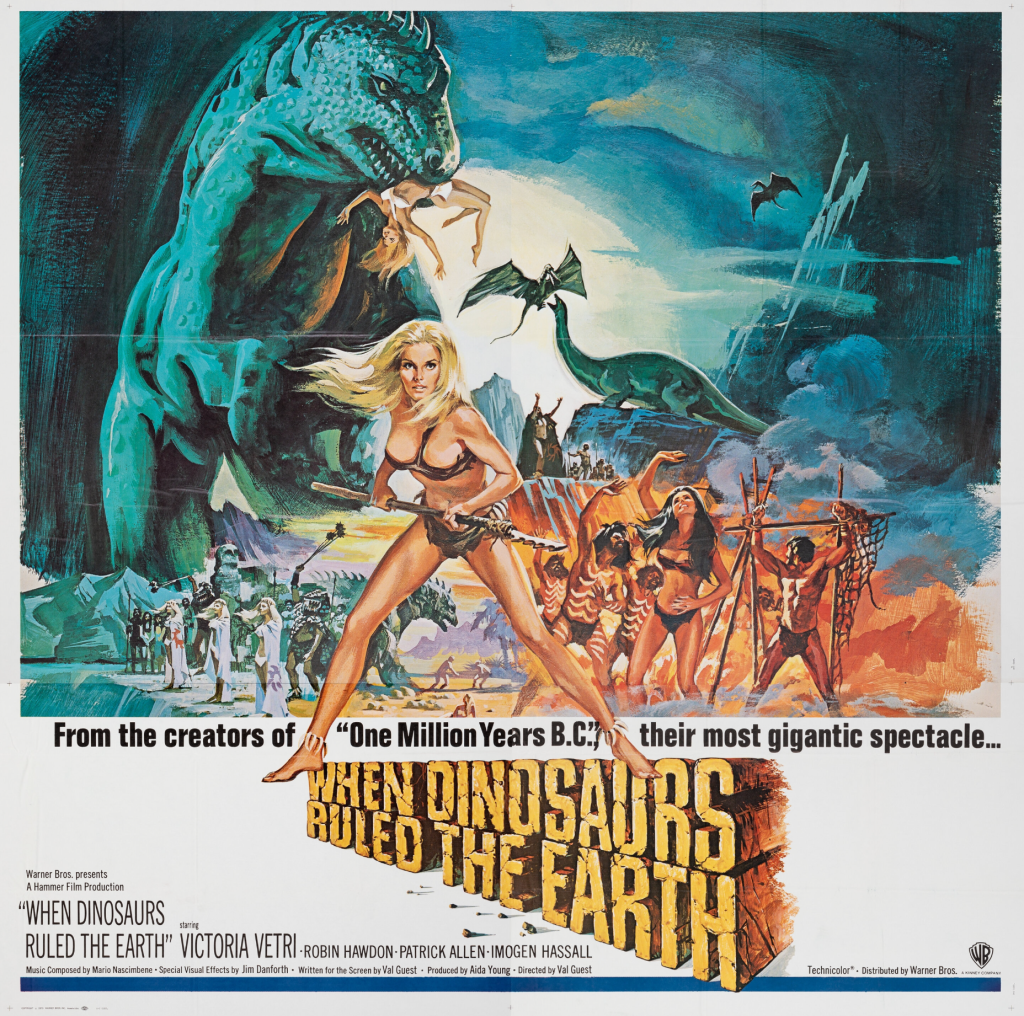
Six sheet poster for WHEN DINOSAURS RULED THE EARTH, the Hammer follow-up to ONE MILLION YEARS B.C.

IMAG: I do like WHEN DINOSAURS RULED THE EARTH, it’s just that it has a different, slightly more explicit atmosphere to it. You were unable to do that film because you were working on THE VALLEY OF GWANGI. What do you think, in general, of WHEN DINOSAURS RULED THE EARTH?
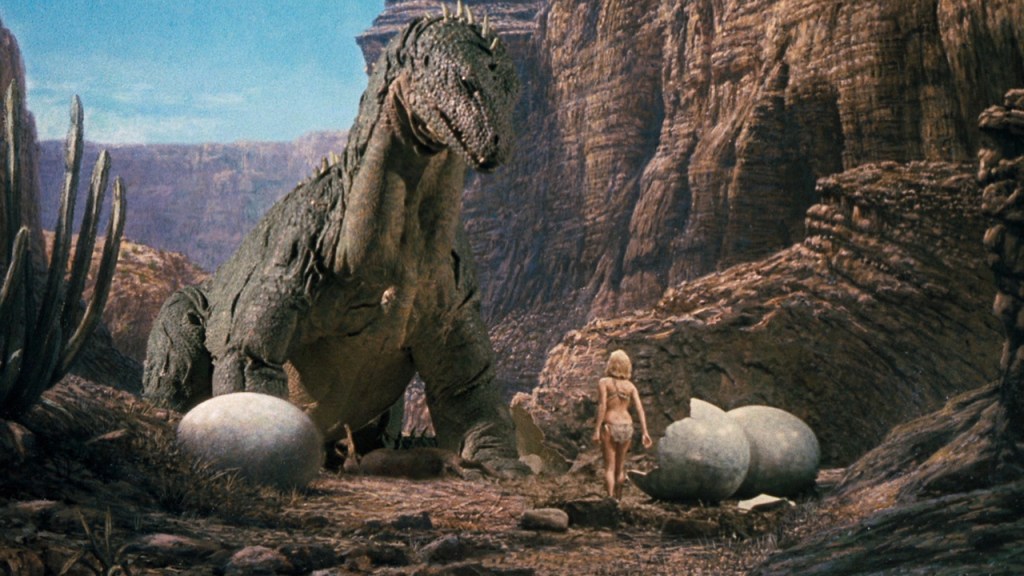
The mother dinosaur from WHEN DINOSAURS RULED THE EARTH, animated by Jim Danforth

RAY: Well, I didn’t care for it as a picture, but Jim Danforth did some quite nice animation.

IMAG: The end of ONE MILLION YEARS B.C. goes into sepia tones; why was that?

RAY: We were originally going to have the atomic bomb on the horizon. During the earthquake smoke develops from the volcano and forms almost a symbol of what’s to come; the atomic bomb. That was abandoned and they decided to take all of the colour out and make it look like they’re coming back to a dreary world.

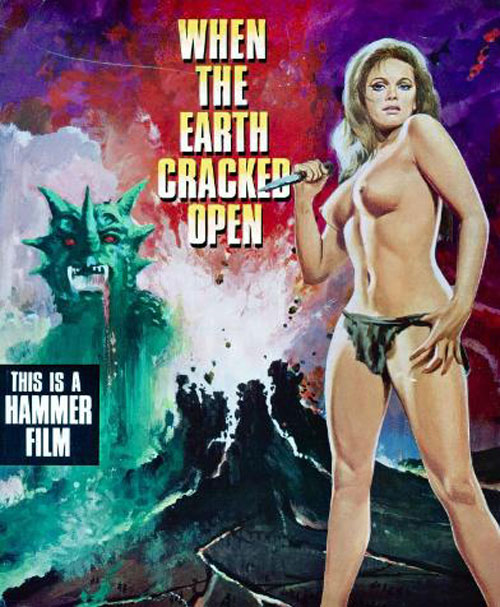
IMAG: Your eruption special FX are re-used for the earthquake depicted in Hammer’s CREATURES THE WORLD FORGOT (1971).

RAY: I never saw the film.
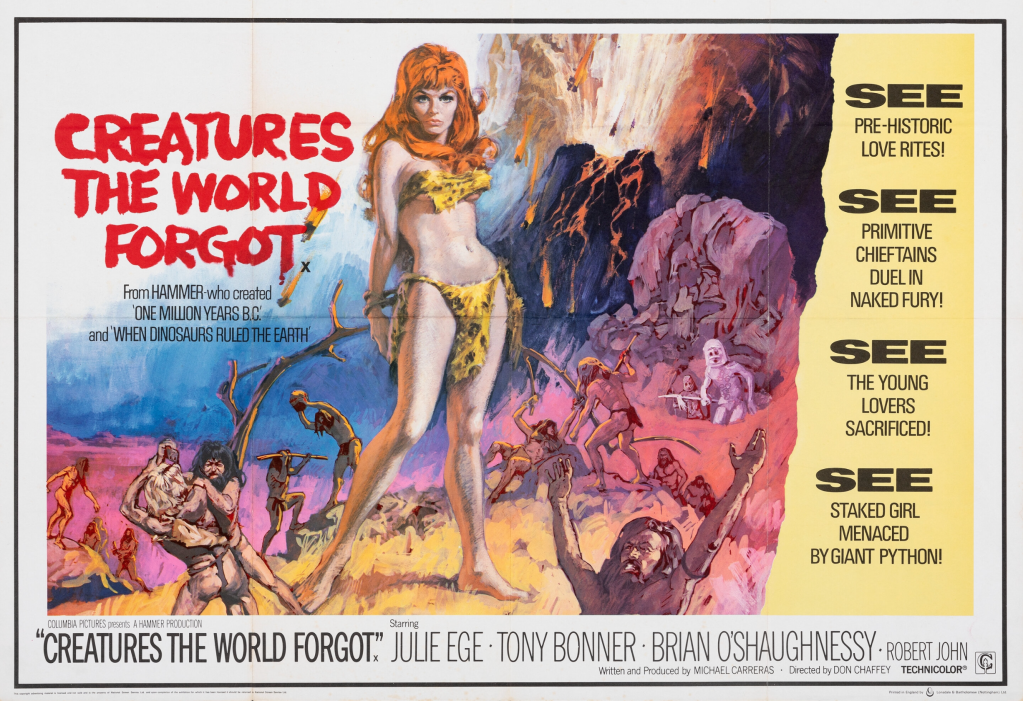
UK quad poster for CREATURES THE WORLD FORGOT. Ray never watched this film and I can't say that I blame him!
UK quad poster for CREATURES THE WORLD FORGOT. Ray never watched this film and I can’t say that I blame him!

IMAG: From a monster movie fan’s perspective, CREATURES THE WORLD FORGOT was pretty depressing; they didn’t have any dinosaurs in it.

RAY: It must have been depressing for Don Chaffey.

IMAG: The film has a wonderful, evocative title – but the ‘creatures’ turn out to be an antelope, a porcupine and a man in a bear suit!

Getting away from prehistoric things, I’ve read that MIGHTY JOE YOUNG (1949) originally had a tinted burning orphanage sequence?

RAY: Yes, the original release was tinted yellow and red.
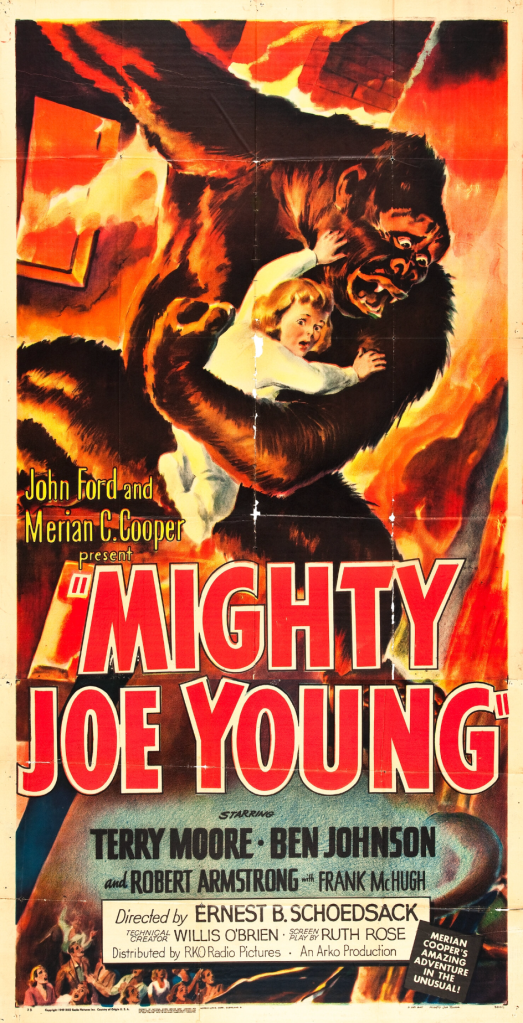
Three sheet poster for MIGHTY JOE YOUNG

IMAG: Does that print exist any longer?

RAY: I don’t think so, I’ve not seen one since. I’ve seen a colourised version of MIGHTY JOE YOUNG; it destroys all the matte paintings because it makes them look so flat.
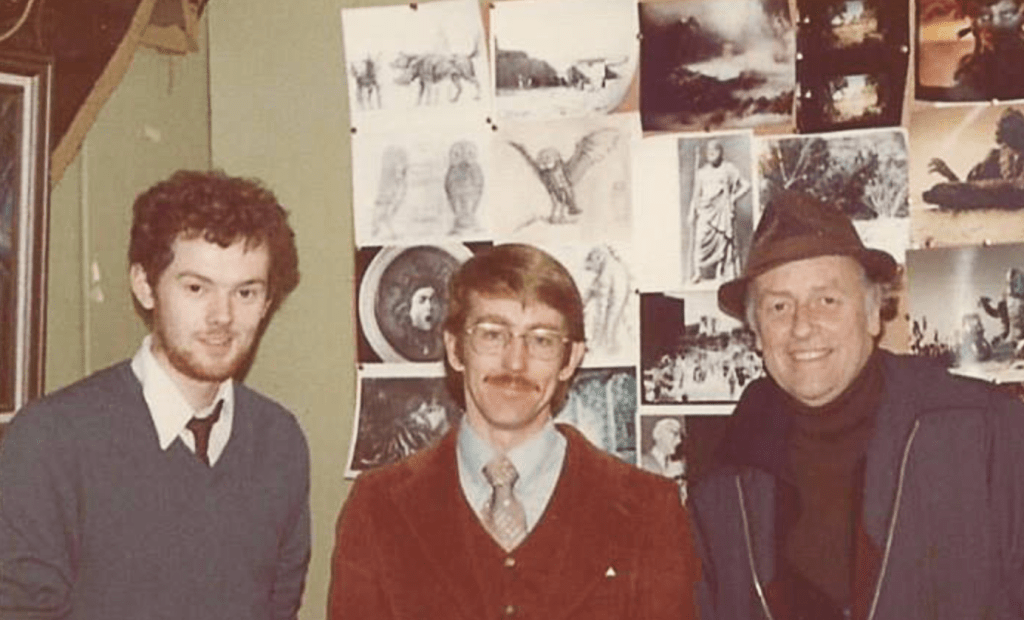
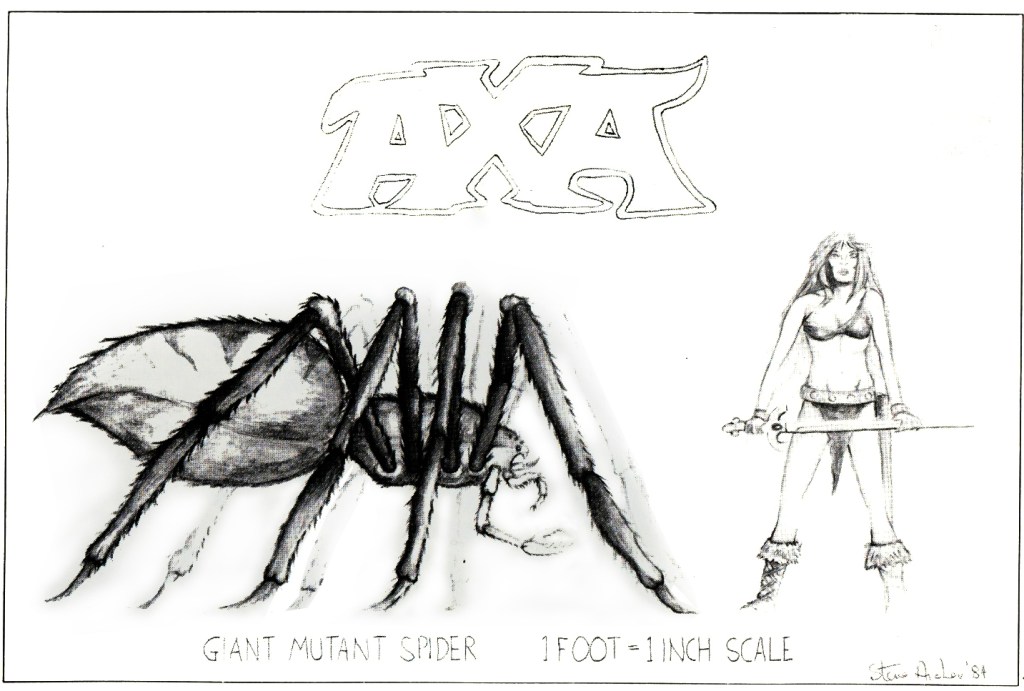
Animators Steve Archer, Jim Danforth and Ray Harryhausen

IMAG: Jim Danforth worked with you on CLASH OF THE TITANS, together with Steve Archer. Would you consider working on another film, perhaps, in a supervisory position maybe?

RAY: No, I don’t want to get involved again because it just takes up too much of your life. The type of film that I was always involved with – I did most of the animation. CLASH is the only one on which I had assistance and it just got too much to tackle a picture that way. I enjoyed putting my final mark on the screen and, if you have it watered down by other people, it’s not a product that you feel you’ve created.
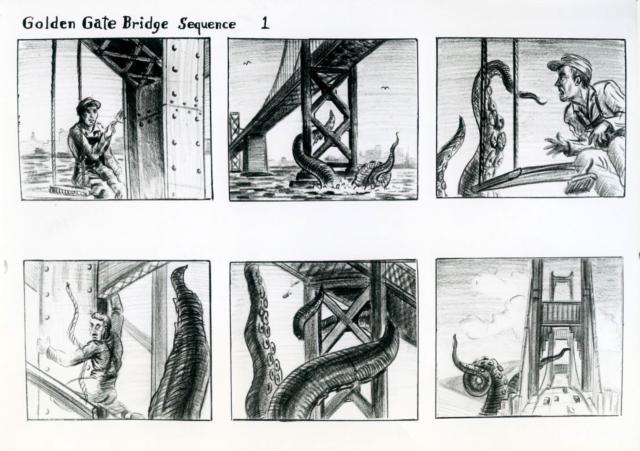
Storyboard panels for IT CAME FROM BENEATH THE SEA (1955)
Storyboard frames for IT CAME FROM BENEATH THE SEA (1955)
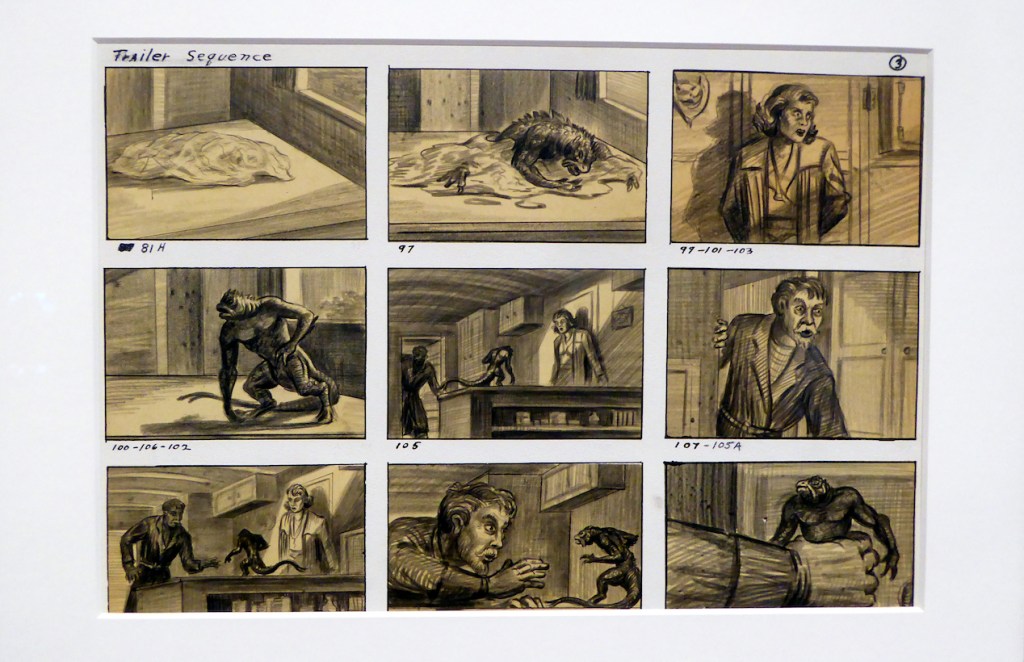
Storyboard panels for 20 MILLION MILES TO EARTH
Storyboard frames for 20 MILLION MILES TO EARTH

IMAG: You’ve got a strong visual sense, as illustrated by your nicely composed storyboards. Were you ever actually tempted to direct? 

RAY: I’d have liked to have directed one picture at least. But it’s a big deal and you’ve got to learn how to handle people – make them do exactly what you want. My (model) actors always do exactly what I want, they have no choice (laughs).
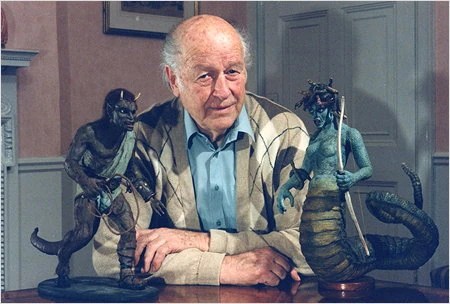
Ray’s model actors always did exactly what he wanted them to do!

IMAG: What sort of films do you enjoy watching?

RAY: I love musicals, I love Bette Davis, Joan Crawford and Dietrich pictures. I like Humphrey Bogart. I love the great pictures of the ’40s.
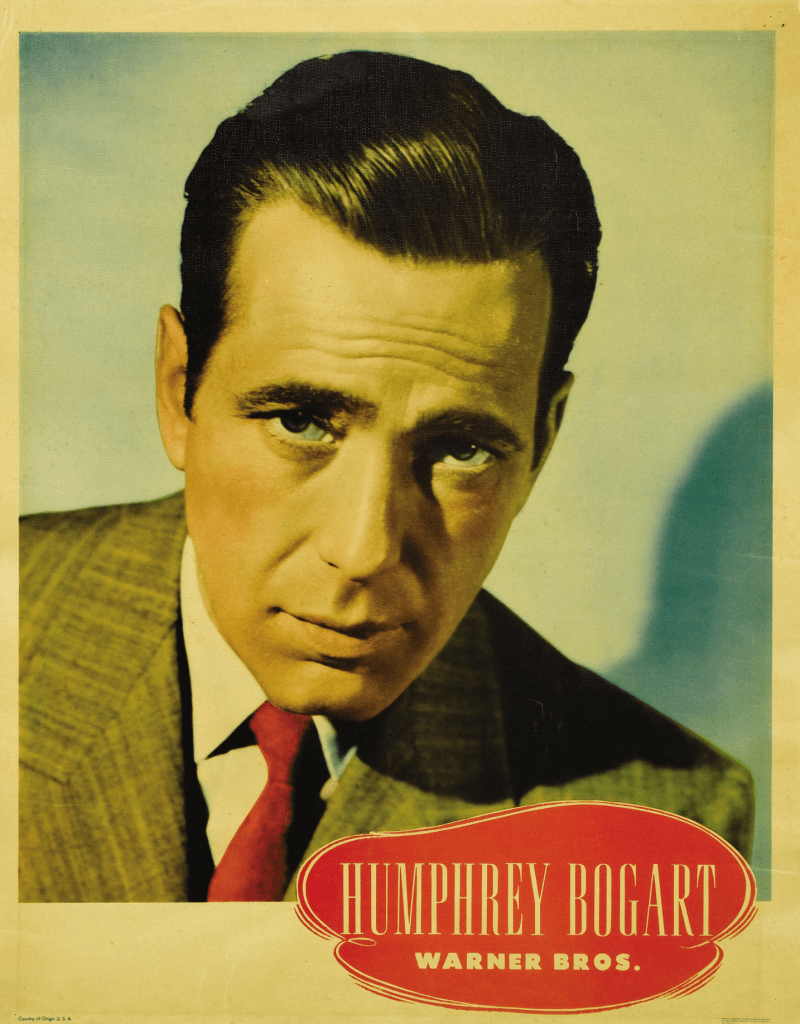
Ray liked Humphrey Bogart - and so do I!
Ray liked Humphrey Bogart – and I like Bogart too!

I do love a good musical. FUNNY FACE I saw many times and THE BAND WAGON. MY FAIR LADY was, I thought, beautifully made.
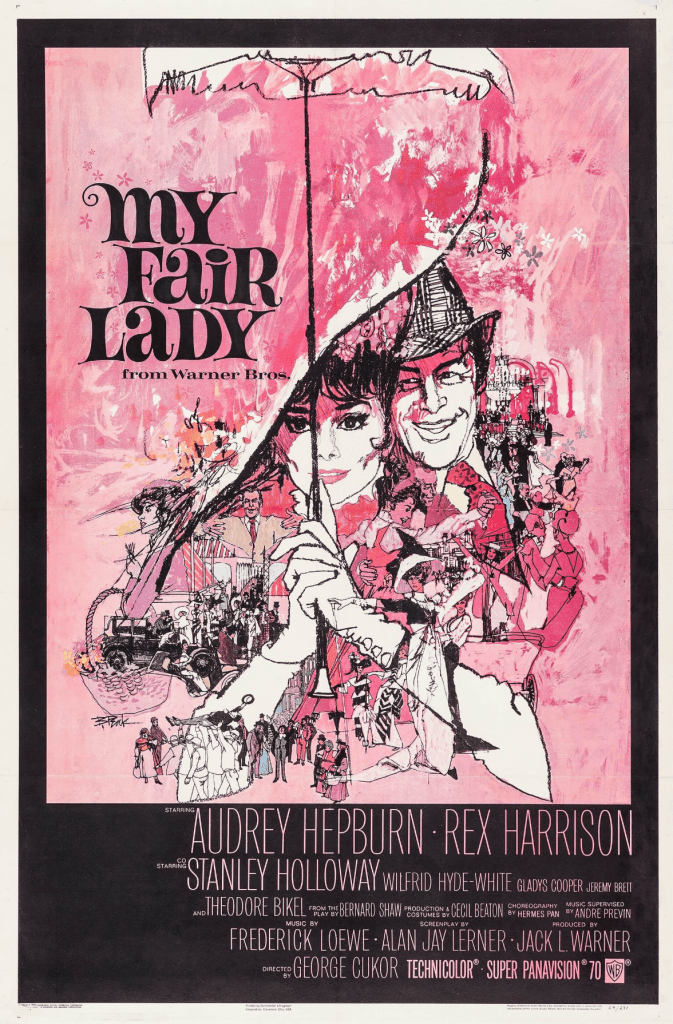
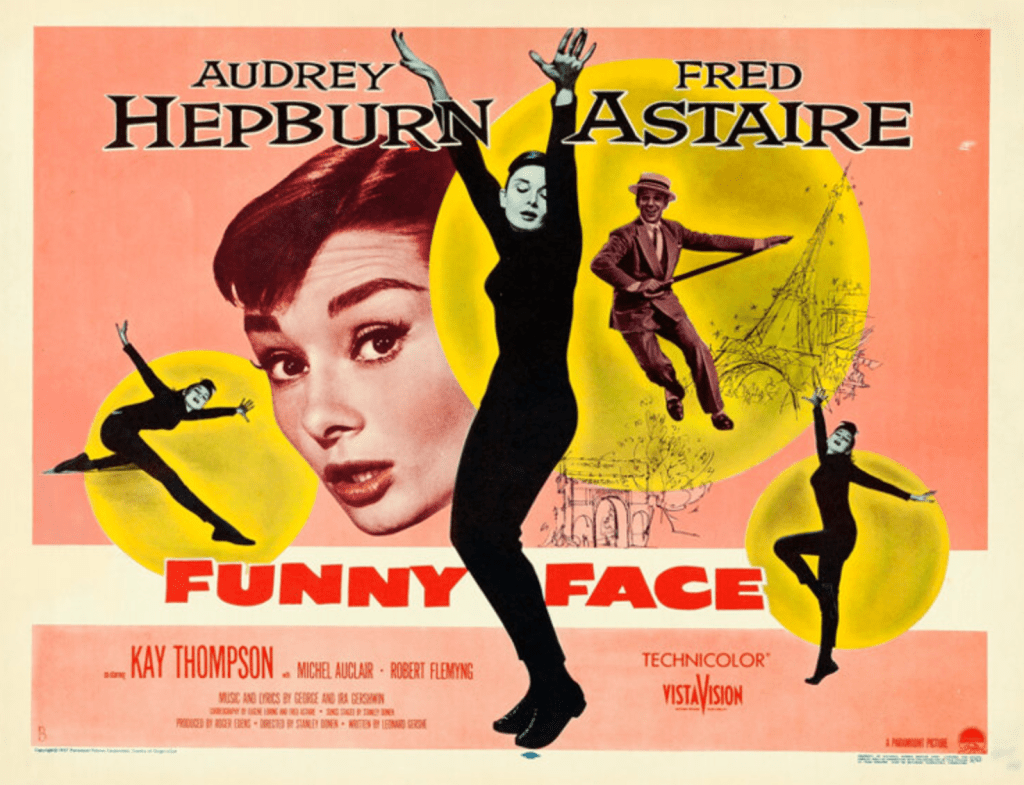
Above: two of the musicals that Ray liked - MY FAIR LADY and FUNNY FACE
Above: two of the musicals that Ray liked – MY FAIR LADY and FUNNY FACE

(At this point Ray’s wife, Diana, momentarily popped into the room and reminded him that he also likes LAUREL AND HARDY. Now that’s good taste!)

IMAG: Is there any recent stuff that you’ve been particularly impressed with?

RAY: Not that I would go back time and time again to see. There are a lot of good films out today; RAIDERS OF THE LOST ARK (1981) is a most exciting film.
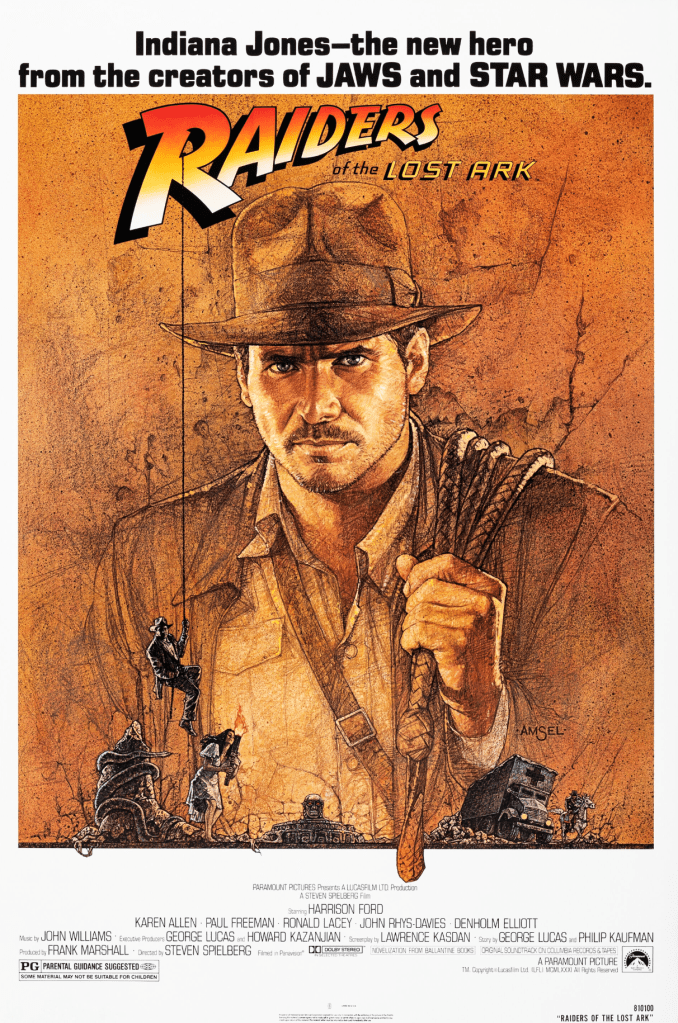
I think RAIDERS is an exciting movie - and Ray thought the same!
I think RAIDERS is an exciting movie – and Ray thought the same!

They don’t seem to have the magic any more that some of the earlier films had. I still find BRIDE OF FRANKENSTEIN (1935) a fascinating film.
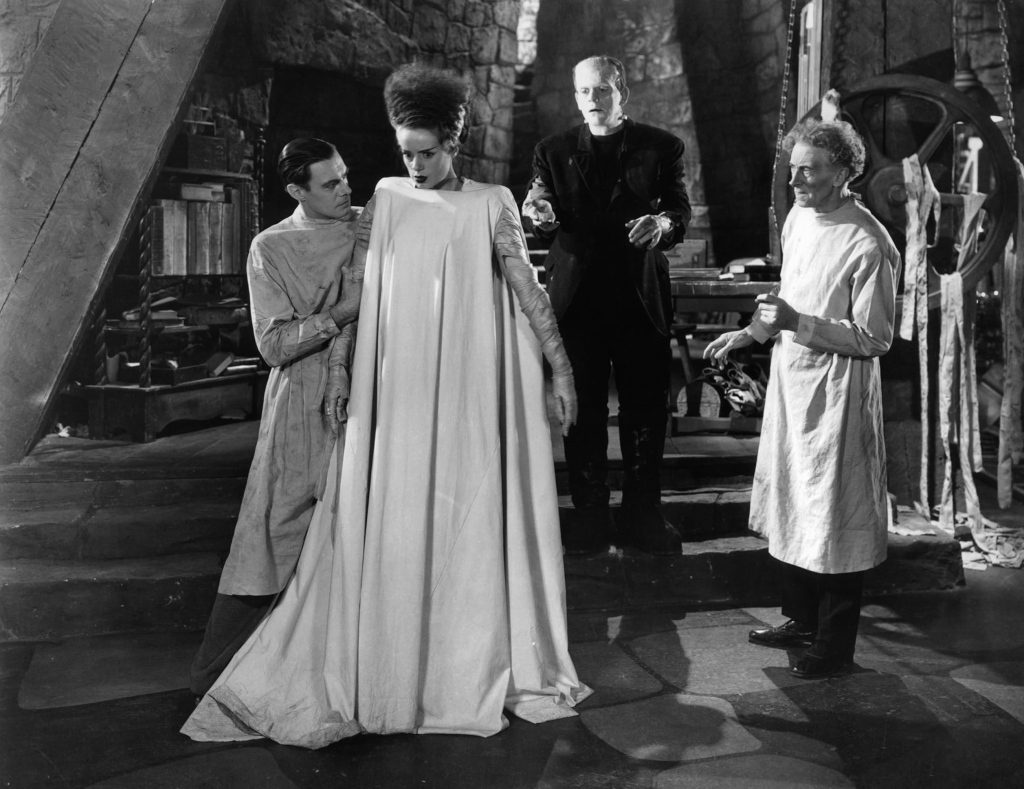
Colin Clive, Elsa Lanchester, Boris Karloff and Ernest Thesiger in BRIDE OF FRANKENSTEIN

IMAG: There is a certain stylistic quality to the very early Universal Frankenstein films, isn’t there?

RAY: That was largely due to James Whale. He was a very talented director, and he had a macabre sense of humour that took it out of the category of being simply a horror film. 
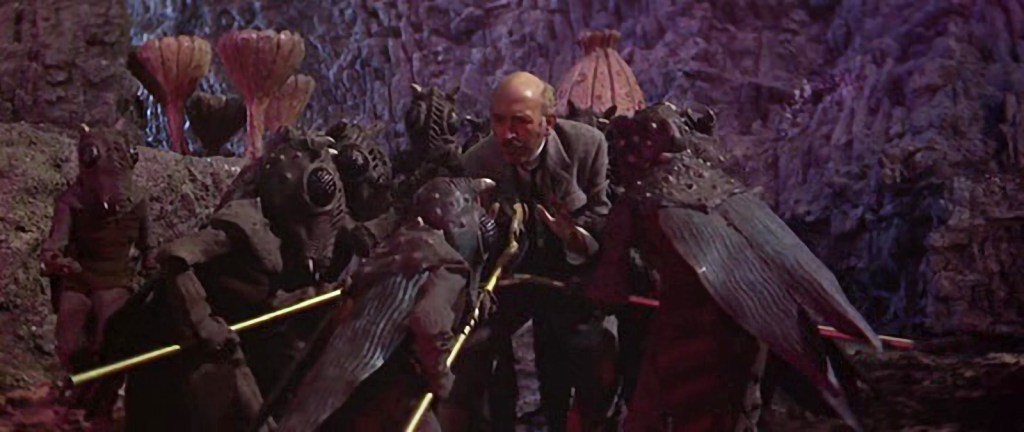
Worker Selenites (children in costumes) surround Joseph Cavor (Lionel Jeffries) in FIRST MEN IN THE MOON

IMAG: You’ve included several men-in-suit creations in your films, like the selenites in FIRST MEN IN THE MOON (1964). And the minoton was, sometimes, a man in a suit in SINBAD AND THE EYE OF THE TIGER (1977). Are there any man-in-suit monsters that you were impressed with, such as the gill-man in 1954’s CREATURE FROM THE BLACK LAGOON?

RAY: You’re always aware that it’s a man in a suit, to me, I never was impressed with them. I was impressed with Frankenstein but he was supposed to be a human that was synthetically made. But I was never impressed with CREATURE FROM THE BLACK LAGOON or some of those other movies out at the same time.
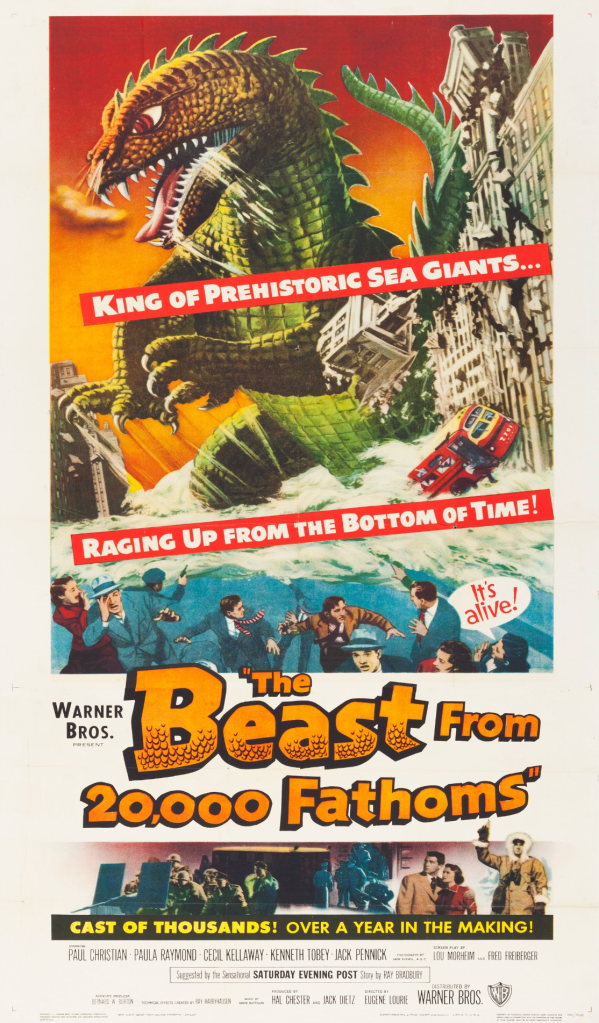
Three sheet poster for THE BEAST FROM 20,000 FATHOMS

IMAG: Your film THE BEAST FROM 20,000 FATHOMS was the movie that triggered the re-awakened monster cycle of films, which included GODZILLA (1954).

RAY: Oh yes, it was a direct copy, basically.
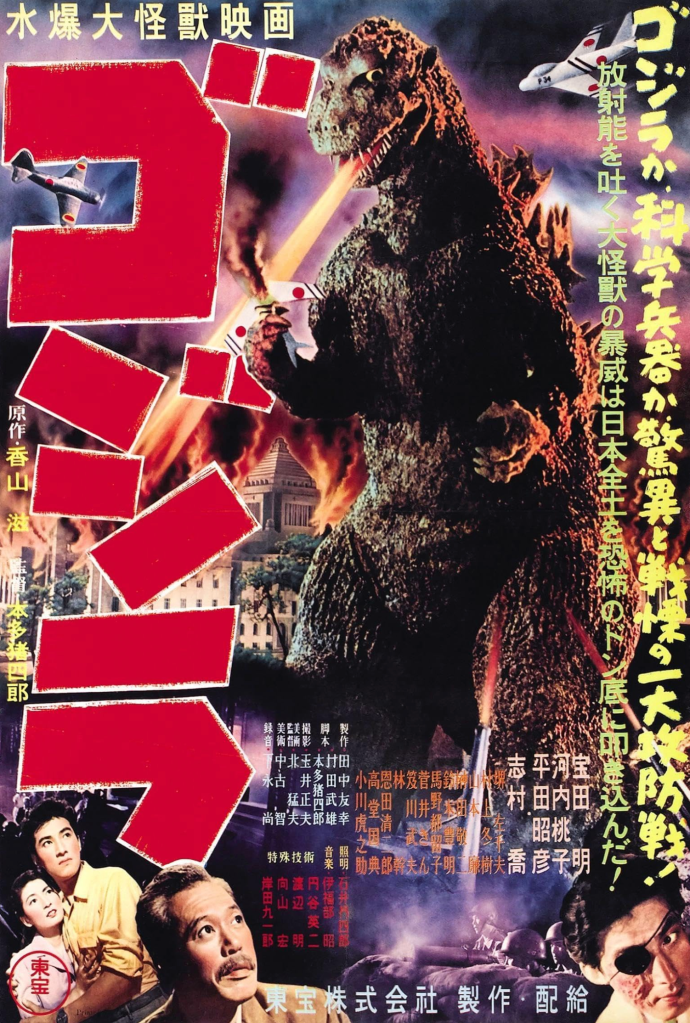
Japanese B2 poster for GODZILLA aka GOJIRA (1954)
Japanese B2 poster for GODZILLA, aka GOJIRA (1954)

IMAG: Godzilla movies have garnered many fans who like them in spite (or because) of knowing that Godzilla is a man in a suit.

RAY: A lot of people don’t care. I think that the biggest insult I ever received was when some fellow came up to me at a convention and said, ‘Oh, you make films like GODZILLA’ (laughs).

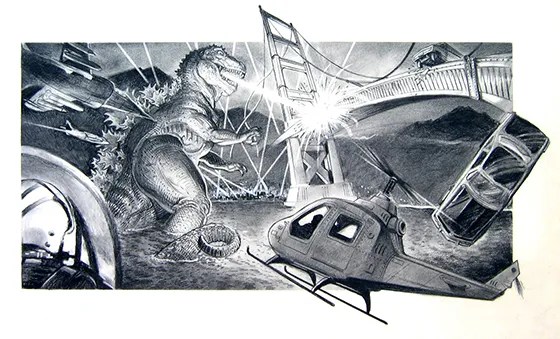
IMAG: You should’ve made an animated version of it and then you could have shown everyone what Godzilla would’ve looked like if you had made it!

RAY: You know, a lot of people are not aware of the technicalities of making a film; one monster looks like another monster to them, with no way of separating the good ones from the bad ones.
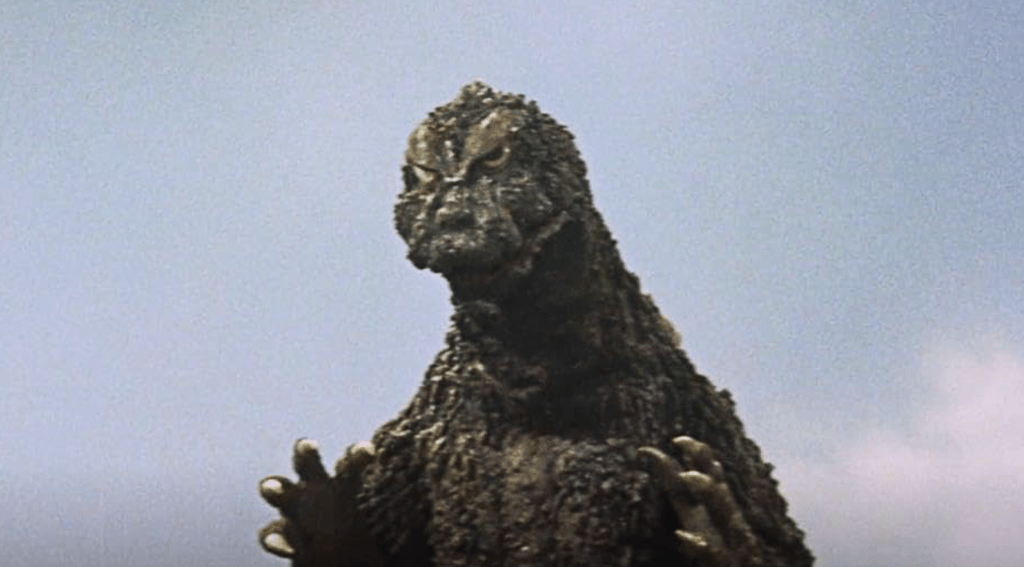
Would I have liked to see Ray animate a Godzilla film? You bet!

IMAG: I’m a monster movie fan and I must admit that I do end up watching a film because there’s a monster in it; and one can glean a bit of fun and enjoyment by watching an obviously fake-looking creature.

RAY: But you don’t just accept anything.

IMAG: Obviously, I prefer GOOD, well-made creatures, and I appreciate your skills a great deal. Yet monster movie fans do end up viewing creature features of all qualities as long as there IS a beast in it. The rod puppet creations for THE LAND THAT TIME FORGOT (1974) don’t hold a candle to your dinosaurs and yet I still watched that film when it was televised this year; though better than enlarged lizards with fins stuck to them, those puppets are severely restricted with what they can do.

RAY: It’s really limiting what you can do with a rod puppet.
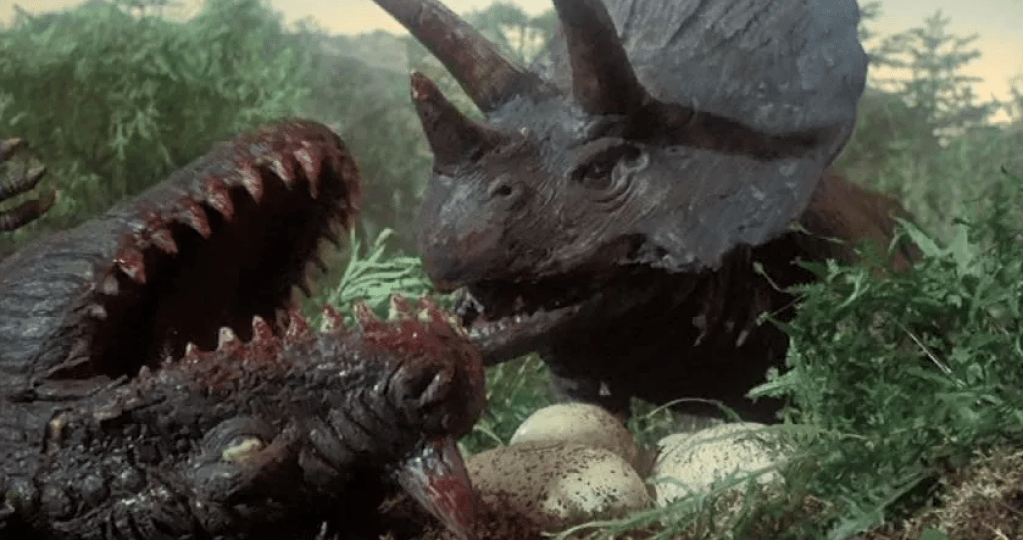
A couple of the rod puppet dinosaurs, built by Roger Dicken, from THE LAND THAT TIME FORGOT
A couple of the rod puppet dinosaurs, built by Roger Dicken, as seen in THE LAND THAT TIME FORGOT. Now, I like Roger’s work on this film…
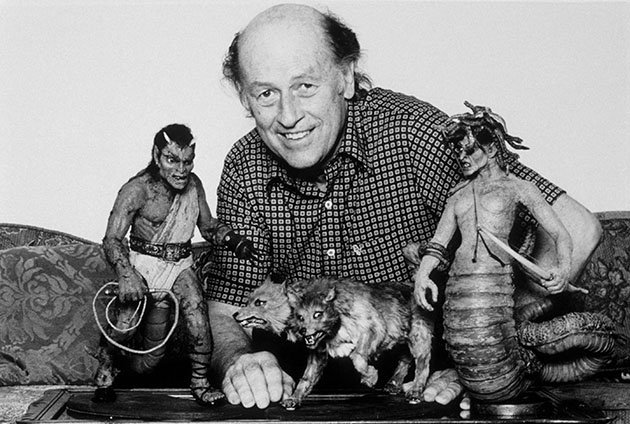
Ray with his wonderful Medusa stop-motion model; there's no way she could've been brought to the screen as a rod puppet!
…but there’s no way Medusa with her writhing snake-hair in CLASH could’ve been brought to the screen as a rod puppet!

IMAG: Rod puppets would never be a match for your animated models, that’s for sure.

(I pause here before I ask my final, very important question…)

Right then, Ray, this is a plea from a lifelong fan (ie myself); can’t you be tempted to do another film? Please?!

RAY: (Laughs) It’s just too much work.

I find I have to live, eat and sleep it 24 hours a day, and you neglect your family and many things in life that are important after all.

I hope you enjoyed reading through this interview as much as I enjoyed doing it all those years ago.

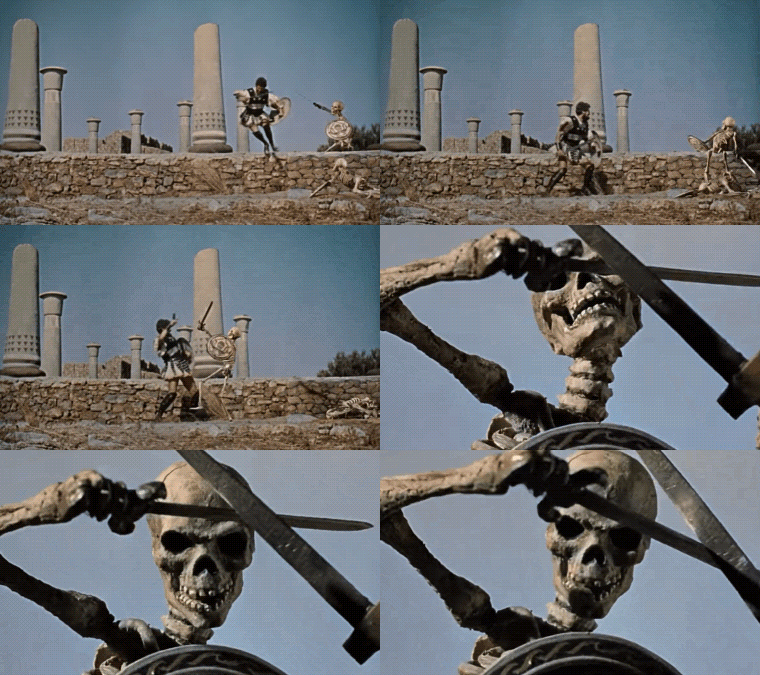
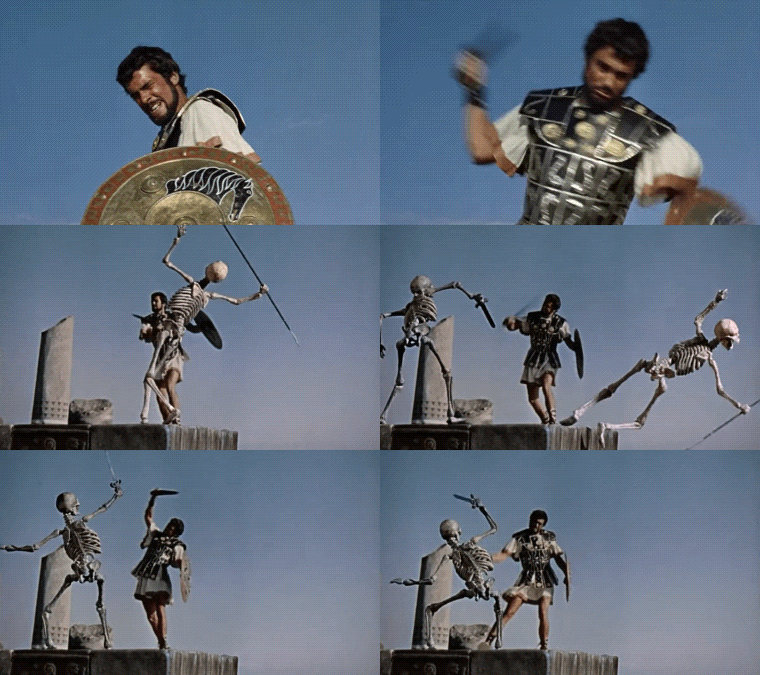
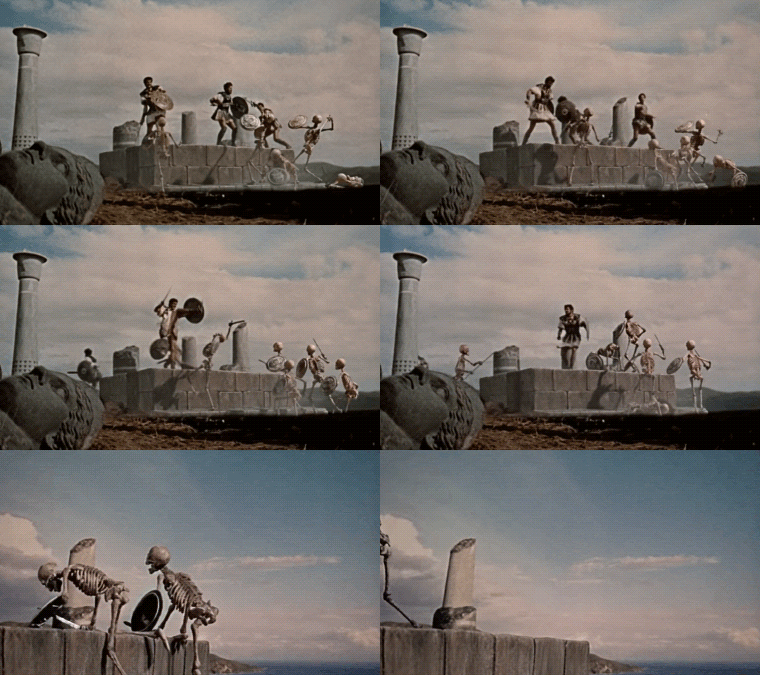
There are just SO MANY great moments in Ray’s films, but if I had to choose one set piece as the best, most exciting example of his work? I would have to pick the skeleton battle at the end of JASON AND THE ARGONAUTS. It is the stunningly thrilling jewel in the crown of fantasy cinema. A classic.

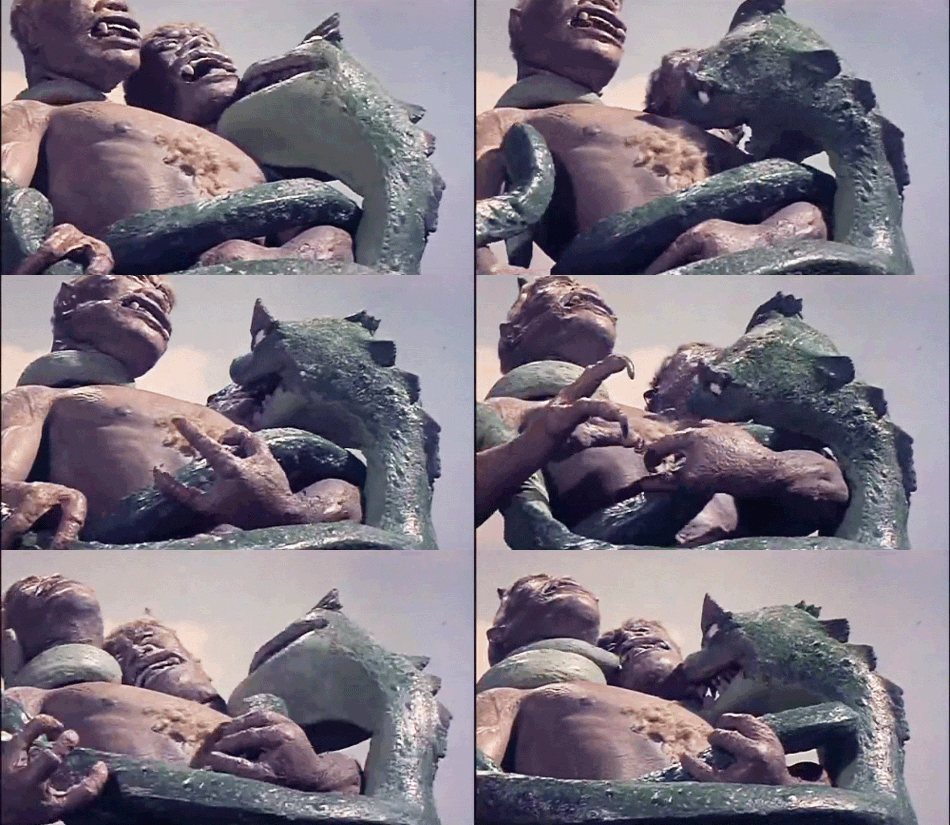
Here are some gifs…
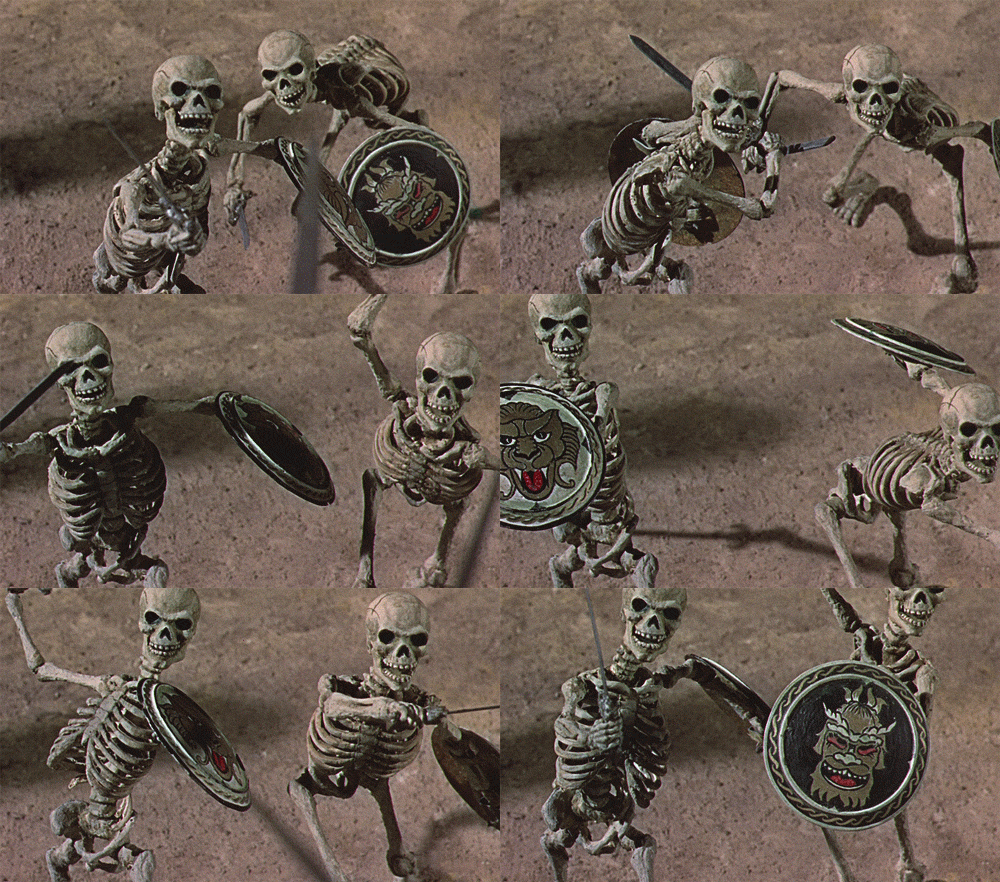
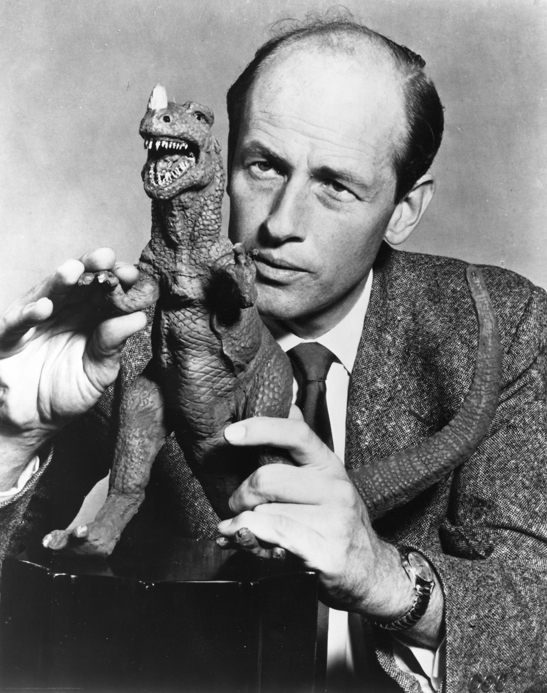
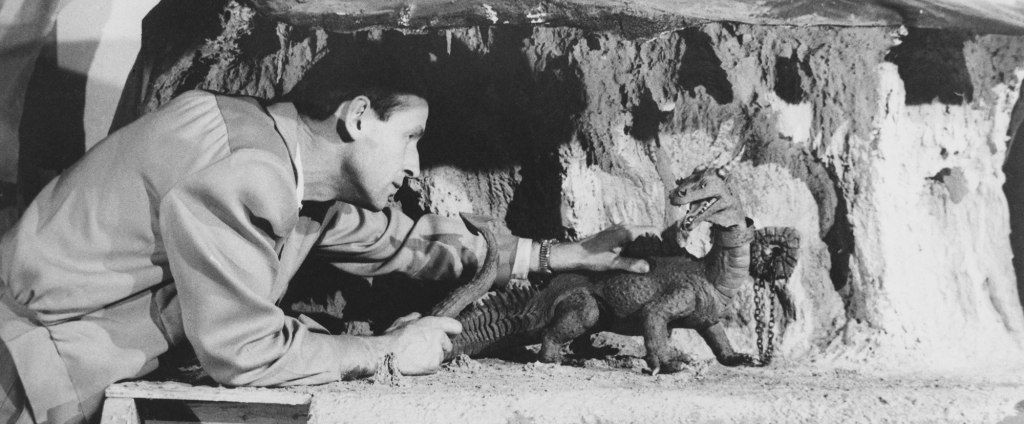
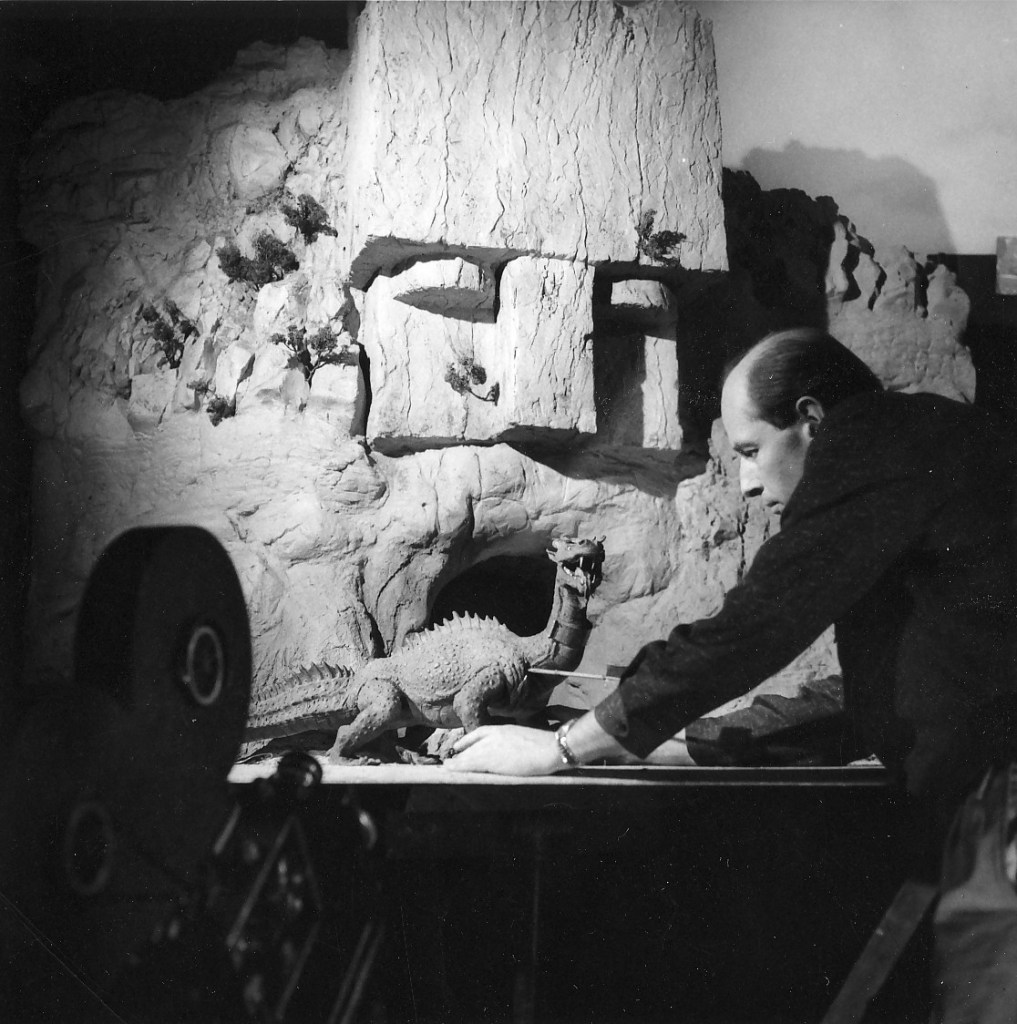
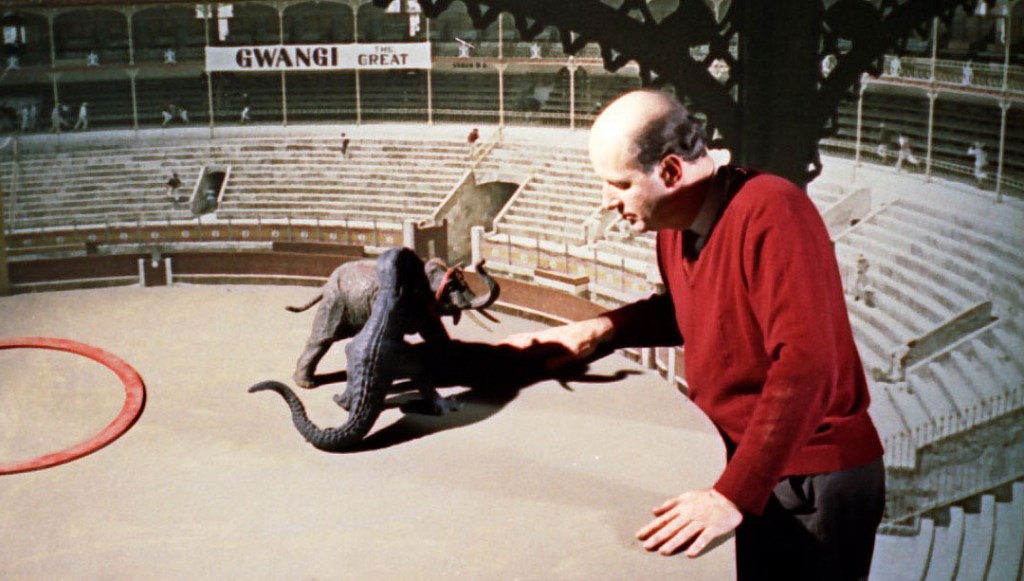
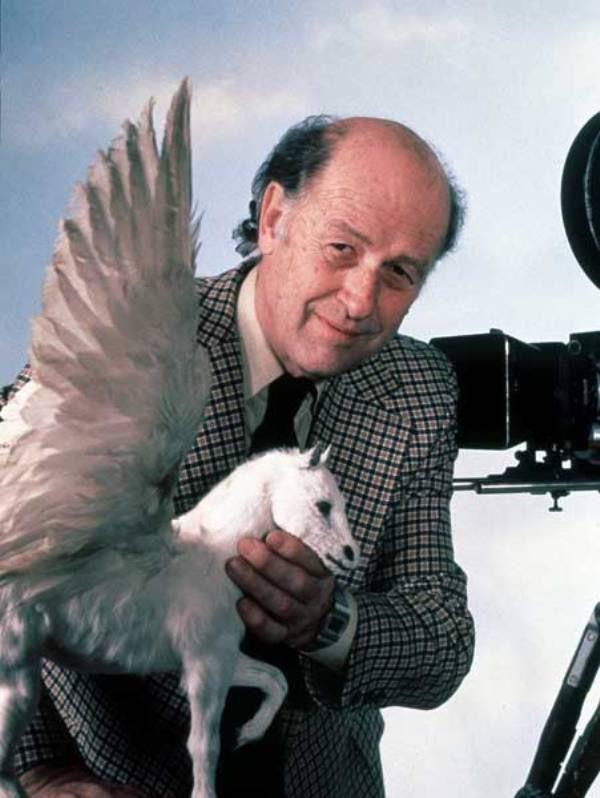
To finish, here’s a selection of shots of Ray with some of his beloved stop-motion characters…
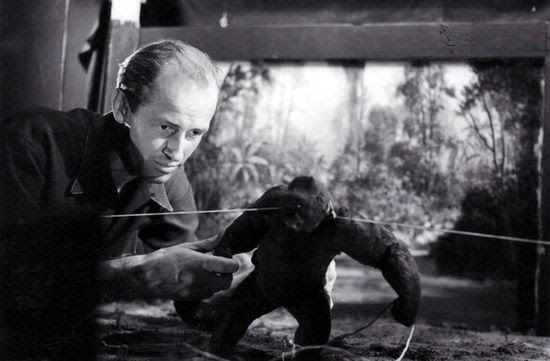
Ray photographed by Mark Mawston, courtesy of The Ray and Diana Harryhausen Foundation
What a legend!
What a legend!

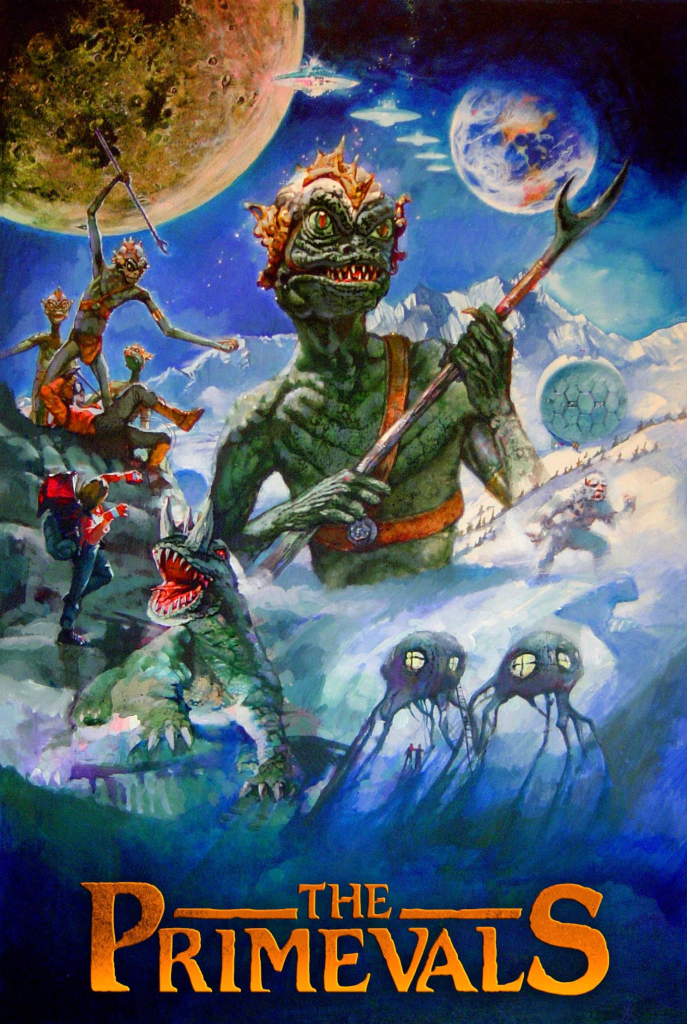
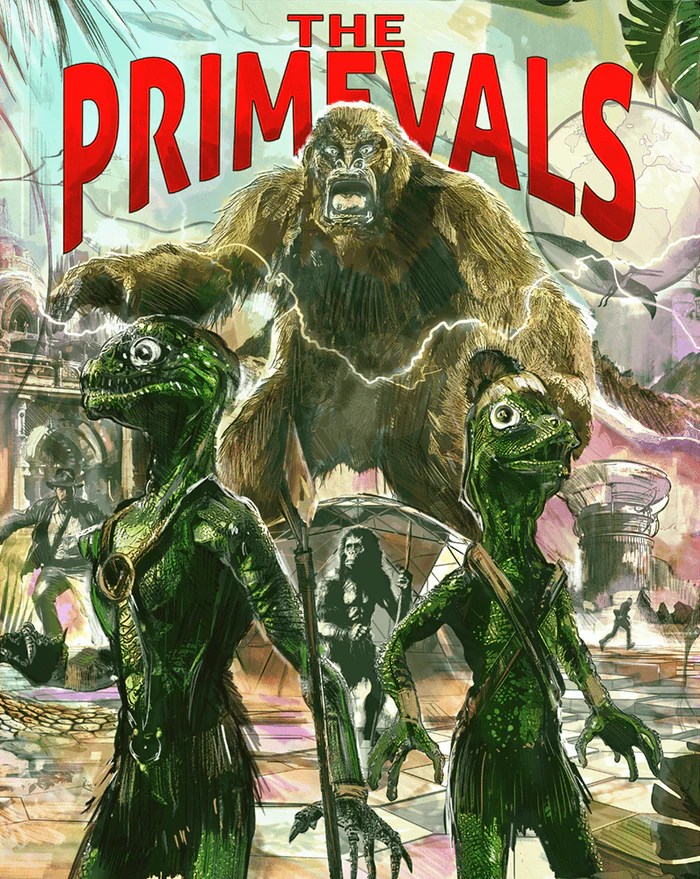
The Primevals (2023)

Poster

Starring Juliet Mills, Richard Joseph Paul, Leon Russom, Walker Brandt, Tai Thai and Eric Steinberg. Written by David Allen and Randall William Cook. Directed by David Allen. Produced by Charles Band, Vlad Paunescu, Debra Dion, Albert Band, Danny Draven and Wendy Grossberg. Full Moon Features and Castel Film Romania.

illustration

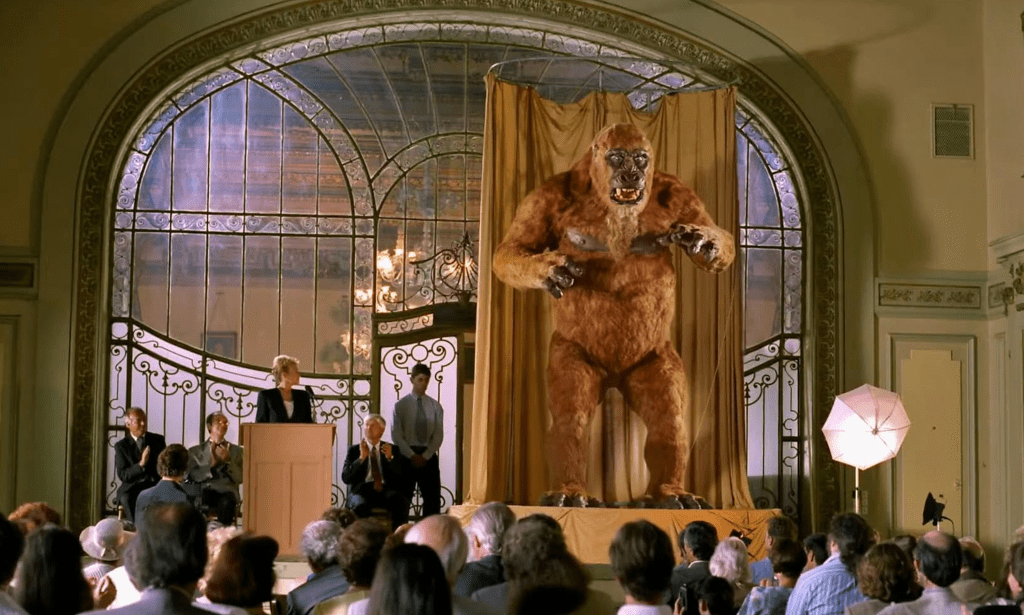
After the body of a huge yeti is discovered and displayed at a university, a small team of scientists head to Nepal to learn more about this amazing creature. With the help of grizzled adventurer Rondo Montana, the group makes its way into an isolated, hidden, forested valley that is kept free of snow thanks to the ancient machinery of an alien race. Soon the protagonists discover that these aliens still exist…  

The yeti's body is displayed at a university
The yeti’s body is displayed at a university

I can’t believe THE PRIMEVALS has finally seen the light of day! This is a film project I have read about and followed the progress of for decades! It seemed destined to be one of those legendary projects that never got made.


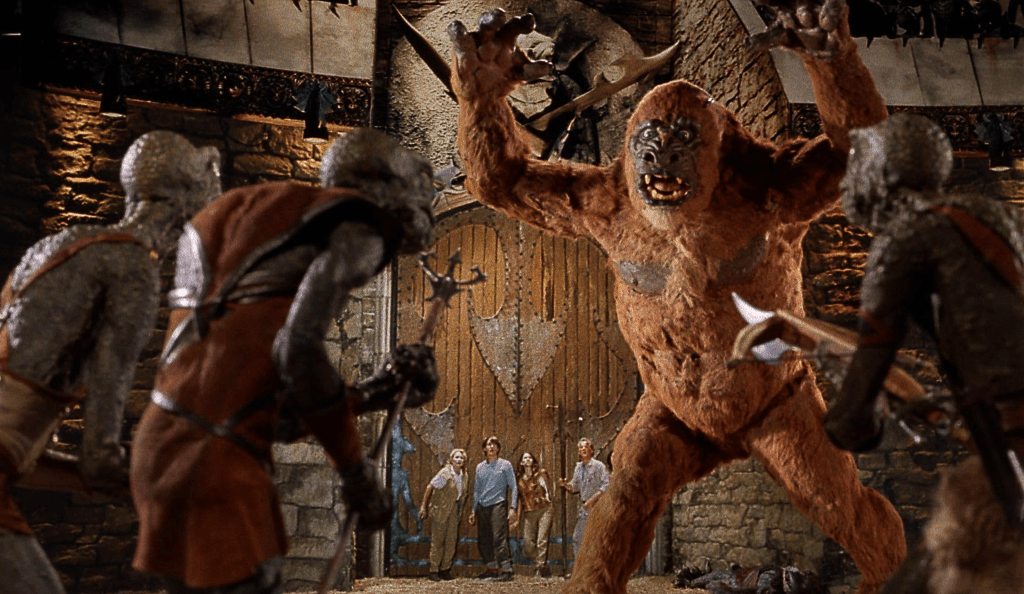
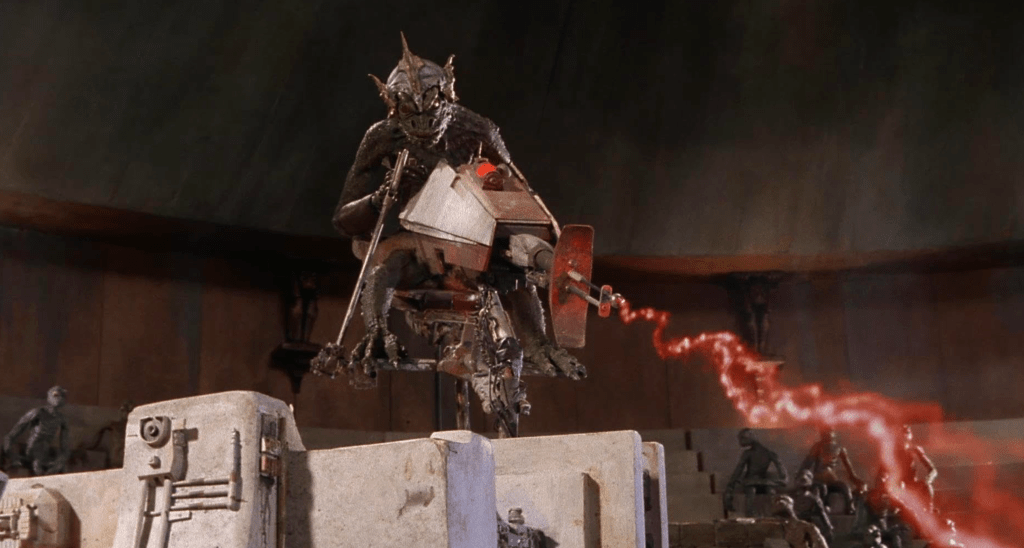
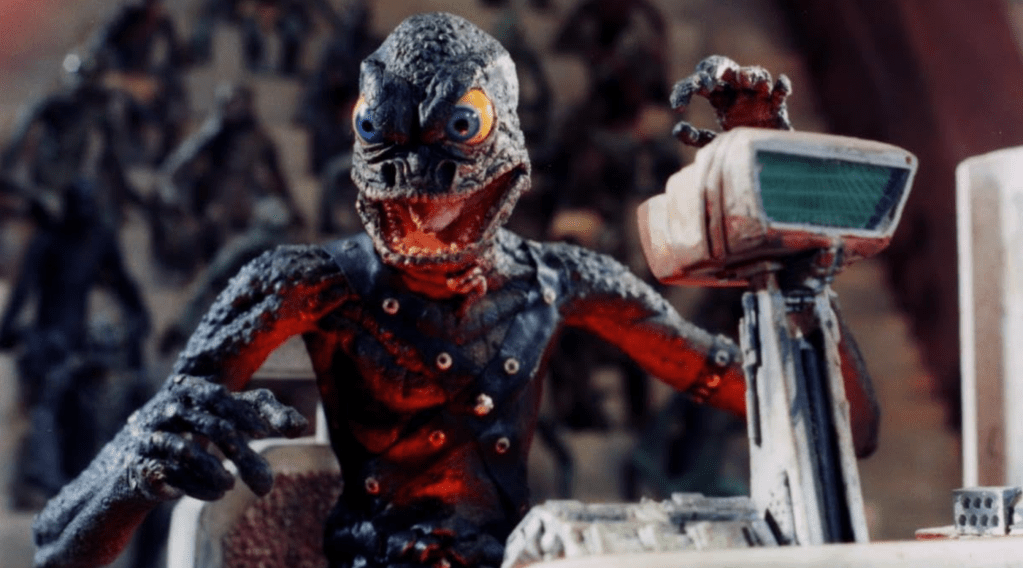
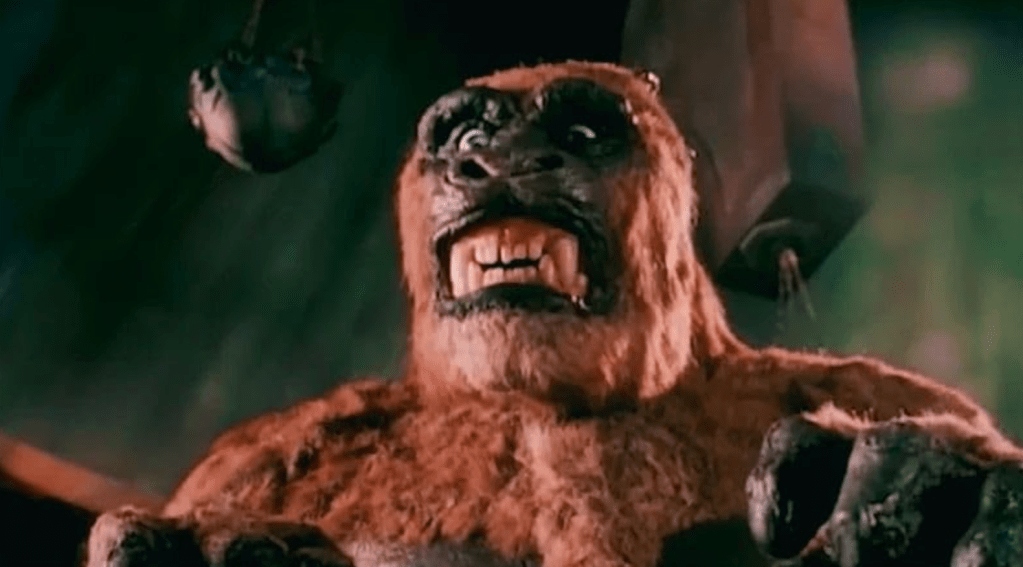
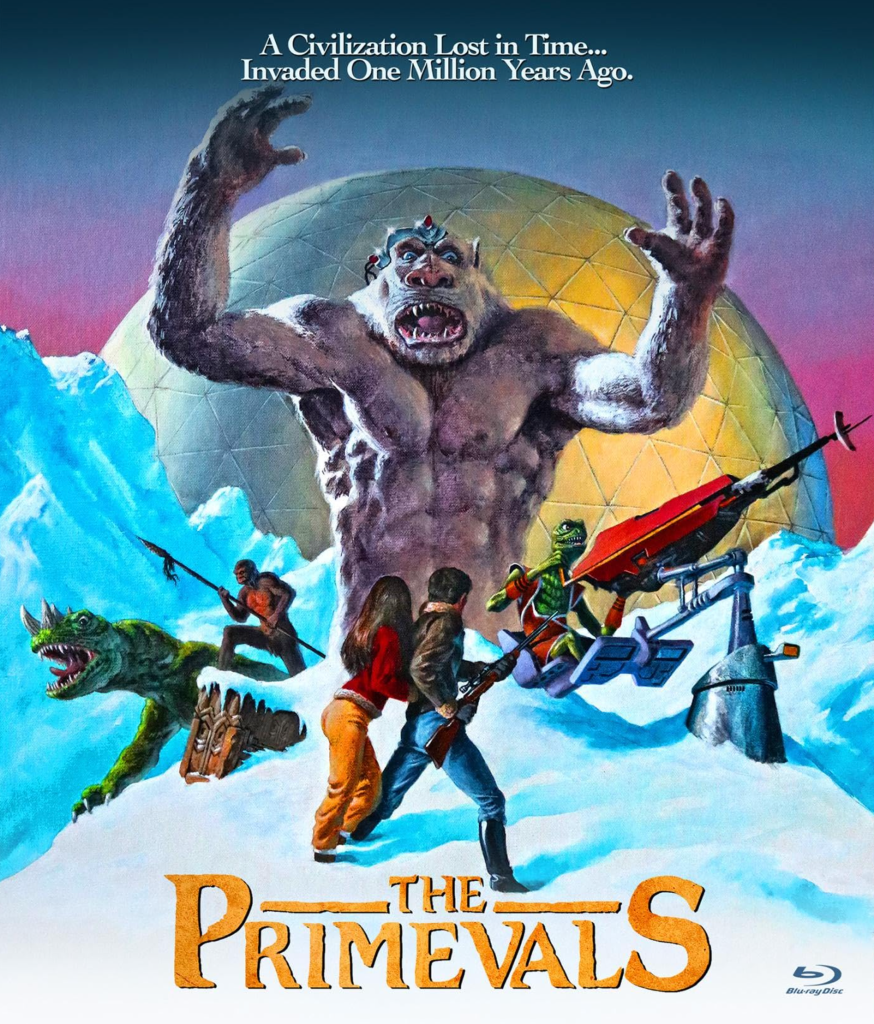
Alien lizard-men fight a giant yeti in an arena! Woot!

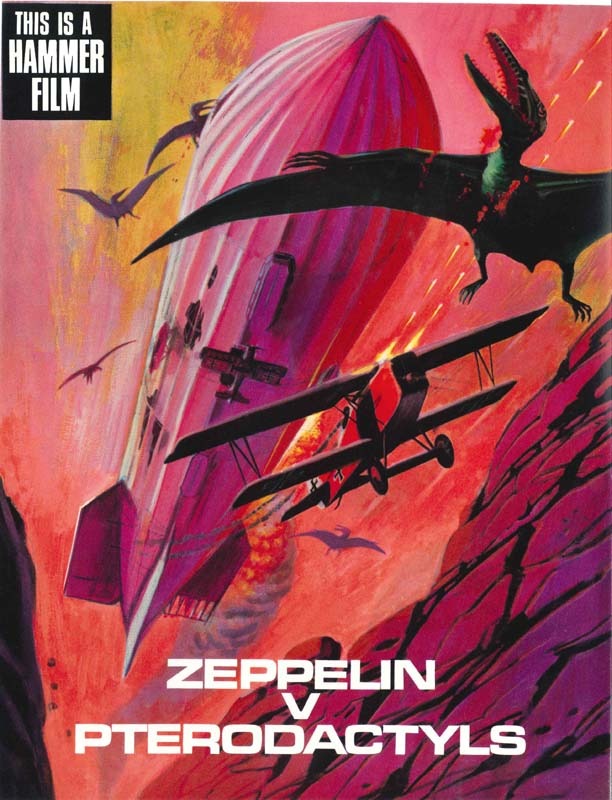
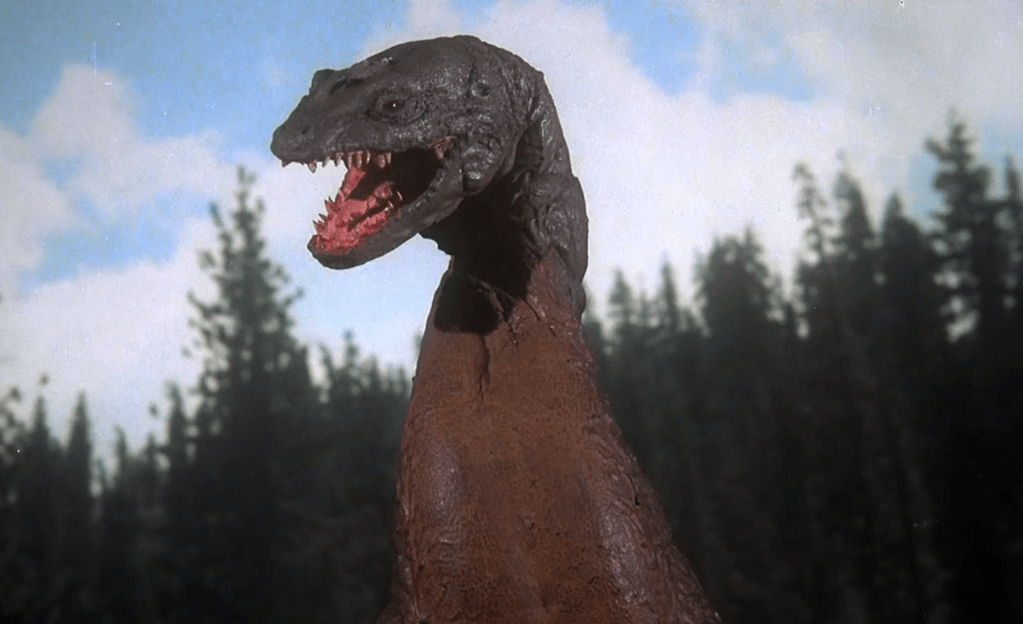
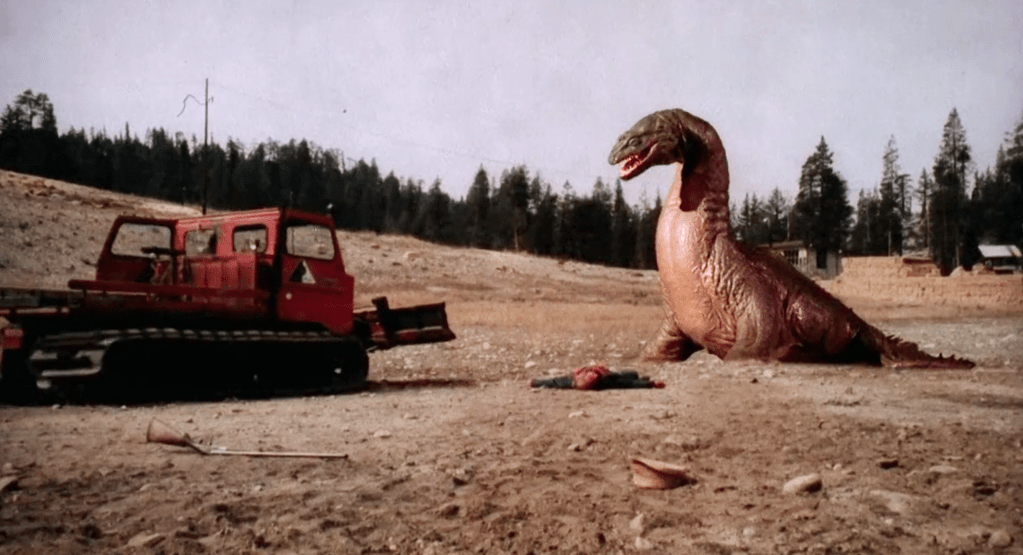
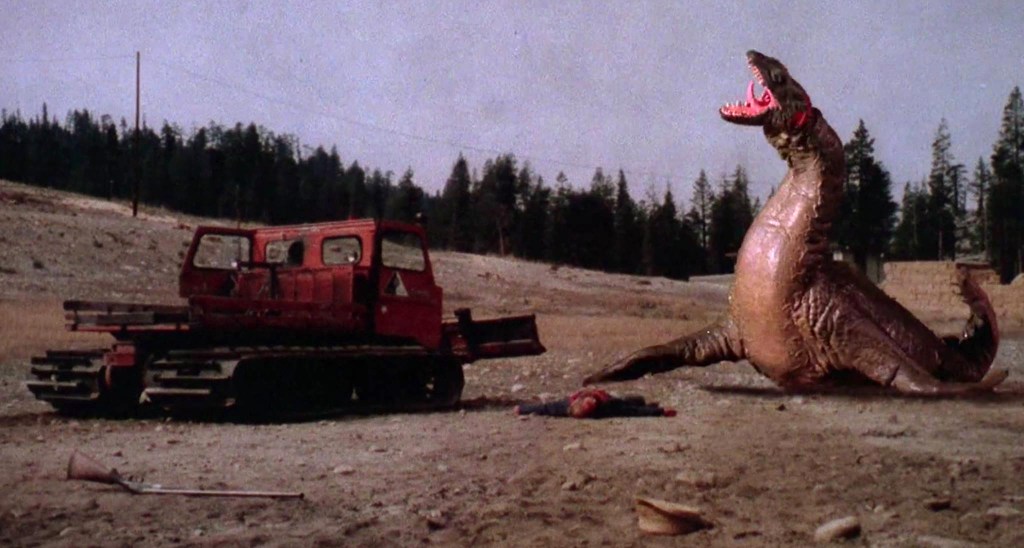
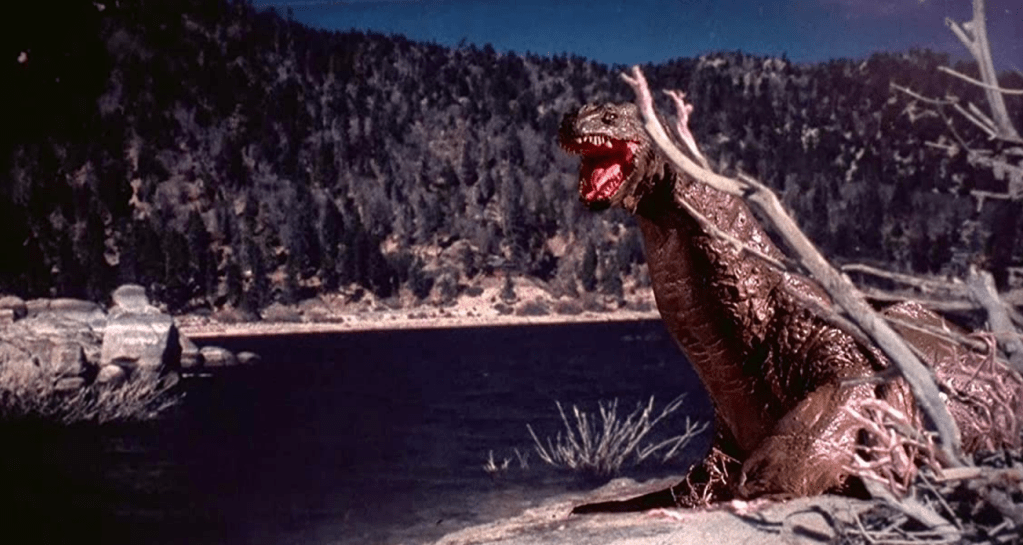
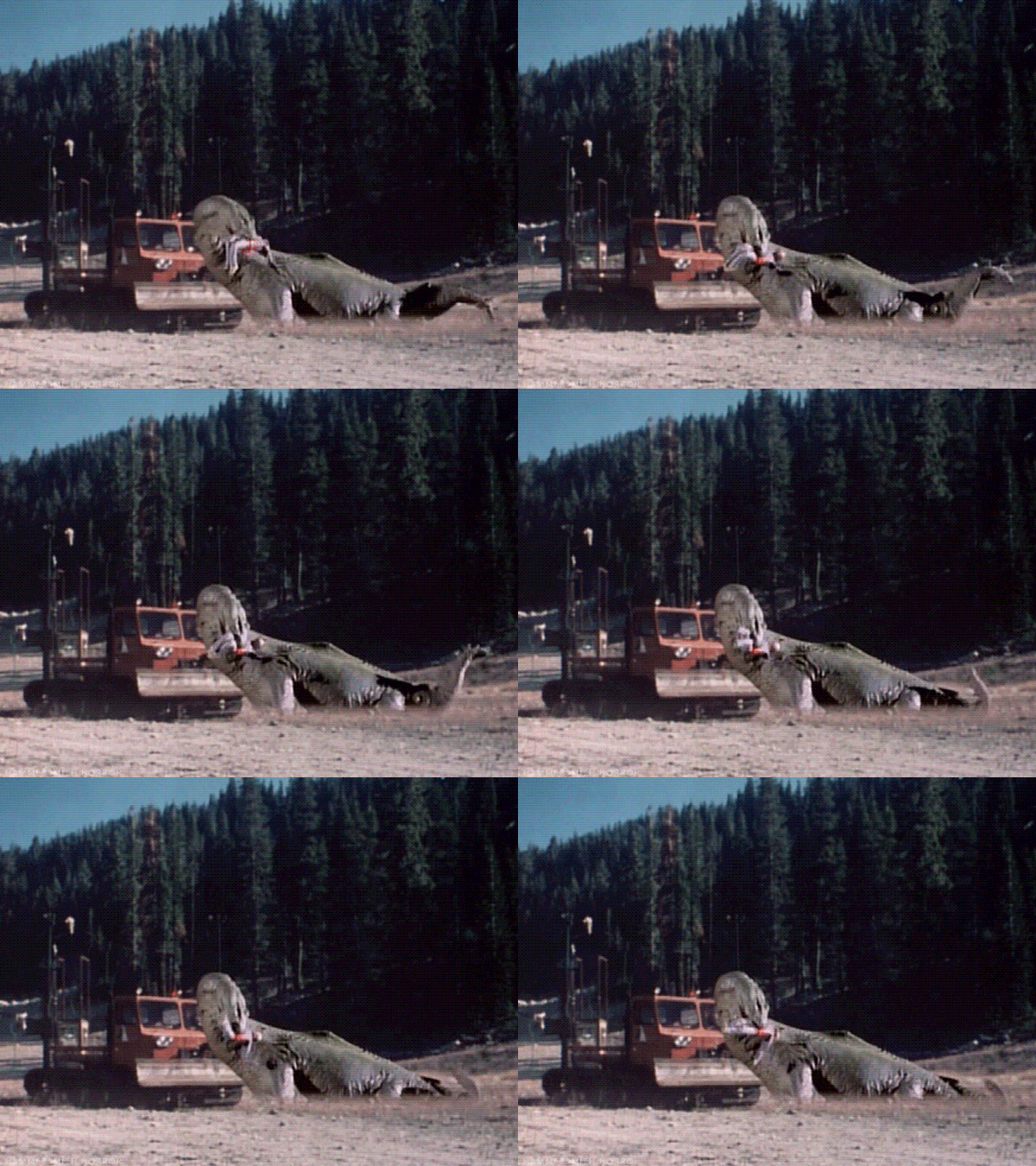
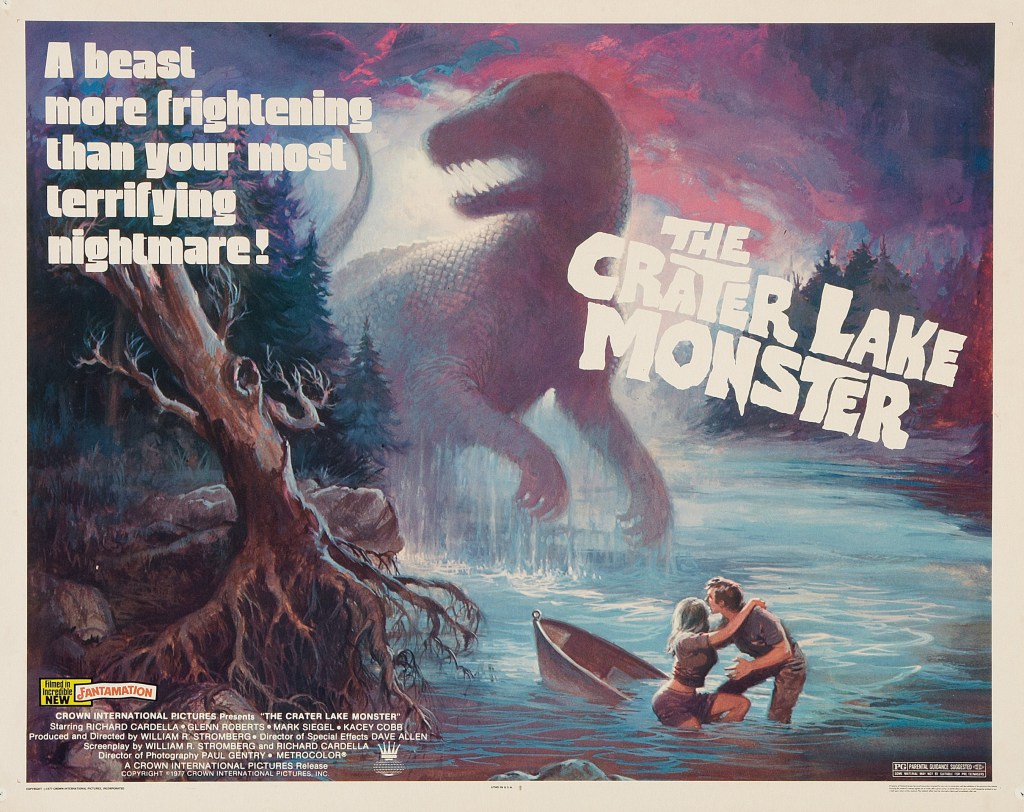
Back in the late 1960s David Allen (stop-motion animator on THE DAY TIME ENDED, THE CRATER LAKE MONSTER, Q: THE WINGED SERPENT and more) developed a fantasy film treatment called RAIDERS OF THE STONE RING. He then filmed a promo reel for it. Hammer Films eventually got to hear about it (at the time Jim Danforth and David Allen were working on WHEN DINOSAURS RULED THE EARTH), the idea momentarily morphed into a concept called ZEPPELIN VS PTERODACTYLS (now that’s a title!), and Hammer put out a ‘coming soon’ ad for the project that boasted a striking illustration by top Hammer artist Tom Chantrell. But funding wasn’t found and the project stalled. 

Hammer Films would've added zeppelins and pterodactyls into the mix!
Hammer Films would’ve added a zeppelin and pterodactyls into the mix!

David Allen continued to return to the project, hoping to expand on the treatment, and he finally co-wrote a screenplay with Mark McGee. The concept’s title continued to fluctuate, with it being called THE GLACIAL EMPIRE and, later on, PRIMORDIUM: THE ARCTIC WORLD. A new outline was written in the mid-70s by Allen, who now called it THE PRIMEVALS. Allen would then go on to write a script with Randall William Cook, who had a potential financial backer, but, yet again, the funding disappeared. The script for THE PRIMEVALS would continue to be tweaked, altered and updated over time, and it finally became the foundation for the film that was eventually made. 

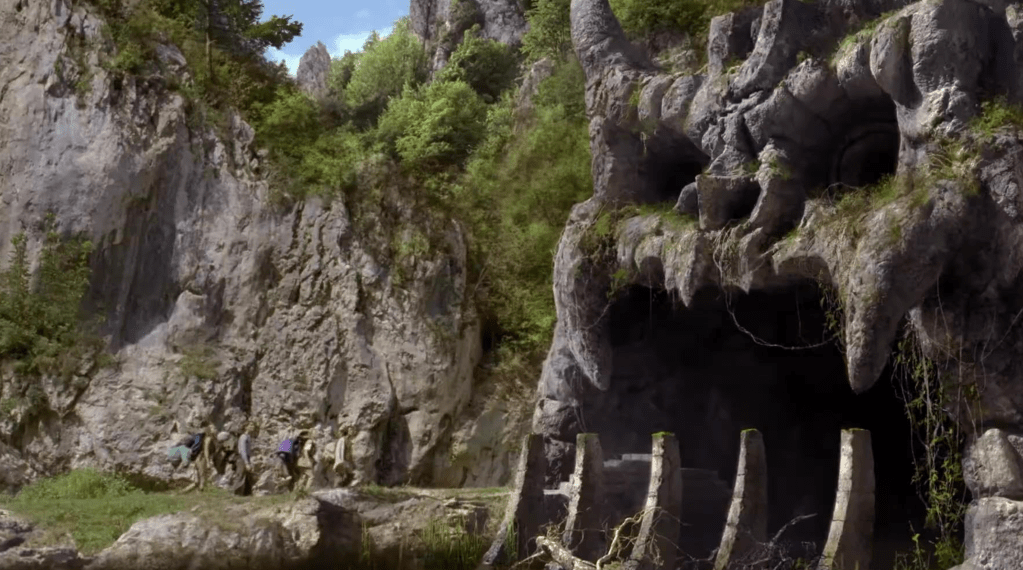
The explorers approach a skull-faced cave entrance in THE PRIMEVALS

Producer-director Charles Band was shown the promotional reel for the film and he agreed to fund the production through Charles Band Productions. But, once more, THE PRIMEVALS project ground to a halt after just a few months of preproduction. Then, in the early 1980s, the project was heavily advertised as part of Charles Band’s Empire Pictures slate of upcoming movies… but (you guessed it) THE PRIMEVALS failed to go beyond the preproduction stage at the studio. Damn it!

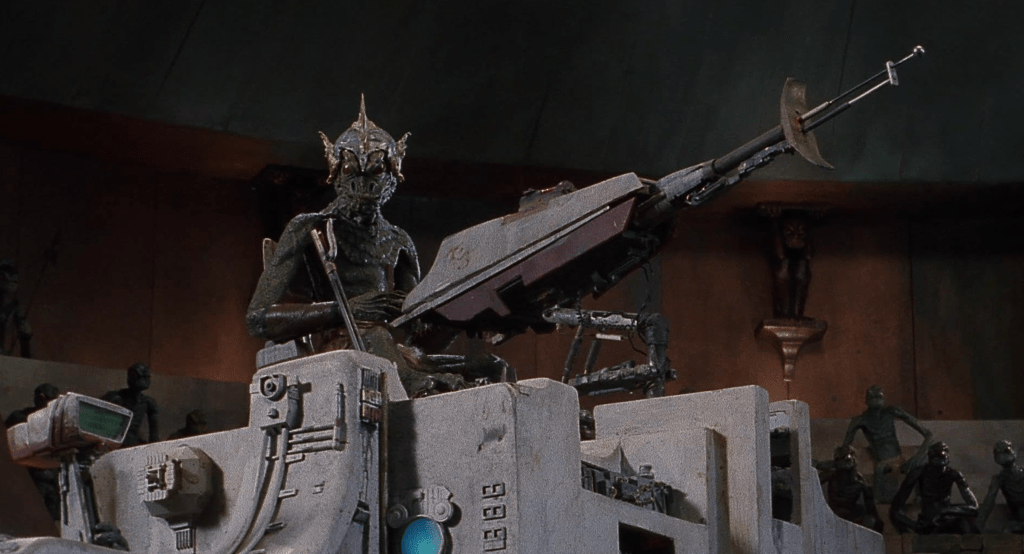
A stop-motion alien lizard-man with a ray gun, as seen in the finished film. What's not to like?!
A stop-motion alien lizard-man with a ray gun, as seen in the finished film. What’s not to like?!

THE PRIMEVALS concept was revived again when Charles Band started Full Moon Entertainment. This time the project did move past the preproduction stage! In 1994 much of the principal photography was shot in Romania. Other footage was filmed in the Dolomites mountain range in Italy. But then (there always seems to be another ‘but’ in this story!)… Full Moon got into financial difficulties, which interfered with the completion of the production, though Allen did continue, between other projects, to work on the film at irregular intervals.

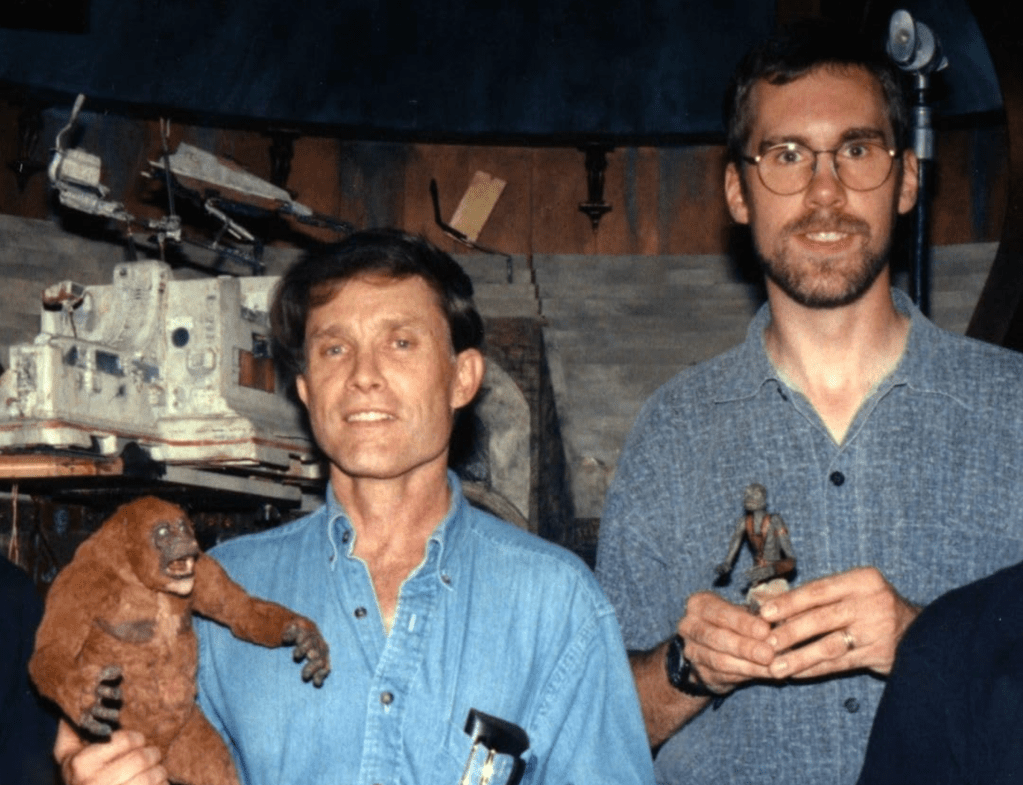
David Allen and Chris Endicott pose with stop-motion puppets

Then the ultimate tragedy occurred… when David Allen passed away, aged just of 54, in 1999.

David Allen had left the film elements, stop motion puppets, the storyboards, and all of his equipment in the care of his colleague Chris Endicott. Finally, in 2018, Charles Band launched an Indiegogo crowdfunding campaign to obtain completion funds for THE PRIMEVALS, and this resulted in enough money being raised to allow Chris Endicott to team-up with stop-motion animator Kent Burton and other talented visual effects artists to work on getting David Allen’s passion project finally finished. In 2023 the completed film was premiered at the Fantasia festival and it is now available for us to watch.

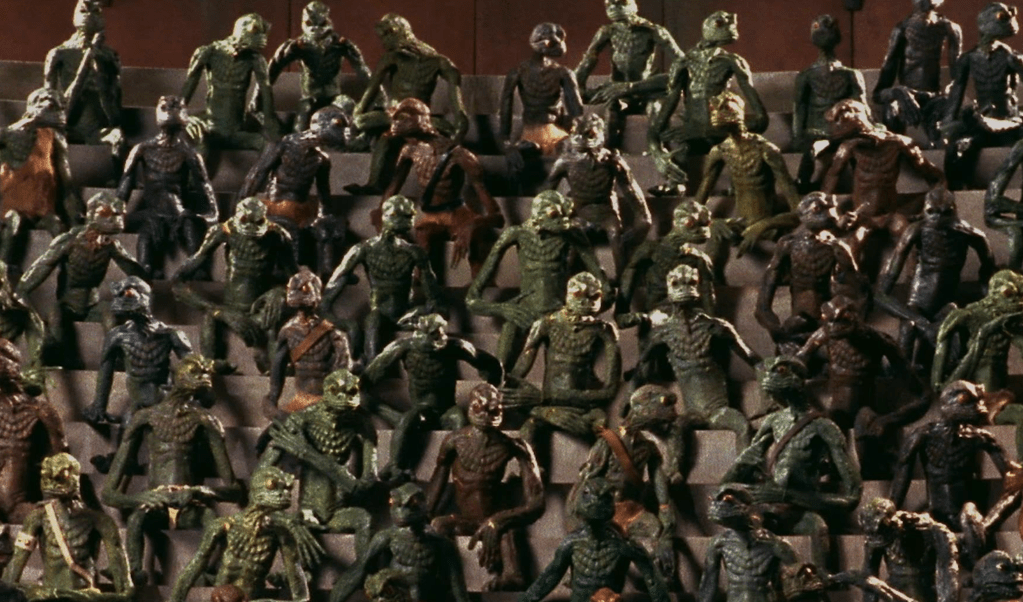
A crowd of reptile-aliens sit above the arena, watching the combat below

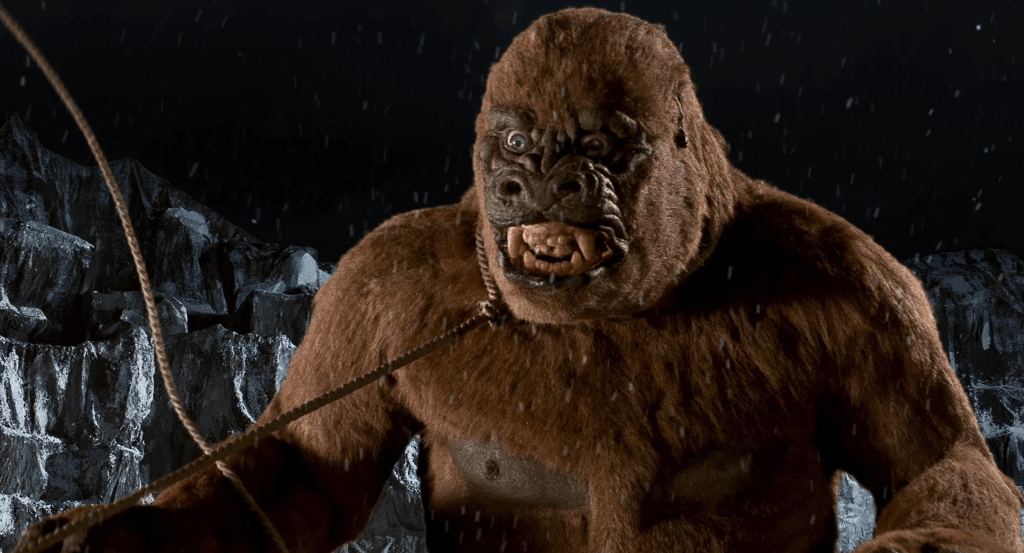
I must say I was over the moon when I eventually got to view THE PRIMEVALS and discovered I was about to be immediately treated to an opening mountain fight scene between sherpas and a big yeti. This is such a great stop-motion set piece! Honestly, this is as good as the creature sequences in Ray Harryhausen’s fantasy films. The yeti hominid creature is definitely a wonderful creation: it looks so good! In fact, this marvellous, massive yeti is so fine, the creature is a joy to look at even when it is displayed as an unmoving exhibit during the scenes at the university.

The amazing yeti roping scene that occurs at the start of the film!

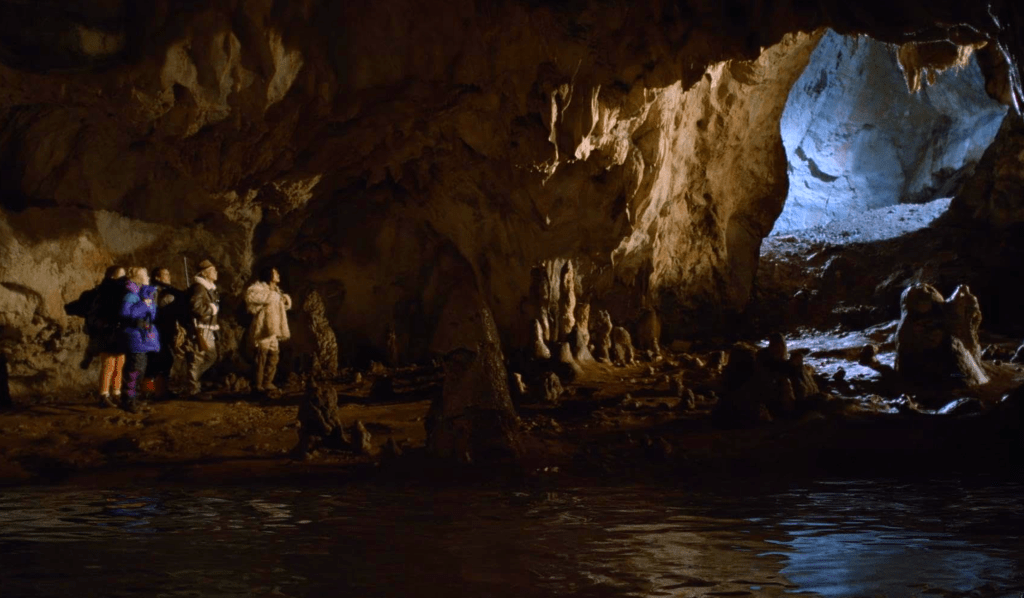
The film moves into explorers-on-a-quest mode next, as the protagonists trudge through cave systems and discover a lost valley. THE PRIMEVALS really exudes an old school adventure-fantasy vibe here, reminiscent of such productions as THE ISLAND AT THE TOP OF THE WORLD (1974) and JOURNEY TO THE CENTRE OF THE EARTH (1959).

I love scenes where characters explore caverns!

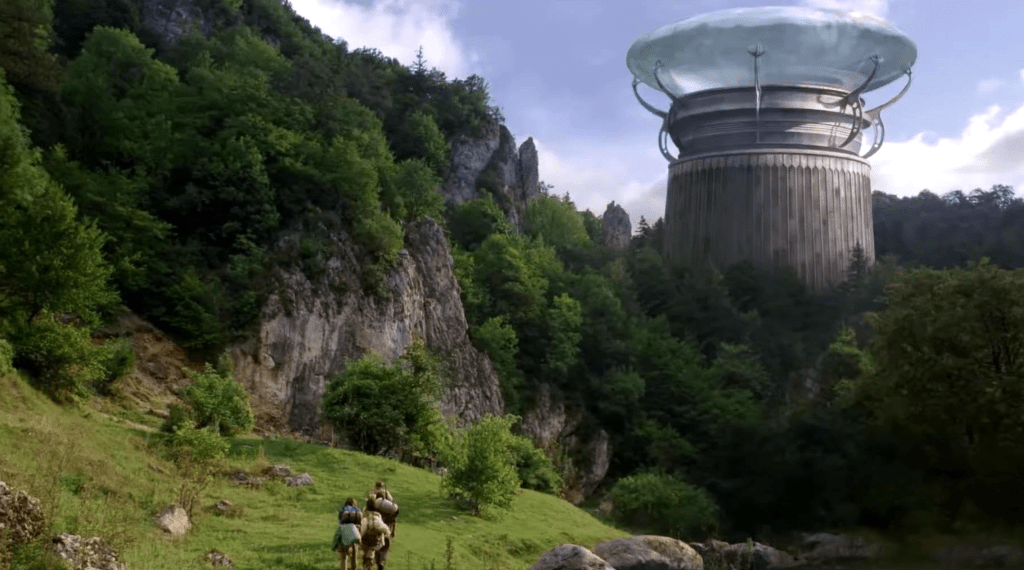
Once in the valley, through which a river runs, the group run across primitive hominid humans (actors in man-ape costumes) living in nicely-designed huts that are held aloft by stilt-like arrangements of branches. The scientists concur that the future-tech towers they’ve encountered must be part of a warming system that allows this hidden world to remain free of snow and harsh Himalayan weather.

The group approaches one of the alien towers

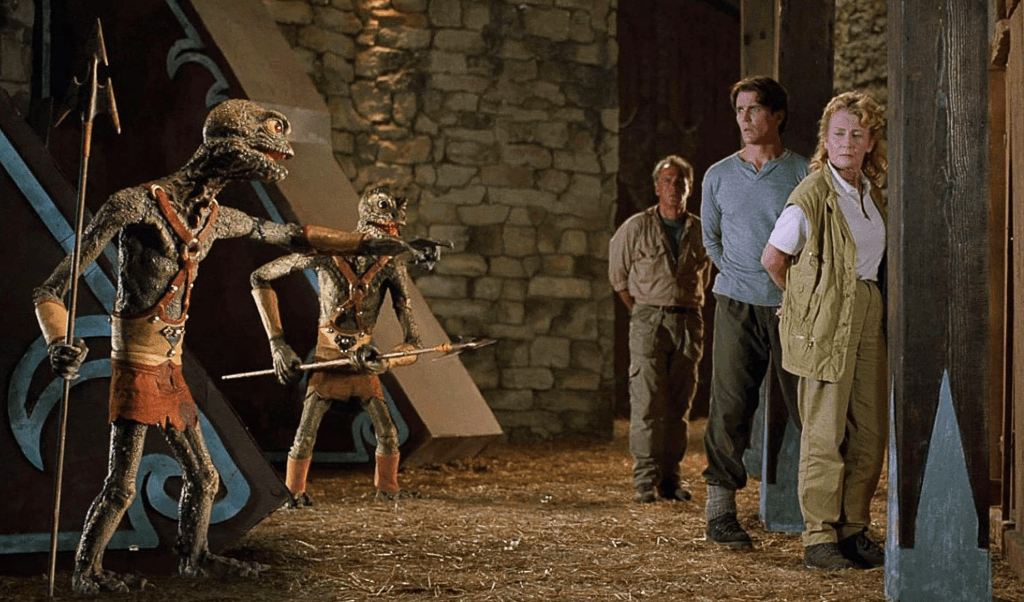
Soon our heroes discover a parked flying saucer, and this leads them to an encounter with alien reptile-people who live in a barbaric domain within the valley! The explorers are taken prisoner and placed in an arena, where they witness crowds of reptilian beings cheering on as a yeti is goaded (via fiendish implants) until it fights captured hominids! Can our heroes escape their predicament?!

A lizard-dude gunner zaps the yeti to make the creature fight in the arena

This film, for me, is like the cinematic equivalent of a well-made dish of comfort food: it has all the ingredients I adore, including characters journeying into a lost world, nice-looking stop-motion critters, a rousing orchestral score (by Richard Band), and a no-nonsense, pulpy adventure plot.

Another shot of the yeti on display in the university

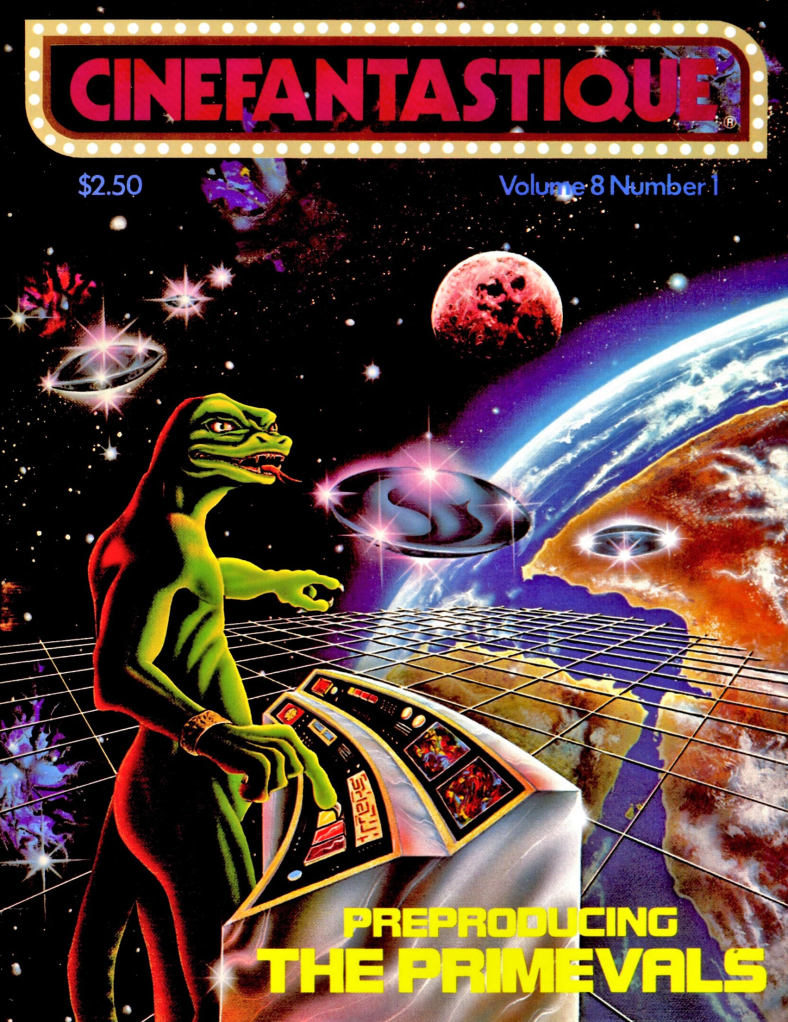
I would’ve liked to have seen at least one more stop-motion sequence in the mid-section of the film, but I understand that the filmmakers were constrained, needing to build on what was already shot and what they could achieve with the crowdfunding budget and the time that was available. There is one scene in the movie where characters talk about creatures they’ve spotted in the valley that are not normally-evolved animals, but we never see these beasts. So I assume this dialogue relates to scenes that were never completed. I remember seeing a concept drawing of a massive, horned River Lizard attacking a raft in an old issue of the magazine Cinefantasique, and this was definitely going to feature in the film, but, alas, the filmmakers were not able to complete the stop-motion for this part of the film. However, on the ‘David Allen Version’ disc (which is part of THE PRIMEVALS 3 Blu-ray Collection) the River Lizard sequence is presented with animatics based on Ron Lizorty’s design.
(There’s more info on the River Lizard in a feature at the end of this review…)

The issue of Cinefantasique that featured the river lizard preproduction drawing

But, hey, I’m not here to quibble. I appreciate what everyone (including those who contributed to earlier iterations of the project) did to help get this David Allen love letter to fantasy-pulp-adventure yarns onto the screen.

One of the protagonists, Matt Connor (played by Richard Joseph Paul), is held prisoner by the alien reptile folk


The main selling point of THE PRIMEVALS is obviously the effects: the stop-motion animation, plus the miniatures, the optical effects, the props, the makeup effects, the hominid body suits and the matte paintings. They all help make this such an entertaining film. The creative people (who toiled on the final revival production and others who were part of the 1978 crew) include David Allen (of course), Chris Endicott, Kent Burton, Kim Blanchette, Mark Sullivan, Trey Thomas, Wes Caefer, Ken Ralston, Paul Mandell, Dave Carson, Jena Holman, Brett White, Dennis Gordon, Phil Tippett, Randy Cook, Jim Danforth (who was a VFX production consultant), Kevin O’Neill, Doug Beswick, Andrea Von Sholly, Peter Kermode, Steve Neill, Dave Matherly and many more talented folks. Thank you all!

An angry lizard alien


The stop-motion animation in THE PRIMEVALS is such a delight!

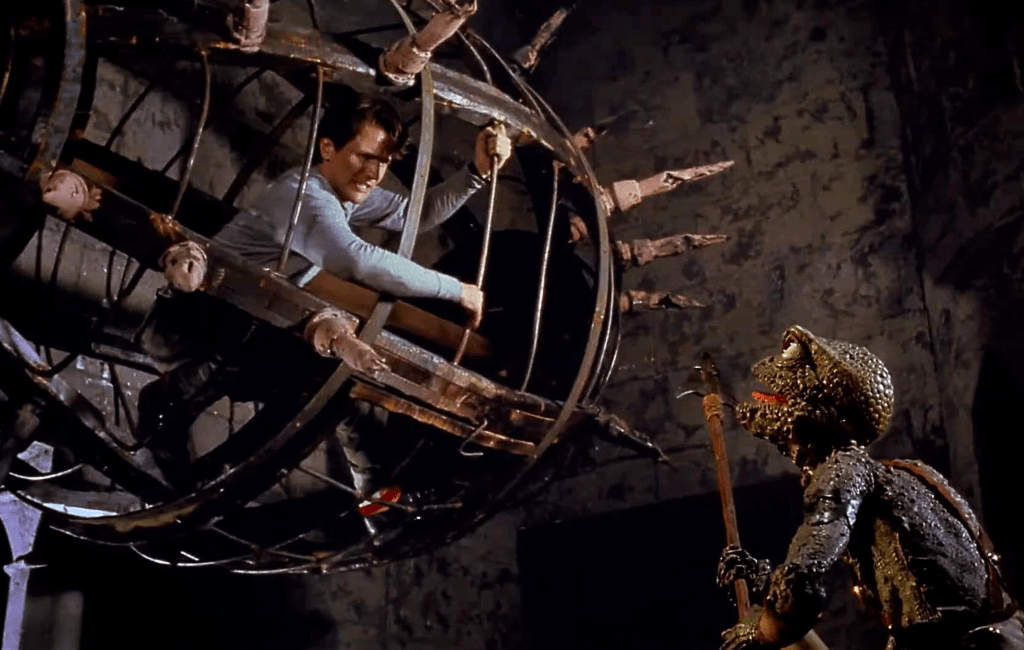
The long-armed lizard-men aliens are varied in their looks, wearing different bits of clothing, headgear and armour – and all of them have big-eyed, mean, scowling expressions. Their animation is wonderfully smooth, and the puppets are exquisitely detailed. They’re meant to be the cruel, savage descendants of the original reptile alien visitors, and the animators manage to convey the leering lizard-folks’ spiteful natures well.  

The reptile-men always look a bit pissed off!

The yetis are simply awesome. I presume the same puppet was used for the different yetis, and it is a stunning model. The yetis in THE PRIMEVALS are so fine-looking and impressive they will definitely become top fan-favourites with many stop-motion animation aficionados.

I love the yetis!
I love the yetis!

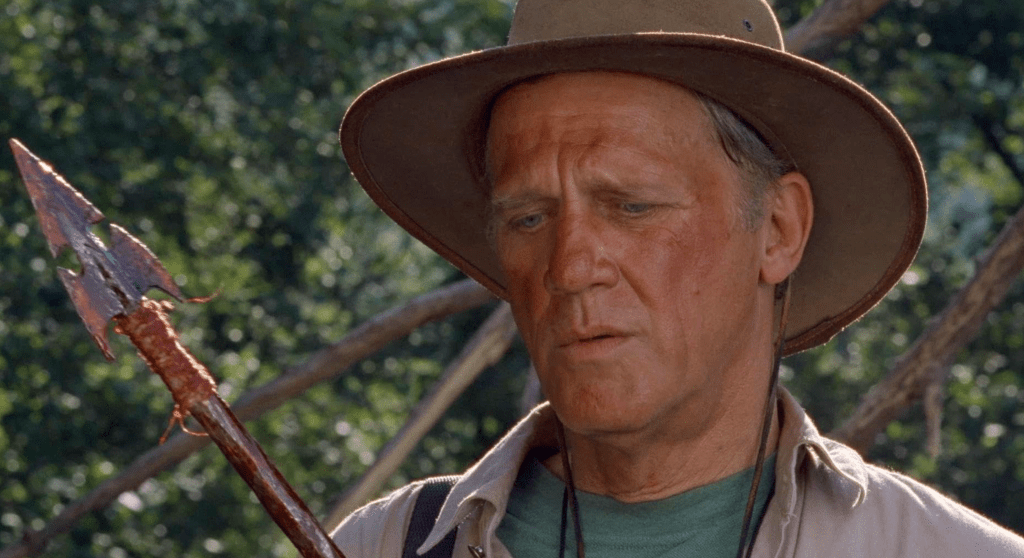
The cast, including Juliet Mills, is decent, though Richard Joseph Paul, playing Matt Connor (the student who predicted the existence of yetis), tends to have an open-mouthed expression that unfortunately makes him look a little vacant some of the time!  Leon Russom, however, is great as the magnificently-named Rondo Montana, contributing an old school, manly presence to the movie. 

Leon Russom plays Rondo Montana

But as I’ve said already, I’m not here to complain: if you want to watch a movie with they-don’t-make-them-like-that-anymore vibes, that boasts extremely professional stop-motion animation, apemen suits, skull-faced cave entrances, retro sci-fi tech, stone arenas and medieval weaponry… then this is definitely the film for you!    

'A civilization lost in time... invaded one million years ago.'
‘A civilization lost in time… invaded one million years ago.’

THE RIVER LIZARD

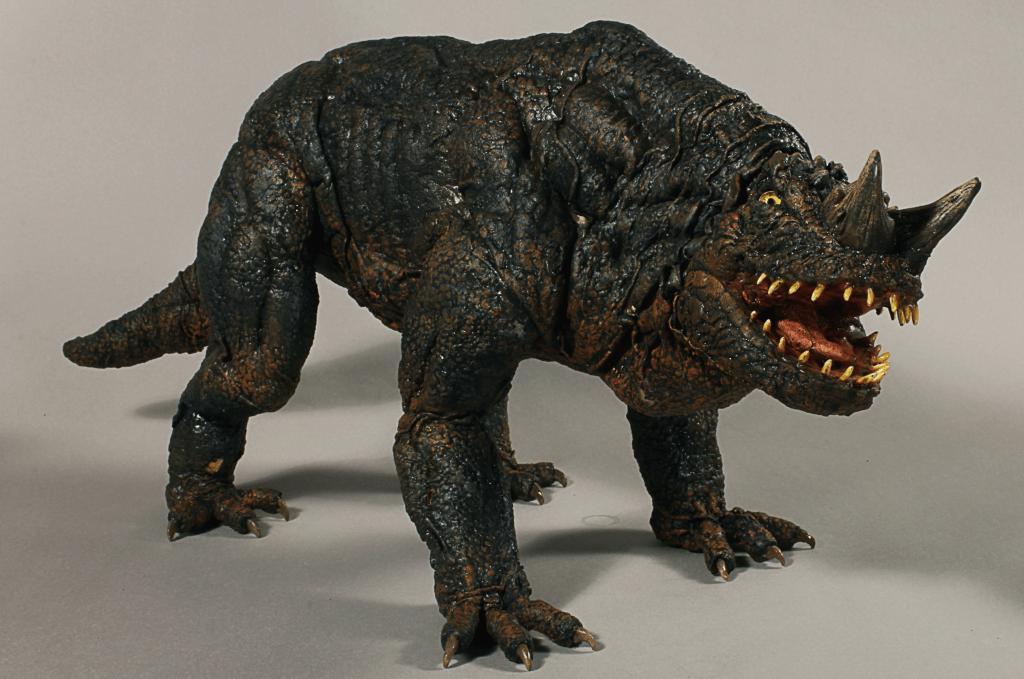
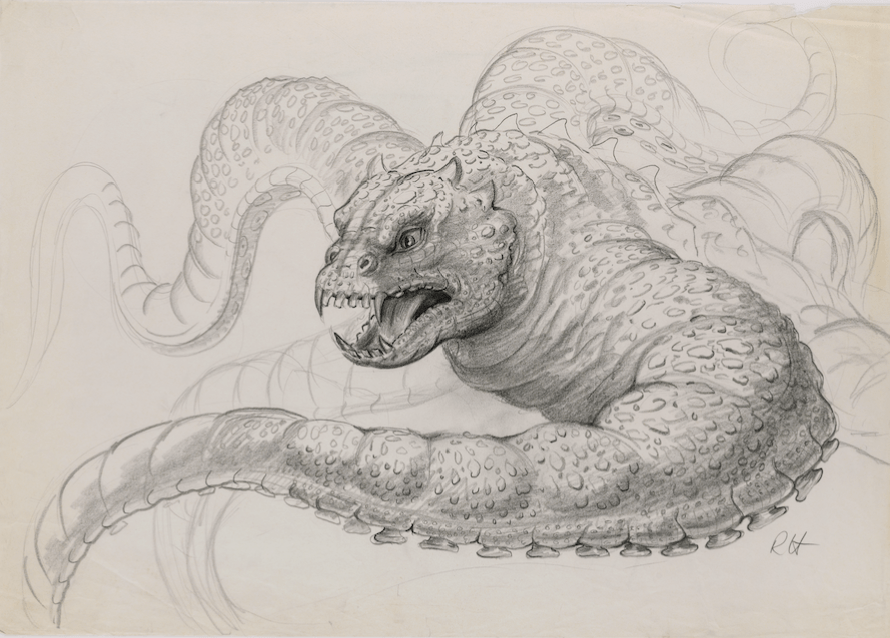
Ron Lizorty, Production Designer on THE PRIMEVALS, put lots of work into redesigning the original River Lizard, because David Allen had never cared for some of the anatomy choices on the earlier, original version of the reptile (made for RAIDERS OF THE STONE RING). Lizorty co-designed the armature with Allen, did most of the armature tooling, then did the build-up of the beast with a detailed skin he sculpted and stretched over the muscles, using a puppet-building approach similar to the techniques sculptor and model-maker Marcel (KING KONG) Delgado utilised on his films. Lizorty’s model was truly magnificent-looking, and it would’ve been an astounding stop-motion addition to the movie, that is for sure.

The magnificent River Lizard stop-motion puppet!
The wonderful River Lizard stop-motion puppet!

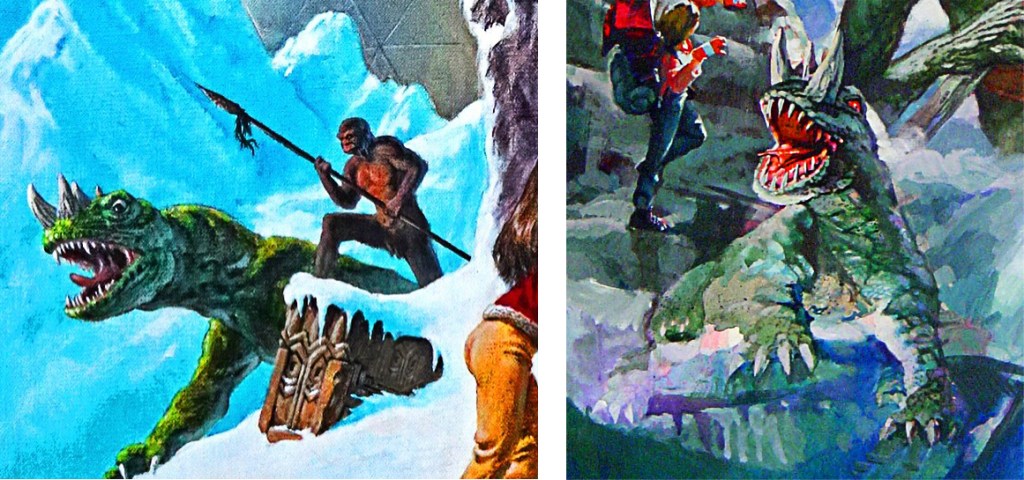
Chris Endicott confirmed that this horned lizard was definitely intended to be in David’s finished film, but, for various reasons (the original camera negative for most of that sequence was lost by Full Moon, and Full Moon was never prepared to allocate the money nor the time to complete the film entirely, and so compromises had to be made), the reptile wasn’t included in the released movie. However, because Full Moon had created all the promotional artwork for THE PRIMEVALS long before the film was released, the River Lizard does feature in much of the promo art…

Details from two promo illustrations, showing the horned lizard, even though the beautiful brute never made it into the film. Shame!
Details from two promo illustrations, showing the horned River Lizard, even though the beautiful brute never made it into the film. Shame!

Creature Concepts for Unmade Movies

I’ve always been very intrigued by the accounts I’ve read of films that were never ultimately made. And when it comes to monster movies, I really feel a twinge of ‘if only’ regret when I see preproduction concept artwork, test footage or maquette models that show beasts that might have featured in these productions but failed to find their way onto the silver screen.

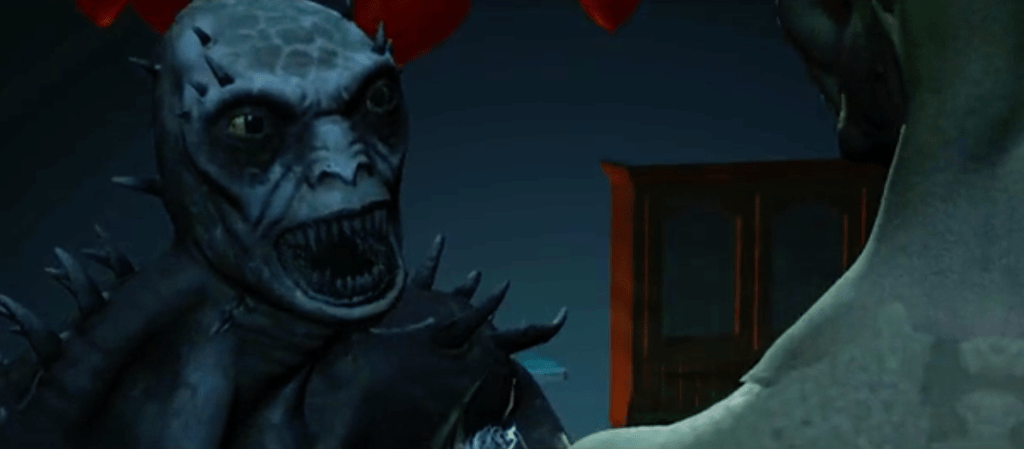
The creature featured in CGI test footage for Guillermo Del Toro's unmade adaptation of AT THE MOUNTAINS OF MADNESS
The creature featured in CGI test footage for Guillermo Del Toro’s unmade adaptation of AT THE MOUNTAINS OF MADNESS

Here’s a whole menagerie of marvellous monsters that didn’t make it into a movie…

GLADIATORS VS WEREWOLVES: EDGE OF EMPIRE

A armour-wearing wolf-warrior! Woot!

Check out the plot for this unmade creature/action feature: The film would have been set in AD 160 when the Roman Empire occupies Ancient Britain. Hadrian’s Wall divides the land, built to keep back the northern warrior tribes, and something far more dangerous… a clan of savage wolf-like creatures which roam the lowlands! When word reaches Governor Flavius that the Emperor has decreed that new, more fearsome beasts should be captured for the games, the ambitious Governor, who has heard rumours of the fierce wolf-beasts beyond the great wall, senses an opportunity to win favour with the Emperor. So a Centurion named Titus is given orders to hunt down and trap the wolf-creatures. Eventually, Titus and his men discover a warrior clan with the ability to transform at will into mighty, armour-clad werewolves! There is a fierce battle, the were-beasts kill half of the legionaries, but Titus and his surviving men manage to escape and then ensnare the pursuing werewolves. The Governor is obviously delighted that he has these new ferocious fighting savages, but Titus comes to realise that anyone bitten by a werewolf is cursed to become one too. He warns the Governor that the werewolves pose a grave threat if they increase their numbers, but Titus’s reward for warning the Governor is to be stripped of his rank and thrown into the arena… where the fierceness of the creatures will be tested. Titus and the land’s top gladiators are now pitted against the ferocious werewolves, but the beasts are powerful and smart. For every two fighters they slay, they leave one wounded and alive… and Titus’s fears are confirmed; the werewolves are building an army! The final day of the games will be a blood and thunder battle, more savage than any Roman has seen or experienced before…

Well, that would’ve been one hell of a cool historical monster-horror-action film if it’d got made! But the project, now titled EMPIRE OF THE WOLF, seems to be trapped in development hell. The film did enter preproduction for a while, but then everything halted. The script (by Rob Green) has since been optioned and re-optioned a few times, but the production looks no closer to finally starting.

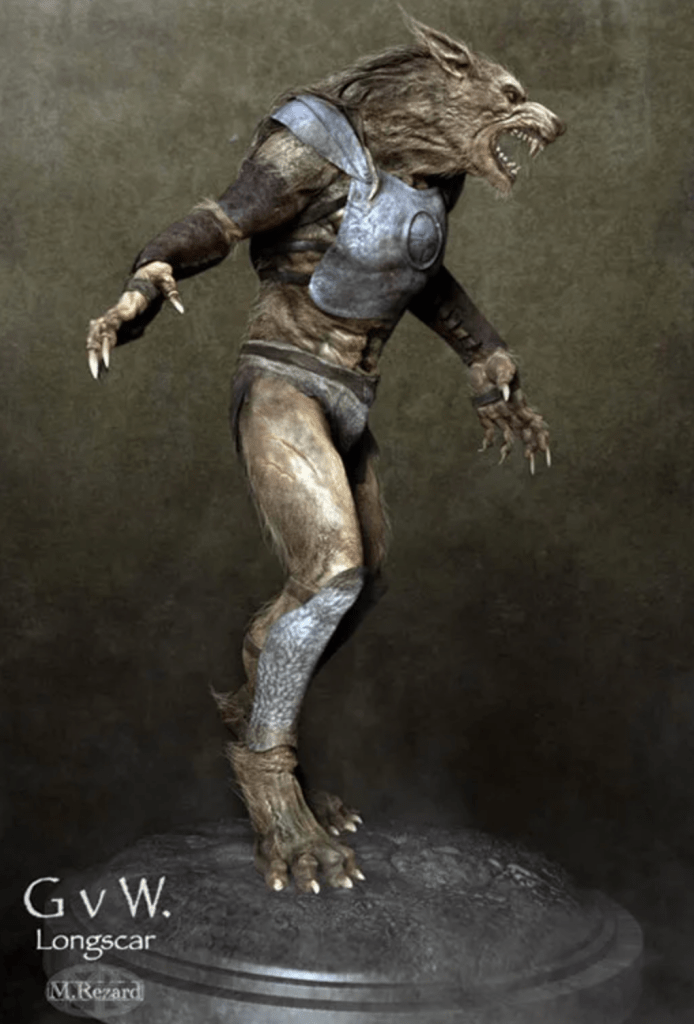
During the preproduction stage, Martin Rezard (a talented character and creature designer who has worked on films including  JURASSIC WORLD: FALLEN KINGDOM, WORLD WAR Z, ROGUE ONE, PROMETHEUS, and many more) did produce a very nice-looking design for a character called Longscar. This were-dude would really have looked amazing on the big screen!

Above: Three shots of the were-warrior Longscar

THE ALIEN SHEEP FROM VINCENT WARD’S UNMADE VERSION OF ALIEN 3

Vincent Ward, director of the wonderful THE NAVIGATOR: A MEDIEVAL ODYSSEY (1988), co-wrote a 1990 script draft for a sequel to ALIENS with John Fasano. (Ward and Fasano were actually the fourth and fifth of ten different writers to tackle the ALIEN³ project. Two of the other writers were William Gibson and Eric Red).

Ward and Fasano’s script remains the most famous of the unmade ALIEN³ screenplays because it is so outlandishly imaginative. It was set on a monastery satellite called Arceon, which was mainly constructed of wood and crewed by monks who were members of a Christian and technology-hostile sect. Much of the plot and some of the characters from Ward’s script were ultimately combined with the prison setting from David Twohy’s proposed script to form the basis of the filmed version of ALIEN³.

(NOTE: The core of the satellite/planetoid was not made of wood; it was covered in wood, like scaffolding that had grown outwards from a technological centre. This modification was to make the satellite bear a resemblance to an ancient abbey.)

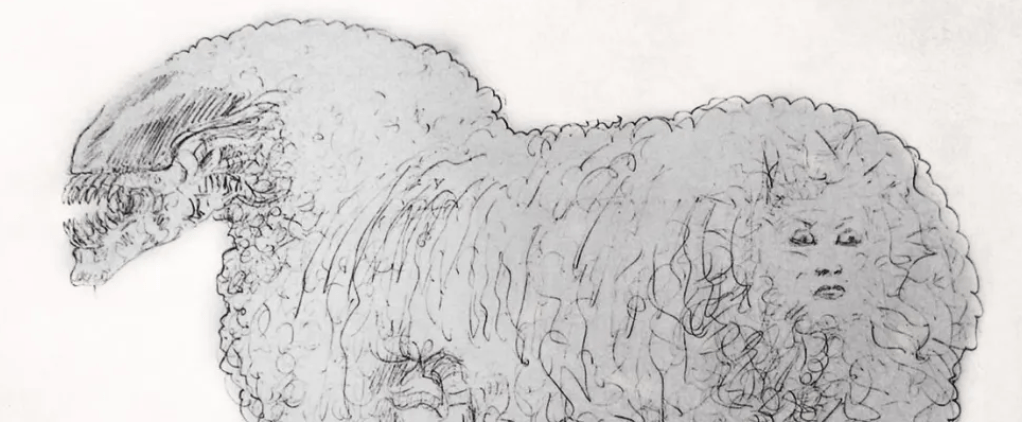
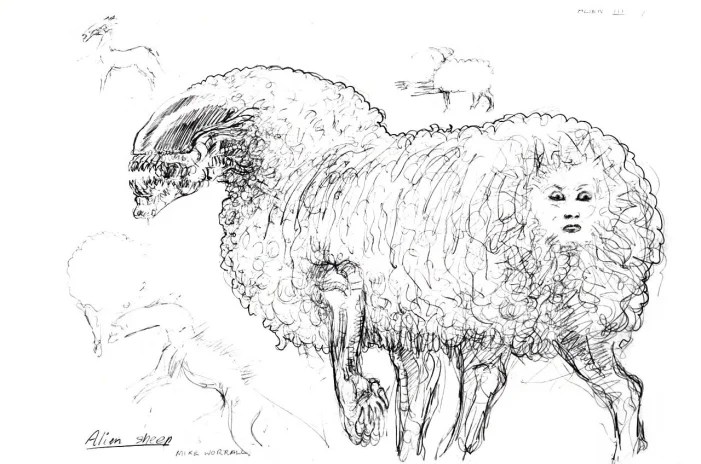
In Ward and Fasano’s script a sheep on board the satellite becomes a host to the alien. The animal explodes in a shower of gore and a young Alien exits the carcass. This is how the creature was described; ‘It shows the characteristics of the animal in which it has gestated. Tiny razor sharp teeth and black, glass-like eyes peer from an elongated head covered with downy, but gore-matted WOOL. A quadruped, its shrunken hind legs struggling to free itself from the cooling morass of intestines.’

A Sheep-Alien!
A Sheep-Alien!

Mike Worrall, working as Ideas Artist on the project, produced concept artwork for the sheep-xenomorph, which shows how the sheep-creature had a very Alien-esque head. But what is most startling with this concept is the human face situated where its arse should be!  Well, Vincent Ward was very interested in Medieval imagery and concepts, so I think this face-on-a-butt idea is very much influenced by the kinds of medieval artwork that frequently depicted devils & demons with human faces on their arses.

Alien-sheep

Anyway, the production of Ward’s version of the script did begin, with entire sections of the wooden planetoid/satellite (which included sections of the abbey) being constructed. So, when it was decided to can Ward’s project, it was decided to keep much of what had been built to use in the new version, to be directed by David Fincher, because of the amount of money already invested in the production. That’s why you can occasionally spot Gothic arches and church trappings lining the prison sets in the David Fincher film.

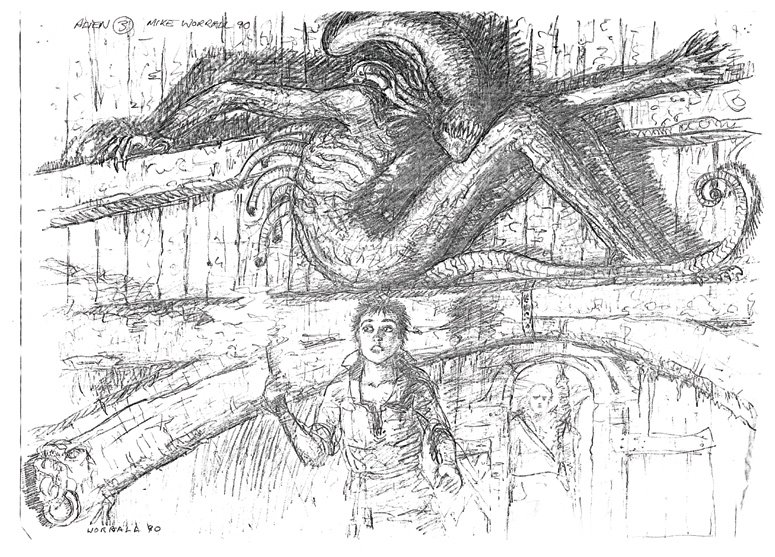
Mike Worrall's concept art showing the adult xenomorph
Mike Worrall’s concept art showing the adult xenomorph

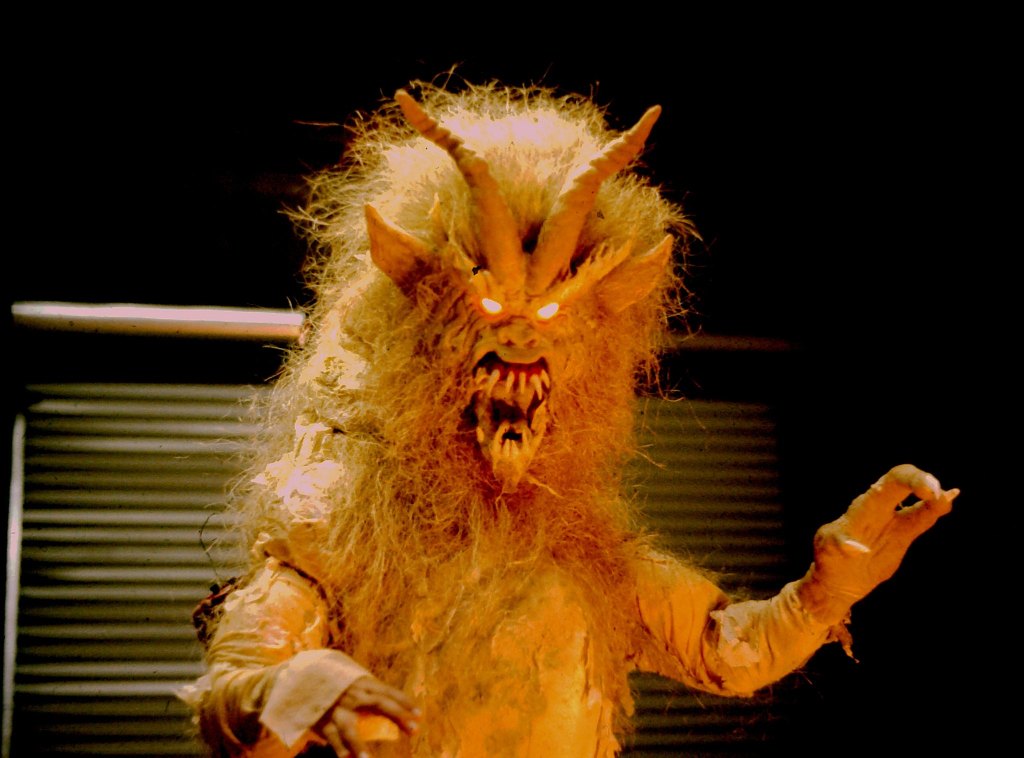
CURSE OF THE DEMON

Curse of the Demon
Curse of the Demon

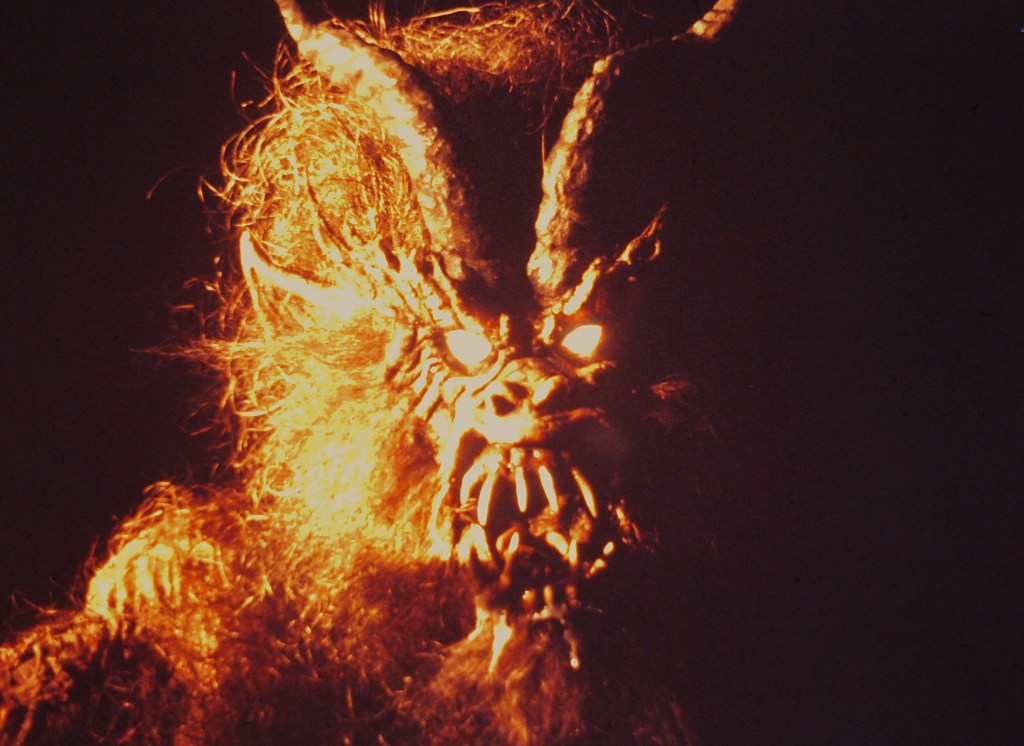
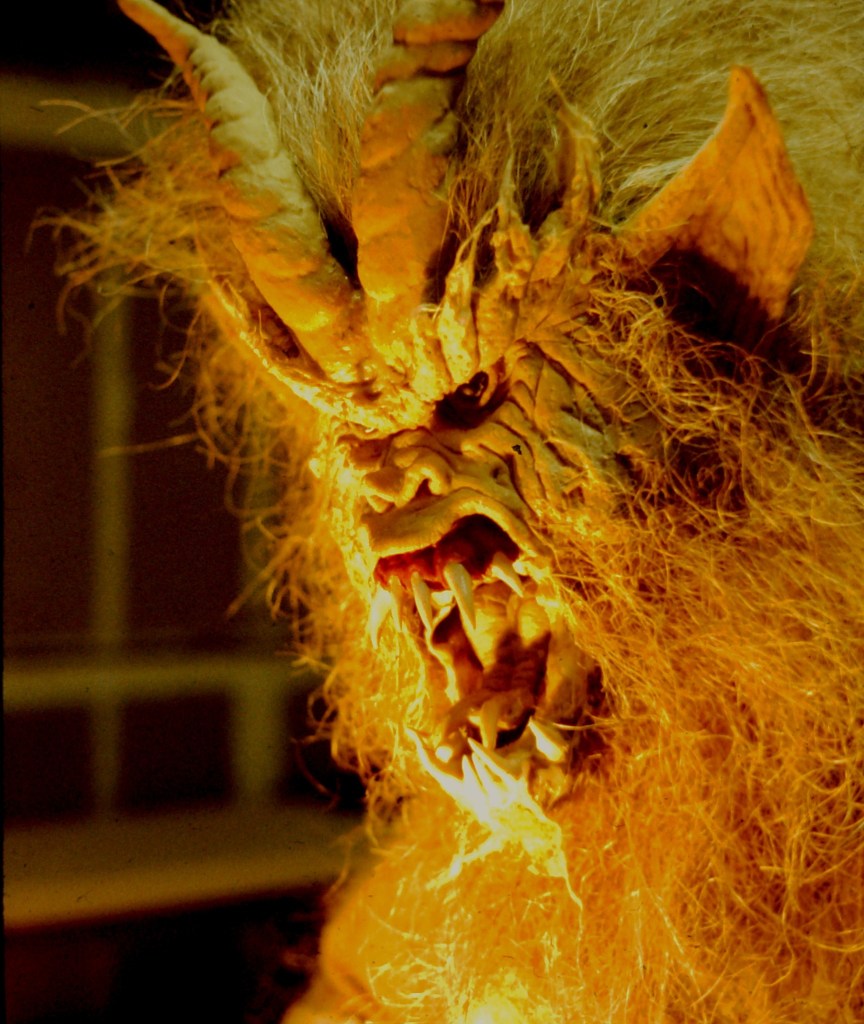
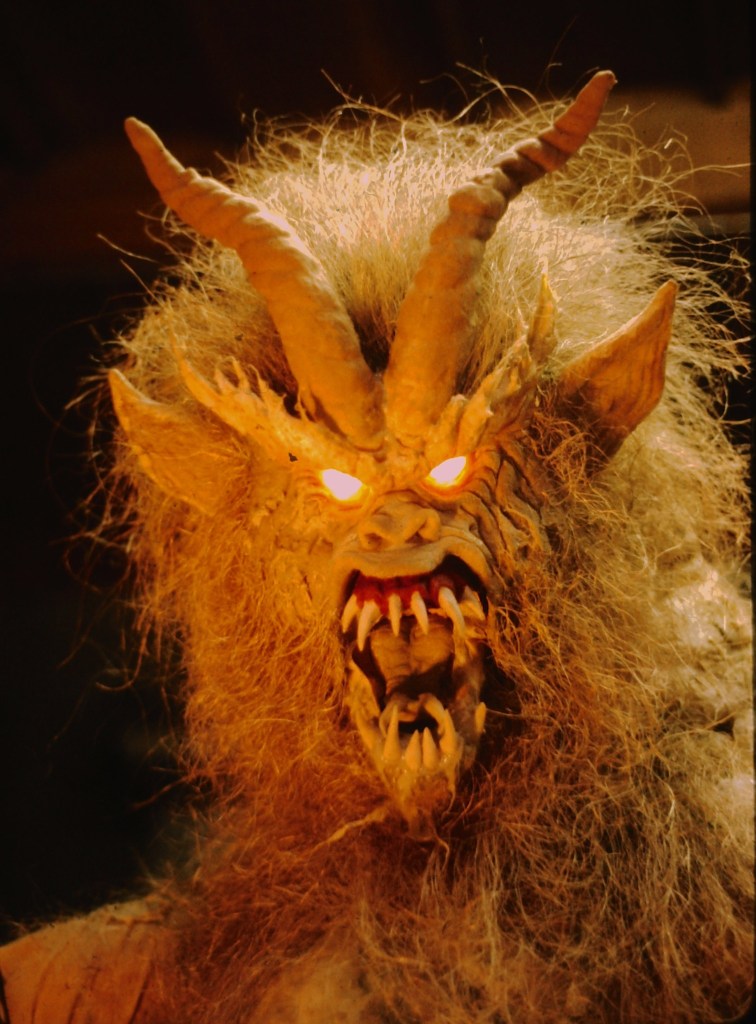
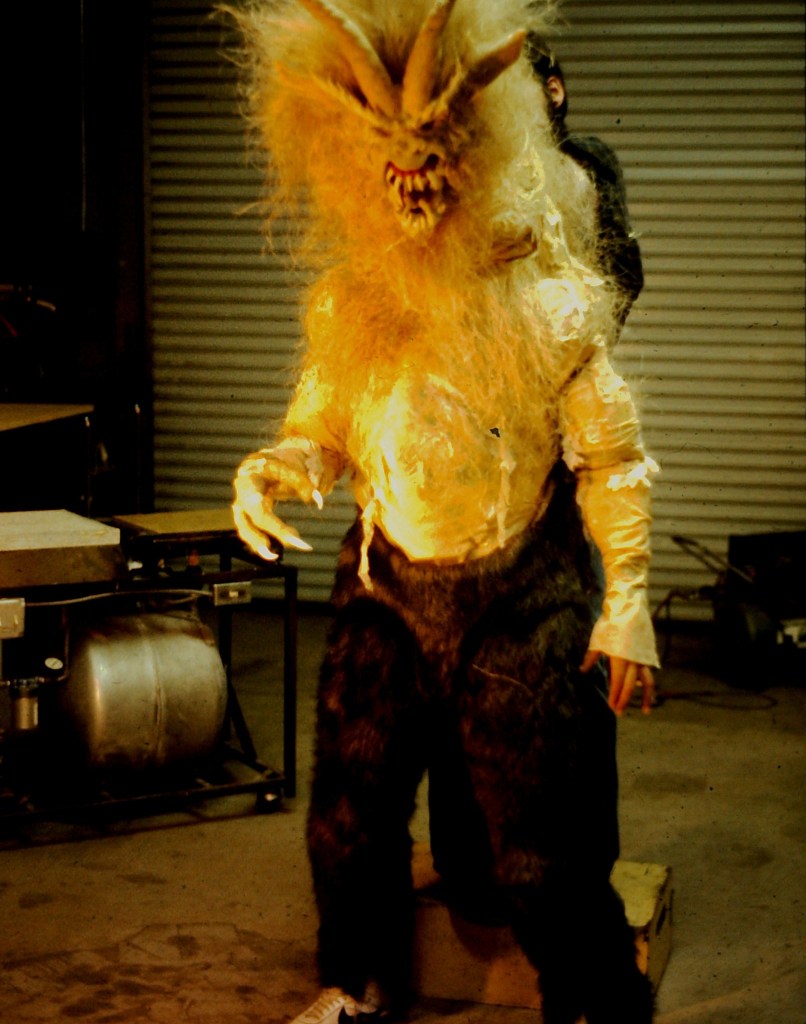
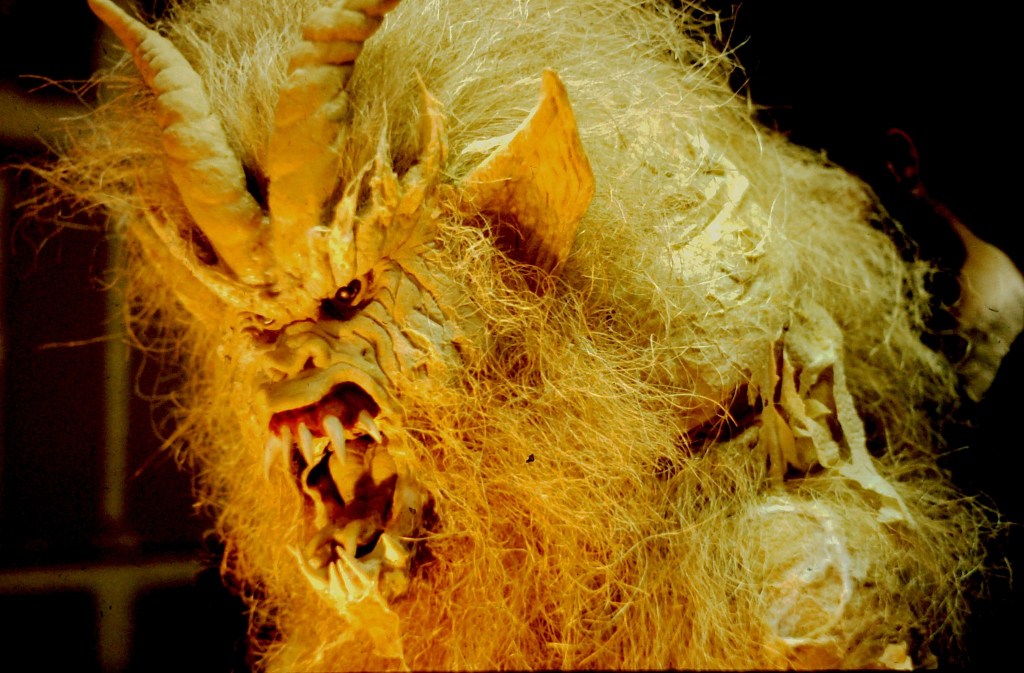
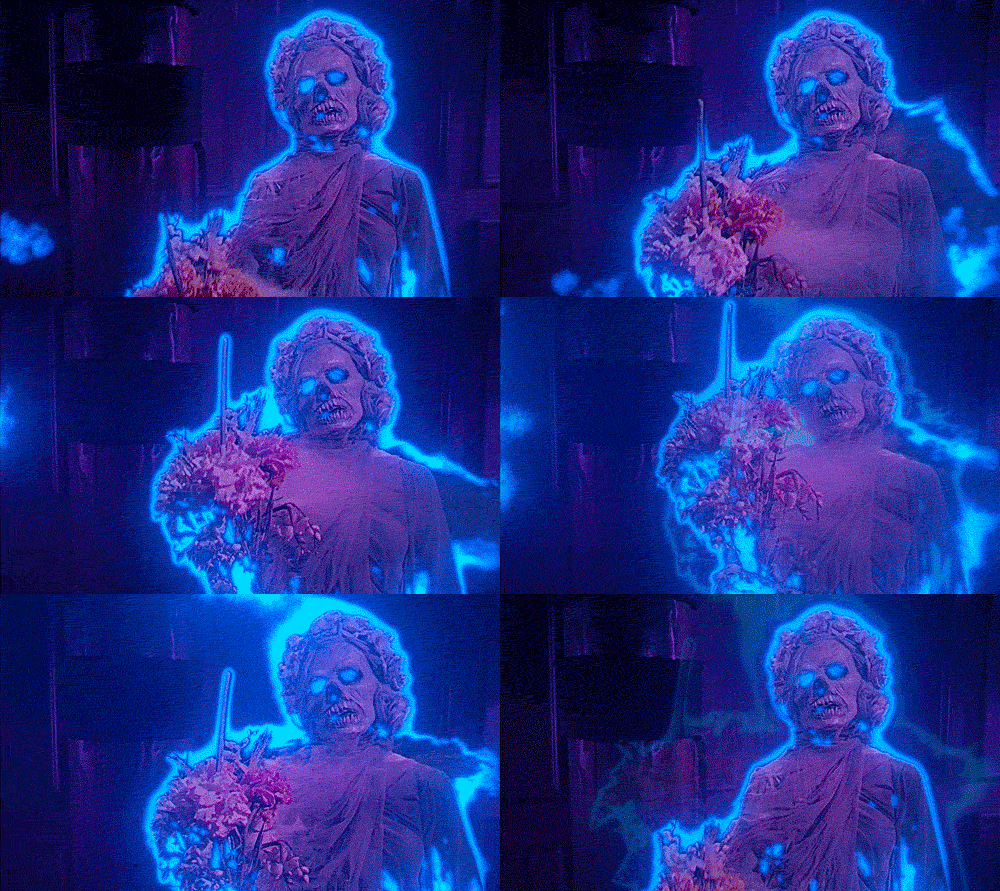
There were plans to produce an extremely low budget remake of CURSE OF THE DEMON. Makeup FX maestro Chris Walas did a whole bunch of stuff for the project, but, for him, the demon was the most enjoyable, fun part. As Chris admits, the demon was a low-cost creation: “Cheap as anything, sisal fiber for hair, etc. It was a two person puppet/suit. It was meant to only be shot waist up, high contrast and in smoke.”

Chris says that shooting did begin for the film, out at the Trona Pinnacles at China Lake, but then the funding fell through. It was never finished, unfortunately. Chris has said that he would have loved to have seen this one on screen. Oh well, such a shame that isn’t to be…

Above: five behind the scenes shots of Chris Walas' demon creation!
Above: five behind the scenes shots of Chris Walas’ demon creation!

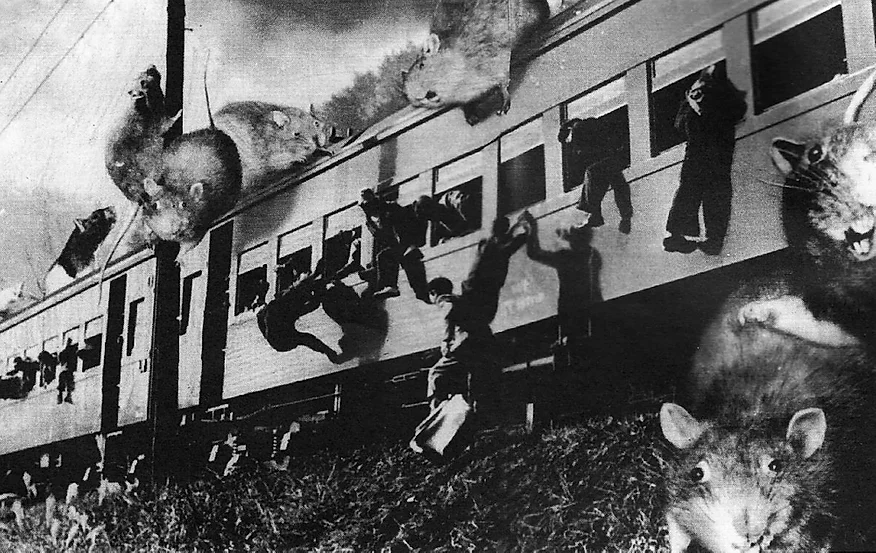
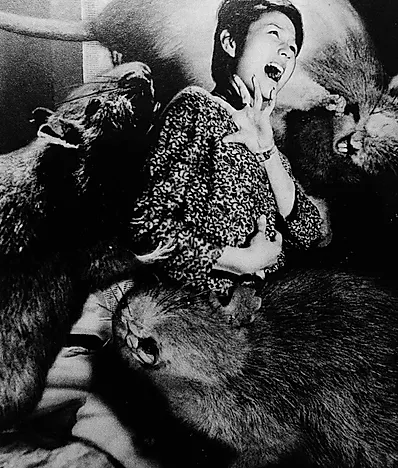
GIANT HORDE BEAST NEZURA

After the success of Toho’s GODZILLA, rival company Daiei Film Co. wanted to produce their own creature feature. It was going to be called… GIANT HORDE BEAST NEZURA.

The plot focused on a new high-calorie superfood called S602, which is dumped after it seems human test subjects reacted badly to it. Rats eat the dumped superfood, they begin to grow larger, they attack people and livestock, then the killer rodents head for Tokyo… and a super-large rat called Nezura leads this vicious rat-swarm! In the plot the rats and Nezura are finally beaten when the rats become so aggressive they turn on each other in a cannibalistic feeding frenzy.

GIANT HORDE BEAST NEZURA actually started production in 1963, but it was eventually halted, and Daiei instead made GAMERA: THE GIANT MONSTER.

Nazura would’ve been played, of course, by a man in a creature costume. Here are two rat-tastic publicity stills that were created for the flick before the production was shut down…

Peter Berg’s DUNE

In the late 2000s, Paramount Pictures attempted to make their adaptation of DUNE for the big screen. They chose Peter Berg, director of THE KINGDOM (2007), HANCOCK (2008) and BATTLESHIP (2012), to helm the project.

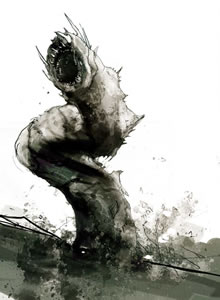
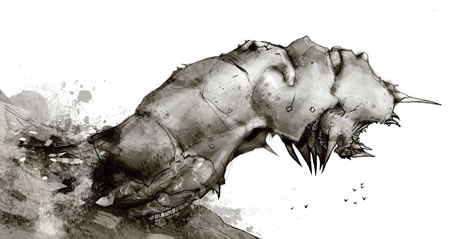
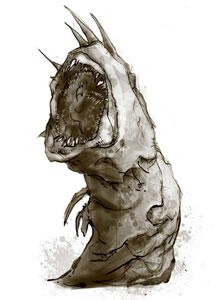
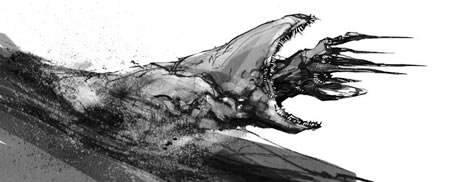
British comic book artist Jock was brought on by Berg to do some concept art, and he did a series of pieces, including, of course, designs for the famous sandworms.

Above: five sandworm concepts by Jock (Mark Simpson)

But by late 2009 Peter Berg and his production company had dropped completely out of the DUNE project. Then, in January 2010, it was revealed that Pierre Morel, director of DISTRICT B13 (2004) and TAKEN (2008), had been hired, but he too would finally exit the director’s chair. Finally, the rights expired and Paramount’s four-year journey to adapt Frank Herbert’s novel came to an end.

Paul Blaisdell’s ALLOSAURUS

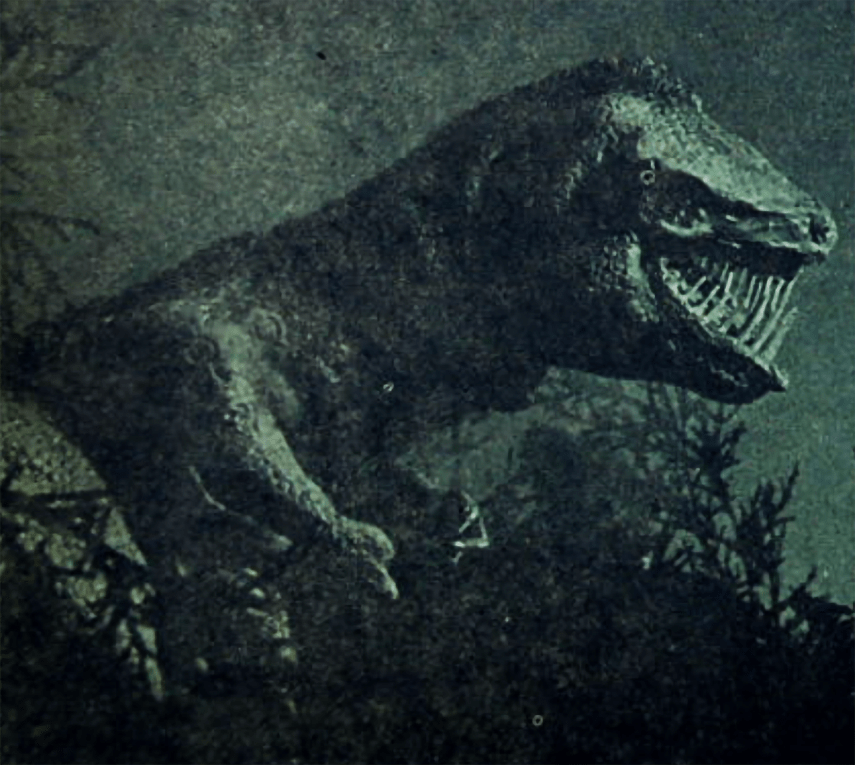
Special effects artist Paul (INVASION OF THE SAUCERMEN) Blaisdell and editor/actor/super-fan Bob Burns teamed-up in 1962 to publish a short-lived magazine called Fantastic Monsters of the Films. They shot a 16mm short called THE CLIFF MONSTER, featuring a model creature that Blaisdell had built. This clockwork humanoid beast could be wound up and ‘programmed’ to make certain movements. This home movie was available for purchase (in both 8mm and 16mm editions) via the pages of their magazine. Blaisdell also created an eighteen-inch mechanical model of a carnivorous dinosaur, which could also be programmed to perform some independent moves. Blaisdell took some photos of this prehistoric predator but, unfortunately, he never got around to shooting any footage of it in action.

A photo of Paul Blaisdell's mechanical Allosaurus
A photo of Paul Blaisdell’s mechanical Allosaurus

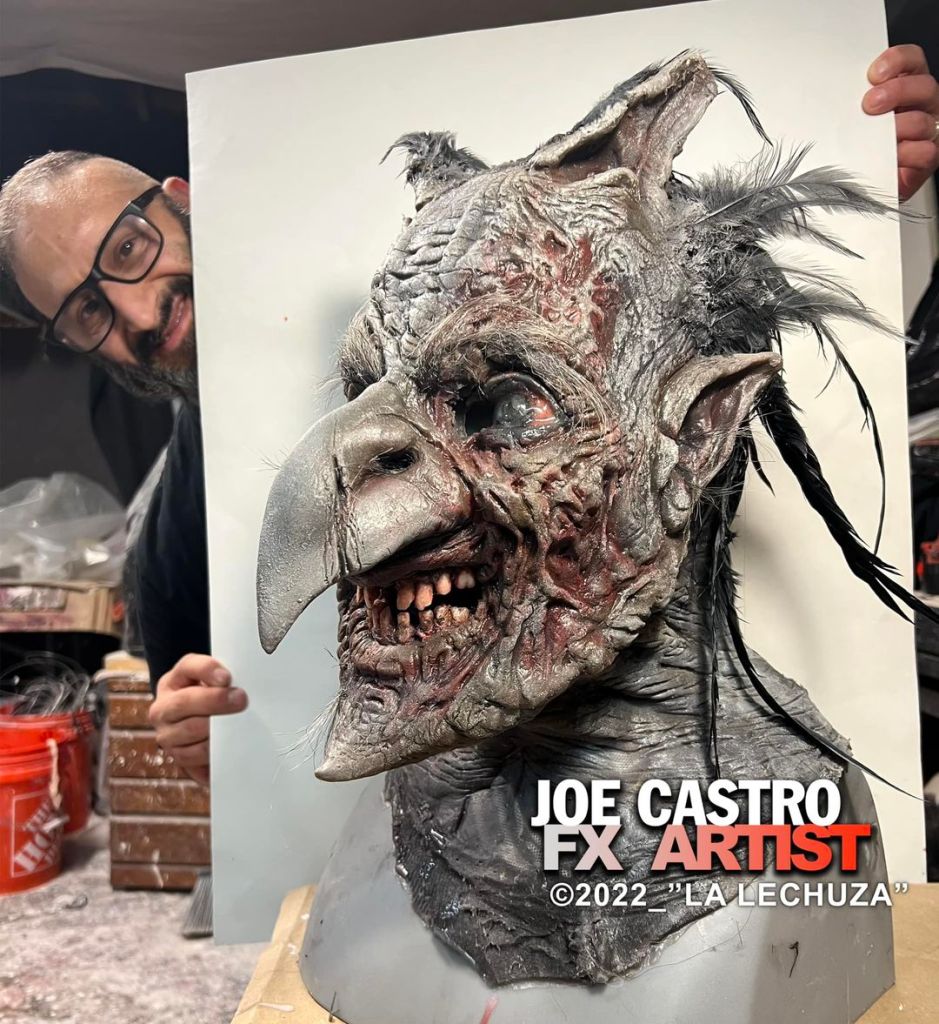
LA LECHUZA

What an awesome bird-critter!

This film would have focused on the Lechuza (the Spanish word for owl): this is a myth popular throughout northern Mexico and Texas, and the plot would have featured an old woman who shapeshifts into a giant owl: La Lechuza! The beaked creature would have taken revenge on the people who had wronged the old woman during her life.

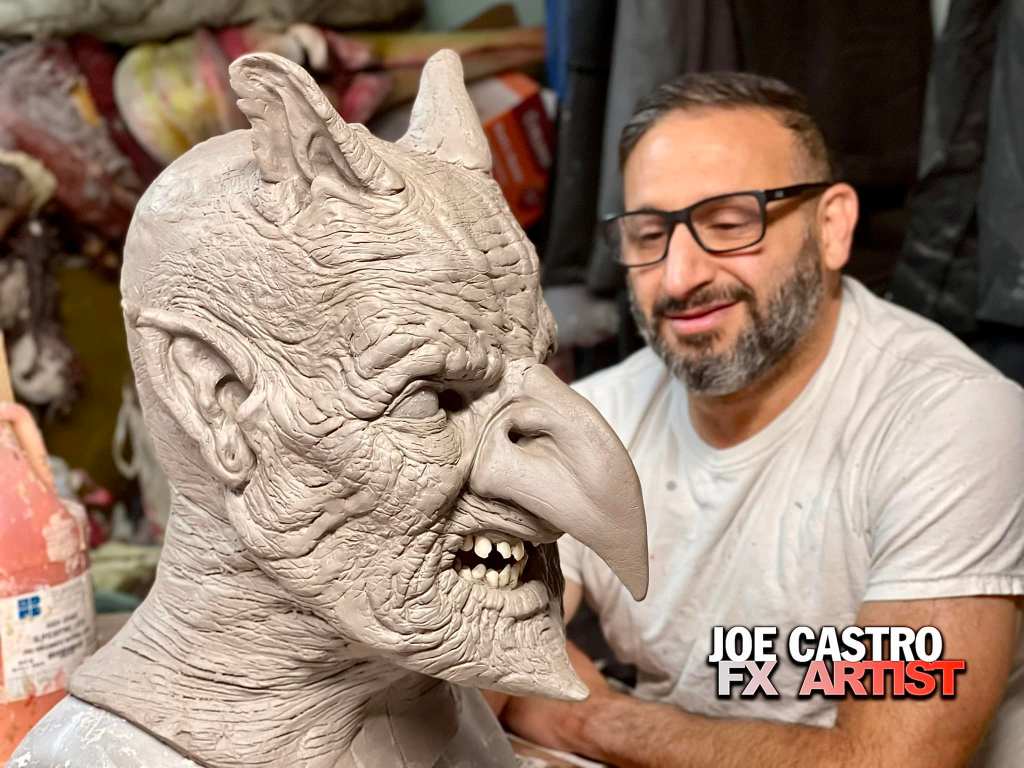
The talented special effects artist Joe (TERROR TOONS) Castro built an amazing-looking Lechuza monster head for this project, but the film remains on hold, and Joe has said that he doesn’t know if it will ever be shot. Man, I wish this movie would go into production: I’d love to see Joe’s beaked owl-beast rampaging across the screen!

Joe sculpting the Lechuza

THE PIKE

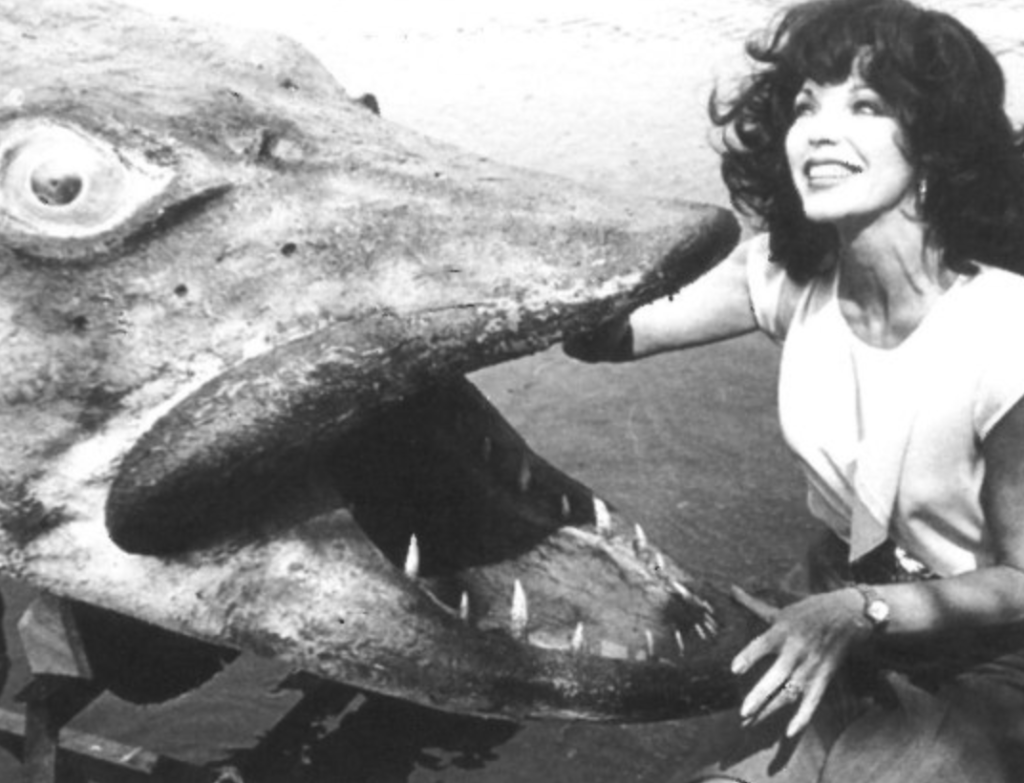
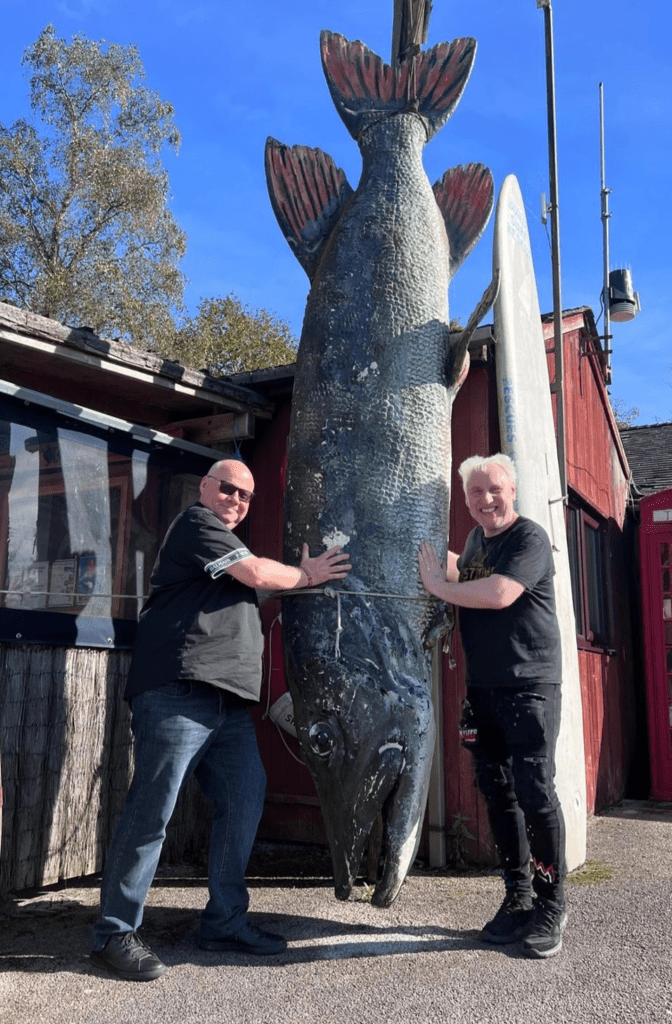
Cliff Twemlow’s ill-fated UK-set killer pike project, based on his own pulp novel, would have starred Joan Collins and Jack Hedley. The opening scene of the film would have involved a lone fisherman sitting on a pier with his legs dangling over the jetty side. The camera was to be the eyes of the giant pike looking at the dangling legs. The camera would have moved faster and faster to its prey, and the music (a la JAWS) would have speeded up too. There would have been a great swirl of water, utter silence… and all that was to be seen on the bloody surface of Lake Windermere was the fisherman’s hat.

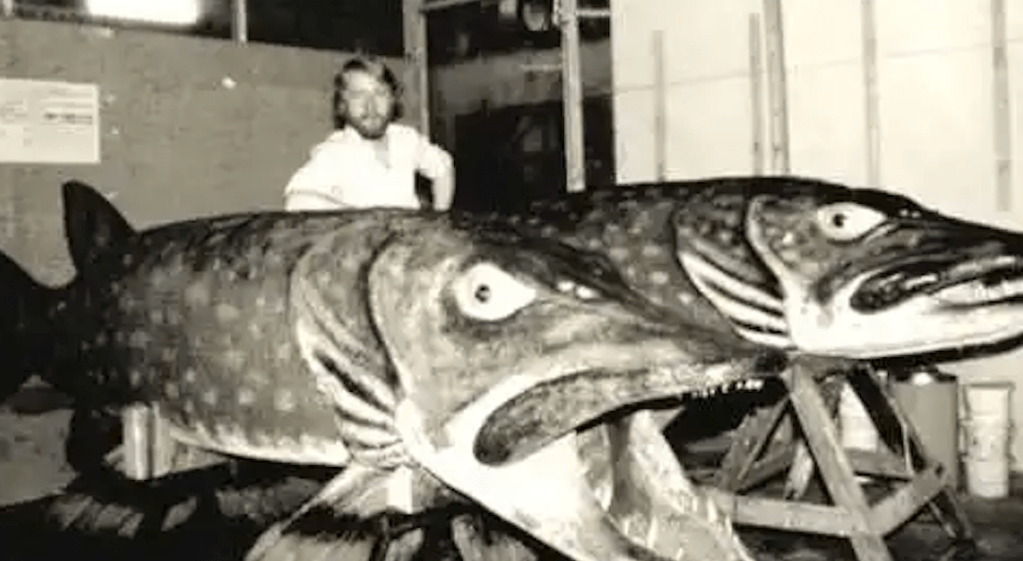
The film never finally happened, unfortunately, due to technical difficulties and lack of funding. Before this monster fish movie floundered and died, two large model pikes were designed and created by Charles Wyatt. One was a 12 foot pike with a radio controlled motor installed inside it to propel the fish on the water’s surface. The other pike was a rigid fibreglass model.

In May 1982 Joan Collins even did a press tour, wowing the journalists and photographers by posing with one of the pike models!

Joan and the Pike!
Joan and the Pike!

Severin Films will soon be releasing a Blu-ray box set centred around the documentary MANCUNIAN MAN: THE LEGENDARY LIFE OF CLIFF TWEMLOW. A featurette, which will cover the full, fascinating details behind THE PIKE, will be included in the box set!

A recent shot of the life size fibreglass model!
Large fish models built for THE PIKE, which would have starred Joan Collins. Due to technical difficulties and lack of funding the movie floundered and died
A shot from the early 80s, showing the two large fish models

Alejandro Jodorowsky’s DUNE

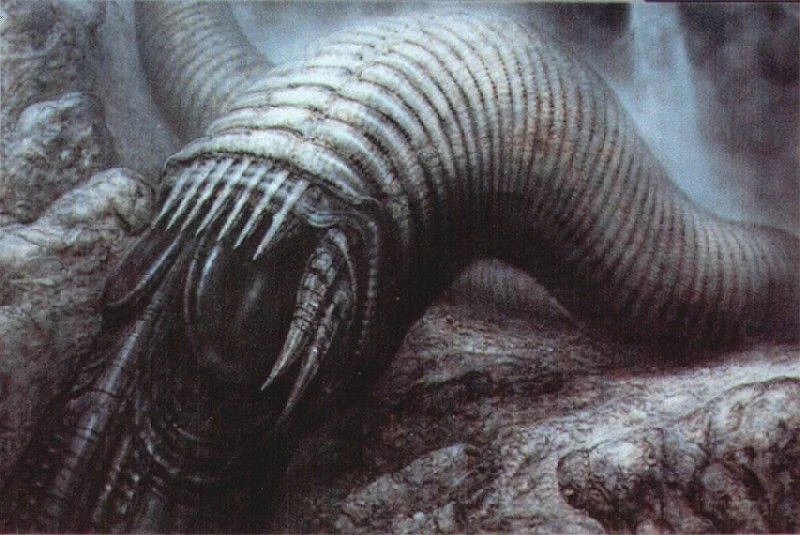
Producer Michel Seydoux offered to bankroll director Alejandro Jodorowsky’s adaptation of Frank Herbert’s novel DUNE. The director made substantial changes to the source material and planned to cast surrealist artist Salvador Dalí as the Emperor.

Scriptwriter Dan O’Bannon and artist H.R. Giger, who would both go on to work on Ridley Scott’s ALIEN, were attached to this project, but the production was destined never to be made.
The documentary JODOROWSKY’S DUNE (2013) tells the story of this ambitious but ultimately doomed film project.

H.R. Giger's design for a giant sandworm
H.R. Giger’s design for a giant sandworm

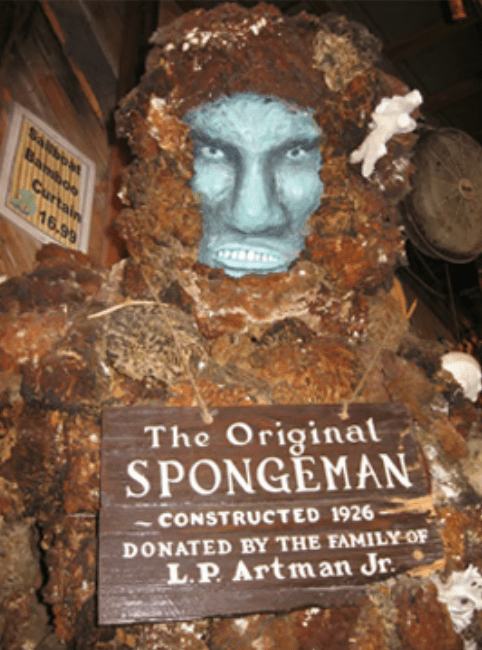
THE CURSE OF THE SPONGEMAN

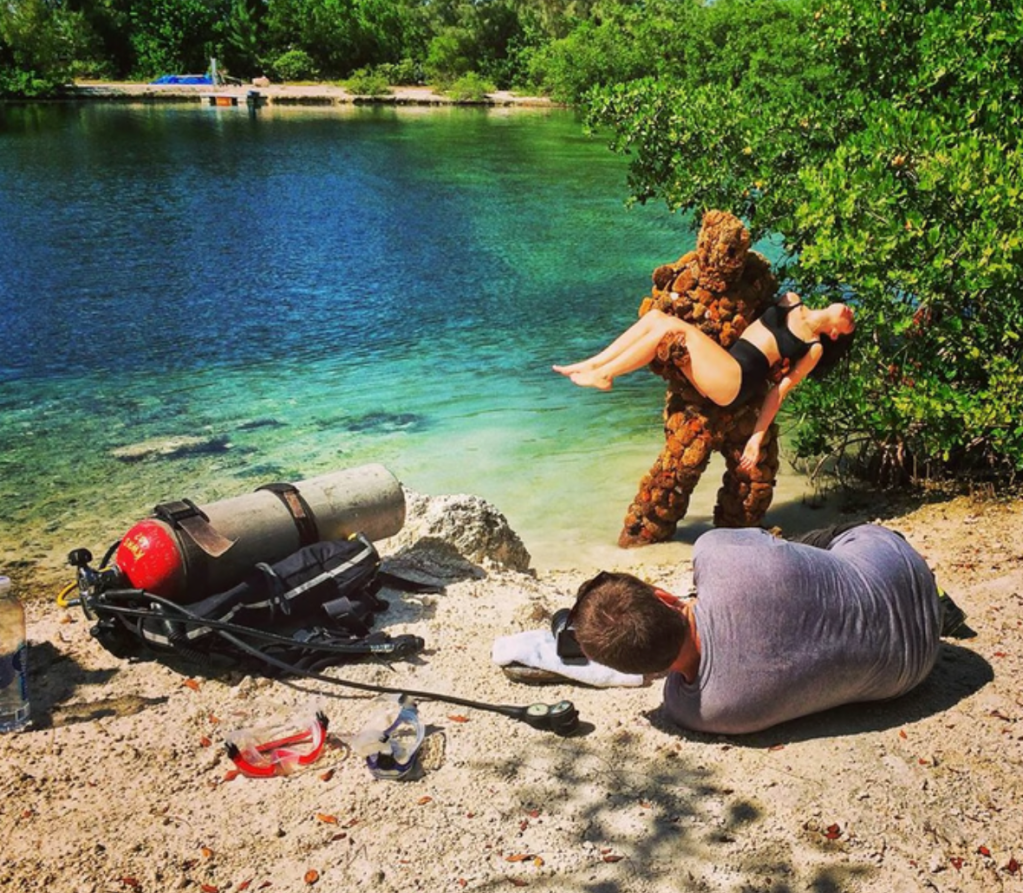
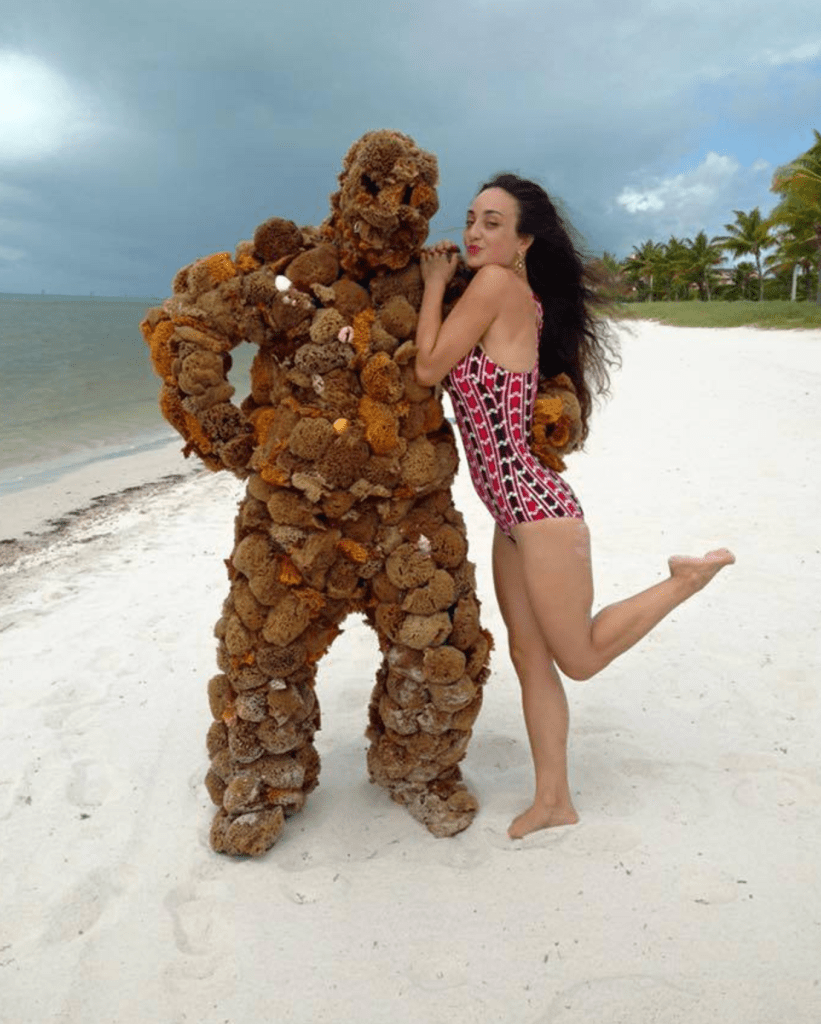
Spongeman on the loose!

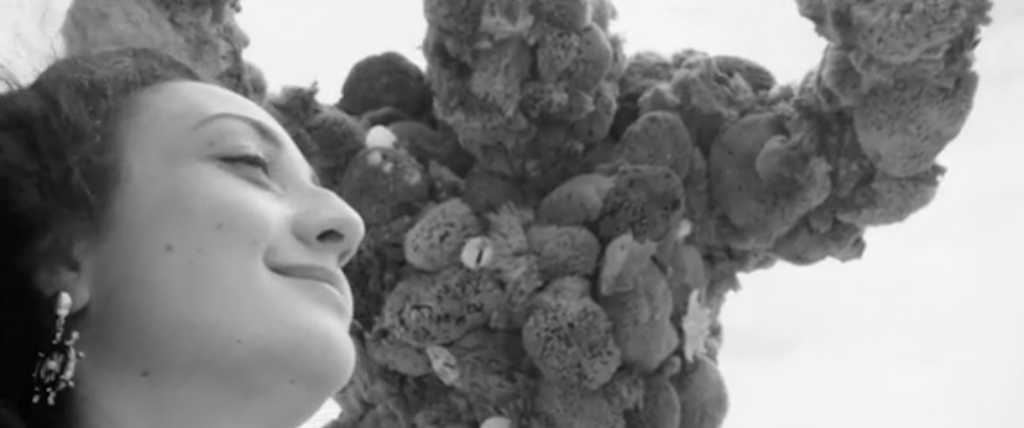
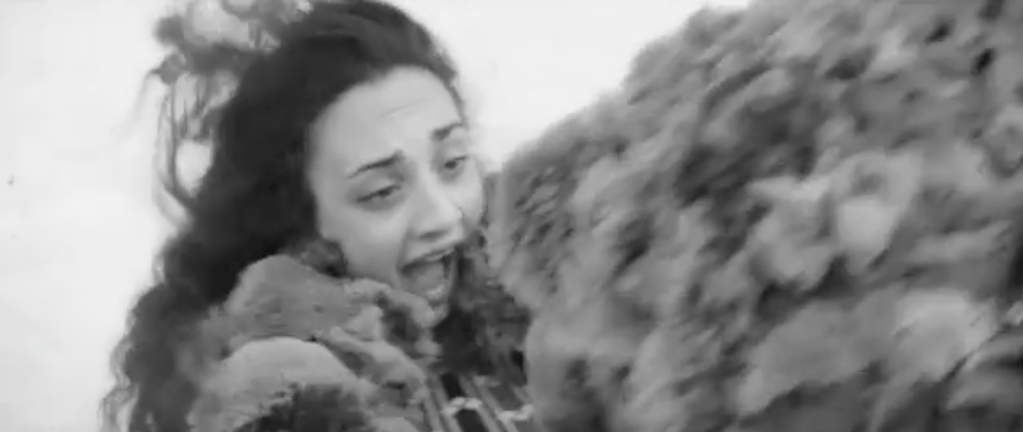
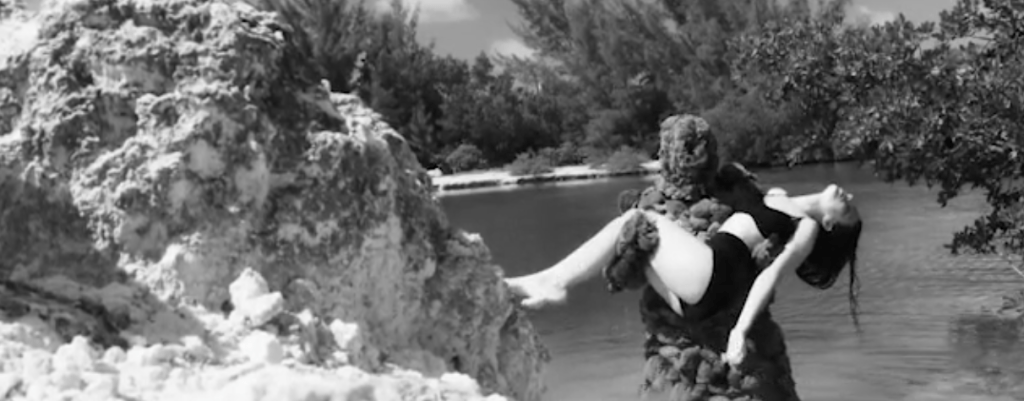
THE CURSE OF THE SPONGEMAN would have been a full length film about a humanoid creature named Spongeman. The creature’s origin would’ve occurred during the hurricanes of the 1920s, when the wind and currents stirred up local spongebeds and formed an elusive being that has been mysteriously living in the waters off the Florida Keys ever since.

Quincy Perkins, a director of a bunch of short films like THE TRACKS (and who was a location assistant on THE CURIOUS CASE OF BENJAMIN BUTTON), had dreamt of making a Spongeman movie since he was a child, when he grew up in Key West and was obsessed with the old Spongeman statue in the centre of town.  This original Spongeman figure was created by an artist in the 1920s as a monument to the sponge fishermen of Key West. 

The original Spongeman statue

The idea of this magical sponge creature captured Quincy’s imagination and, many years later, he eventually shot an 8-minute film – then he decided to expand the project into a feature length movie. Quincy wanted to make a film that was true to the spirit of the creature feature films of the 1950s, but was consciously adapted to the present day, creating a modern fairy tale of sorts. 

Above: Three shots from the original 8-minute film

Quincy tried to raise funds via a Kickstarter campaign, promising a movie that would’ve starred Herschell Gordon Lewis, Oscar Torre, Tom Frank and Jessica Miano Kruel. Quincy hoped to raise £15,466 to make this small, independent film, but only £4,625 was pledged and the project was canceled in 2015. This is a shame, because I would’ve loved to see the Spongeman stomping around the Florida Keys!

Spongeman and lady friend!

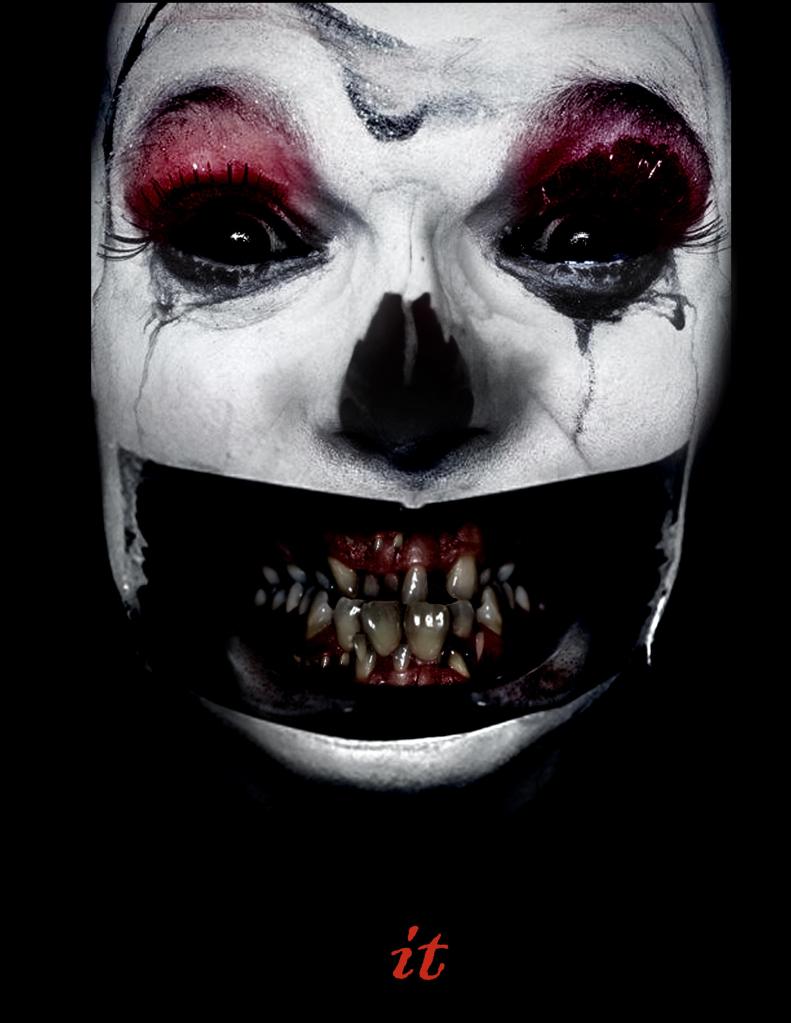
Vincenzo Natali’s IT

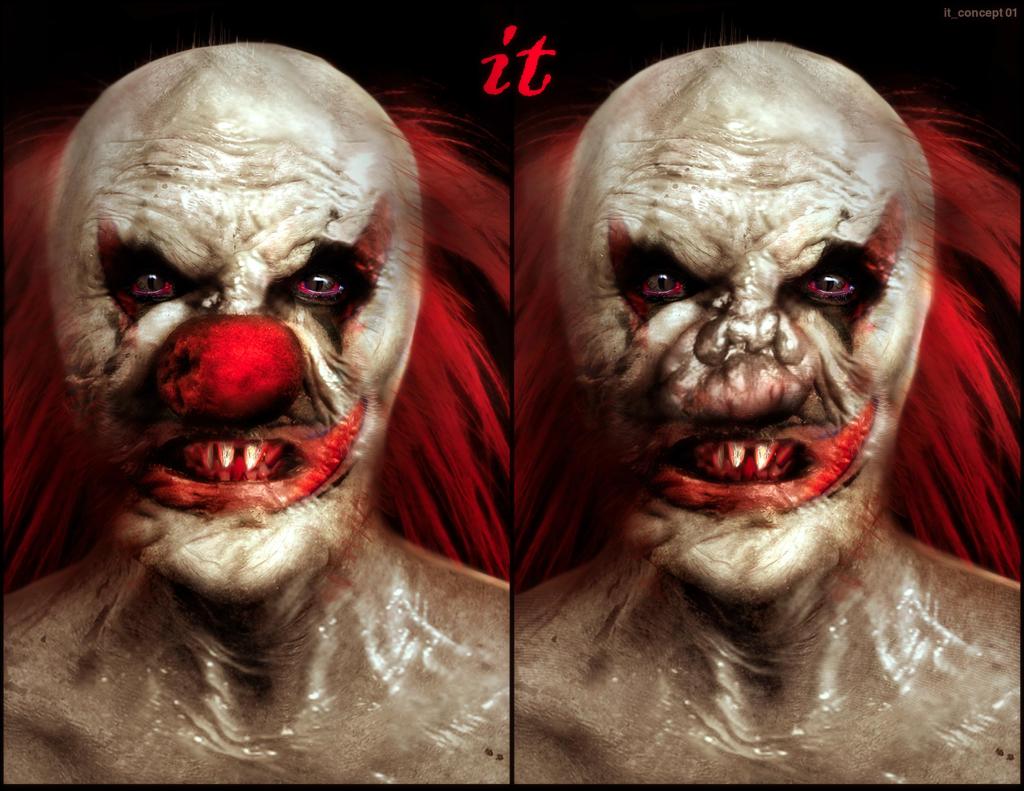
Here are some Pennywise designs from director Vincenzo (SPLICE) Natali’s pitch for a version of Stephen King’s IT.

The drawings of Pennywise below are by concept artist Amro Attia…

Above: concepts by Amro Attia

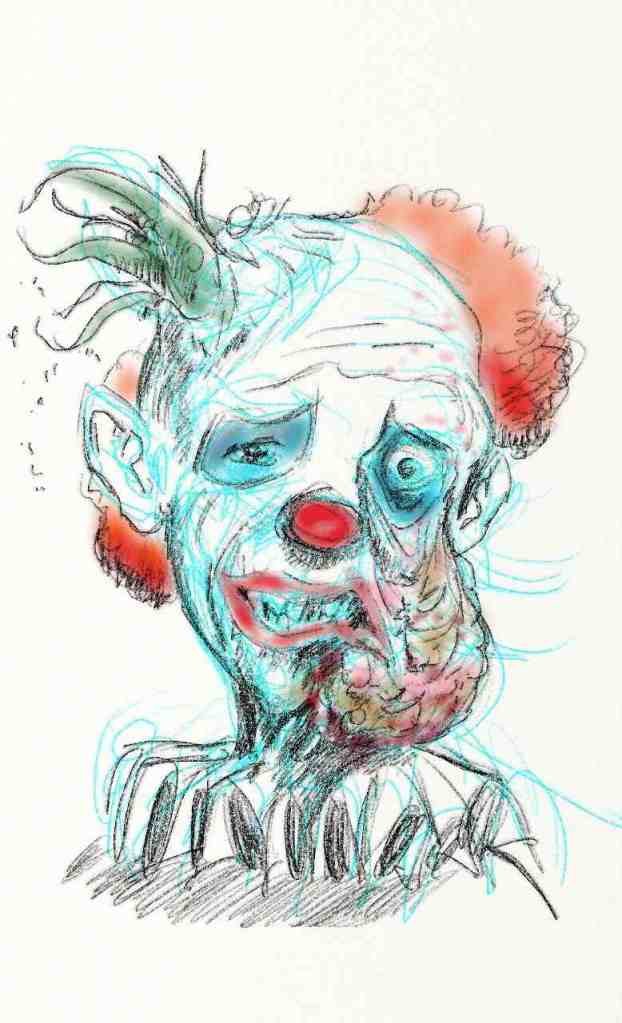
These drawings are by Vincenzo Natali himself…

Above: Pennywise drawings by Vincenzo Natali

As this article is all about unmade films, you won’t be too surprised to find out that Vincenzo Natali’s IT movie failed to get produced.

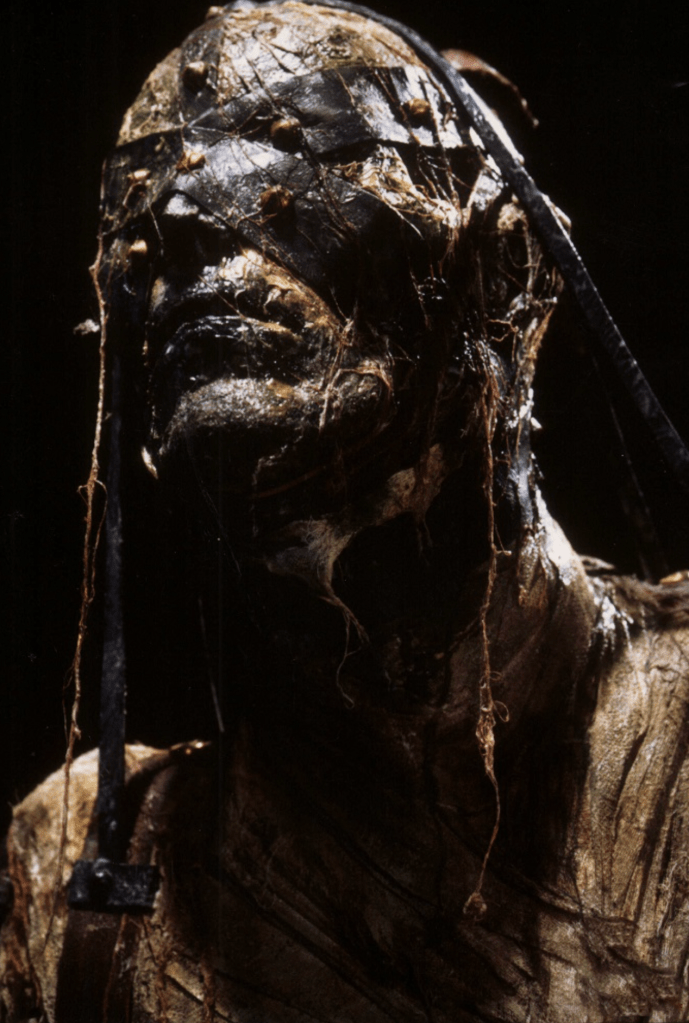
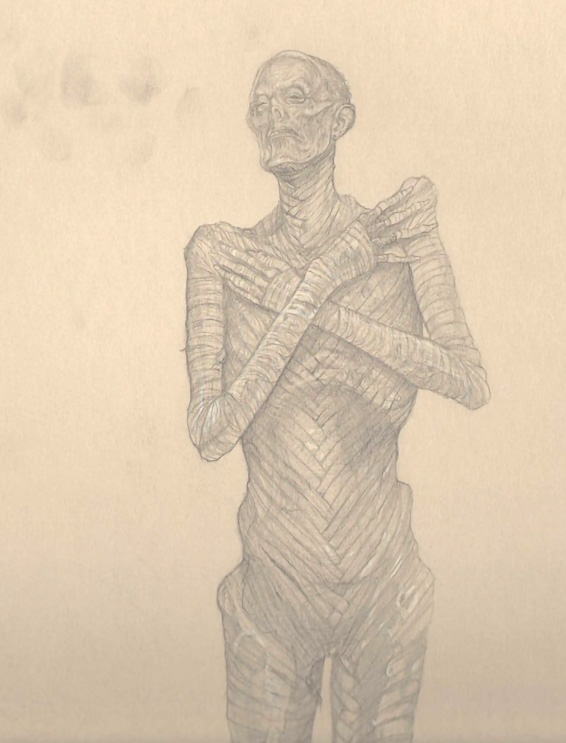
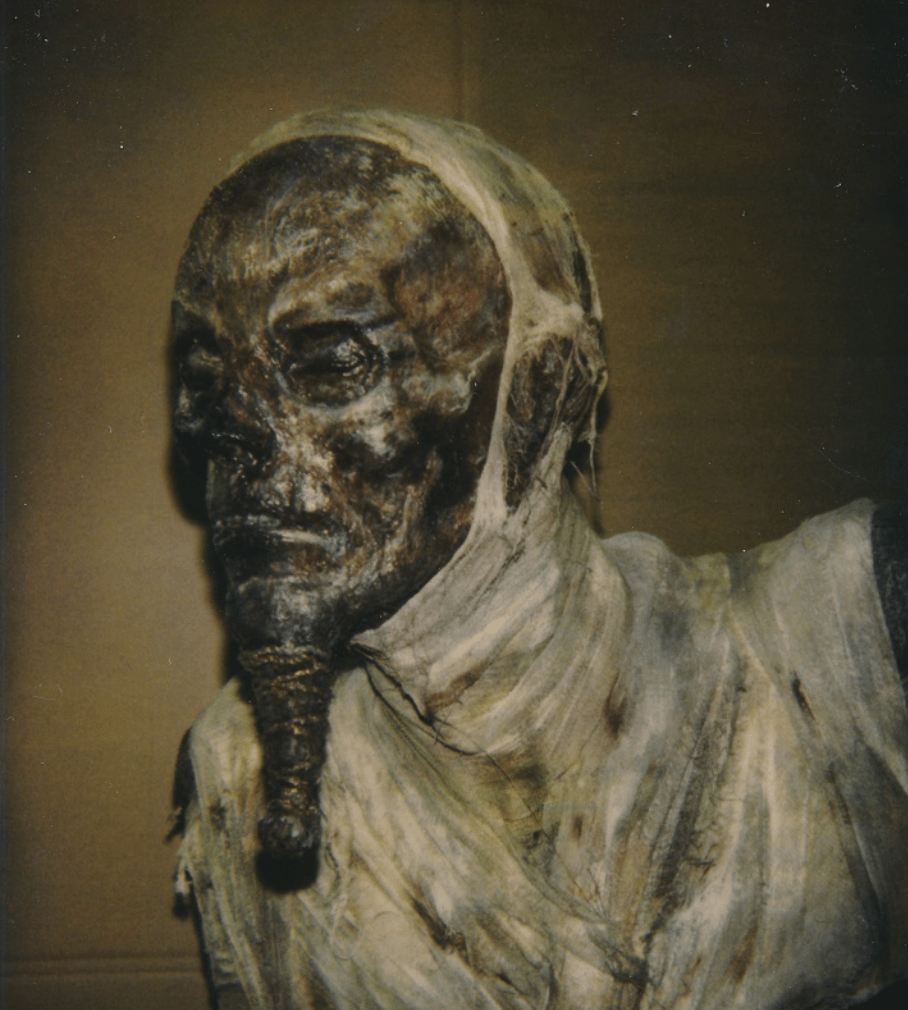
Clive Barker’s THE MUMMY

Detail from a Mummy concept drawing

Back in the 1980s Universal was planning to use its Mummy monster character to relaunch its horror franchise. Universal hired George A. Romero initially, and he was attached to write and direct the revival of the 1932 Universal monster movie, but he was limited to a budget of $10 million. The project just seemed to lose momentum, Romero left, and then Clive (HELLRAISER) Barker came onboard.

Barker, along with Mick Garris (who wrote several drafts of the script), pitched their Mummy movie idea to Universal in 1989, and it would’ve included the Mummy becoming a transgender character: starting off as a little boy, the character would become an ‘exquisite woman’. Barker was also going to make his Mummy flick more sexual and dark, focusing on the owner of a museum, who is attempting to revive the mummies.

Special effects expert Steve Johnson offered to help Barker create a visual proof-of-concept for his Mummy idea, to be shown to the Universal producers. Johnson financed the production of concept drawings and models entirely out of his own pocket, to help Barker sell the project to Universal, but Barker’s pitch was rejected outright by the studio, and THE MUMMY (1999), directed by Stephen Sommers, was eventually made instead.

Above: concept work created for Clive Barker's unmade Mummy movie
Above: concept work created for Clive Barker’s unmade Mummy movie

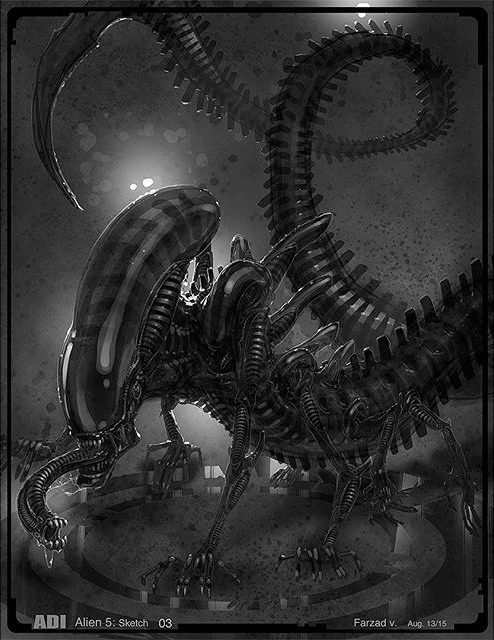
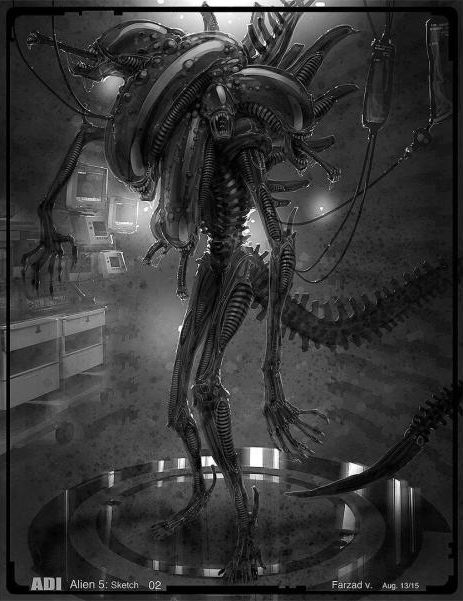
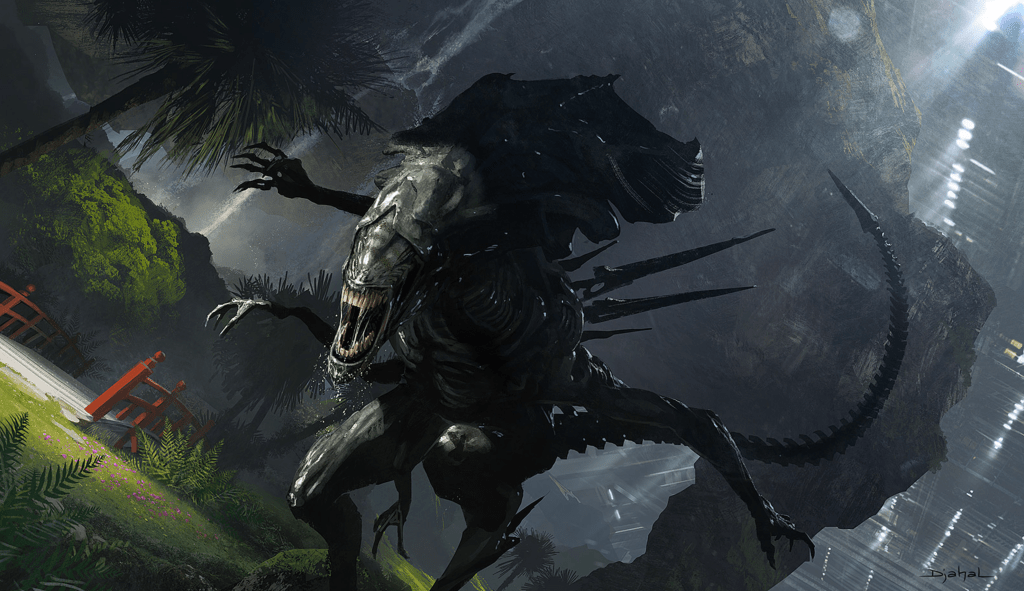
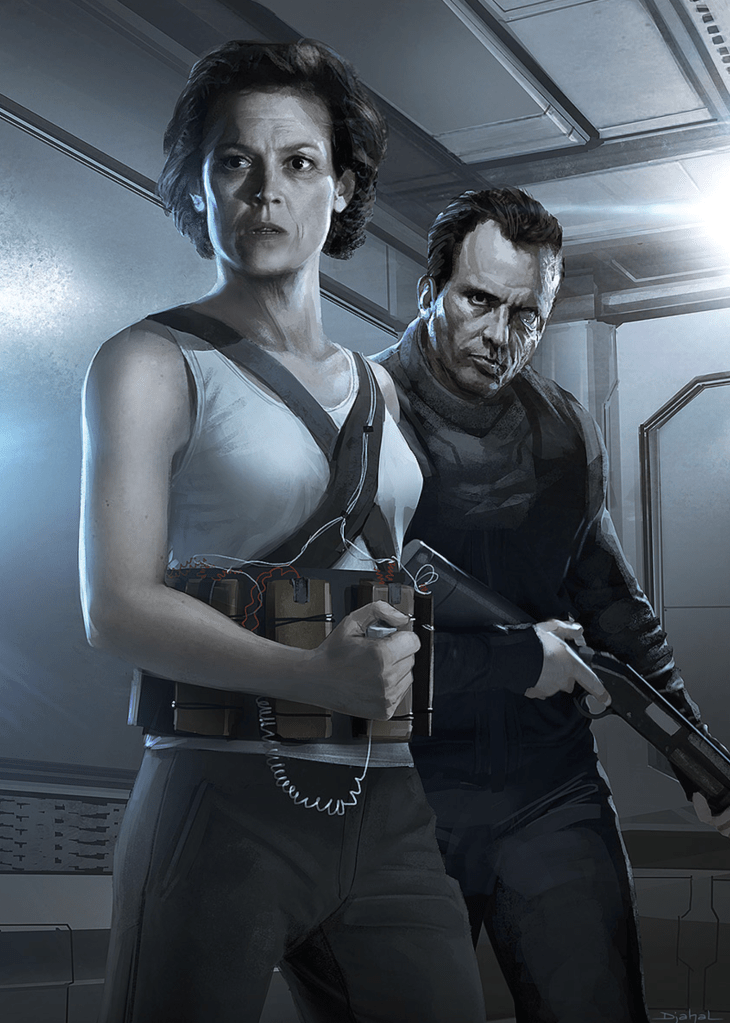
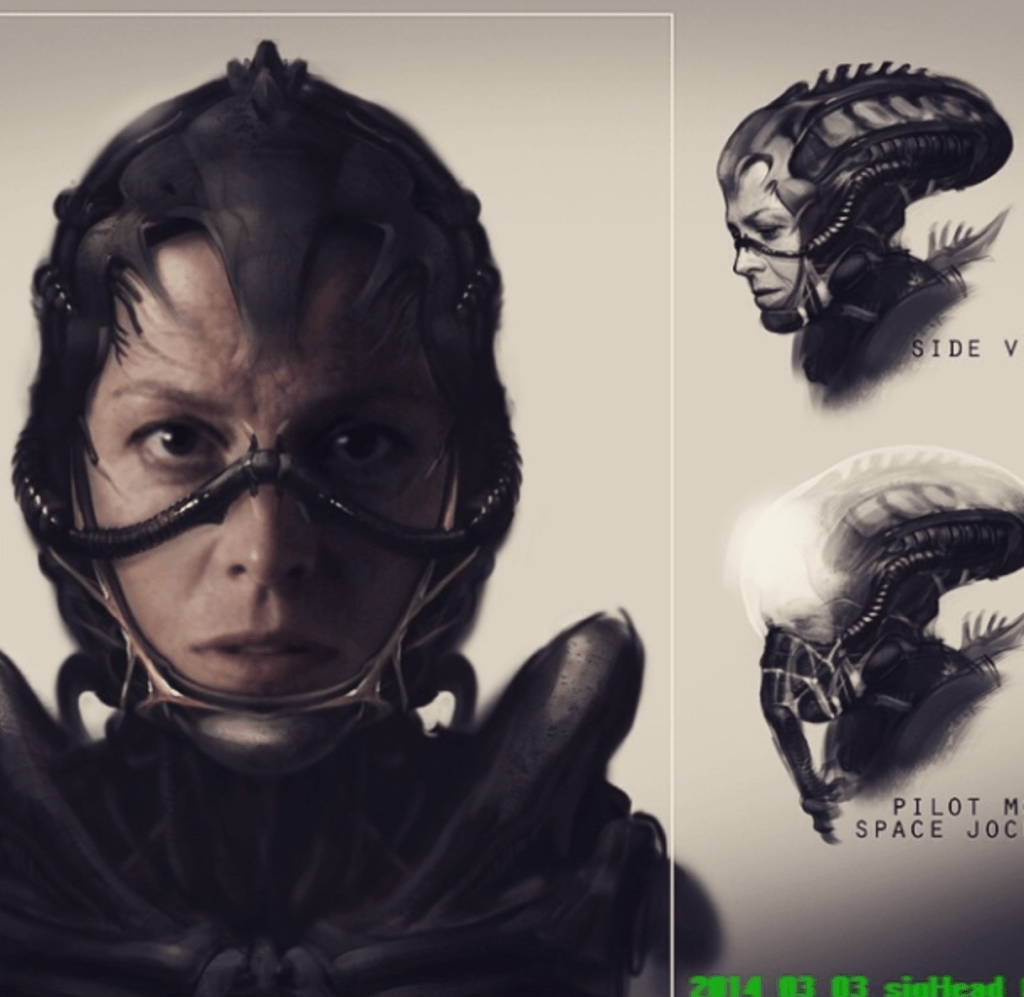
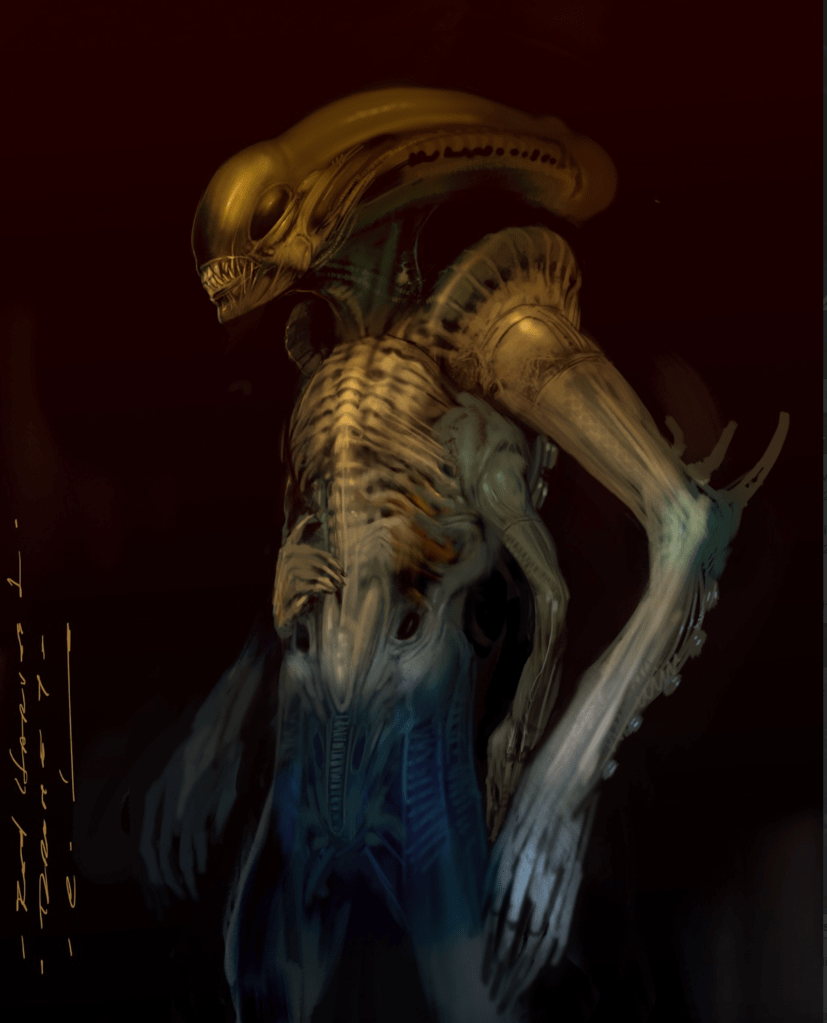
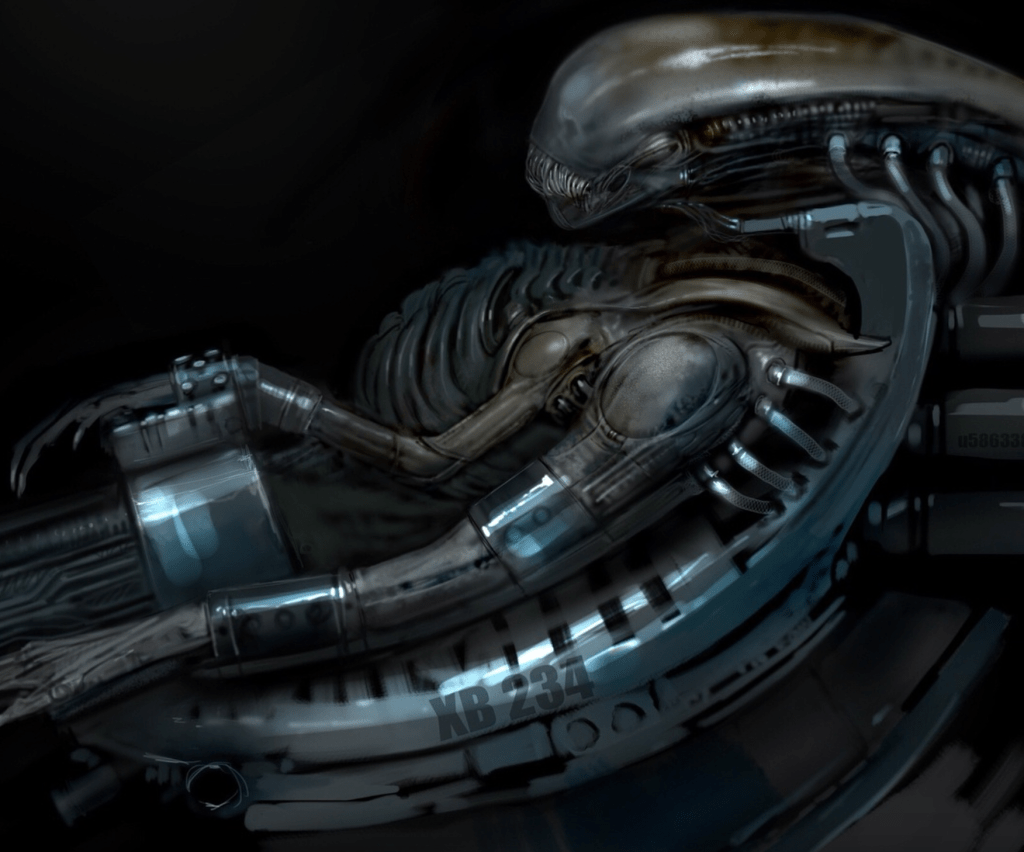
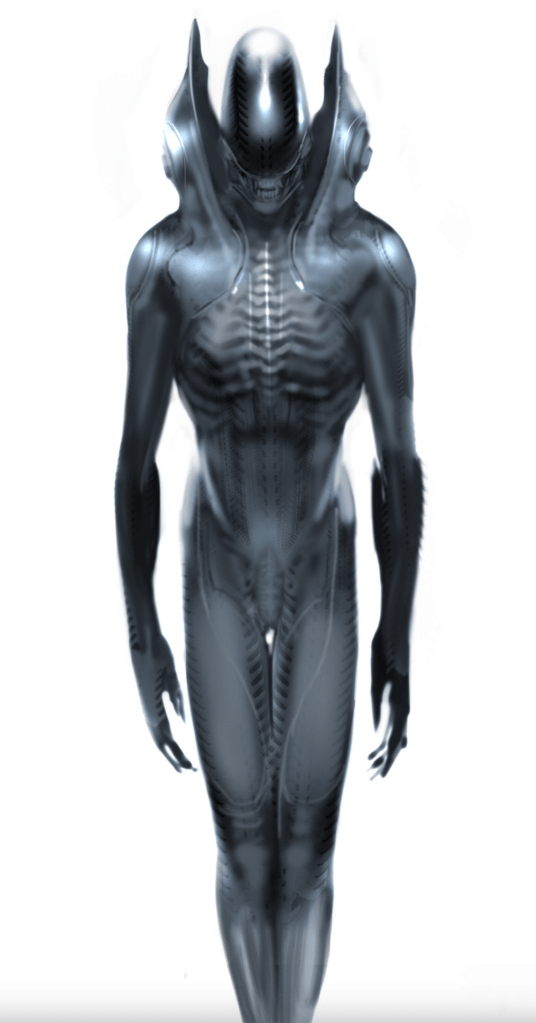
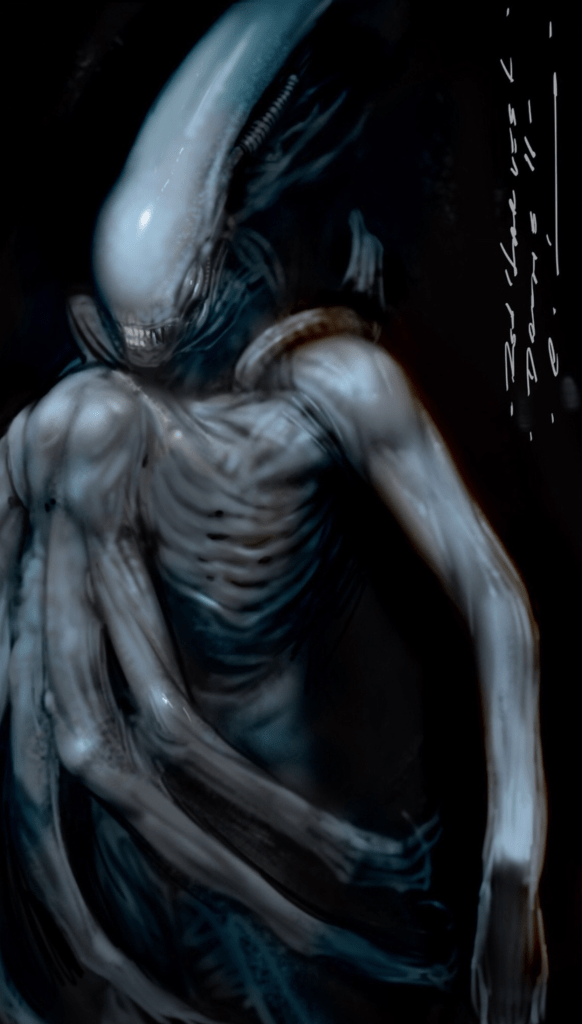
Neill Blomkamp’s ALIEN 5

This film project from Blomkamp was set to be another ALIEN sequel and it was going to explore the Xenomorph genome. The plot would’ve involved experiments being performed on captive Aliens. All types of genetically-altered Xenomorphs would have been created by meddling Weyland-Yutani scientists!

See below for lots of concept art visuals produced for this unmade ALIEN sequel…

Above: various cool examples of concept artwork for the unmade ALIEN 5...
Above: various cool examples of concept artwork for the unmade ALIEN 5…

Here’s a sculpture of the four-armed genetically modified Xenomorph that would have featured in Neill Blomkamp’s ALIEN 5…

Above: shots of the cool maquette that was made for the ALIEN 5 project, which was shelved indefinitely by 20th Century Studios and Disney

Vincenzo Natali’s PREDATORS

Vincenzo Natali, the writer and director of sci-fi horror films SPLICE (2009) and CUBE (1997), did a pitch at 20th Century Fox for PREDATORS. This was some time before Robert Rodriguez produced his own version of PREDATORS (2010), which, of course, starred Adrien Brody, Topher Grace and Laurence Fishburne.

Cool concept painting by Dan Milligan

Vincenzo Natali said that, at the time of his pitch, there was no script, just a logline, so he was free to do whatever he wanted. Natali himself produced some storyboards for the pitch, and he also had concept art created by Dan Milligan and Amro Attia.

Above: five examples of Vincenzo Natali's storyboard art
Above: four examples of Vincenzo Natali’s storyboard art

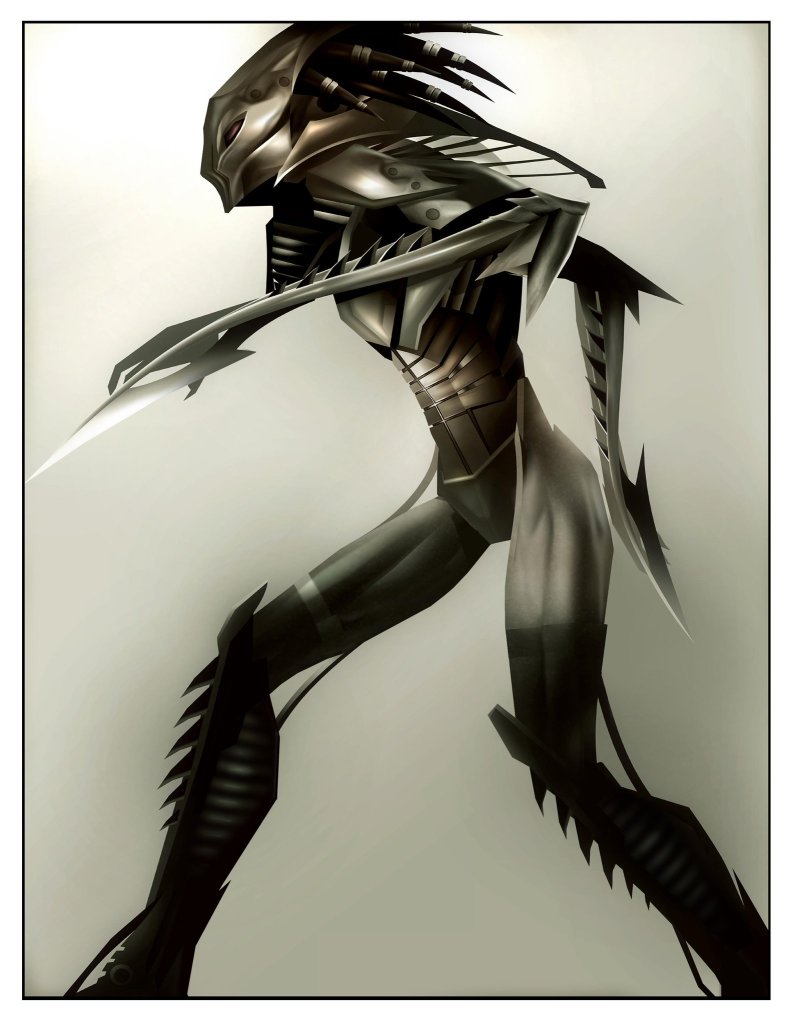
Natali’s version of PREDATORS did not go into production, but, by the look of Amro Attia’s concept drawing, it seems that if the film had been made… the Predators would have looked sleek, metallic and angular!

Concept art for a lithe-looking predator by Amro Attia

THE TOURIST

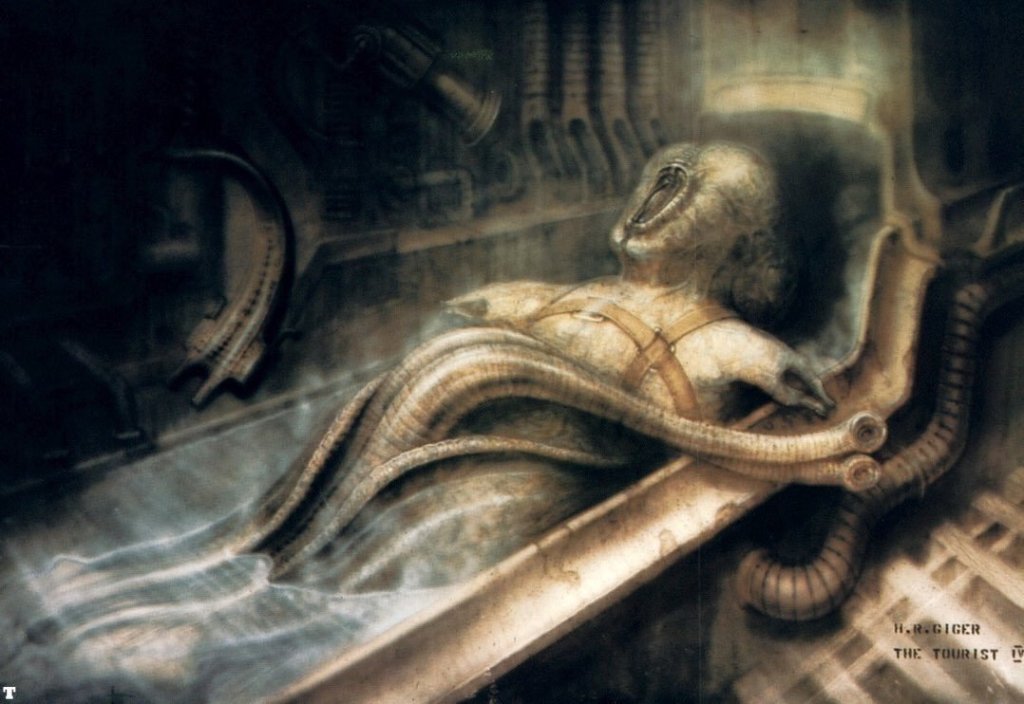
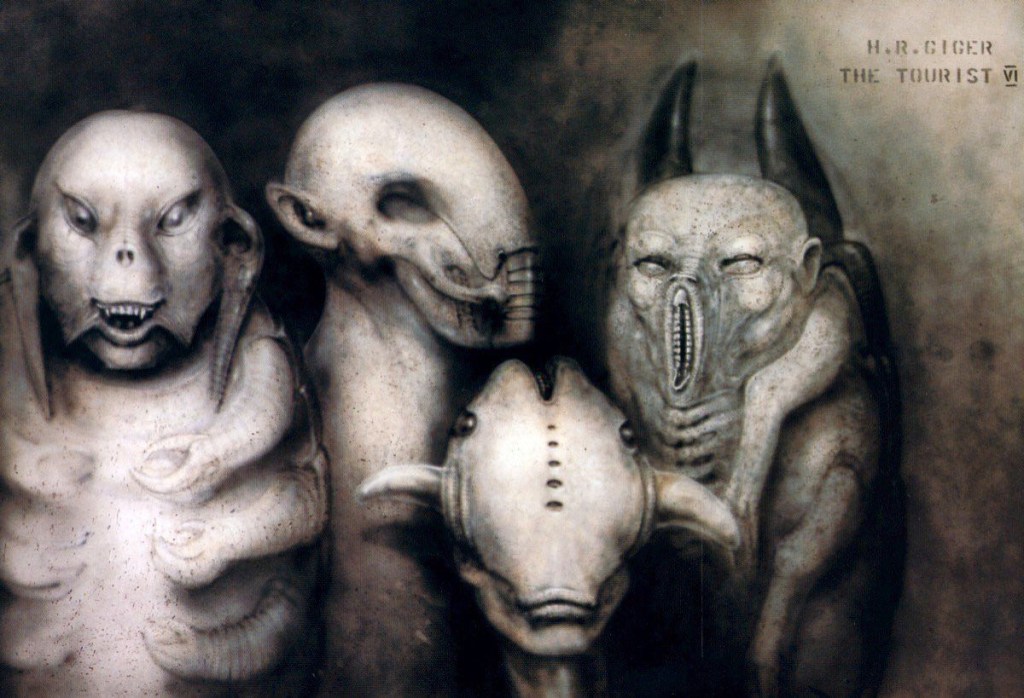
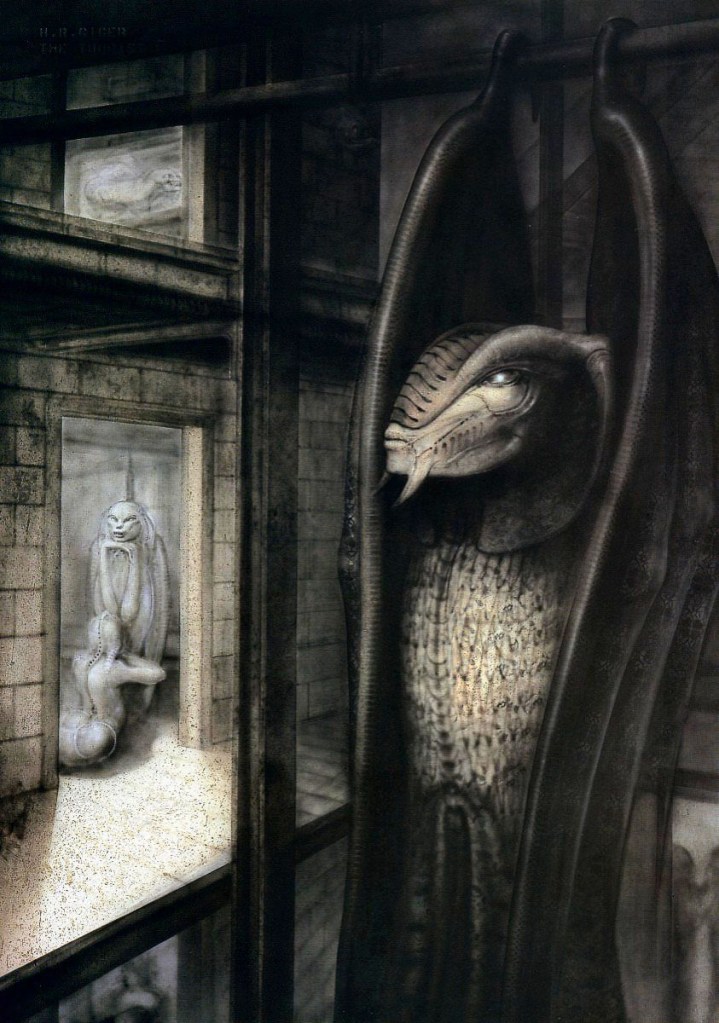
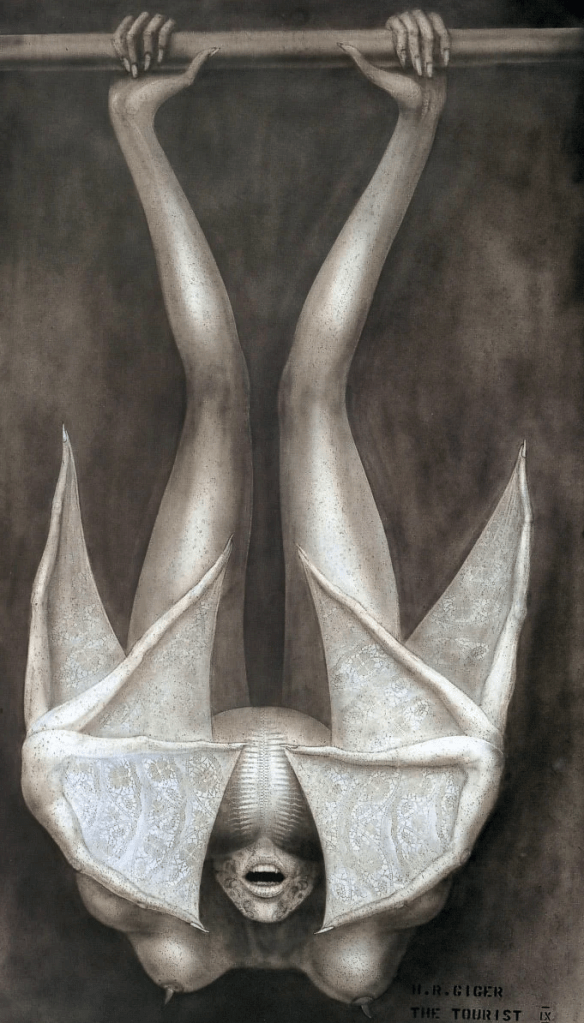
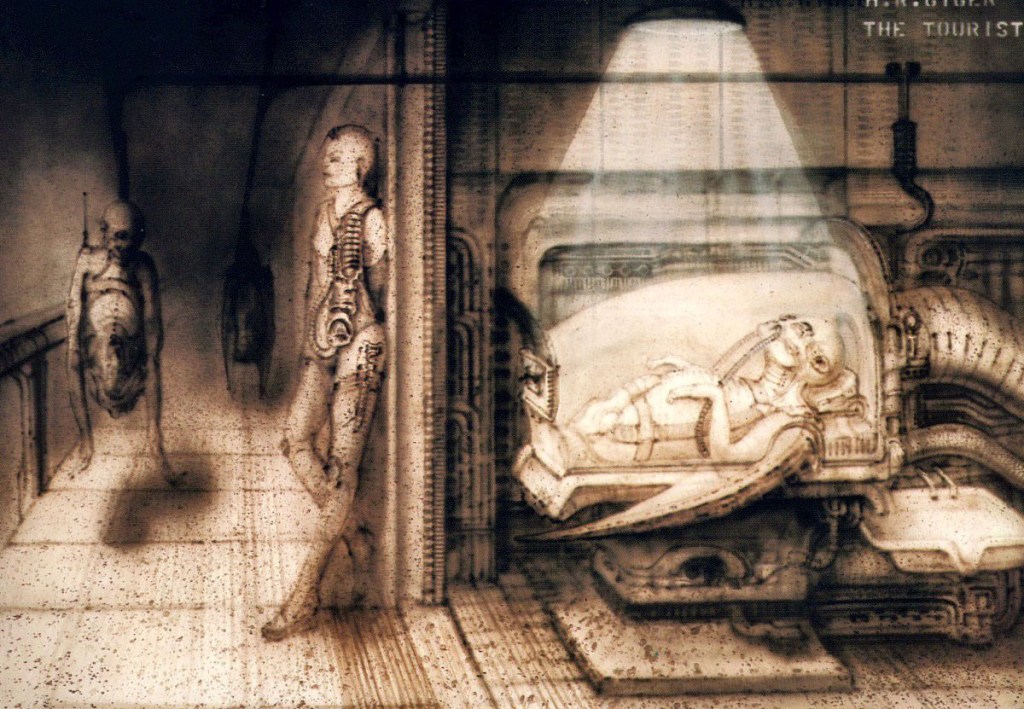
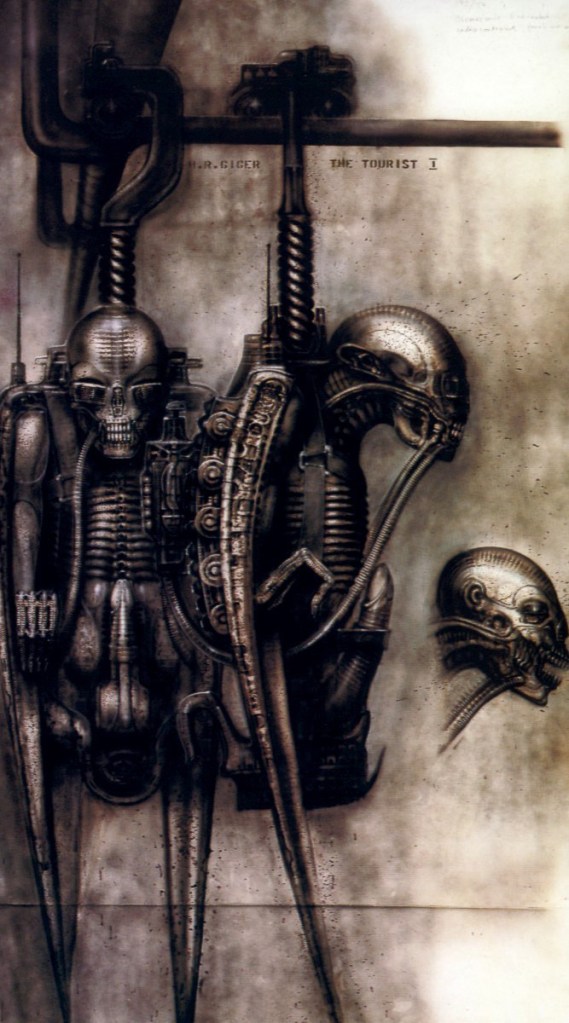
Screenwriter Clair Noto’s THE TOURIST, which she wrote for Universal studio executive Sean Daniels, was a hot script back in the early 80s, focusing on  a group of exiled aliens living among us humans. The plot included the Manhattan Grief Clinic, which was actually a front for the extraterrestrials’ hideaway, otherwise known as the Corridor: here various aliens lurked in cubicles, living out their useless lives.

H.R. Giger's work is very distinctive
H.R. Giger’s work is very distinctive

Producer Renee Missell and director Brian Gibson became attached, and soon Clair Noto was booted from the project, which became a bigger and bigger mess, until it faltered and Universal pulled the plug. After that Noto took her script to United Artists and then to Francis Ford Coppola’s Zoetrope Studio. But events always went against her, and although Dino DeLaurentis and other folks tried to get THE TOURIST produced, it never ultimately got made, even after the script found its way back to Universal.

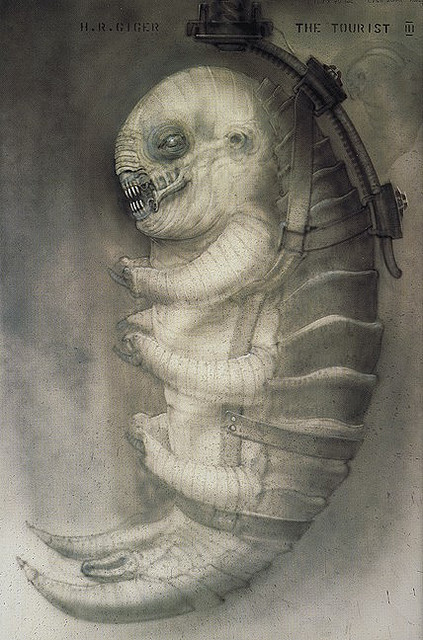
What is interesting is that H.R. Giger was brought onto the project for a while, and he conceptualised lots of very evocative, memorable alien designs for the Corridor sequences.

Above: six awesome concept paintings by Giger
Above: six awesome concept paintings for THE TOURIST by Giger

THE NATURAL HISTORY PROJECT

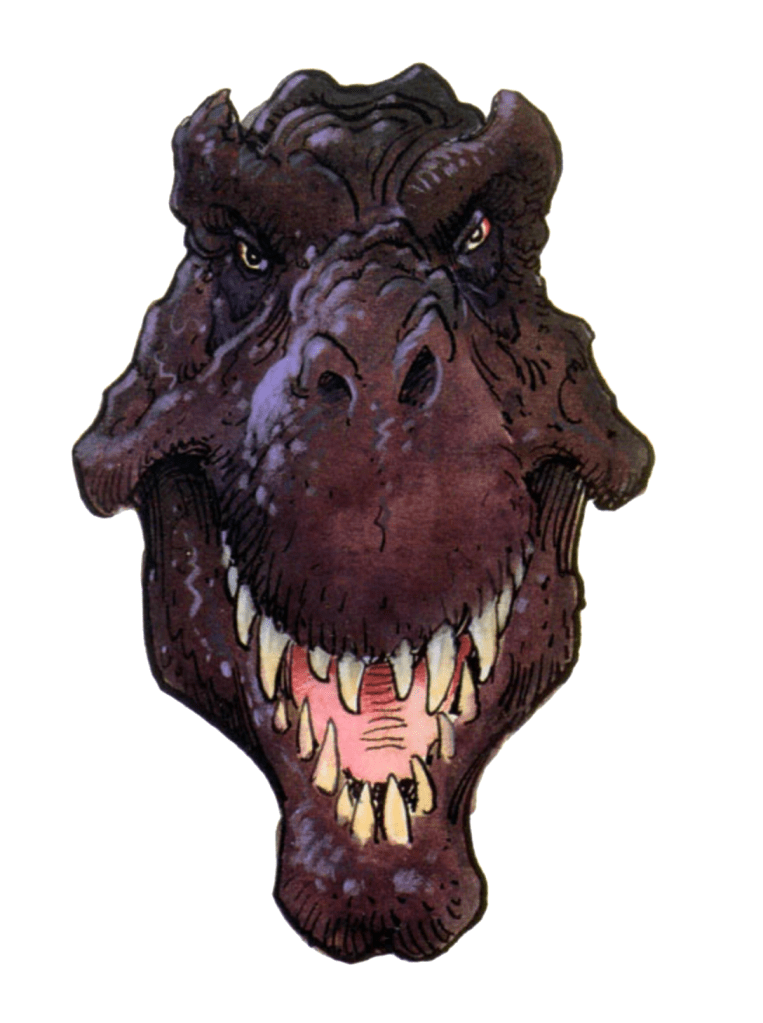
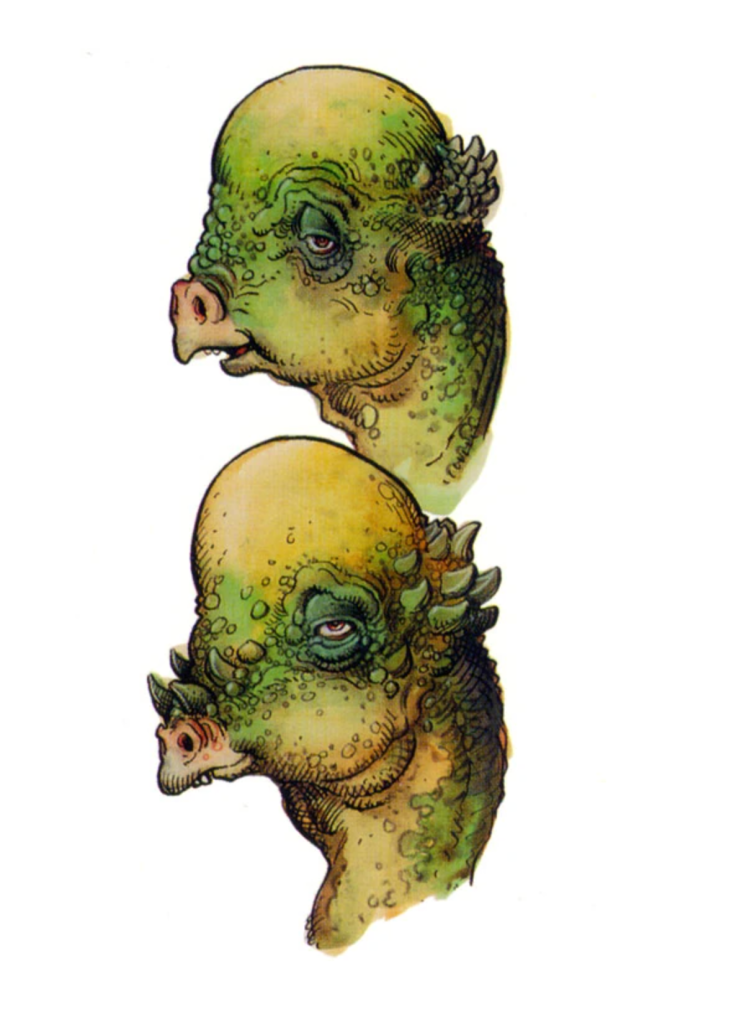
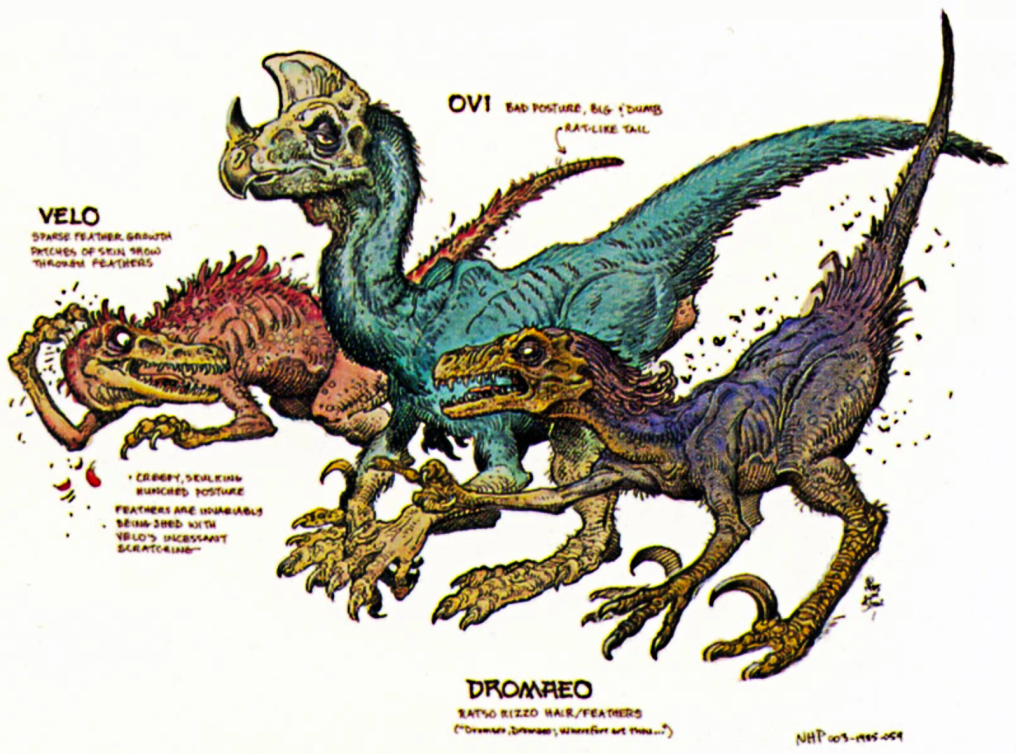
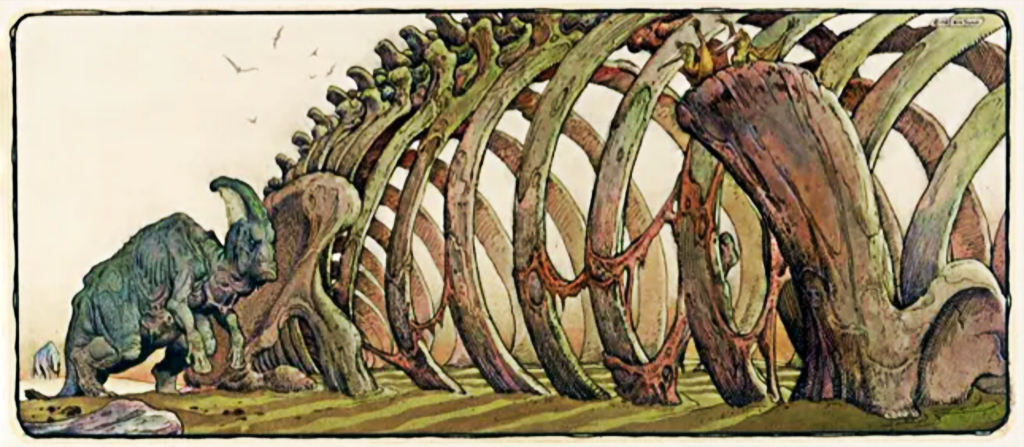
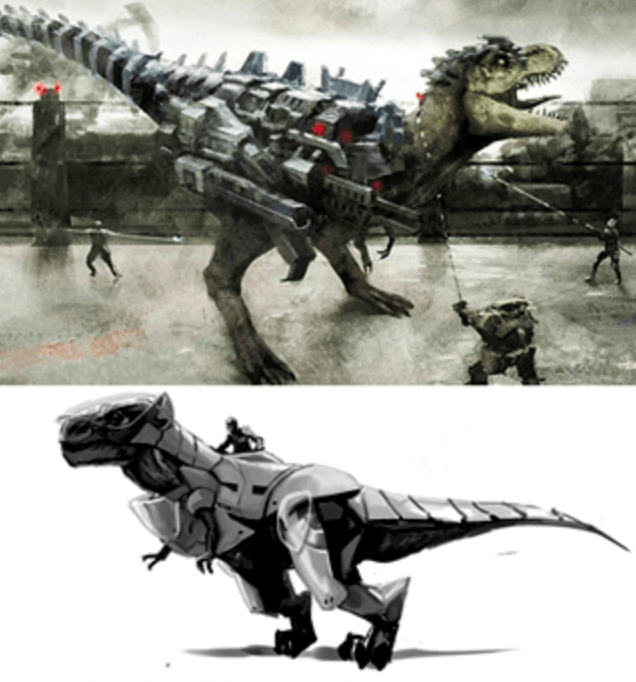
This unmade dinosaur-focused feature film was conceived by Jim Henson in the mid-80s and would have featured special effects by the Jim Henson Creature Shop.

William Stout's design for a Tyrannosaurus Rex character
William Stout’s design for a Tyrannosaurus Rex character
William Stout's concept for two Pachycephalosaur characters
William Stout’s concept for two Pachycephalosaur characters

The super-talented William Stout wrote the screenplay (he actually wrote two versions of the script, one with a narration and one with no voice-overs whatsoever: a totally visual telling of the story). This serious muppet dino movie, which was given the generic title THE NATURAL HISTORY PROJECT so that (hopefully) nobody would make a similar film, was to be directed by Henson.

Stout's concepts for three types of villainous raptor
Stout’s concepts for three types of villainous raptor

Warner Brothers committed to a budget of 25 million dollars for production, plus 5 million dollars for character research and development. Stout began designing the characters and painting key scenes from his script. However… the project was scrapped when Warners discovered that George Lucas and Steven Spielberg were making a similar project called THE LAND BEFORE TIME.

Stout's concept art showing one of the main dinosaur characters: a gruff old parasaurolophus
Stout’s concept art showing one of the main dinosaur characters: a gruff old parasaurolophus

All I can say is that the cancellation of this Henson project was a damn, damn shame!

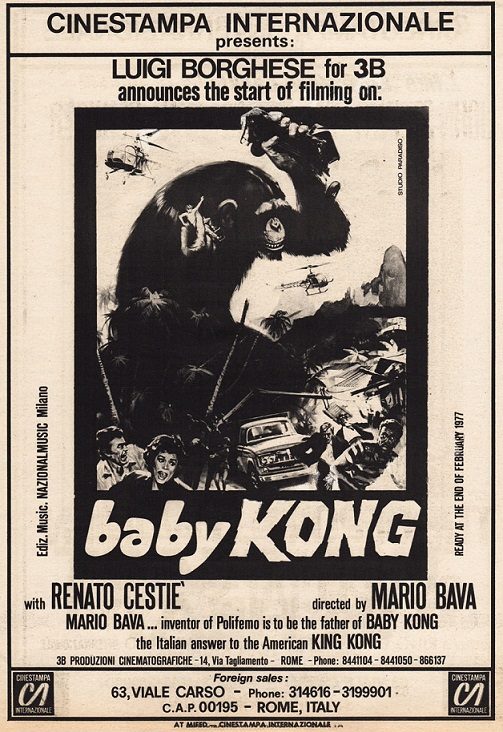
BABY KONG

This is an ad for the Mario Bava project BABY KONG, which was announced in 1976 but was never made…

Baby Kong! Blimey!

This film was obviously planned as a cash-in to ride on the coattails of the ’76 version of KING KONG. Did this movie have any chance of being any good? Who knows, but it was going to be directed by the great Mario Bava, so I, for one, would definitely have watched it! Maybe it would’ve been chimp-tastic!

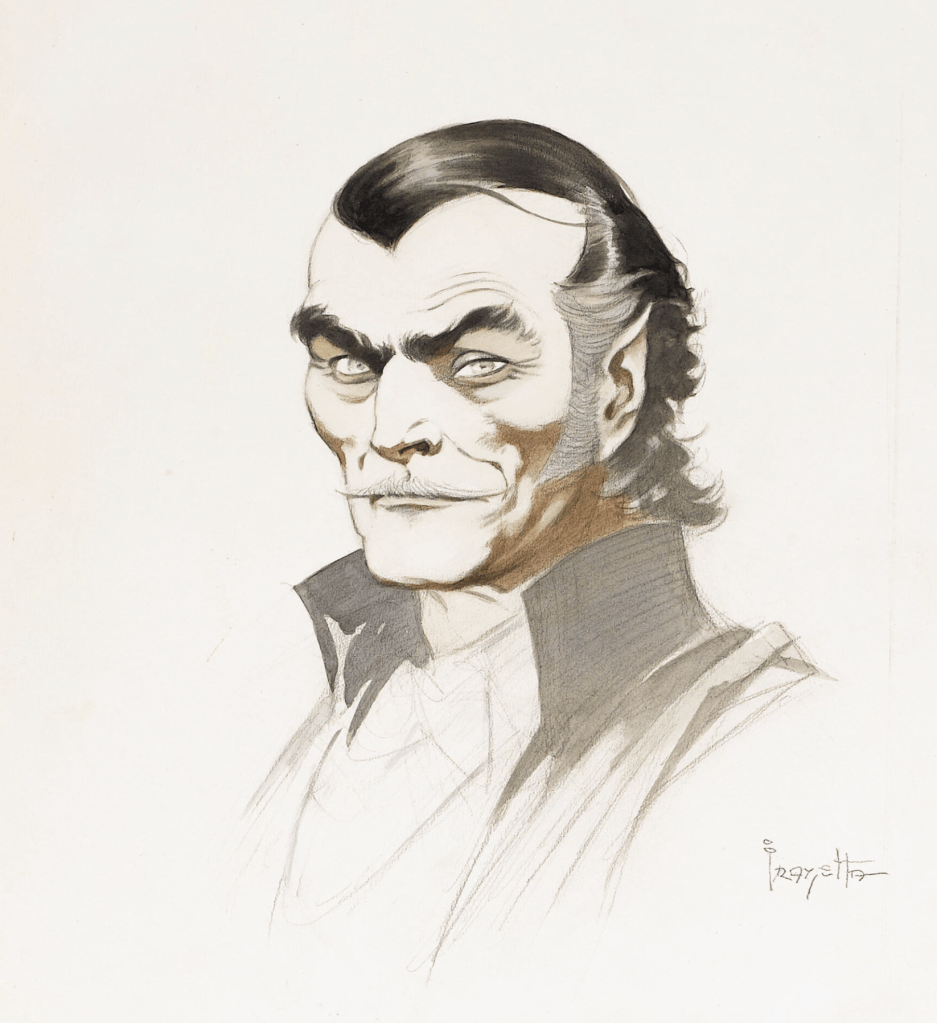
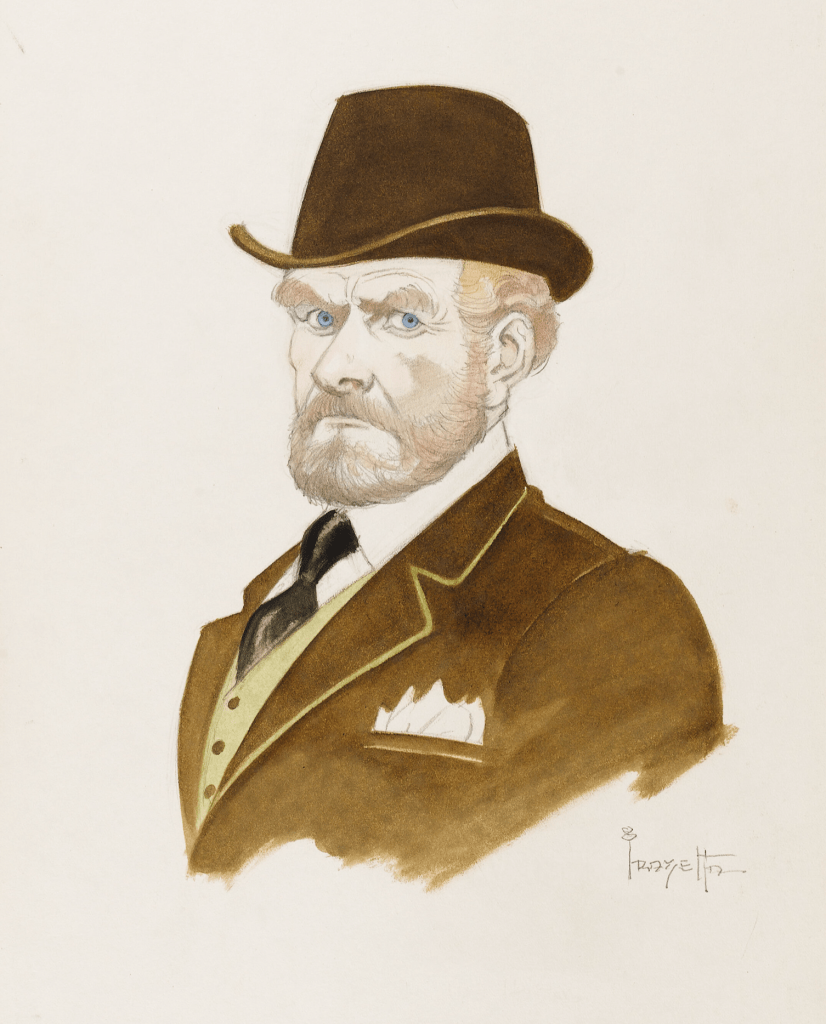
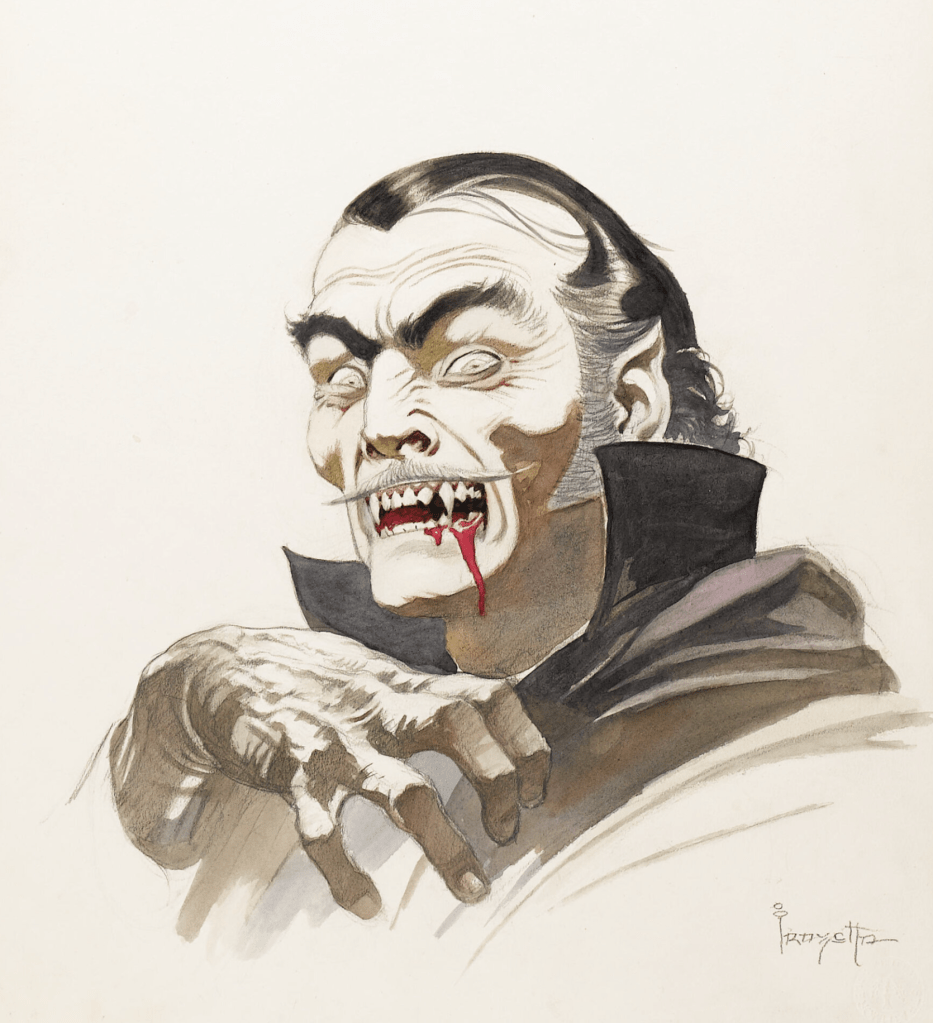
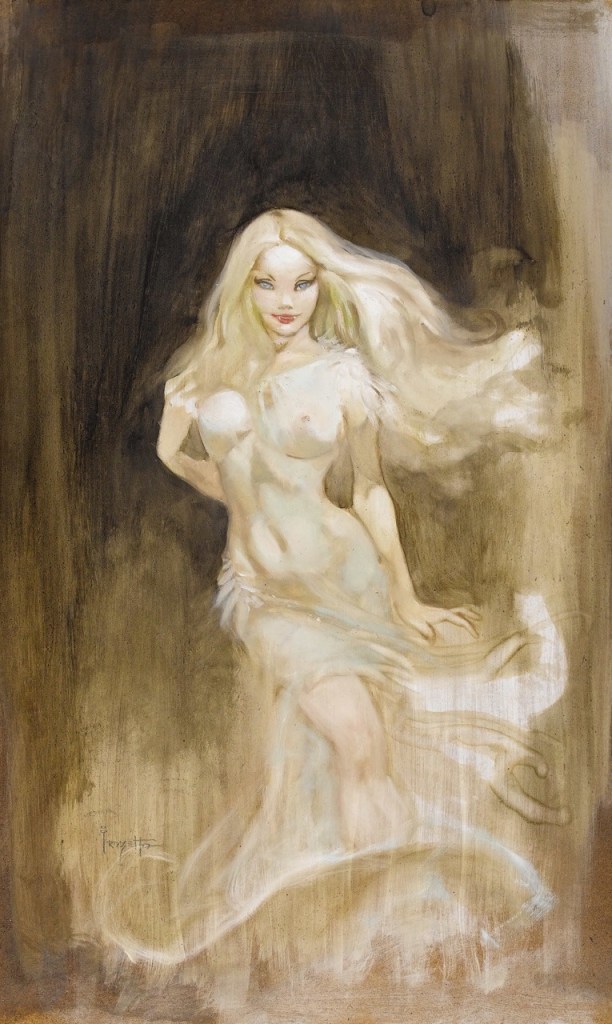
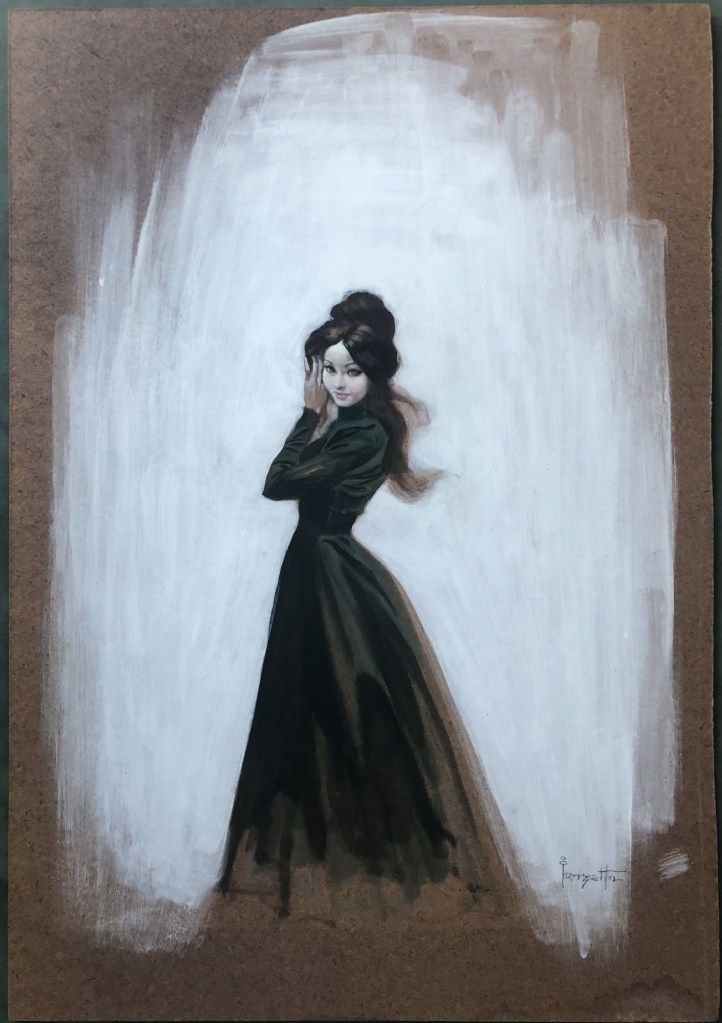
DRACULA – character designs by Frank Frazetta

Count Dracula concept art - mixed-media on paper
Count Dracula concept – mixed-media on paper

Dominic Orsatti, president of Orsatti Productions Inc., announced in April 1976 that he would begin production on a feature‐length animated version of DRACULA.

An original screenplay, supposedly based very closely on the original Bram Stoker novel, was written by George Greer.
The film, which was budgeted at around $3 million, was going to base the look of the characters on designs by illustrator supreme Frank Frazetta.

Van Helsing concept - mixed-media on paper
Van Helsing concept – mixed-media on paper

Orsatti was going to serve as executive producer on the production, with Emil Carle producing the film and acting as technical director. Andrew Chiaramonte and George Greer were slated to be the joint directors of animation. Damn it! Why wasn’t this film made?!!

Frazetta heard that the film got postponed almost immediately after he started work on it, so he didn’t send any of his art off, which is why it is still around for us to look at…

Count Dracula concept - mixed-media on paper
Count Dracula concept – mixed-media on paper
Study for female vampire 'Faith'
Study for female vampire ‘Faith’ – oil on board
Character study for Mina
Character study for Mina – oil on board

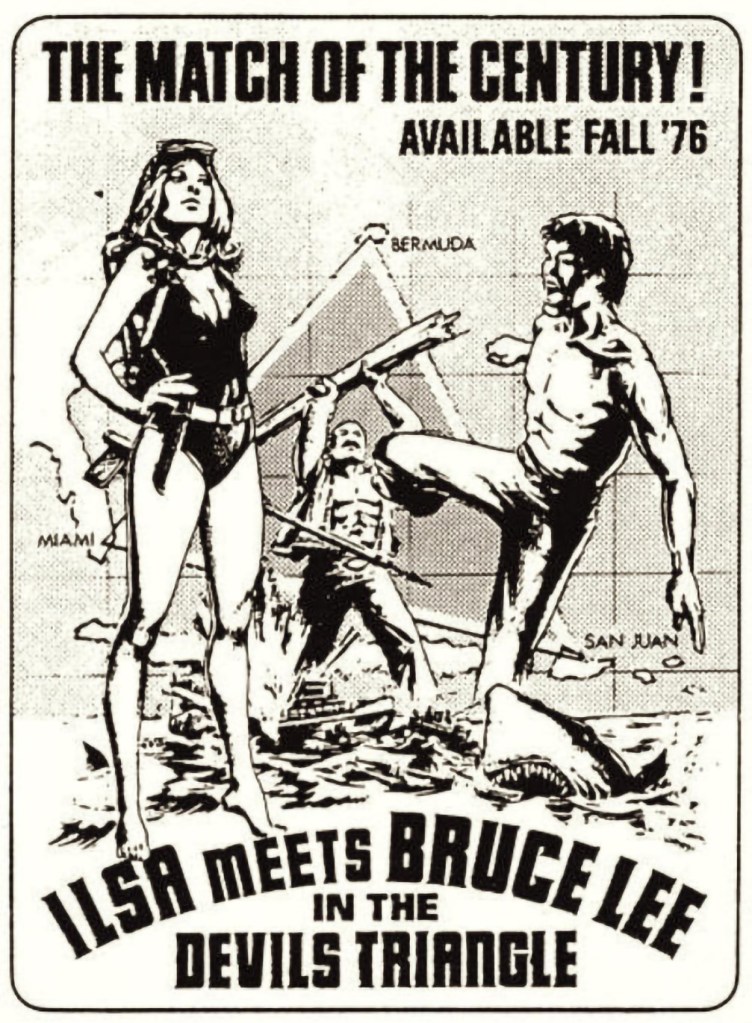
ILSA MEETS BRUCE LEE IN THE DEVIL’S TRIANGLE

Yes, somebody planned to have Dyanne Thorne’s infamous antiheroine Ilsa meet up with Bruce Lee!

Wow!

In a 2011 interview Thorne confirmed that the project was actually discussed, but a script wasn’t written. Thorne was told to study martial arts, which she did, and she got herself into good physical shape. Thorne said that money was going to be raised for it, but, shortly after, Bruce Lee died. So the filmmakers were then going to use top Bruceploitation actor Bruce Li. There was a conflict in their schedules, unfortunately, and the script was still not ready, so the project faded away. The Washington Post did publish a full page article with pictures publicising the possibility of the film, making the unmade flick look pretty legitimate.

Now, there’s no way that Bruce Lee, had he lived, would’ve chosen to make this movie. But I definitely think a movie starring Dyanne Thorne and Bruce Li could’ve been produced and it would have been great, exploitative fun. But it didn’t happen, though a promotional ad was created… and it featured Ilsa, Bruce Lee, a shark and what looks like a gill-man or a zombie! Wow!

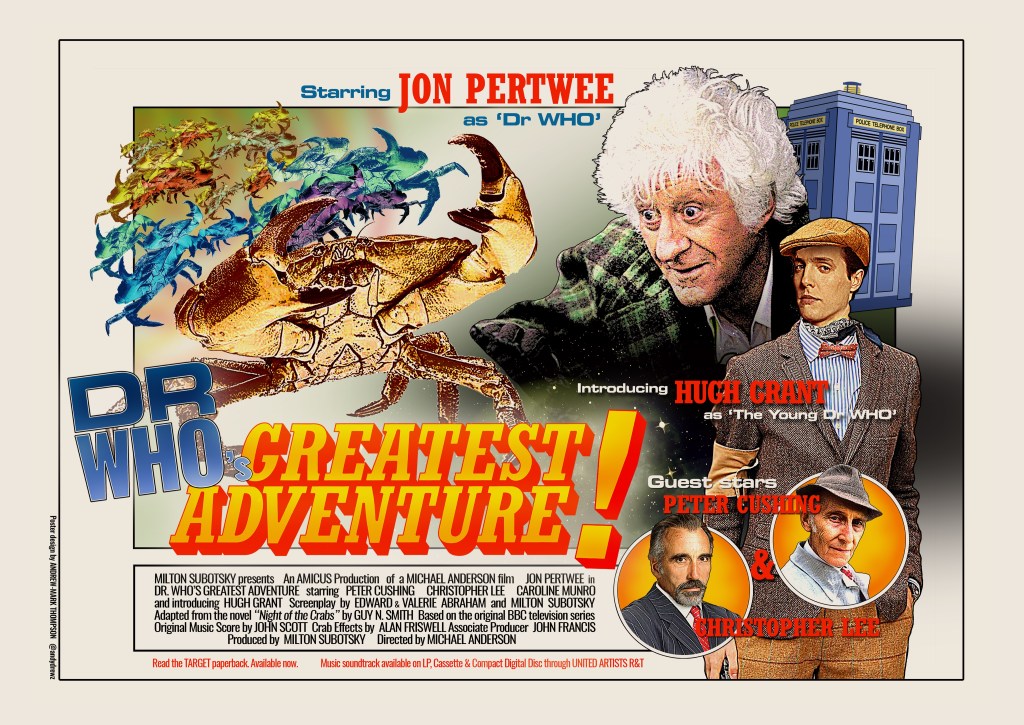
DOCTOR WHO’S GREATEST ADVENTURE

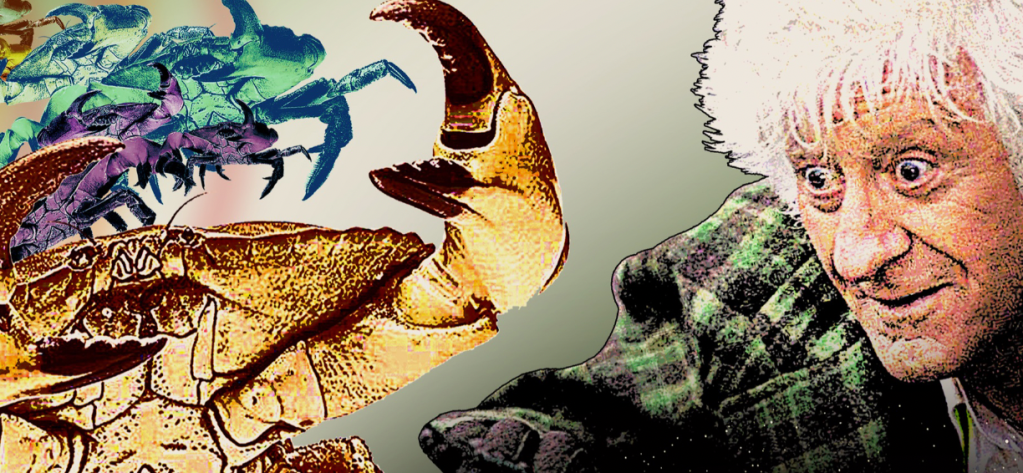
During a special event held at London’s British Film Institute (where the two 1960s Peter Cushing Doctor Who films were screened), there was a Q&A session. One of the people on stage was Sergei Subotsky, the son of Milton Subotsky, who was the original Doctor Who movie screenwriter. Sergei revealed that, in the 1970s, his dad Milton wrote a script for a third Doctor Who movie… DR. WHO’S GREATEST ADVENTURE.

Crabby critters vs the Doc!

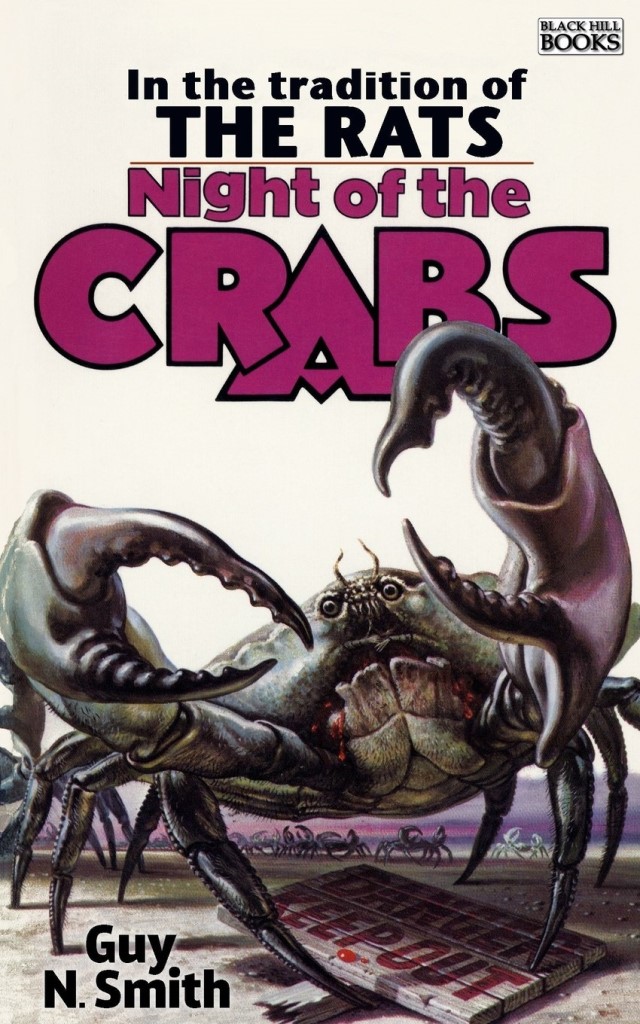
Now, this 3rd cinematic outing for the Doctor was not going to feature the Daleks again as the antagonists. Oh no, forget your usual Doctor Who foes… instead… the plot would have involved giant crabs!!!

According to Sergie, the screenplay for this planned 70s movie was actually a redrafting of a script that already existed. What happened was that Milton inserted Doctor Who into the existing script… and the original script was called KING CRAB. And, before it was called that, the script was titled NIGHT OF THE CRABS. Yes, you read that correctly! It seems that the original script was an adaptation of Guy N Smith’s creature-horror novel ‘Night of the Crabs’!!!  And now Doctor Who was part of the tale, battling the killer crustaceans!

Guy N Smith's novel
Guy N Smith’s novel

There’s no way that DR. WHO’S GREATEST ADVENTURE would have featured the kind of gory, visceral killings depicted in Guy N Smith’s original novel, but, hell, I would’ve loved to have seen the Doctor take on these pincered monsters with his sonic screwdriver! The film, of course, never got made, but the script was written. No concept drawings were produced, unfortunately, but here’s a faux poster that was created by Andydrewz (Andrew-Mark Thompson) for an article on this unmade film that was published in the Telegraph newspaper…

What a fun, fake poster!

AXA

In the early 80s Steven Archer, the stop-motion animator who worked on CLASH OF THE TITANS and KRULL, did a couple of concept drawings to show Milton Subotsky, the producer who was thinking of making a movie based on a UK newspaper fantasy-sci-fi comic strip called AXA.

Steve kept in contact with Subotsky, who had a script for AXA, but it never got made.

Steven's drawing of a giant mutant spider, with Axa placed beside it to show the scale
Steven’s drawing of a giant mutant spider, with warrior woman Axa placed beside it to show the scale

GODZILLA VS GHOST GODZILLA

Yes, you read that title right! This film would have seen a 90s-era Godzilla facing off against the spirit of the original 50s Godzilla!

Also known as GODZILLA VS GODZILLA, Toho toyed with variations on a story that would’ve had the modern Godzilla threatened by an incarnation of the first Big G.

Ghost Godzilla concept art

One idea had Godzilla Junior going back to 1954 to fight against the original Godzilla, then later story versions dealt with the conflict between Godzilla and the restless spirit of the first Godzilla, set in the present.

Concept art for the Ghost Godzilla character was created by Shinji Nishikawa. Conceptual art was also produced that showed a newer version of the kaiju Anguirus. The whole ‘spirit Godzilla’ idea was eventually dropped and, after several other unmade concepts were considered, GODZILLA VS DESTOROYAH was made instead, in 1995.
(The concept of the ‘soul’ of the original Godzilla being reawakened was finally used in GODZILLA AGAINST MECHAGODZILLA in 2002)

The updated Anguirus design

Rob Zombie’s THE BLOB

Rob (THE DEVIL’S REJECTS) Zombie planned to direct a new version of THE BLOB. The abandoned project would have starred Rob’s wife Sheri Moon Zombie (surprise!)

As you can see from the concept art drawn by the talented Alex Horley, Rob’s take on the plot moved away from the idea of just one large, gelatinous blob and focused on swarms of victims becoming purple blobby-zombies…

Some mutated blob-beings in a graveyard!
Would this gun-toting character have been played by Sheri Moon Zombie?
A soldier opens fire! A nurse shows off her cleavage!
It seems a monolith and a rock music festival would've featured in the story
It seems a monolith and a rock music festival would’ve featured in the story
The monolith... and lots of corpses!
The monolith… and lots of corpses!

THE GOLEM

Producers at Cannon in the 1980s took out an advertisement in Variety announcing pre-production on a movie called THE GOLEM… which would have seen the supernatural clay being coming up against… Charles Bronson!!!

Unfortunately, the proposed budget was high compared to the company’s usual output, so the film was put on hold until finances improved, but box office flops like MASTERS OF THE UNIVERSE and LIFEFORCE left the company rather skint, and so the film was never made. What a shame!

WAR EAGLES

Boy, this is definitely a movie I wish had got produced!

Willis O’Brien’s unmade project involved a hidden world of dinosaurs and members of a lost Viking tribe that ride giant eagles! The finale would have seen these raptor-riders fighting Nazi zeppelins over New York City! Just let that description sink in: Vikings on giant prehistoric eagles fighting Nazi airships over modern day Manhatten!!!

A stop-motion armature for one of the giant eagles
The eagle armature's head
An eagle armature’s head seen in close-up
Three of the WAR EAGLES bird armatures are now owned by Peter Jackson

KING KONG producer Merian C. Cooper planned this as an epic Technicolor production in the late 1930s. Storyboards and illustrations were produced, as were multiple versions of the script, including a final draft written by Cyril (FORBIDDEN PLANET) Hume. Detailed models and sets were built and Technicolor test footage featuring stop-motion animation by O’Brien and Marcel Delgado was shot… but the harsh reality of an impending world war put a stop to the production in 1940. Jeez, I would’ve loved to have seen this flick!

One of the dinosaurs that dwells in the lost world of the eagle riders

Here’s some exquisite WAR EAGLES art…

A giant bird of prey! I repeat: a giant bird of prey!
A dinosaur stalks through the prehistoric lost world
A tribe of viking descendants and giant eagles: what's not to like?!
A tribe of viking descendants and giant eagles: what’s not to like?!
An eagle rider flies overhead
A war eagle on its perch

B&W test footage stills…

Dinosaur versus giant eagle!
A warrior and his eagle
Okay, I've already said that I wish this film had been made. Well, I'll say it again: I wish this film had been made!
Okay, I’ve already said that I wish this film had been made. Well, I’ll say it again: I wish this film had been made!

Technicolor frames from the animation test footage…

Drool...
Drool…

Here’s the cover for a novel, published in 2008, that was based on the WAR EAGLES screenplay…

Written by Carl Macek, with a foreword by Ray Harryhausen (who also tried to get companies interested in making this movie)

Finally, here’s the cover of the book ‘WAR EAGLES – The Unmaking of an Epic – An Alternate History for Classic Film Monsters’, written by David Conover and Philip J. Riley, which takes an in-depth look at this unmade fantasy epic…


This book includes the final draft of WAR EAGLES, written by Cyril Hume
This book includes the final draft of the WAR EAGLES screenplay, written by Cyril Hume

Jan de Bont’s GODZILLA

Gorgeous concept art by Mark 'Crash' McCreery
Gorgeous concept art by Mark ‘Crash’ McCreery

In November, 1993, Ted Elliott and Terry Rossio, successful scriptwriters responsible for the likes of THE MASK OF ZORRO and PIRATES OF THE CARIBBEAN, submitted the first draft of their GODZILLA screenplay to TriStar. In their story Godzilla would be pitted against a monster known as the Gryphon: a huge beast with the body of a cougar, the wings of a bat and a tongue of snakes. There were also creatures called Probe Bats in the plot. Interestingly, Elliott & Rossio had originally wanted to feature King Ghidorah in their screenplay, but Toho’s three-headed space dragon was, at that time, off-limits.
(Later, after various drafts, Elliott & Rossio’s script would be rewritten by Don Macpherson)

Directors who were considered for this Godzilla project included Tim Burton, Joe Dante and Joe Johnston. Eventually Jan De Bont became attached. De Bont, the director of SPEED, was a big Toho fan, so he certainly was a good fit.

Joey Orosco sculpted the Godzilla maquettes. He was assisted by Scott Stoddard

Jan De Bont saw GODZILLA as a world famous movie monster icon primed for an update with modern Hollywood special effects technology. But there were movie executives who saw Big G as a campy, overly-kitschy character that would not appeal to an international audience without a complete overhaul. This attitude was what eventually forced De Bont off the project. De Bont also said that the studio just wanted the film to be made cheaper and faster. De Bont signed on for the disaster flick TWISTER instead, which became a big financial hit.

Roland Emmerich and Dean Devlin then came on board the GODZILLA project, but they were only willing to take on the film if they were allowed to completely reinvent Godzilla into something wholly their own, including a design for the great reptile that included a distinctive underbite and a lither physique. They also did not want any other giant monsters in the story for Godzilla to fight. And so this was how the divisive 1998 GODZILLA came into being.

Anyway, back to the De Bont version: lots of concept art, storyboards, sculpts, etc, were produced before this iteration of the GODZILLA project withered and died.
These are shots of the (unfinished) maquette of Godzilla designed by Stan Winston Studio, under the direction of Jan De Bont…

Side view
Side view
Front view
Front view (note the missing foot-claws)
Back view
Back view

Here’s a pic of a finished Godzilla maquette…

Stan Winston Studio's Godzilla maquette
Stan Winston Studio’s Godzilla maquette

Storyboard panels by David Russell…

The Gryphon rises!
The Gryphon rises!
Close-up of the Gryphon
A Probe Bat attacks!

Some Big G concept art…

Early Godzilla concept design by Ricardo Delgado
Godzilla-vs-jets concept artwork by Mark ‘Crash’ McCreery
A running Godzilla, drawn by Ricardo Delgado
Ricardo Delgado concept drawing shows how this Godzilla would be capable of sudden bursts of speed when it was needed
 Ricardo Delgado concept drawing shows how this Godzilla would be capable of sudden bursts of speed when it was required

Talented artist Carlos Huante’s concepts for the Gryphon…

A wingless version of the Gryphon
Check out the Gryphon's 'snake tongue'!
Check out the Gryphon’s ‘snake tongue’!
Nice illo!
Nice illo!

Some Mark ‘Crash’ McCreery concept art for the Gryphon…

This is a stonkingly good illustration!
This is a great illustration!
Side view
Side view

Stan Winston Studio’s large Gryphon maquette…

It's a pretty big maquette
It’s a pretty big maquette
Niiiiiiiice!
Niiiiiiiice!
Front view
Front view
Side view
Side view

Designs for the Probe Bats by Carlos Huante…

A Probe Bat swoops down at a victim
This version was really liked by Jan De Bont
This Probe Bat design was really liked by Jan De Bont

Yet more marvellous Probe Bat concept work, this time by Bruce Fuller…

Probe Bat scale chart by Bruce Fuller
People fall victim to the Probe Bats!
Fuller's stonkingly good Probe Bat maquette
Fuller’s stonkingly good Probe Bat maquette
Front view of the Probe Bat maquette

Here’s an industry trade ad announcing TriStar`s GODZILLA for 1994…

But GODZILLA never did come out in 1994
But GODZILLA never did come out in 1994 as promised!

Lastly, here’s a close-up of the Godzilla maquette’s well-detailed face…

Roar!!!
Roar!!!

THE LEGEND OF KING KONG

Kong!
Kong!

In 1975 Universal approached RKO Pictures and offered them $200,000 (plus five percent of the film’s net profits) for the rights to make a new King Kong movie. There was no written contract, but Universal was confident that they received verbal approval from RKO, but… they would soon learn that RKO had actually signed a deal with Dino De Laurentiis and Paramount Pictures to produce a remake of the film. Universal hired Joseph Sargent to direct their film and Jim Danforth offered to produce the effects for the film using stop-motion animation. Eventually, however, a federal judge ruled that Paramount did have the rights to produce a KING KONG remake, and that RKO had exclusive rights to the 1933 film, which forced Universal to drop its plans for THE LEGEND OF KING KONG. It got shelved forever. Such a shame!

Along with the titular great ape, the film would have featured an Arsinoitherium, a Baluchitherium, a centipede creature, a giant amphibian, a huge vulture, a Parasaurolophus, a reptilian eel, a fictional dinosaur called a Triclonius and pit scorpions.

Here are some of Jim Danforth’s preproduction concepts…

The reptilian eel and the centipede creature, which has a tail-pincer
Danforth's out of left field design for Kong, which, facially, resembles an apeman more than an ape
Danforth’s out of left field design for Kong, which, facially, resembles an apeman more than an ape
The prehistoric mammal Arsinoitherium
Giant amphibian
Giant amphibian
The Triclonius
The Triclonius
Top and side view concepts for the centipede creature
Giant vulture
Giant vulture

DINO-RIDERS

The (now-defunct) animation company Vanguard Animation boasted an interesting slate of upcoming projects before the outfit folded. John Stevenson (co-director of KUNG FU PANDA) was attached to either produce and/or direct six of these projects… and one of them was… DINO-RIDERS.

Dinosaurs armed with powerful future weapons! Woot!

This animated movie would have been based on the Mattel/Tyco toy property from the late 80s. The story focused on the Valorians, a future race of humans who are at war with the humanoid-frog-ish Rulons. To escape the assault on their home, the Valorians use a Space Time Energy Projector machine, but this zaps them (and the pursuing Rulons) all the way back to prehistoric Earth during the age of the dinosaurs. The heroic Valorians find that they are able to telepathically communicate with the dinosaurs, which means they befriend the great reptiles and start riding them! But Vanguard Animation folded before this fine-sounding animation flick could be made, their collapse aided, no doubt, by the poor reception Vanguard received for the films they had just released (such as HAPPILY N’EVER AFTER). Oh well.

Here are some of the (pretty awesome) concept artworks for the animation project…

Parasaurolophus riders concept art
All guns blazing!
All guns blazing!
Tyrannosaurus-in-body-armour concept art
Why wasn't this film made?!
Why wasn’t this film made?!

SUPERMAN LIVES

On paper this Superman movie project looked kinda promising: it had a light, fun, action-packed script written by comic book fan-boy Kevin Smith, it was going to be directed by Tim Burton and it was set to star the Oscar-winning Nicolas Cage as Supes. But it all started to go wrong…

Tim Burton's sketch for Superman
Tim Burton’s early sketch for Superman

First Burton removed Kevin Smith from the project. There was not much in Smith’s script that could be described as typically ‘Burtonesque’ and it didn’t really contain the themes that the director wanted to address, like Superman’s outsider angst, etc, so Burton brought in Wesley Strick to write a new draft. Dan Gilroy also did another draft of the script. And yet more drafts were to follow. Expensive preproduction progressed but, in late 1997, Warner Bros decided to cancel the film, partly because BATMAN AND ROBIN had become a commercial and critical disaster, which made the studio very, very nervous about SUPERMAN LIVES. Warners Bros had had several flops in the mid-90s and they just couldn’t afford to take such a big risk. Burton made his SLEEPY HOLLOW project instead.

SUPERMAN LIVES would certainly have been a quirky big budget movie if it’d got produced, with some strange creatures and character-designs added to the mix.

Here are some colour concept drawings, by Jacques Rey, that he created for Tim Burton’s unmade superhero film…

Superman and some Burton-style oddness: the head-on-a-cone is actually a concept for villain Brainiac
Kryptonian character 'K' in the Fortress of Solitude
Kryptonian character ‘K’ in the Fortress of Solitude
Another concept for the Kryptonian character called 'K'
Another concept for the Kryptonian AI guardian called ‘K’

Two creature studies by Jacques Rey…

Tentacles!
Tentacles!
I love this one!
I love this one!

And here are concepts for the villain Doomsday…

Idea roughs by Jacques Rey

Some more concept art for SUPERMAN LIVES…

Brainiac with a Dracula-like cape
Yet another concept for the AI guardian'K'
Yet another concept for the AI guardian ‘K’
Brainiac's battle suit concept by Rolf Mohr
Brainiac’s battle suit concept by Rolf Mohr
Doomsday concept drawing by Kerry Gammill
Pete Von Sholly's cool concept art for a monster in Brainiac's intergalactic zoo
Pete Von Sholly’s fun concept art for a monster in Brainiac’s intergalactic zoo

John Carpenter’s CREATURE FROM THE BLACK LAGOON

John Carpenter was approached to remake CREATURE FROM THE BLACK LAGOON in 1992, with Rick Baker creating designs for the new look of the Creature. In the script for this project, which I read many years ago, the Creature dwelt in a submerged pyramid-temple and could transform itself so that it could resemble a human. I presume this idea was included to provide the FX crew with an excuse to do some prosthetic transformation scenes, but, for me, it was a concept that I didn’t really like.

Anyway, this project, which was going to be pretty violent and gory, was cancelled due to the failure of Carpenter’s MEMOIRS OF AN INVISIBLE MAN at the box office the same year.

Rick Baker's concept for the gill-man
Rick Baker’s concept for the gill-man
Creature maquette sculpted by Rick Baker

NIGHT SKIES

This unmade movie would have been produced by Steven Spielberg, written by John Sayles and directed by Ron Cobb. The project was shelved and eventually evolved into E.T.

Here are some of Ron Cobb’s alien concept drawings…

Above: Ron Cobb concept drawings for NIGHT SKIES

John Carpenter’s DARKCHYLDE

Writer/artist Randy Queen, the creator of ‘Darkchylde’, a comic book which focused on Ariel Chylde, a heroine who could transform into the creatures of her nightmares, teamed-up with Weta Workshop to produce some digital test footage of Ariel transforming into her winged, demonic side and fighting a monster. John Carpenter then came onboard to help bring the nightmarish tale to the silver screen. At one point a producer mentioned that Chloë Grace Moretz, Elizabeth Olson and Elle Fanning were ‘being thought of,’ though there was never any indication that any of the actresses had actually been approached regarding this project. Finally, as is often the way, DARKCHYLDE simply stalled and died.

Teaser poster
Teaser poster

Shots from the DARKCHYLDE test footage…

Monster in the kitchen!
Fight!
Fight!

Roar!
Roar!

HOSTS

A sci-fi-horror script called HOSTS was written back in the 90s and, for a short time, an executive from a film company was interested in the development of the project. Concept designs were created for the aliens, which were referred to as Swarmers: these eel-like critters could group together with a central Queen body to become a Colony Creature.

Brett Piper (director, FX man & stop-motion animator of A NYMPHOID BARBARIAN IN DINOSAUR HELL, TRICLOPS, QUEEN CRAB and many other films) built a posable model of a Swarmer, to help sell-in the project.

In the end, HOSTS never happened, but these drawings and photos of Brett’s model creature are worth checking out…

Above: concept designs for the Swarmer alien creatures
Above: concept designs for the Swarmers
Above: concept drawings for the Colony Creature
Above: various shots of Brett Piper's articulated model of a Swarmer
Above: various shots of Brett Piper’s articulated model of a Swarmer

MOTHRA VS. BAGAN

This 1990 Toho movie concept would have seen Mothra appearing on-screen for the first time since DESTROY ALL MONSTERS. The plot involved a monster called Bagan for Mothra to battle.

However, due to the poor box office performance of GODZILLA VS. BIOLLANTE, the film was cancelled. The great moth would eventually return in 1992’s GODZILLA VS. MOTHRA.

The horned monster Bagan  eventually made its debut in the 1993 Godzilla game 'Super Godzilla'
The horned monster Bagan eventually made its debut in the 1993 Godzilla game ‘Super Godzilla’
Bagan zaps a hole in Mothra's wing!
Bagan zaps a hole in Mothra’s wing!

LOST PATROL

This is the uber-talented Charlie Chiodo’s concept illustration for an unmade lost world movie called LOST PATROL, which the Chiodo brothers were hoping to make…

Soldiers chased by a hungry carnosaur!
Detail from my print of the illustration (which I got the Chiodo brothers to sign!)

WAR OF THE WORLDS

Stop-motion king Ray Harryhausen produced evocative B&W concept drawings and made a 16mm test reel in order to sell-in his version of H.G. Wells’ alien invasion story THE WAR OF THE WORLDS , which would have boasted stop-motion tentacled extraterrestrials and Martian tripods.

Harryhausen took his project all around Hollywood, but, back in the 1940s, nobody was interested.

Here’s a bunch of his fine drawings…

Dying Martians!
Dying Martians!
A house gets scorched by a tripod's heat ray!
A house gets scorched by a tripod’s heat ray!
Tripods on the march!
Malevolent martian!
Malevolent martian!

Here is Ray Harryhausen’s stop-motion Martian puppet, as seen in his 16mm test reel…

A tentacled Martian crawls into view

Artist Graham Humphreys painted this wonderful illustration to accompany the book ‘Harryhausen: The Lost Movies’, published by Titan Books…

Graham Humphreys nicely conveys what Harryhausen's version of THE WAR OF THE WORLDS might have been like
Graham Humphreys nicely conveys what Harryhausen’s version of THE WAR OF THE WORLDS might have been like

GRANDMA LUCY

Ken Barthelmey created some concept designs for this unproduced film project in early 2011. It was planned to be a post-apocalyptic horror movie featuring an old creepy female creature as the main antagonist…

Look at those elongated fingers!
Grandma Lucy ain't very pretty
Grandma Lucy ain’t very pretty

NESSIE

Hammer Films planned to collaborate with Toho to make a giant creature feature about the Loch Ness Monster! Yay! But it didn’t get made. Boo!

Concept drawings were done and ads were released, claiming the movie would be ready for world release in 1977. That, obviously, never came to pass (sob).

Here’s concept artwork of Nessie…

Here Nessie is depicted as a bumpy-backed, finned beast that is coloured green with orange spots
Nessie is depicted as a bumpy-backed, finned beast that is coloured green with orange spots

Here’s a two-page advertisement that Hammer put out…

'Ready for world release Easter 1977'. Yeah, sure!
‘Ready for world release Easter 1977’. Yeah, sure!

This is a commissioned piece from artist Lenny Romero,  showing Nessie wrecking Gibraltar…

This cool illo was commissioned by Greg Noneman for his 2019 Gfest panel 'Nessie: The Kaiju that Hammer Loched Away'
This cool illo was commissioned by Greg Noneman for his 2019 Gfest panel ‘Nessie: The Kaiju that Hammer Loched Away’

This is another Greg Noneman commission, titled ‘Terror at Tower Bridge’, which was created by Matt Frank for the G-Fest panel ‘Nessie: The Kaiju that Hammer Loched Away’. This illustration was inspired by a piece of concept art from the unmade Toho/Hammer Nessie film…

As you can see: this is Matt’s own design for the Toho Nessie, featuring cool axolotl-style gills on the sides of the critter’s head

Guillermo del Toro’s CREATURE FROM THE BLACK LAGOON

Guillermo del Toro, who was a huge fan of the original version of CREATURE FROM THE BLACK LAGOON, planned a remake. A conceptual Creature maquette was designed by Mark ‘Crash’ McCreery and sculpted & painted by David Grasso, for Mike Elizalde’s creature effects studio Spectral Motion.

Guillermo del Toro’s vision involved the story being seen from the Creature’s point of view, and the film would have ended with the gill-man and his human love interest getting together. Universal, however, was not open to these ideas and the film was eventually scrapped. Guillermo, of course, would go on to make his own distinctive gill-man tale, THE SHAPE OF WATER (2017), which became an Oscar-winner.

This take on the gill-man is much more sinuous and reptilian
McCreery’s take on the gill-man is much more sinuous and reptilian
Close-up of the maquette's face
Close-up of the maquette’s face

WHEN THE EARTH CRACKED OPEN

This is another unmade Hammer film! It would have been a Ray Harryhausen/Hammer Films collaboration, akin to ONE MILLION YEARS BC.

Harryhausen created some concept art featuring dinosaur-type reptilian beasts emerging from the ground. The movie would have contained swamp creatures, giant stag beetles, a giant armadillo and giant soldier ants.

Ray Harryhausen's concept shows a huge lizard-creature emerging from the ground
Ray Harryhausen’s concept shows a huge lizard-creature bursting from the ground

Regular Hammer poster artist Tom Chantrell did some promotional artwork for this project, which remained a rather unfocused affair, resulting in some imagery looking futuristic whilst other images looked prehistoric…

Chantrell's promotional painting depicts a cave girl and a spike-faced monster
Chantrell’s promotional painting depicts a cave girl and a spike-faced monster…
...while this Chantrell illustration boasts an underdressed sci-fi woman with some kind of disaster happening behind her
…while this Chantrell illustration boasts an underdressed sci-fi woman with some kind of disaster happening behind her

GODZILLA – KING OF THE MONSTERS in 3-D

Back in the 1980s an American Godzilla project, with a script written by Fred Dekker, looked set to go into production, with Dave Allen lined up to do the stop-motion animation to bring the great reptile to life . Steve Miner was attached as director and William Stout produced lots of concept art and storyboards. The movie, which was set to feature a more dinosaur-like Godzilla, never got made, maybe because it was obviously going to be full of special effects and would be very costly. Stout has said that he also thought that Steve Miner might have been an issue. Miner had directed a couple of high-grossing FRIDAY THE 13TH movies, but perhaps the Hollywood studios wondered if he had the directing chops to do this big scale film justice. Whatever the reasons were, this 3-D take on Big G stalled.

These are some of the many storyboard panels created by William Stout, which were done so that Steve Miner could come up with a realistic effects budget…

William Stout storyboard panel
William Stout storyboard panel - this helicopter is getting too close!
William Stout storyboard panel – this helicopter is getting too close!
William Stout storyboard panel
William Stout storyboard panel - boom!
William Stout storyboard panel – boom!
William Stout storyboard panel
William Stout storyboard panel (Stout ended up storyboarding about 85% of the film)

In the script Godzilla attacks San Francisco and ends up dying on Alcatraz. Here’s William Stout’s illustration of Godzilla at Alcatraz…

Showdown on Alcatraz

This is the preliminary charcoal drawing William Stout made prior to creating a presentation painting…

Godzilla zaps the Golden Gate Bridge!

Stephen Czerkas sculpted the fully articulated foam rubber animation maquette, based on Stout’s Godzilla design, which Dave Allen would’ve animated…

Stephen Czerkas posing with his large Godzilla stop-motion puppet and a Godzilla toy
William Stout posing with the large Godzilla stop-motion puppet and a Godzilla toy

FORCE OF THE TROJANS 

With a script by writer Beverly (JASON AND THE ARGONAUTS) Cross and a studio deal set up by producer Charles H. Schneer, Ray Harryhausen’s fantasy adventure project looked like it was going to get made, but it was never, sadly, given the green light by MGM.

The plot would have involved a plethora of mythical characters. Here are some of Ray Harryhausen’s concept drawings…

Octo-reptile creature Charybdis clings to the rocks in this awesome drawing!
Charybdis sketch by Ray Harryhausen
Harryhausen’s concept drawing for the crab-legged Scylla

Here’s a sculpture Ray Harryhausen did of the head of the creature known as Scylla…

Scylla has a dinosaur-like face
Scylla has a dinosaur-like face here

TIMEGATE

Stop-motion animator and ace matte artist Jim Danforth’s famous unmade film, TIMEGATE, was going to be a time travel tale that owed some of its plot ideas to Ray Bradbury’s short story ‘A Sound of Thunder’.
Danforth would have been the writer, co-designer, director and co-producer of this sci-fi-adventure film.

Here’s some artwork created by Danforth…

Cool publicity poster painting
Nice concept drawing showing the multi-legged vehicle the time travelling hunters would use
Nice concept drawing showing the multi-legged vehicle the time travelling hunters would use to get close to the dinosaurs
Monoclonius drawing shown next to human figure to illustrate scale
Jim Danforth stands next to some of his preproduction drawings

Phil Tippet built this Triassic therapsid resin maquette. It was hand-painted in shades of green…

Tippett moulded it around a static metal armature

Phil Tippett’s maquette of a Wolf-Lizard…

The Wolf-Lizards would have attacked and bitten the characters in the film

ELEPHANT RUSTLERS

Legendary special effects pioneer Willis (KING KONG) O’Brien had the idea to make an adventure feature film concerning an exotic hunt for elephant thieves in Burma, where the expedition is threatened… by giant lizards that resemble Komodo Dragons! As with many of O’Brien’s concepts, the project, from 1960, was unfortunately left unmade…

Lizards attack!
Lizards attack elephants!
O'Brien's concept illustrations were accomplished in pencil and gouache
O’Brien’s concept illustrations were accomplished in pencil and gouache

HAG

Also going by the name SHUT-EYE, this horror-creature-feature would have been about a night hag intent on killing everyone at a sleep disorder clinic. The supernatural she-thing would have been able to contort itself to slither through pipes and vents, and enlarge its mouth to give its victims a ‘kiss of death’ to suck away their breath. The script was optioned, special effects master Steve Wang came on board to direct the film, but the project ultimately ground to a halt.

Here are some visuals produced by Steve Wang…

Early concept sketch of the Hag’s face
The Hag’s face would often be obscured by long, black hair

A detailed full-body maquette of the Hag was sculpted by Steve Wang, showing the unsettling mix of scrawniness and loose, drooping flesh…

The Hag's coming for you...
The Hag’s coming for you…
The Hag had scrawny arms...
Steve Wang’s awesome Hag maquette had scrawny arms
This concept of the Hag portrayed the being as more human-like, akin to a witch
This concept of the Hag portrayed the being as fairly human-like, akin to a witch

Some later Hag visuals…

This version of the Hag, drawn by Ken Miller, was a leaner, skinnier being with a larger head and a mass of black hair that hid a lot of its physique as it lurks in shadows

This version of the Hag, drawn by Ken Miller, was a leaner, skinnier being with a larger head and a mass of black hair that hid a lot of its physique as it lurked in shadows
The Hag in the script was a supernatural creature with various abilities: it could dislocate its jaw bones to open its mouth very wide. Ken Miller’s sequence of sketches explored how the Hag would look as it enlarged its mouth to give its ‘kiss of death’

MONSTERS OF SHADOW LAKE

William R. Stromberg, who directed THE CRATER LAKE MONSTER, planned to make another movie about aquatic beasts, called MONSTERS OF SHADOW LAKE.

Jim Danforth produced a concept painting to help promote the project, but the flick didn’t get made…

Cool critter!
Cool critter!

CENTAURI III

This is another unmade movie by Jim Danforth, that would’ve, of course, featured stop-motion creatures. Here’s Danforth’s concept art showing a tentacled alien critter…

It's a shame CENTAURI III never got produced
It’s a shame CENTAURI III never got produced

THONGOR IN THE VALLEY OF DEMONS

Back in the 1970s producer Milton Subotsky considered making a Conan the Barbarian movie, then decided to try and bring sword and sorcery hero Thongor to the screen instead. The film’s highlights would have included giant flying spiders, huge serpents, magical swords, a flying metal boat, princesses and Lizard-Hawks.

Promotional poster
Promotional poster

United Artists was allegedly going to foot the bill, but pulled out and Subotsky’s production stalled permanently. This is a real shame, because this could’ve been a fun sword and sorcery yarn with sci-fi elements and stop-motion monsters!

Concept sketch showing Thongor confronted by giant serpents

Modeler Tony McVey, who’d worked on SINBAD AND THE EYE OF THE TIGER, built a stop-motion model of a Lizard-Hawk. The animation of the film’s creatures would have been handled by Barry Leith, an animator of British kids shows like THE WOMBLES (1975).
Here are some shots of the Lizard-Hawk model…

Cool!
Cool!
Shots of the Lizard-Hawk sculpture and armature

KRANGOA

Jim Danforth tried to get a giant ape movie made in the 90s, called KRANGOA, but, as so often happens, the project failed to get traction, despite the fact Danforth painted this wonderful concept artwork…

The giant ape family that live on the island of Krangoa

THE BUBBLES

This unrealized early 1960s Willis O’Brien project would have been about massive, tentacled jellyfish-type creatures appearing in Baja, California, where they start eating up everything in their path.

Here’s some concept artwork O’Brien produced to illustrate his ideas…

I don't think that little knife is going to hurt that blobby beast!
I don’t think that little knife is going to hurt that blobby beast!
The concept art was accomplished in pencil, ink and gouache
A 'bubble' critter starts wreaking stuff!
A ‘bubble’ critter starts wreaking stuff!
A quicker, looser concept drawing showing the attacking blob-things

KING KONG VS. FRANKENSTEIN

This was yet another unmade Willis O’Brien flick (and there were many more, such as WAR EAGLES, etc). This project, also known as KING KONG VS. PROMETHEUS, was conceived by O’Brien as a sequel to KING KONG (1933), with the big ape coming face to face with an equally enormous Frankenstein Monster.

O’Brien’s story idea was stolen by producer John Beck, who sold it to Toho, who ultimately made KING KONG VS. GODZILLA instead, in 1962. O’Brien contemplated suing Beck for intent to defraud, but he did not have enough money for a protracted legal battle. On November 10th, 1962, Willis O’Brien died of a heart attack in his home. His widow, Darlyne, would later cite “the frustration of the King Kong Vs. Frankenstein deal” as a contributing factor to his death.

Here are some of the pencil, pen & ink and gouache illustrations that Willis O’Brien created for the project that was stolen from him…

Study for King Kong
Study for King Kong
Study for the golem-like Frankenstein Monster
Frankenstein's Monster holds a tightrope as a woman balances upon it
The Frankenstein Monster holds a tightrope as a woman balances upon it
The concept art depicts a huge arena with the audience staring at a stage with King Kong and Frankenstein's Monster on display
The concept art depicts a huge arena with the audience staring at a stage with King Kong and Frankenstein’s Monster on display
Battle of the behemoths!
I would've loved to have seen this stop-motion creature showdown!
I would’ve loved to have seen this stop-motion creature showdown!

Here Willis O’Brien’s detailed sketch depicts six panels with different concepts for Frankenstein’s Monster, with human figures drawn in-between the panels for scale comparison…

Pencil, pen & ink on illustration board

I AM LEGEND

Ridley Scott planned to make his version of I AM LEGEND in the late 90s. This take on the Richard Matheson story would have starred Arnold Schwarzenegger. It was going to be a sophisticated, dark, artsy and psychological film with minimal dialogue but, unfortunately, the $100 million budget kept climbing and the studio, Warner Brothers, shut it down and Scott went off to direct his hit film GLADIATOR instead.

One of the artists Scott worked with on I AM LEGEND, to help visualise the film, was Sylvain Despretz. Here are some of his concepts for the Hemocytes: humanoid creatures that resembled zombies…

Two Hemocytes
Two Hemocytes
Scott told Despretz that he wanted an emaciated look for the Hemocytes
The Hemocytes were clothed in rags

HIERO’S JOURNEY

Yes – this is another never-made Jim Danforth project! This would have been a Columbia film, based on a post-apocalyptic science fiction novel written by American writer Sterling Lanier, but it was not put into production.

Here we see a beautifully-painted piece of concept art depicting a lizard-riding huntress…

Danforth titled this painting 'Tracking the Quarry'
Danforth titled this painting ‘Tracking the Quarry’

Okay, let’s finish this article with two more examples of concept artwork from Ray Harryhausen.

This is his drawing for an unmade adaptation of H.G. Wells’ FOOD OF THE GODS…

Giant chickens!
Giant chickens!

And here’s Ray Harryhausen’s concept drawing for the unproduced lost world movie VALLEY OF THE MIST, from 1950…

A gorgeous example of Ray Harryhausen's style of drawing!
A gorgeous example of Ray Harryhausen’s style of drawing!

The Crater Lake Monster (1977)

Plesiosaur chases cop car!

Directed by William R. Stromberg, THE CRATER LAKE MONSTER’s original story and screenplay was co-written by William R. Stromberg and Richard Cardella, and the film stars Richard Cardella, Glen Roberts, Mark Siegel and Sonny Shepard.

The monster on the poster doesn't resemble the monster in the movie
The monster on the poster doesn’t resemble the monster in the movie
The full-scale plesiosaur head used in the movie

The plot concerns a huge plesiosaur that starts attacking folks near Crater Lake in Northern California. So just how did a plesiosaur end up lurking around a modern day lake in the USA?

Ah, I’m glad you asked, please read on…

Run away!
Run away!
The grounded boat burns

…Well, a meteorite just so happens to hit Crater Lake (that’s a coincidence!) and the hot rock comes to rest next to a plesiosaur egg.

The meteorite sinks to the bottom of the lake... right next to the plesiosaur egg!
The meteorite sinks to the bottom of the lake… right next to the plesiosaur egg!

But, I hear you ask now: how come an ancient, extinct reptile’s egg is lying at the bottom of this lake, which wouldn’t have been there when the creatures existed on Earth? Ah, well… at the start of the movie we see Native American cave paintings that show a plesiosaur. So, I guess we have to assume there had been plesiosaurs (who survived the Cretaceous mass extinction event) living in that area up until the arrival of man. The plesiosaurs were killed off by the humans, but an egg was preserved in the cold mud at the bottom of the lake (the cold mud is talked about in the movie) – and the heat from the meteorite hatched the egg.

Cave painting
Cave painting
Plesiosaur close-up!

After we see the meteorite land next to the egg we almost immediately get a scene with a full-grown plesiosaur lumbering on the shoreline. It turns out it’s now 6 months later, but you only find this out during a bit of dialogue later in the film and, even if we’re talking a 6 month gap, could a baby plesiosaur really grow that big in that time?!

I guess it’s really not worth quibbling over such points in a film that fills much of its running time with the endless, tiresome antics of a couple of dumb locals. At one point these characters get scared by a log!
There’s also an extended sequence focusing on a murderous liquor store robber, which comes across as yet more (violent) filler, although it does end with the dude getting eaten by the monster. Another scene features a female character talking about the wonderful stars she’s seeing… even though it’s obviously still daytime! (Actually, the film suffered from financing problems, which meant that no post production work was done on the movie – and the day for night scenes ended up being… just day).

So much time is wasted following these dumb guys around (played by Glen Roberts and Mark Siegel)
The reason I'm showing you these buffoons again is because you must accept the fact you will be seeing them a LOT if you watch this flick...
The reason I’m showing you these buffoons again is because you must accept the fact you will be seeing them a LOT if you watch this flick…

The stop-motion plesiosaur is cool though.

Roaring plesiosaur!
Roaring plesiosaur!
The Crater Lake critter bites into a hay bale

I like the look of this long-necked, finned critter…

…but, boy, it really needed more screen time.

It seems a lot of the blame for the lack of on-screen monster moments can be attributed to Crown International Pictures, which was brought in mid-production to help with financing… and then everything fell apart. Effects sequences were dropped and even some of the completed animation got somehow lost.
This was a real wasted opportunity because a lot of top creative people were linked with the film’s stop-motion and the building of miniatures: David Allen, Randall William Cook, Jim Danforth, Jon Berg, Steve Neill and Phil Tippett.

It makes you wonder what this film would’ve been like if it had received more financing. What a shame.

Machine versus monster!
Machine versus monster…
Another shot from this showdown
…and another shot from this showdown
I love stop-motion monsters, so here's another pic of the plesiosaur!
I love stop-motion monsters, so here’s another pic of the plesiosaur!
Nom, nom, nom...
Nom, nom, nom…
The plesiosaur succumbs to its wounds
poster
Chewed up then thrown away!

Posters for Jack the Giant Killer (1962)

Detail from Italian poster

This heroic adventure yarn, about a young farmer who protects a princess from a sorcerer’s monsters in Middle Ages Cornwall, was directed by Nathan Juran, stars Kerwin Mathews, Torin Thatcher, Judi Meredith and Walter Burke, with colourful stop-motion effects provided by Jim Danforth (and others).

 A cool shot looking down at the giant called Cormoran!
A cool view looking down at the giant called Cormoran!
I love the moody, low lighting in this shot

The film was producer Edward Small’s attempt to emulate the success of Ray Harryhausen’s THE 7TH VOYAGE OF SINBAD, so he used the same director and employed the actors who had played the hero and villain in the Sinbad movie (Mathews and Thatcher).

Torin Thatcher (Boo! Hiss!) and Kerwin Mathews (hooray!)
Torin Thatcher is sorcerer Pendragon (Boo! Hiss!) and Kerwin Mathews is Jack (Hooray!)

Many stop-motion fans see this movie simply as a poor man’s version of THE 7TH VOYAGE OF SINBAD, but I really like this fantasy tale!

JACK THE GIANT KILLER’s stop-motion models are cruder in design compared to those seen in Ray Harryhausen films, that’s not in doubt, and the film has more of a pantomime feel to it compared to Ray’s Sinbad films, but I think the movie is nonetheless an enjoyable, memorable adventure.

The creatures include the horned giant Cormoran, a two-headed giant, a tentacled sea monster and a heraldic-looking dragon. There are also ‘dragon men’ (guys in suits) who disappear when struck with a special whip, plus various witches & demons (actors in costumes) and a leprechaun played by Don Beddoe.

Two-headed giant vs sea creature!
The tentacled thingy wins!
The 'dragon men' march towards Jack
The ‘dragon men’ march towards Jack
Villain Pendragon lives up to his name and transforms into a dragon!

For a kids film it’s quite creepy in places: the ‘doll’ gift that suddenly grows into a giant, scenes of women becoming possessed and the glowing witches/demons that attack the ship are all kinda scary. There’s one witch with empty eye sockets, carrying flowers, that’s especially eerie!

This is pretty scary for kids!
Possessed lady of the court with snake eyes!
This witch-thing can blow powerful gusts of wind from its huge mouth!
Eek!
Eek!
The heroine turns bad! Oh no!

Edward Small had the movie re-edited and re-released as a musical too, but the less said about that version the better!

Here is a whole bunch of posters created for the movie (the Italians, as usual, produced some humdingers)…

US poster
US poster
UK quad poster
UK quad poster
Italian poster. Okay, that scaly, big creature doesn't appear in the movie, but this is an amazing painting by Renato Casaro!
Italian poster. Okay, that scaly, big creature doesn’t appear in the movie, but this is an amazing painting by Renato Casaro!
French poster. This painting is pretty ace too!
Italian poster
Italian poster
US three sheet poster
German poster
German poster
Italian insert poster
Poster from Argentina
Thai poster
Thai poster
Ghanaian hand-painted poster
Italian poster. The monsters shown here are very prehistoric-looking!
Belgian poster
Belgian poster

Some lobby cards…

Mexican lobby card
Mexican lobby card
Italian 'fotobusta' lobby card
Italian ‘fotobusta’ lobby card

DVD and Blu-ray covers…
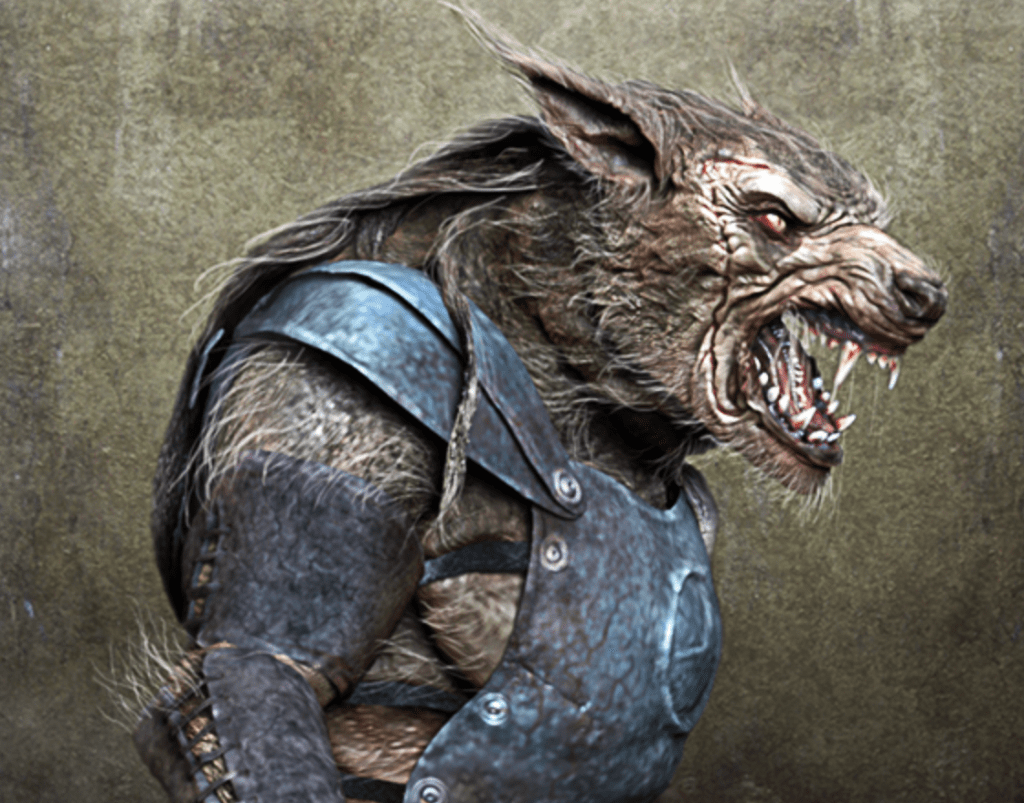
Region-free DVD sleeve
UK DVD cover
UK DVD cover
US DVD cover
US DVD cover
German Blu-ray cover
UK Blu-ray cover
UK Blu-ray cover

Newspaper ads…
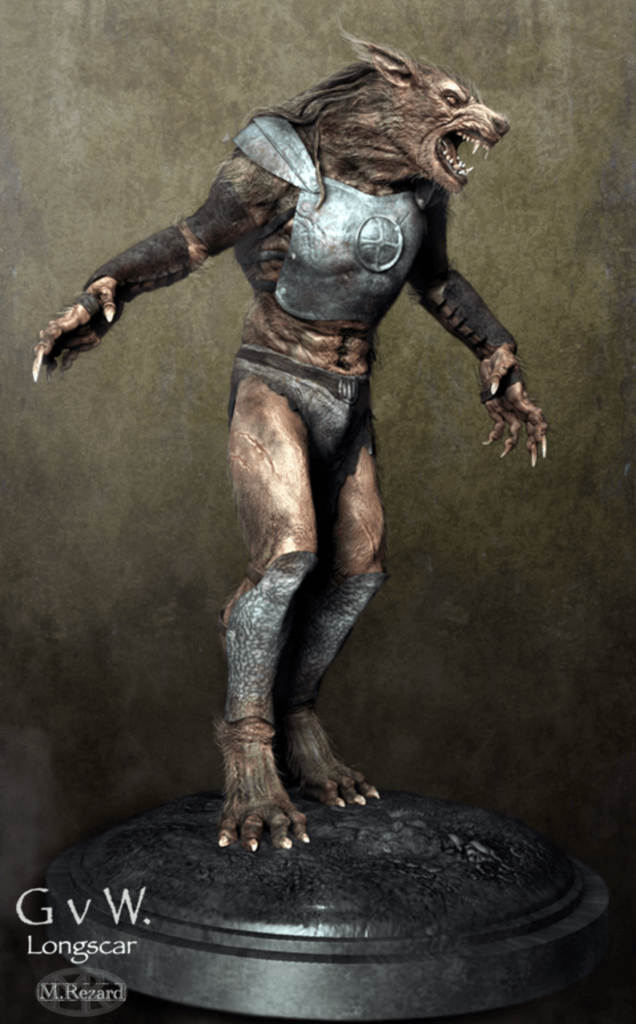
New York newspaper ad

Some pages from the Dell Movie Classic comic book adaptation. Art by Ed Ashe…
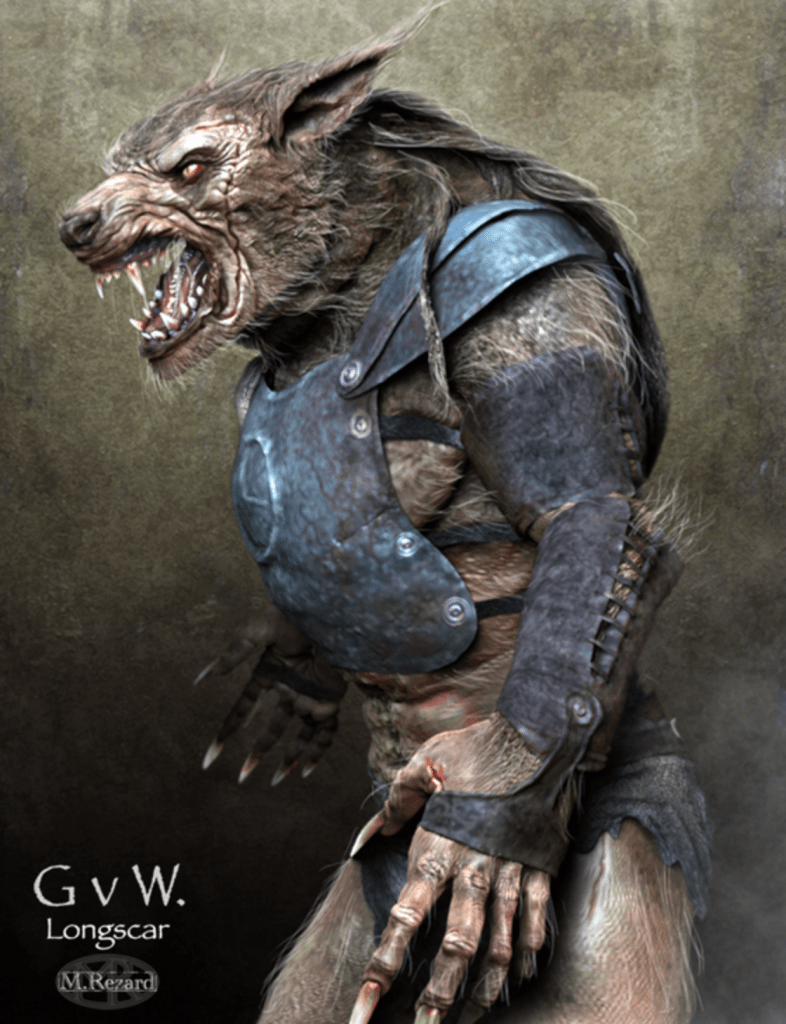
Comic book cover
Cover
Pendragon summons his cohorts...
Pendragon summons his cohorts…
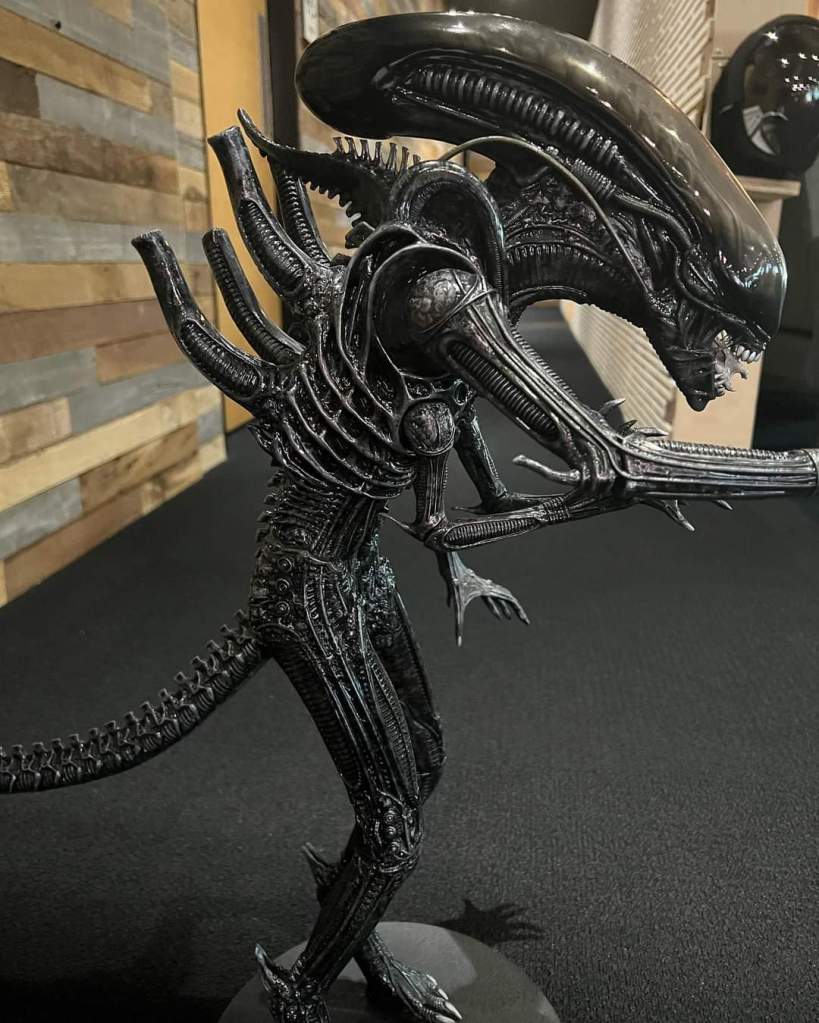
The sea monster is quite different-looking in this comic adaptation
Pendragon transforms!
Jack is triumphant!
Jack is triumphant!

Finally, here’s a behind the scenes shot of Jim Danforth animating the sea creature model…
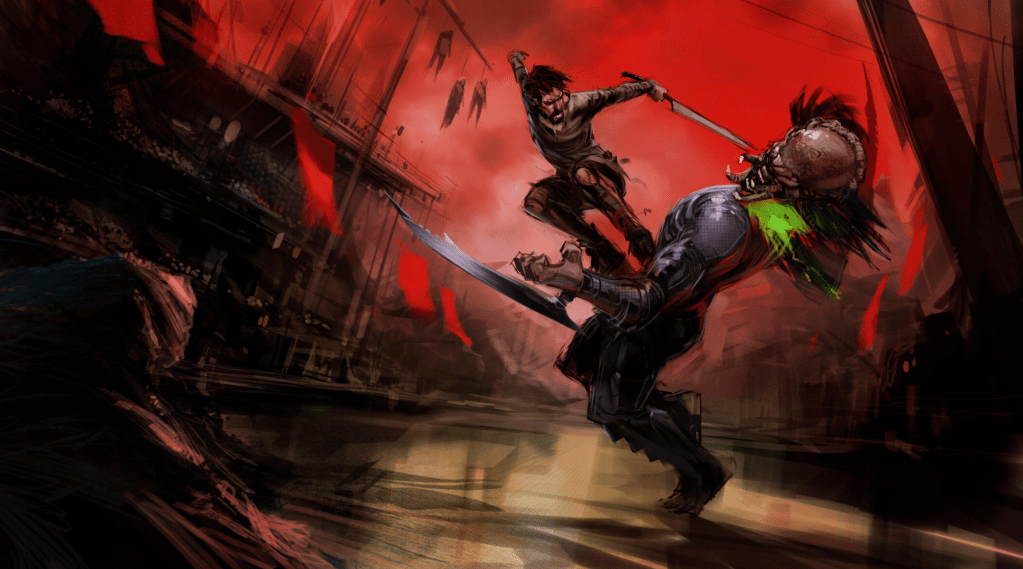
Jim Danforth at work
Jim at work