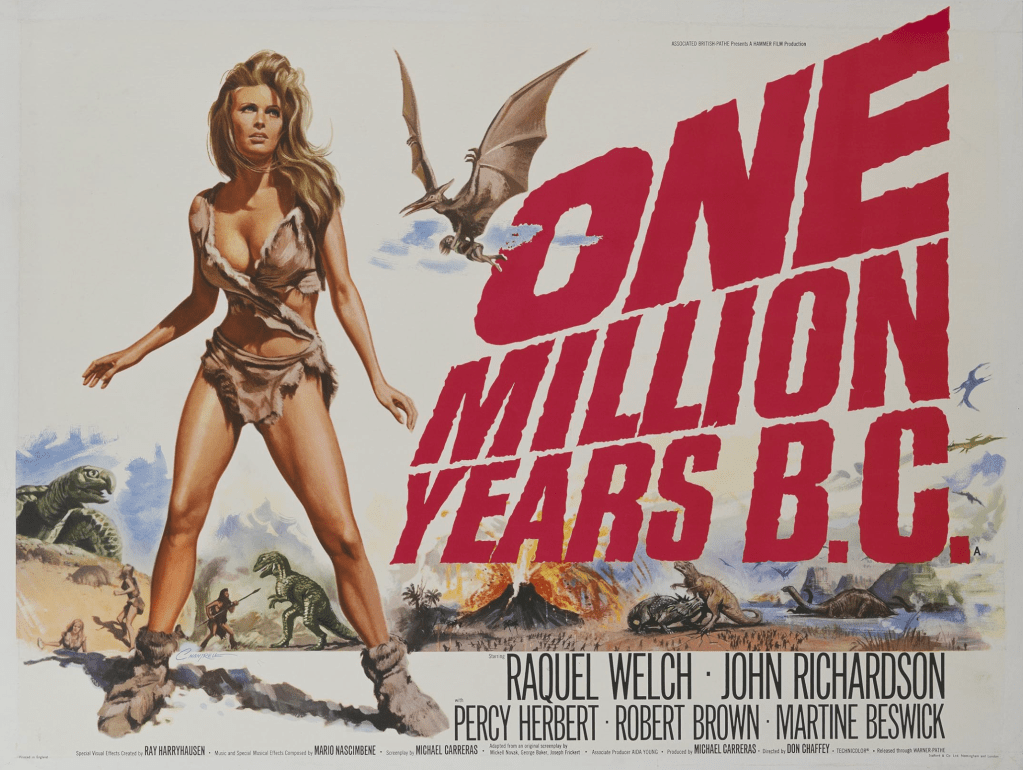
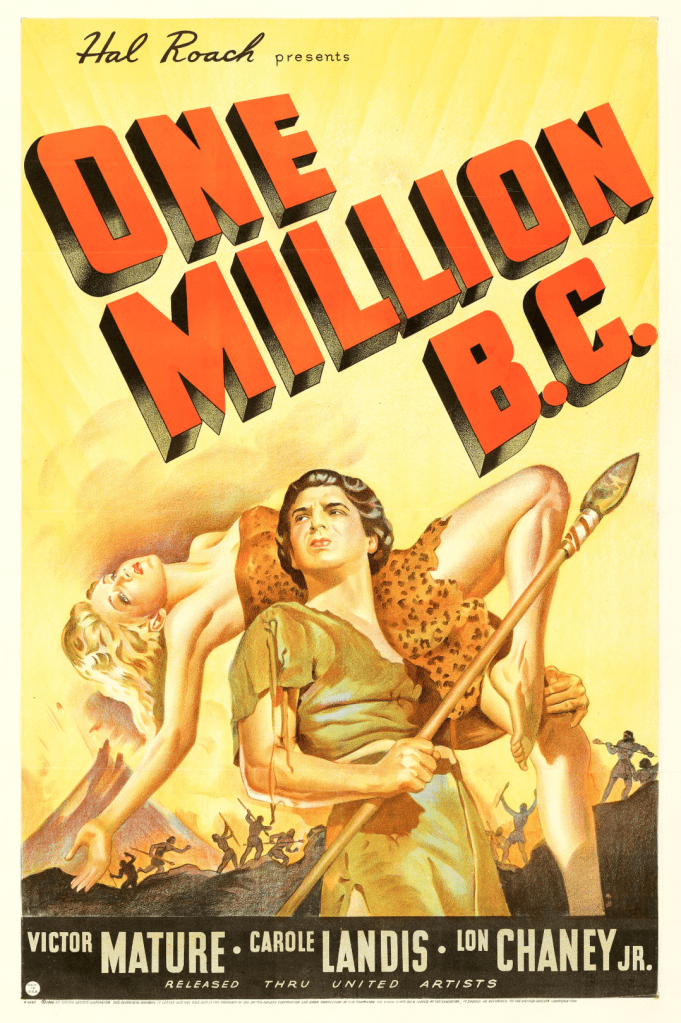
Back in the 1960s, when I was a young kid living near Tamworth, a town in Staffordshire, my father took me to the cinema one fateful day… to see a certain movie called ONE MILLION YEARS B.C.
At the time, as many children often were, I was very interested in dinosaurs, so my dad knew that I’d like this film. And, of course, I loved ONE MILLION YEARS B.C. when I saw it within the sumptuous surroundings of Tamworth’s (now long-gone) Palace Cinema! Watching this movie, which told a tale of love and survival and conflict in a prehistoric world, was an experience that cemented several lifelong interests within me; a fascination with dinosaurs, a fondness for films of the fantastic (especially creature features!), and a love of movies in general.
Before this key trip to the cinema, at an even younger age, I’d already seen MIGHTY JOE YOUNG on television. I liked this film so much my mother got into the habit of telling me new bedtime stories about the great ape to help me to fall asleep!
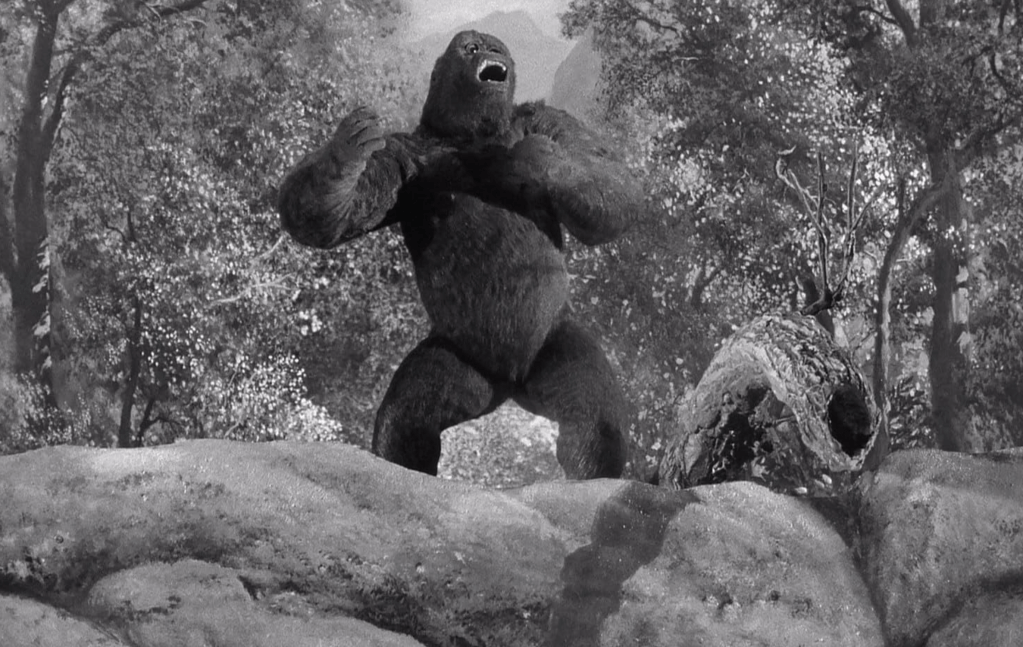
There were other films I would catch on television as the years went by, colourful productions like MYSTERIOUS ISLAND and JASON AND THE ARGONAUTS; movies that would immediately find themselves on my list of favourite films.
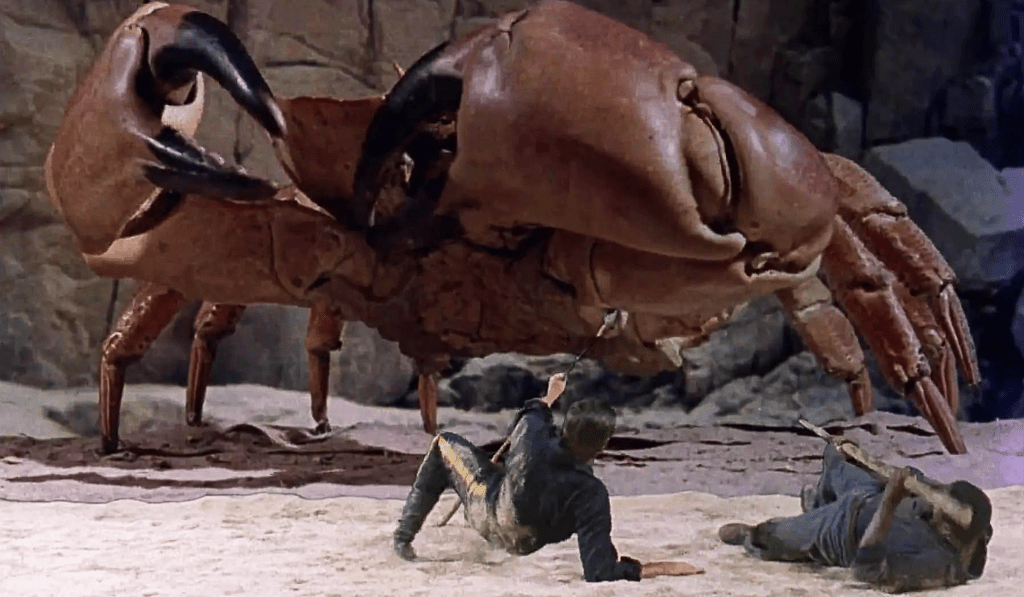
And then, in 1973, I watched an episode of the children’s TV series CLAPPER BOARD. This particular episode was devoted to the work of an American guy called Ray Harryhausen… and the clips being shown were from all the movies that I liked – and I finally realised the same genius was behind them all! Now I knew the movie monsters that I thought were the best-looking creatures to ever roam the silver screen were brought to ‘life’ via the art of stop-motion animation. And so I became obsessed with Ray Harryhausen, finding snippets of info about him from magazines like Famous Monsters of Filmland, going to see his latest releases like THE GOLDEN VOYAGE OF SINBAD at the theatre, making my own stop-motion home movies, buying Super 8 films and projecting these edited highlight reels of the stop-motion action sequences (from movies including THE 7TH VOYAGE OF SINBAD and JASON AND THE ARGONAUTS) for my own enjoyment and for my friends to watch. I was the only one of my group of friends to own a film projector at the time (this was a long time before the advent of videos and DVDs!)
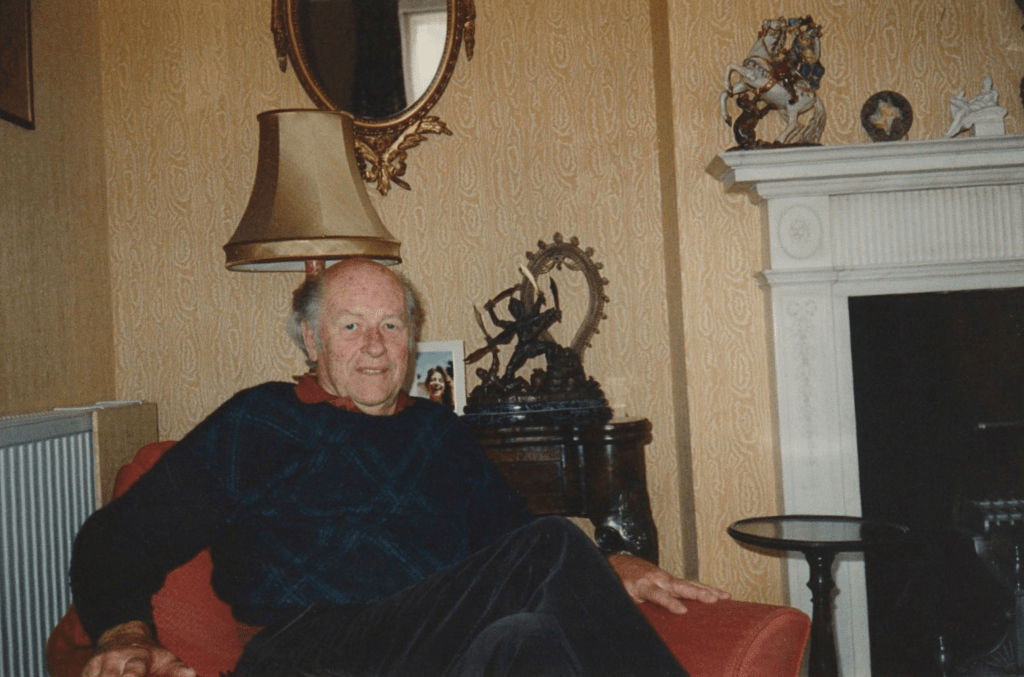
Anyway, fast-forward to the mid-1980s; this was when I started producing a film fanzine called Imaginator. The first few issues were photocopied, then I moved on to having them properly printed, and Imaginator became more of a prozine. In 1990 I reached out to Ray Harryhausen, asking if I could interview him – and Ray got back to me and he said… ‘yes’! So I went over to his lovely house in Holland Park in London, where Ray sat with me and answered my questions. I included the interview in issue 6 of Imaginator. By this time my interest in movie genres had broadened, so I was equally thrilled to be watching Hong Kong action flicks, low budget US horror movies, Carolco Pictures-style sci-fi-action epics, and so on – but I was still extremely fond of Ray’s fantastic output of films, and I was very proud to be able to include an interview with my hero within the pages of my magazine.
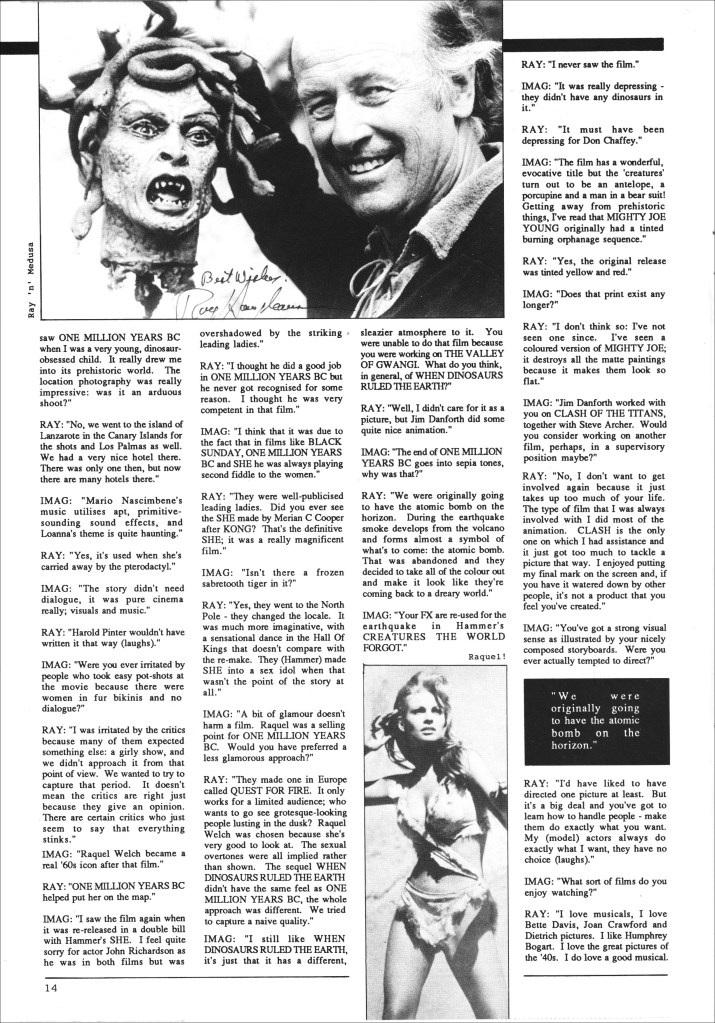
I did cross paths with Ray a couple more times when I went to some of his book-signing events, etc, but my fondest memory remains going to Ray’s home in 1990, where he put aside some time to let me, a lifelong fan, eagerly ask him a bunch of questions about his movies, and I even got to quiz him about such things as his favourite actors, the trickiest sequences he ever shot… and we even talked a little about the 1976 version of KING KONG!
There are a lot of people, including Peter Jackson, Rick Baker, Phil Tippett, Dennis Muren, Tom Hanks, James Cameron, Guillermo del Toro and many more, who were influenced and inspired and entertained by Ray Harryhausen’s cinematic oeuvre. Ray was someone who was not just a master of his craft, he was also a considerate man who would find the time to interact with those who looked up to him.
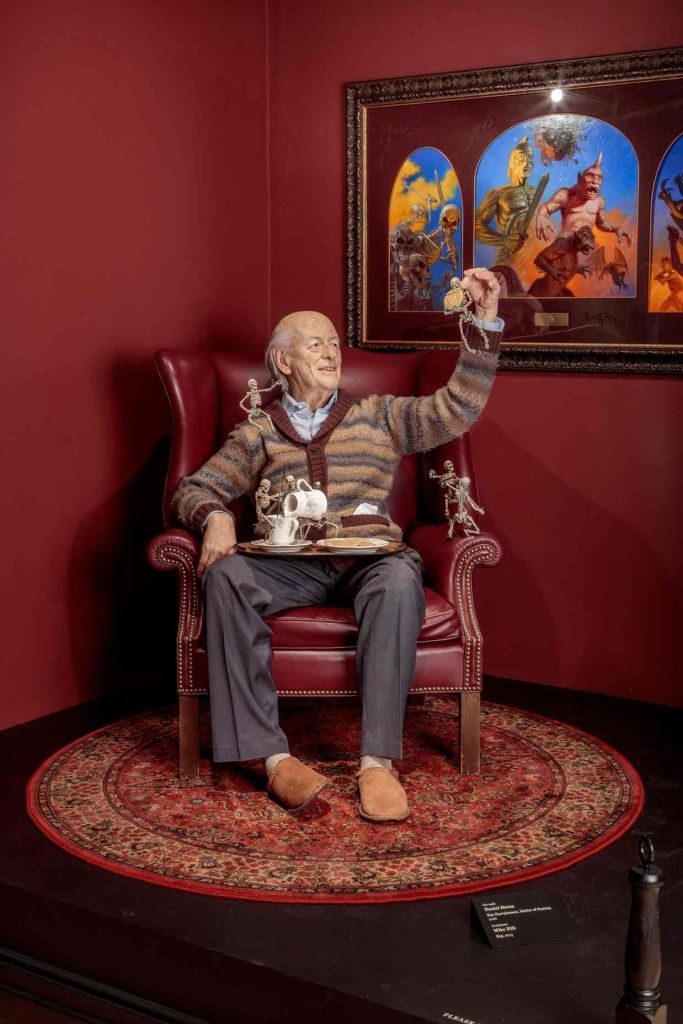
When I heard the news of Ray’s passing in 2013 it hit me hard. Though I had only met him a handful of times, the depth of interest that I had retained for his work, reaching right back to when I was a very young child, meant that, in a way, Ray had always been a part of my life, and so the sadness I felt was akin to losing someone close to me. There will never be another Ray Harryhausen.
The interview I did with Ray is featured below; please remember, as I’ve already said a couple of times, this chat took place in 1990, so some of the comments I make in the interview about how difficult it is to find and watch some of Ray’s older films no longer apply as his wonderful work is available now on DVD and Blu-ray and streaming. Also, this chat took place before a certain new type of special FX called CGI was to become an all-pervading method of making movie monsters, so that, of course, never gets commented on .
Anyway, in case you haven’t already guessed, this talk with Ray Harryhausen remains one of the highlights of my publishing-related work; I got to chat, one-to-one, with my all-time hero!

From MIGHTY JOE YOUNG (1949) to CLASH OF THE TITANS (1981), special effects magician Ray Harryhausen created a wonderful menagerie of monsters, dinosaurs and mythical creatures for the movies. Over the years many cinéastes have fallen under the spell of his creations. Whether they happened to be reanimated skeletons or an ever-growing alien from Venus, these articulated models possessed character and dynamism thanks to Ray’s painstaking work and skill. If it wasn’t for Ray Harryhausen’s body of work I probably wouldn’t have become hooked on fantastic films, and there would have been no IMAGINATOR magazine.
Recently I was very pleased to be able to talk with Ray and chat about such topics as his favourite movie stars, some of his unmade movie projects… and even Godzilla!

IMAGINATOR: I love monster movies and you’re the King of the Monster Makers. Of the creatures that you’ve created, which are you fondest of?
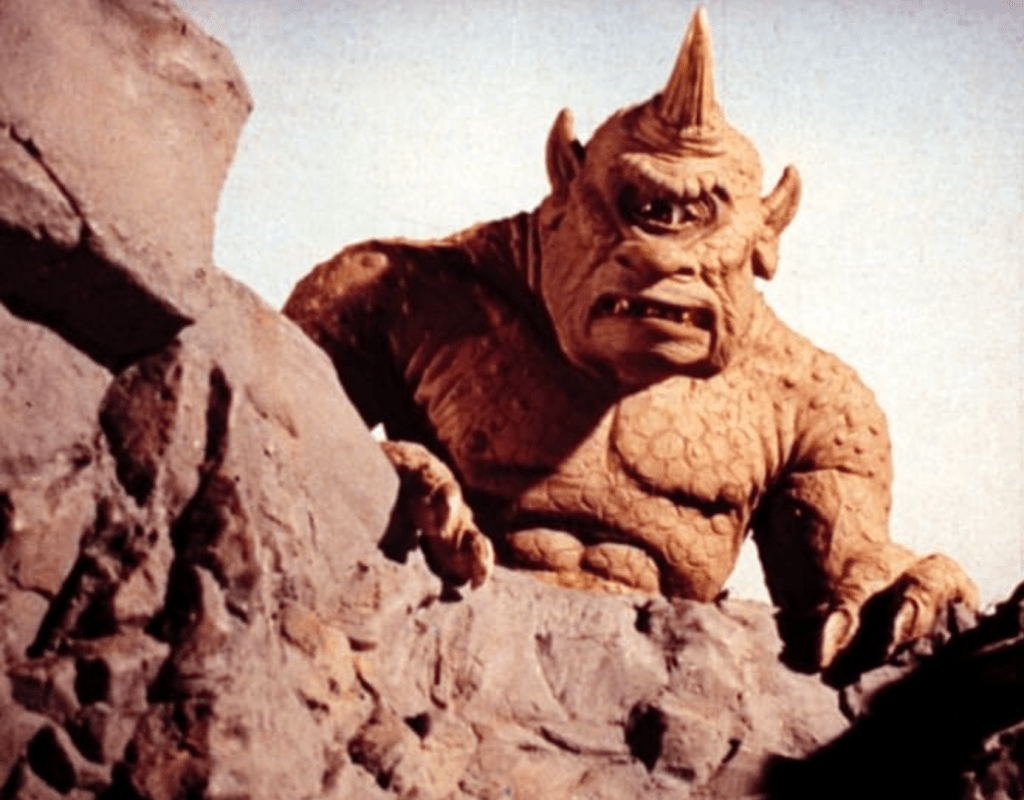
RAY: That’s very difficult to say. There are different creatures in different pictures one becomes fond of. One of the most popular things I’ve ever done was the Cyclops from THE 7TH VOYAGE OF SINBAD. I get more fan letters about the Cyclops, I think, than any other character.
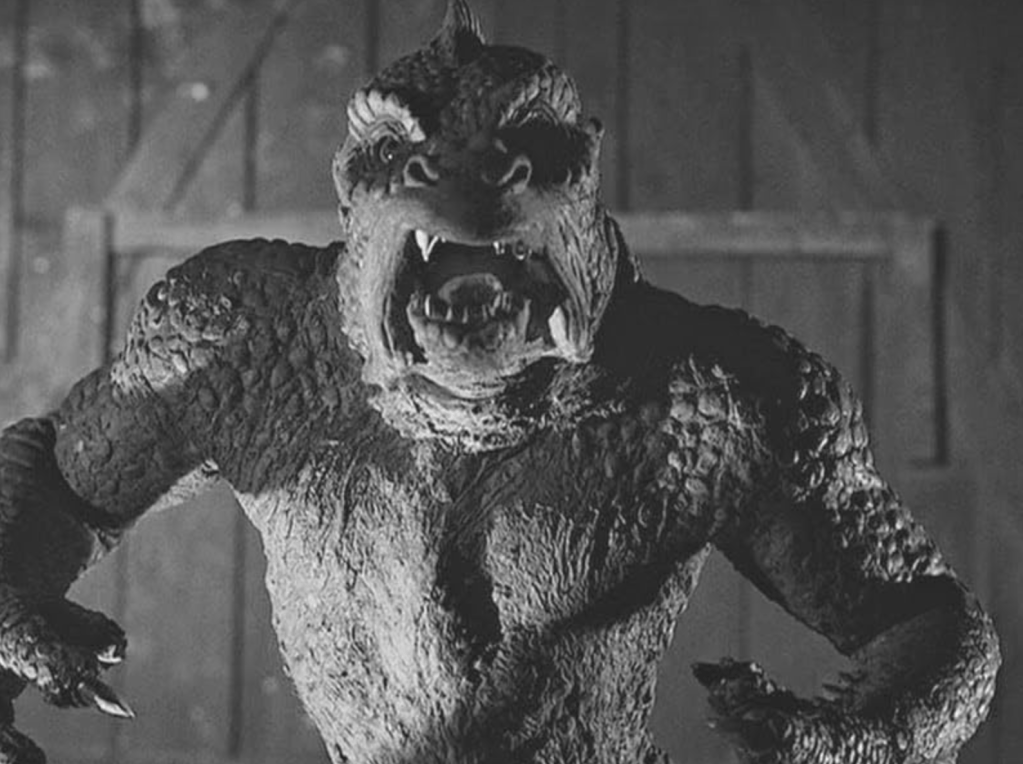
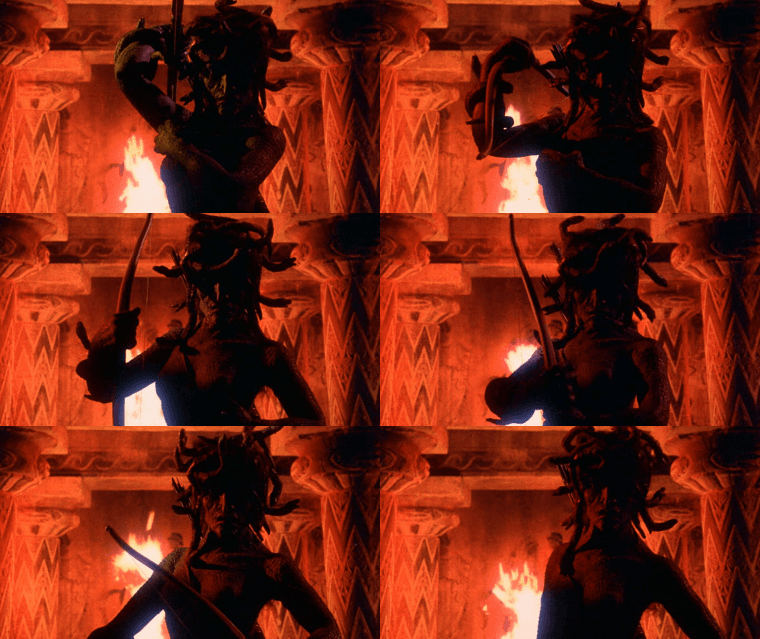
The Ymir was a character I grew rather fond of from 20 MILLION MILES TO EARTH, and Medusa (from CLASH OF THE TITANS), I think has a certain charm in her own uncharming way.
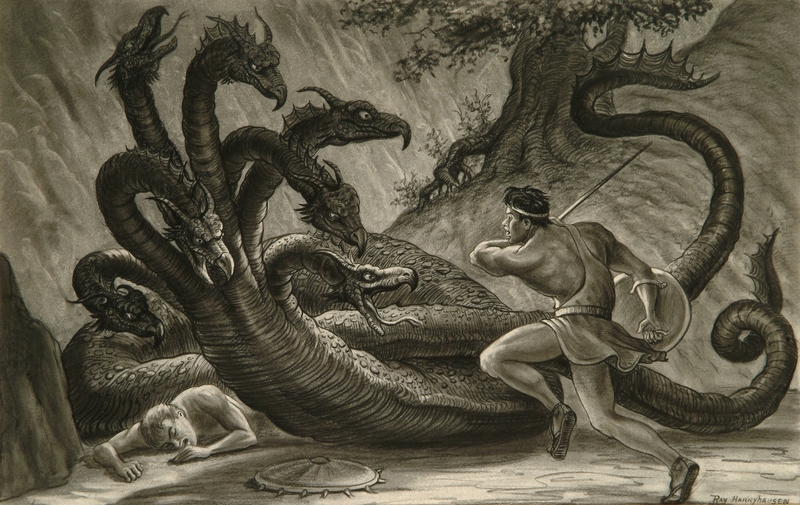
IMAG: One of my favourites is the Hydra from JASON AND THE ARGONAUTS.
RAY: Yes, the Hydra was interesting to animate.
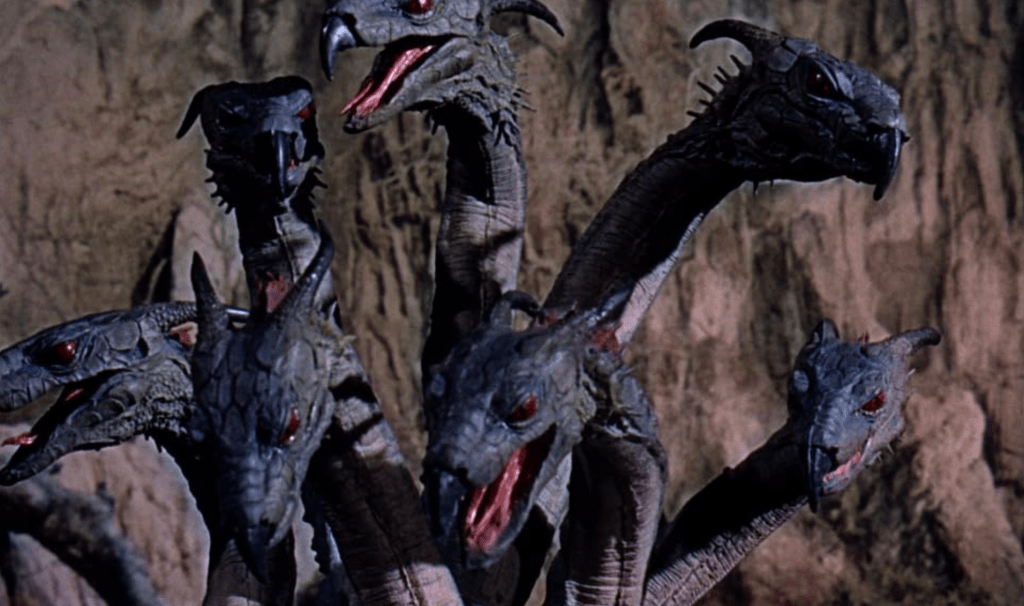
IMAG: It is one of those creations that couldn’t have been brought to life in any other way, other than with animation.
RAY: It’s something you read about in a storybook and you could never imagine you’d ever see a ‘live’ one of the screen.
IMAG: Did you ever intend to give it legs?
RAY: No, never. It’s supposed to be snake-like. With legs it would be a dragon.
IMAG: Rick Baker made a rubber mask based on your cyclopean Centaur design from THE GOLDEN VOYAGE OF SINBAD.
RAY: Yes, he wanted to put it on the market. This was years ago before rubber masks became popular. He made it as a sample and tried to talk to Columbia, but unfortunately no one at that time was interested.
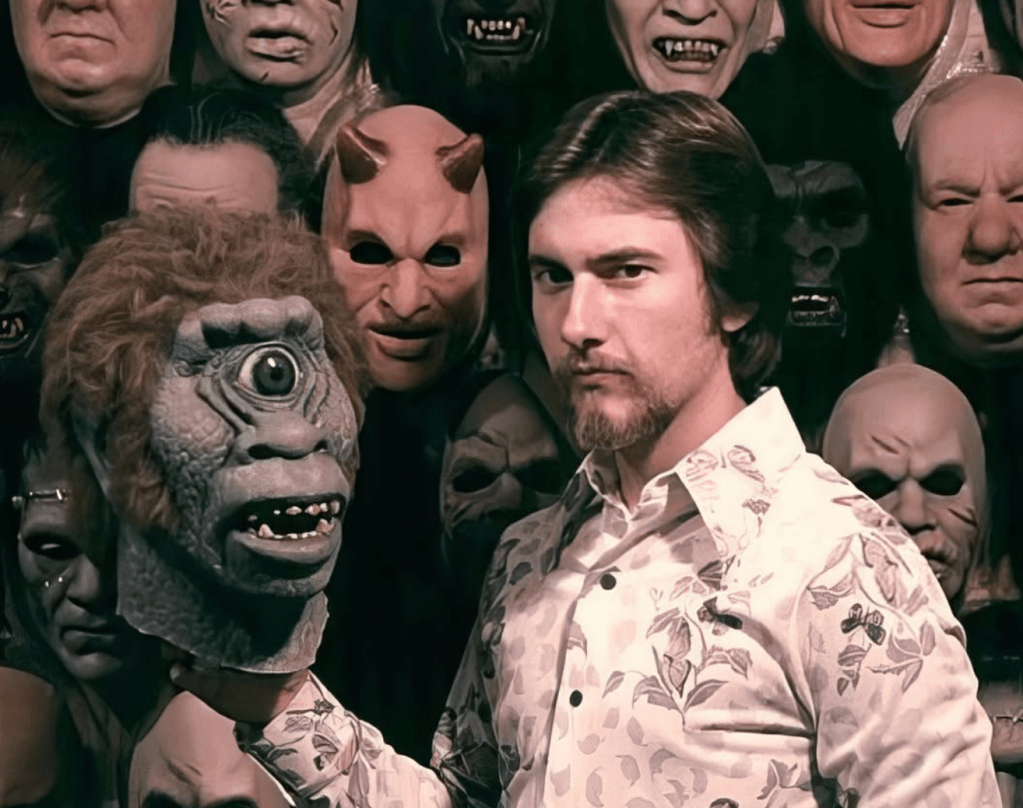
IMAG: He made it quite a while back?
RAY: Oh yes. Many years ago.
IMAG: Rick Baker, of course, was involved in the 1976 remake of your all-time favourite film, KING KONG (1933).
RAY: Very much so. He WAS King Kong. Unfortunately, the awards were all given to entirely different things.
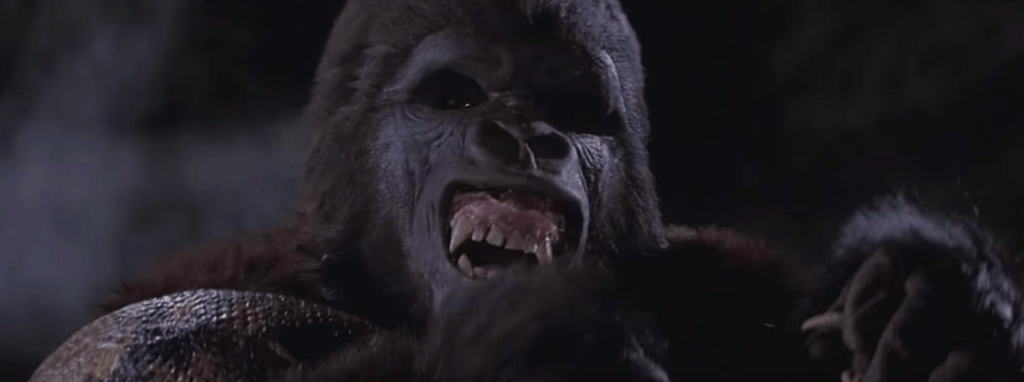
IMAG: I felt sorry for Rick Baker. At the start of KING KONG there is a message from the producers that acknowledges the ‘fact’ that King Kong was built by Carlo Rambaldi: with no mention of Baker.
RAY: And they never used that big mechanical thing for more than 10 seconds. It was a big con game.
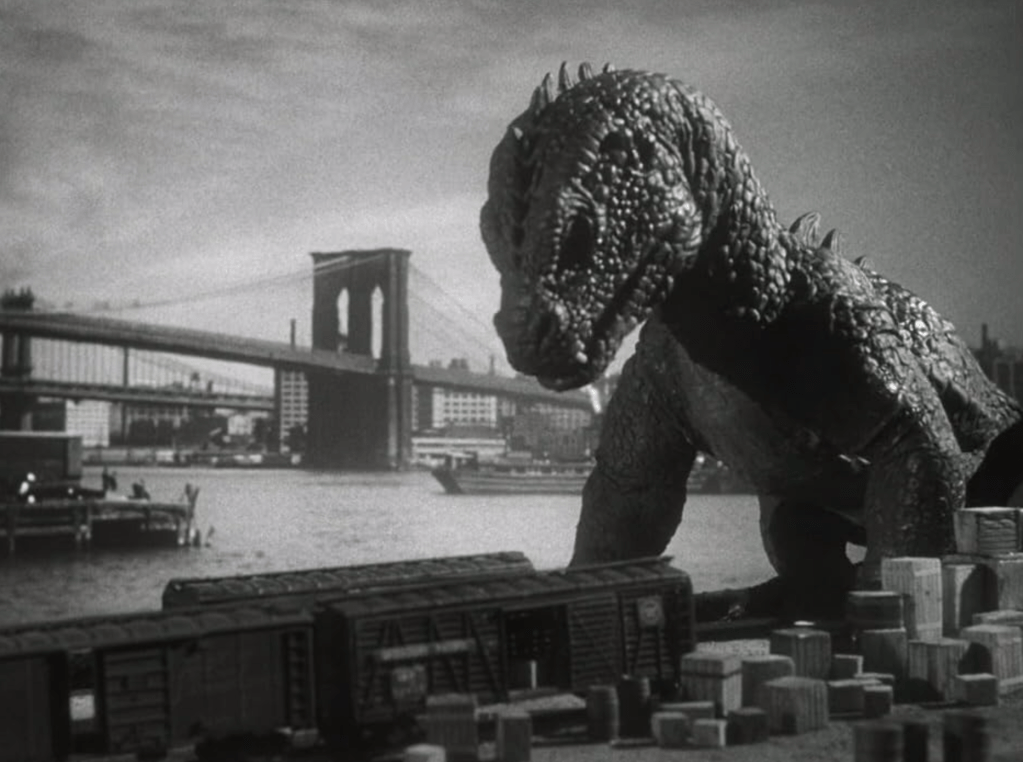
IMAG: The Rhedosaurus from THE BEAST FROM 20,000 FATHOMS (1953) is a made-up dinosaur. Was it always intended to be fictional?
RAY: Yes. We didn’t want to have a brontosaurus as they are too round and don’t have a great deal of menace, and they’re vegetarian. So we made a synthetic creation: a sort of cross between a tyrannosaurus, a brontosaurus, and an alligator, all three combined.

IMAG: It must have been wonderful to work on a film based on a short story written by one of your friends; Ray Bradbury.
RAY: Oh yes, very much so. It was the only time that we’ve worked together. We used to haunt the telephones when telephone conversations were cheap; you’d pay five cents and you could talk for an hour or two. He used to live on the other side of town and we used to talk and compare notes. We wanted to make the greatest dinosaur picture ever.
How the BEAST came about didn’t involve us working directly together on the screenplay. The script had already started for the film when the short story (called THE FOGHORN) came out in The Saturday Evening Post. We needed additional sequences so, when the producer read the story with a big illustration of a monster attacking a lighthouse, he said, ‘Gosh, we’ve got to get that and put it in the picture’. The title was also changed. The picture was originally called MONSTER FROM BENEATH THE SEA.
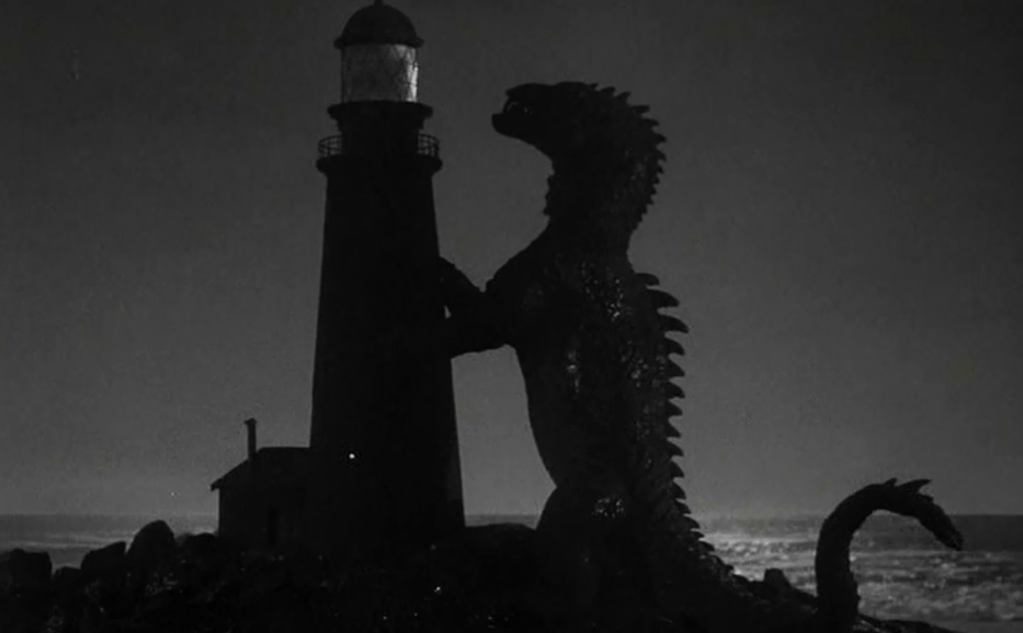
IMAG: The lighthouse scene is very good. The silhouetted attack is very atmospheric.
RAY: It’s one of the highlights of the picture. I would’ve liked to have done it in a more elaborate way, but the whole picture was made for a very low budget so it wasn’t practical.
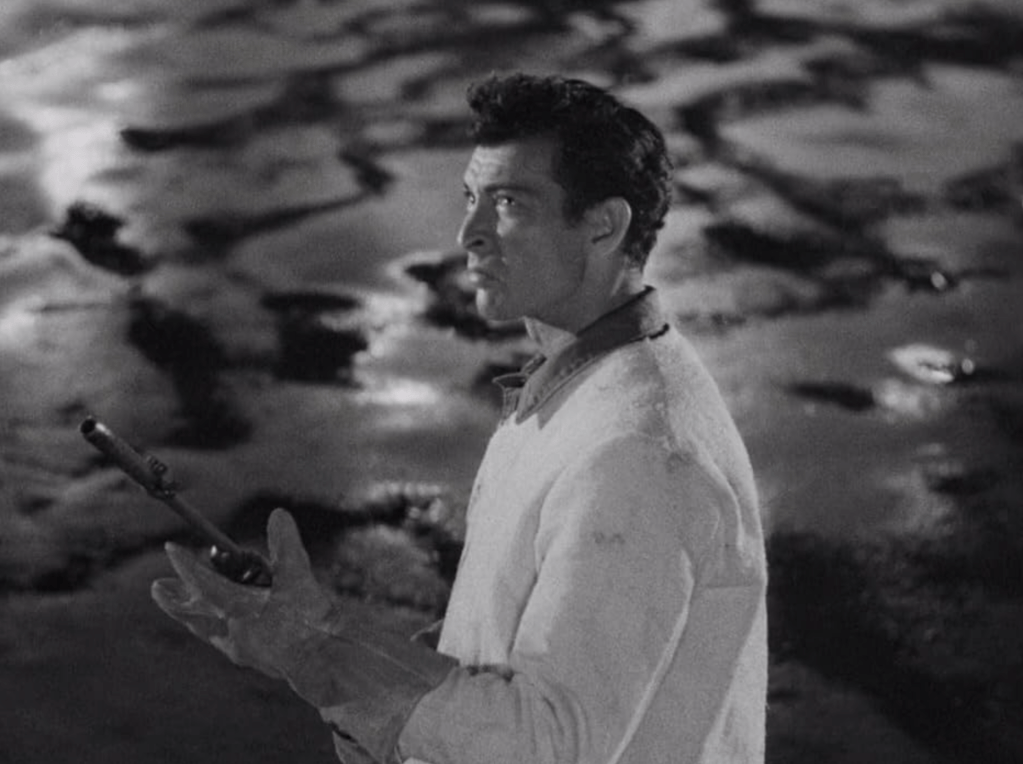
IMAG: The late Lee Van Cleef played the guy who kills the beast.
RAY: That was long before he became a big name in the spaghetti westerns.
IMAG: You went on to make more dinosaurs come to life in THE ANIMAL WORLD, ONE MILLION YEARS B.C. and THE VALLEY OF GWANGI. Why do people still have this fascination for dinosaurs?
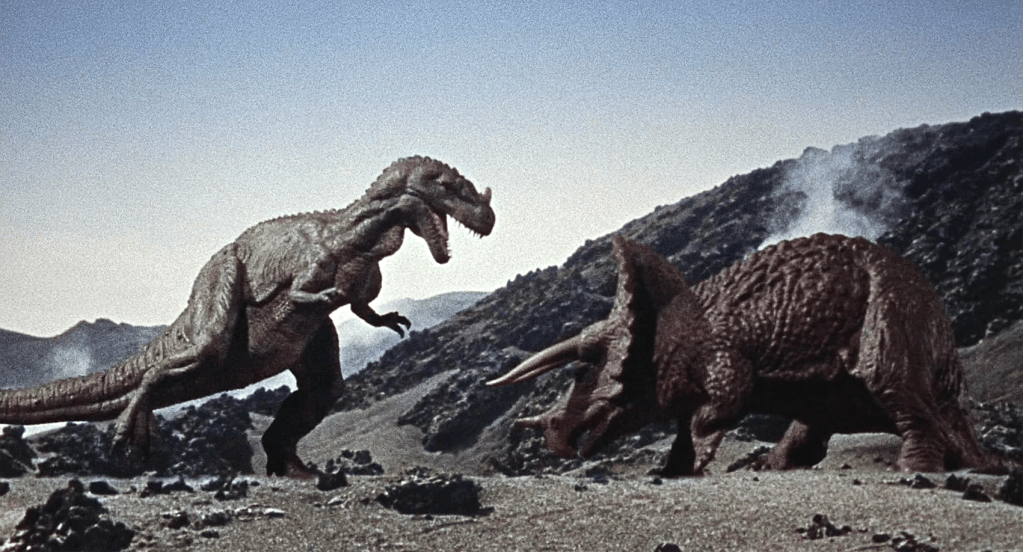
RAY: Well, dinosaurs were actual living creatures and every child goes to the museum and is brought up seeing the skeletons. The whole point of the medium of dimensional animation, particularly from Willis O’Brien’s point of view when he made THE LOST WORLD in 1925, was that you were putting on the screen something you couldn’t photograph in real life. You can’t find a dinosaur today so you have to create one, and the best way to create it, rather than glueing fins on known lizards, is through the medium of stop motion.
I would have liked to have re-made THE LOST WORLD because I think I could do it better.
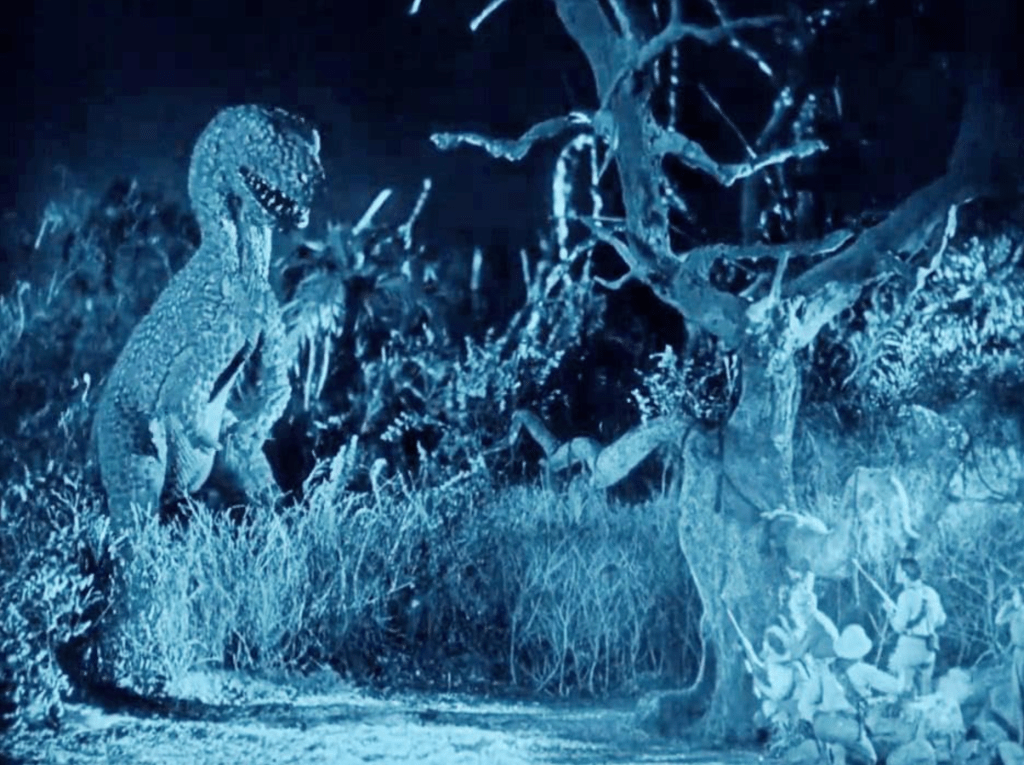
The only reason I accepted re-making ONE MILLION B.C. (1940) was because I didn’t think the first one did it right. They had to hide some of the animals because some of them were so dreadful, particularly the allosaurus; you could hardly see it hidden behind the bush.
IMAG: It was a man in a suit.
RAY: I felt I could improve upon it. I always hesitated re-making KING KONG because it is a classic and, even with many of its shortcomings, it’s still one of the greatest fantasy films ever made.
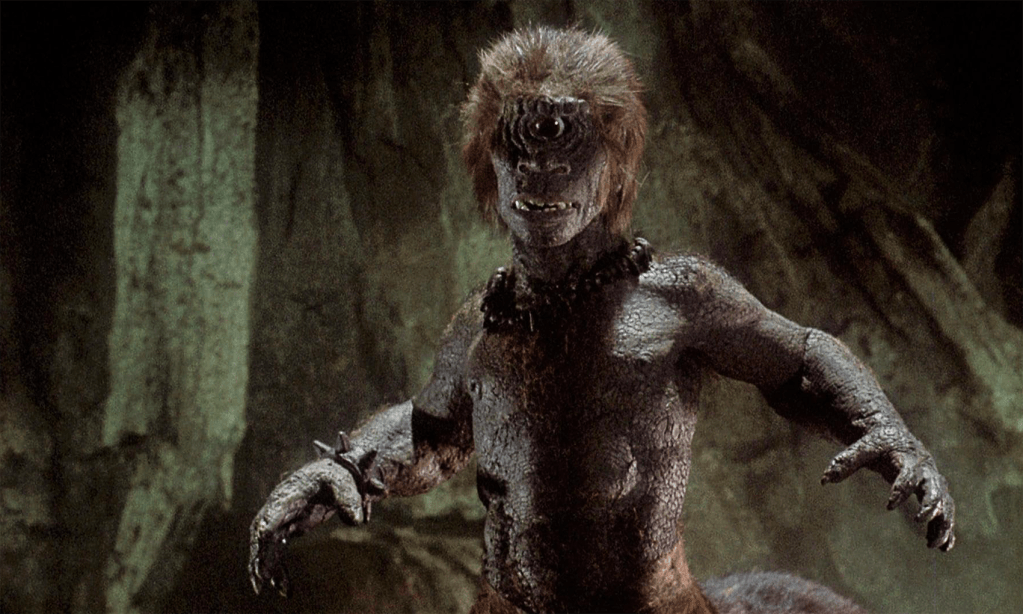
IMAG: You’ve created some great mythical characters; the Cyclops from THE 7TH VOYAGE OF SINBAD and the Centaur from THE GOLDEN VOYAGE OF SINBAD come to mind. I’m interested in why you chose to have the mechanical Minoton rather than a flesh-and-blood Minotaur for the third Sinbad film?
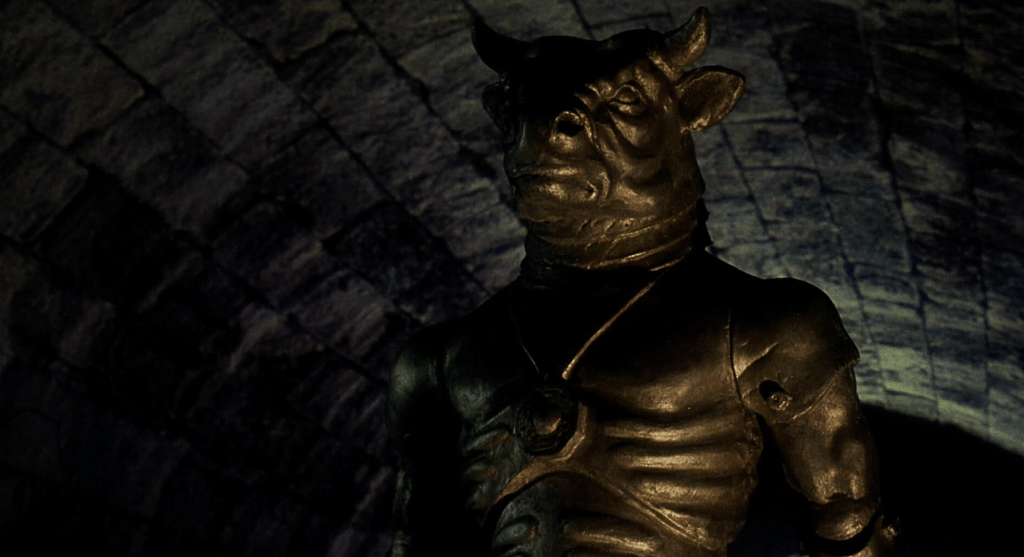
RAY: We felt we wanted Zenobia, the sorceress, to create mechanical-like thing, like a Frankenstein, rather than have it an actual living thing. It was a servant, not a wild beast; you’d have to approach the story from a completely different point of view if it was alive.
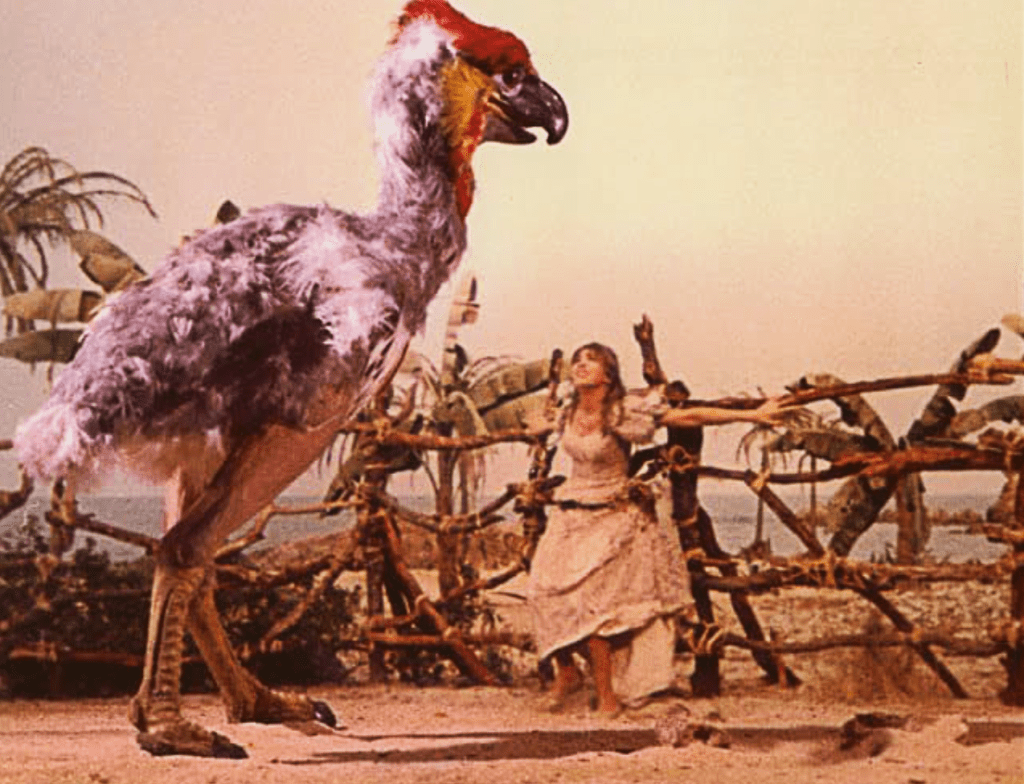
IMAG: The Phororhacos in MYSTERIOUS ISLAND (1961) is frequently mistaken for a giant chicken because the thing’s origin was not gone into in the final film. What were you going to do to illustrate the prehistoric nature of the bird?
RAY: The script went through a number of changes as many screen stories, when they’re being composed, go through. At one point we wanted to approach MYSTERIOUS ISLAND from a prehistoric point of view; that they would land on this island which is populated by prehistoric animals. We were going to have all kinds of dinosaurs and things on it. But we abandoned that idea and the Phororhacos was a leftover from that. So then we adapted the idea of having Captain Nemo making these animals big, like the crab and the bee, through experimentation. So that was a combination of two different approaches to the same story.
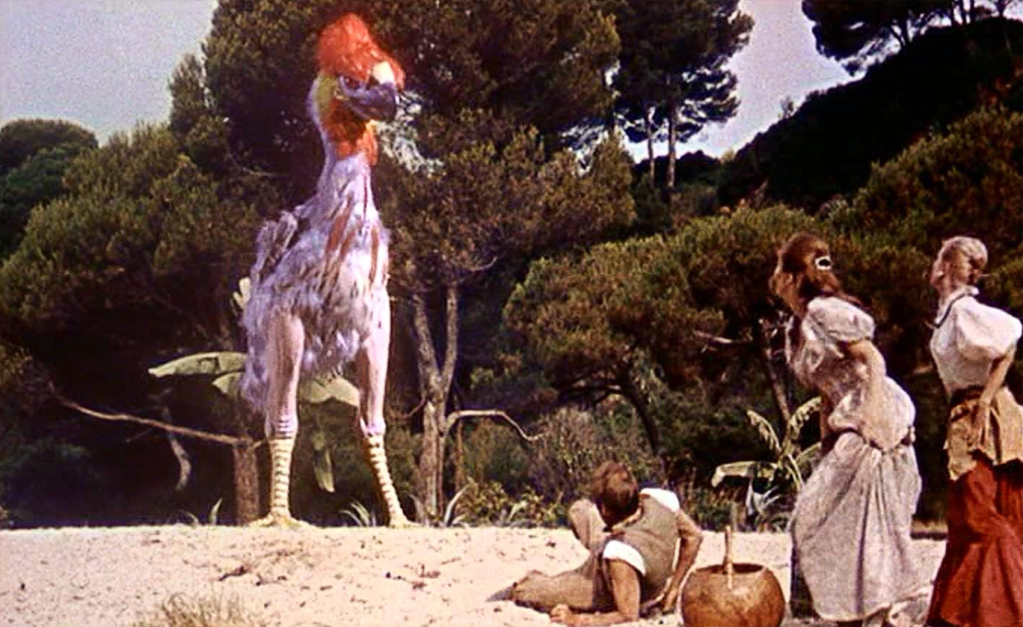
IMAG: So you didn’t mind people thinking that it was a chicken?
RAY: No, it was a slightly comical effect and Bernie Herrmann, of course, put a semi-comical score to it.
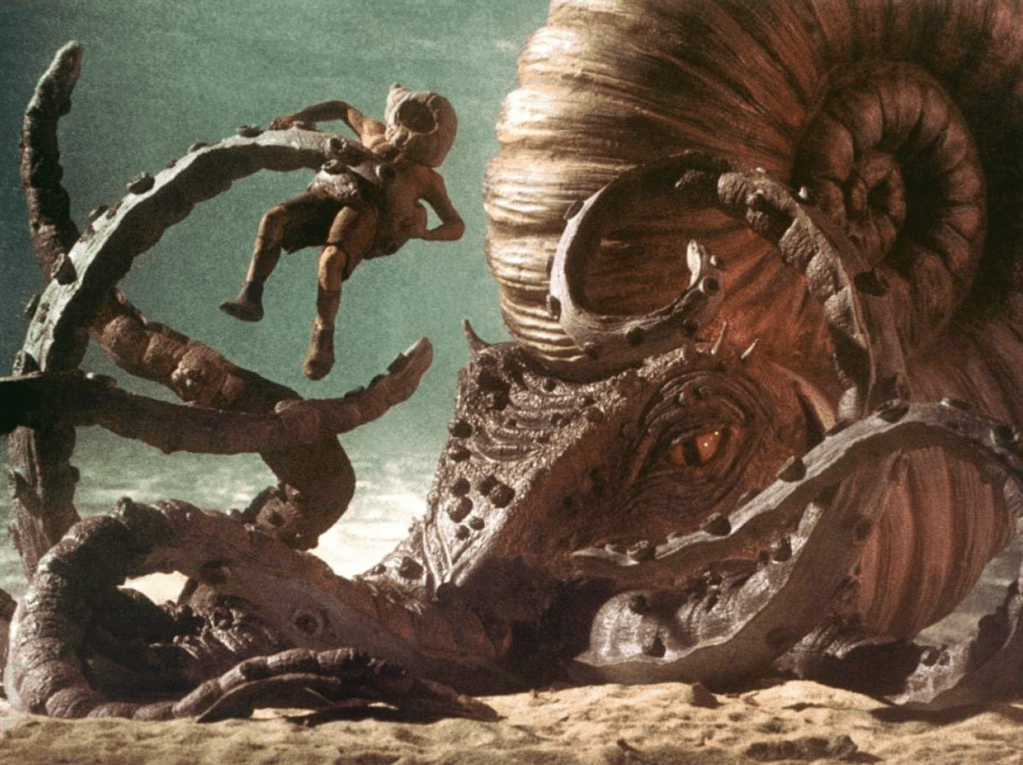
IMAG: What about the squid-like creature at the end; the Nautilus? That was intended to be a prehistoric thing too, wasn’t it?
RAY: That was sort of a hang-over from the prehistoric period, yes.
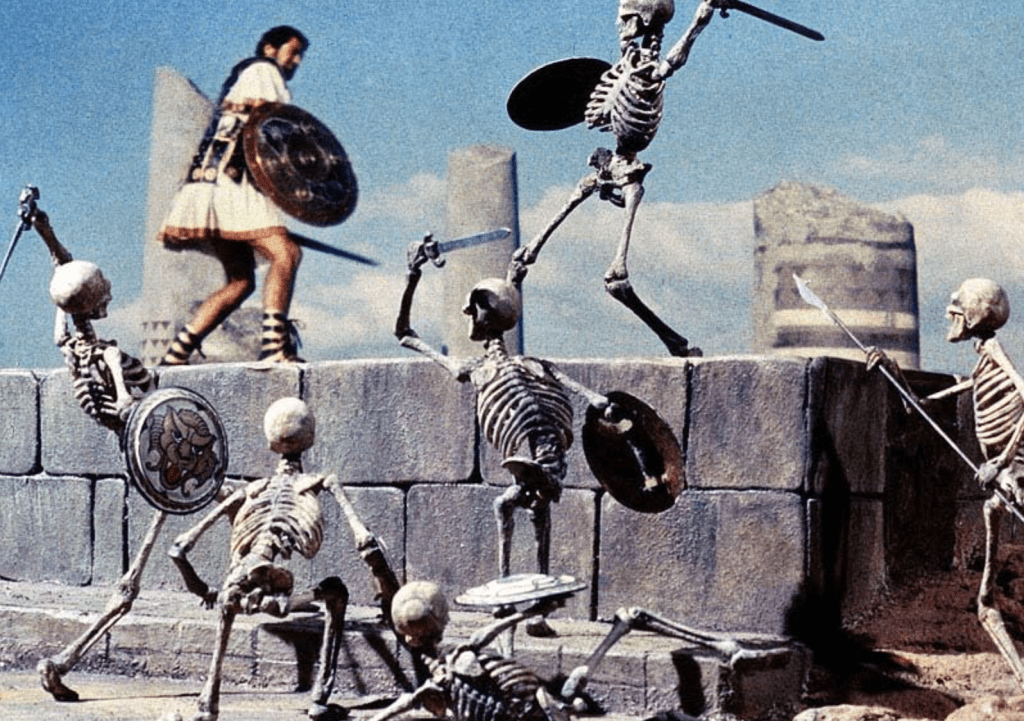
IMAG: You have animated lots of complicated set-ups, such as the roping of the allosaurus in THE VALLEY OF GWANGI and the skeleton fight from JASON AND THE ARGONAUTS. What has given you the biggest headache in any of your films?
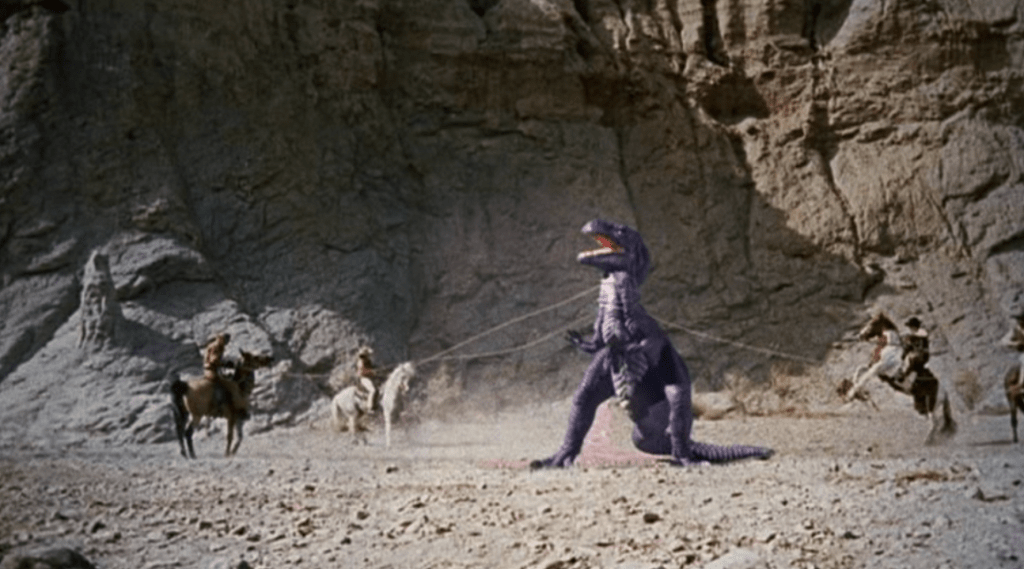
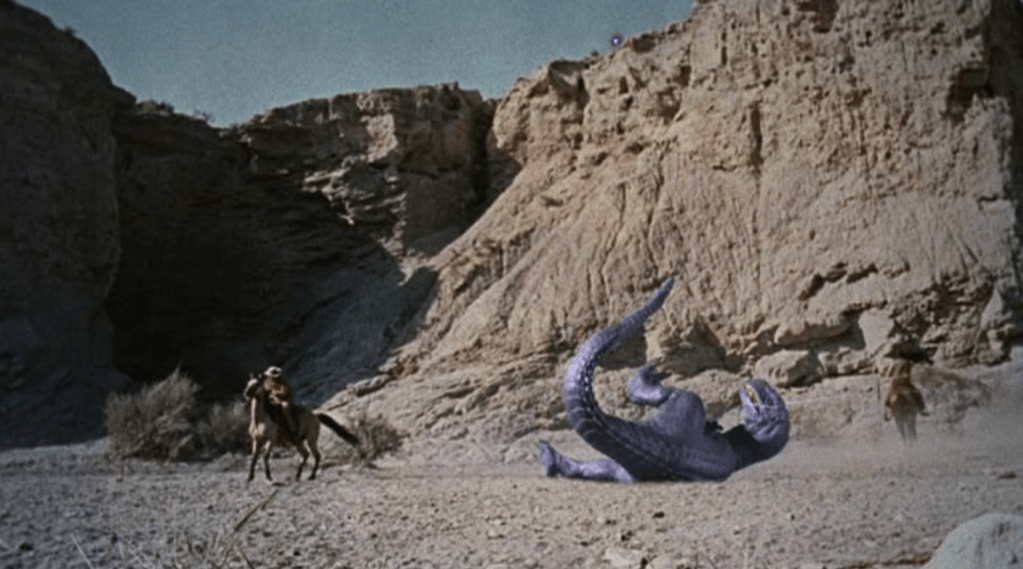
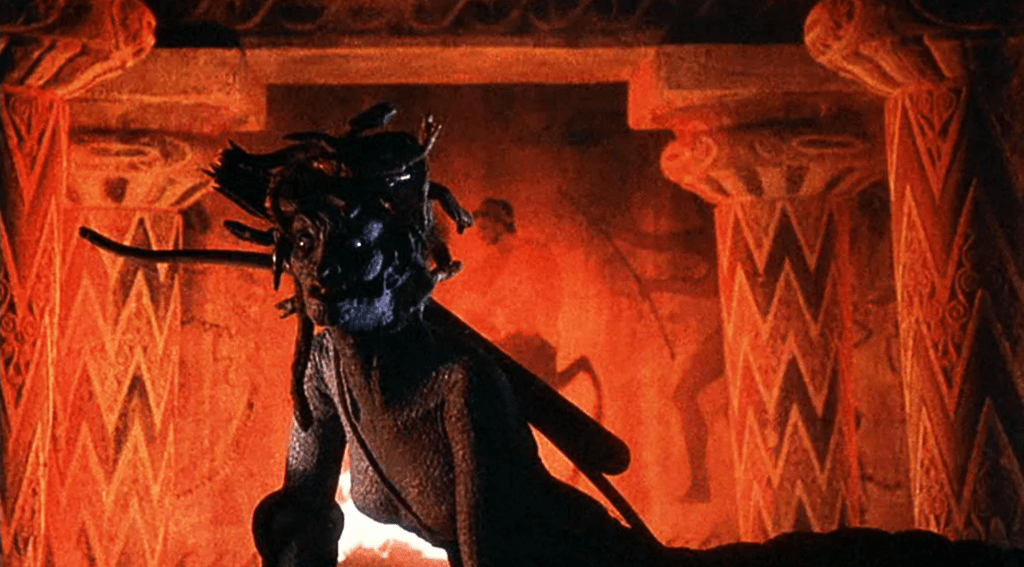
RAY: GWANGI had a lot of problems, and anything involving multiple heads has its problems – the Hydra, and Medusa; she had 12 snakes in her hair. When you start animating 12 snakes, keeping them moving all the time, plus the tails, plus Medusa herself shooting arrows from her bow and rattling her tail, it gets quite complicated to remember all the moves, whether the head is moving backwards or forwards – particularly if the phone rings!
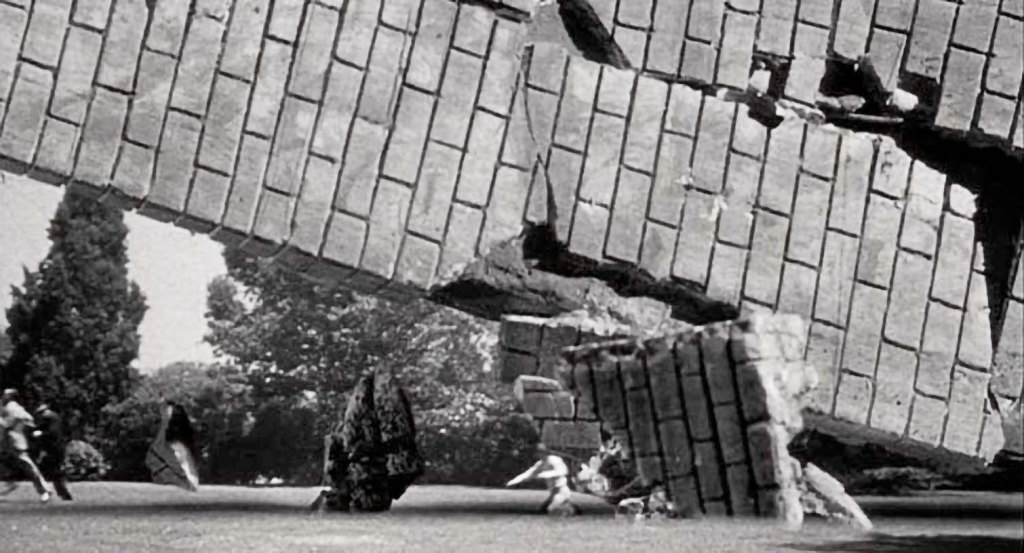
IMAG: It must’ve been headache-inducing to animate the buildings and famous landmarks getting wrecked in EARTH VS. THE FLYING SAUCERS (1956). You animated the falling bricks individually!
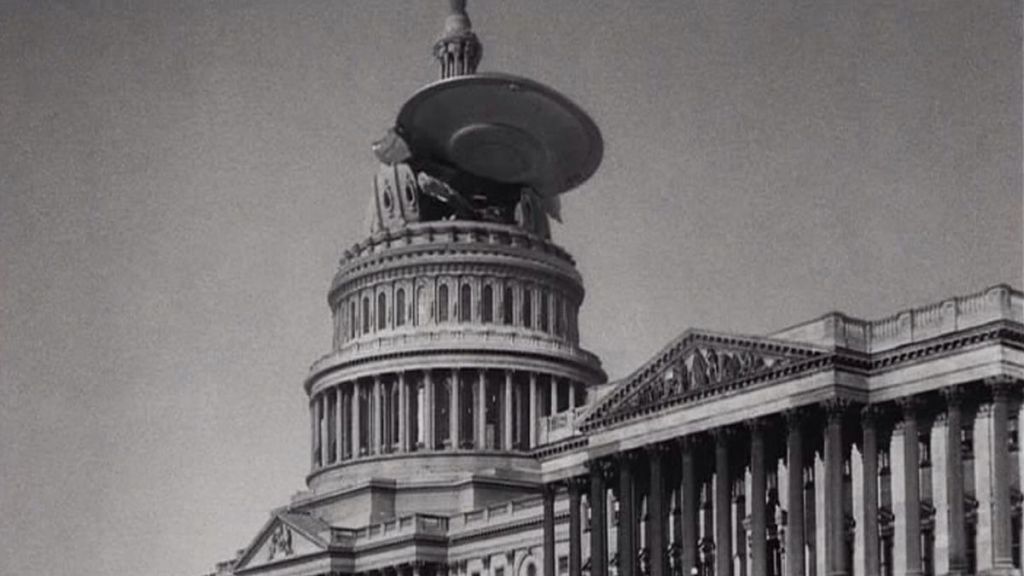
RAY: We did that simply because we couldn’t afford high speed photography. The budget was so low that we just couldn’t have the set-up where you have to have a couple of dozen people on a high speed camera. I wouldn’t do it again; it was an experience I went through but it never looked as convincing as high speed photography.
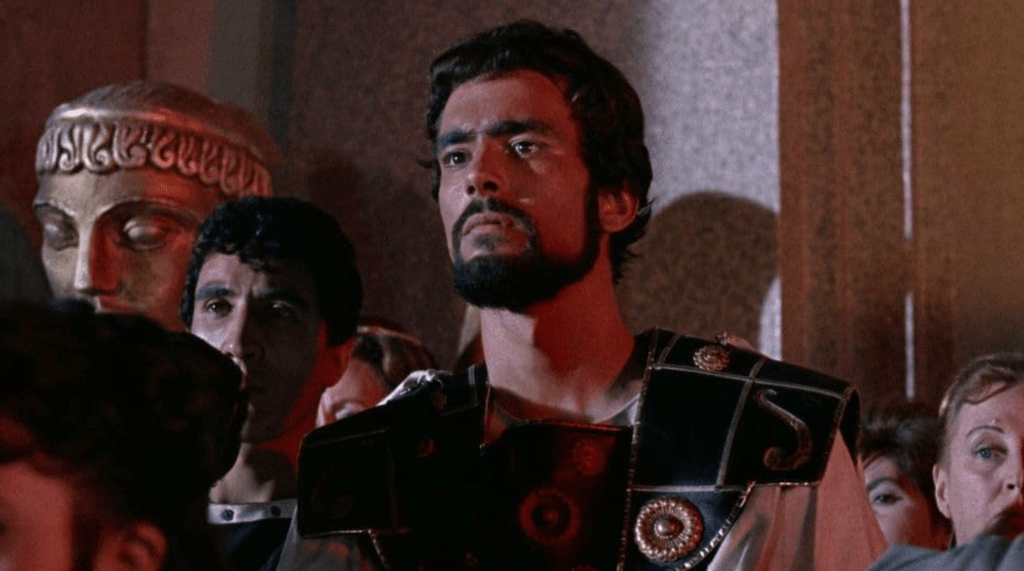
IMAG: Whatever happened to Todd Armstrong?
RAY: I’ve no idea.
IMAG: The only other film that I’ve seen him in was the POW story, KING RAT.
RAY: I never saw him in that.
IMAG: He’s not a major character in KING RAT.
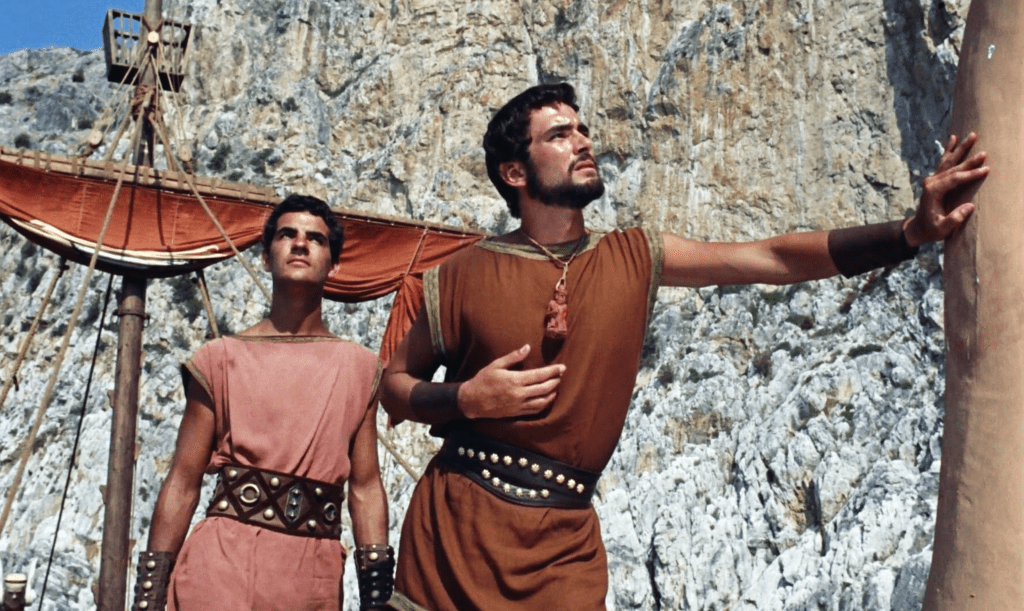
In JASON AND THE ARGONAUTS he had to be dubbed, right?
RAY: We had a lot of English actors that were all from the stage, and they had a certain type of accent. Todd had a good voice but he had a very strong American accent which collided when we put everything together. That was the reason he was dubbed; we had someone with a voice that sounded very much like him but without the strong American accent.
IMAG: That’s quite unusual as many producers went out of their way to make sure the lead character HAD an American accent.
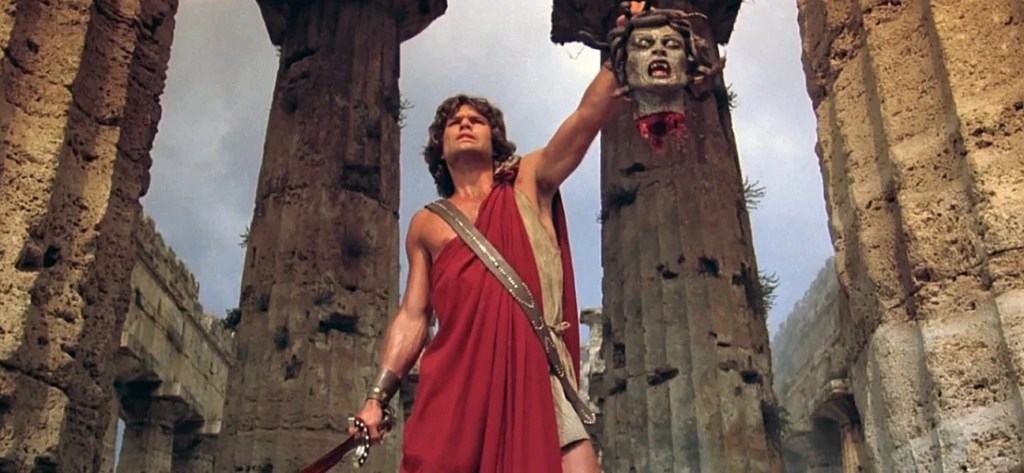
RAY: I know. He was chosen because the head office felt that they wanted an American in it, you know. We had the same problem with CLASH OF THE TITANS. John Gielgud was up for the role of Ammon, the playwright, but the front office said we had to have more Americans in it or people will think it is a foreign film.
IMAG: Fortunately, Burgess Meredith was chosen. I quite like him in the role.
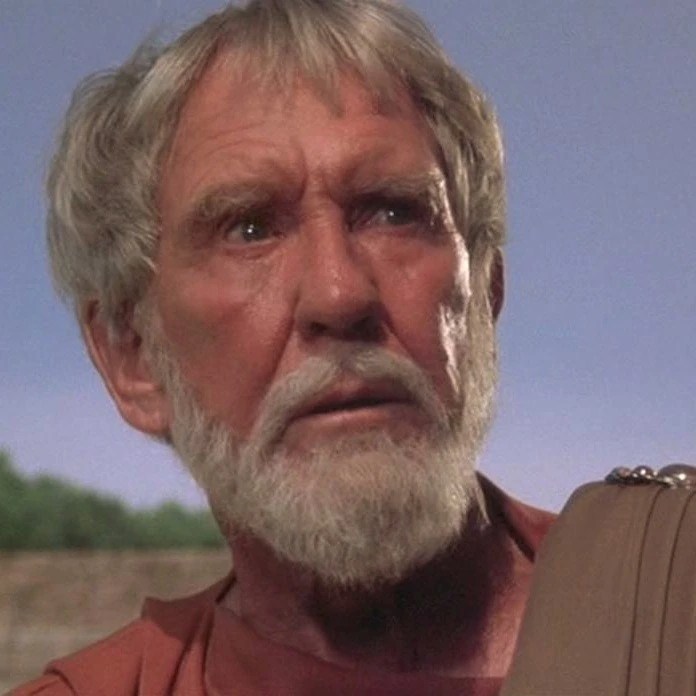
RAY: He did a good job. He was American and so, of course, was Harry Hamlin, who was quite unknown. Now he’s made a big name in LA LAW.
IMAG: Who would you rate as the actor you were most impressed with?
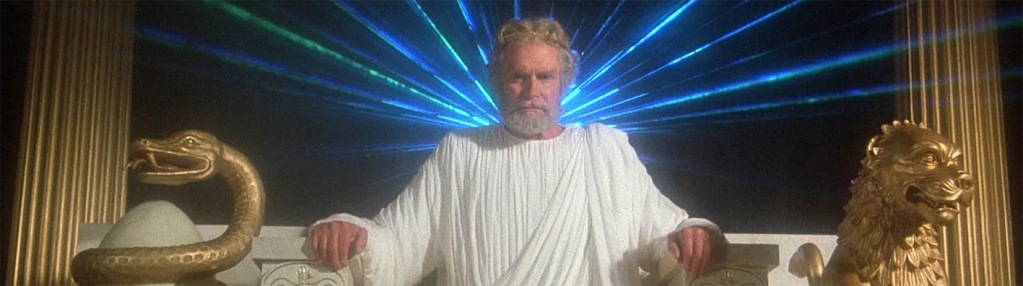
RAY: Of course we were delighted to have Laurence Olivier play Zeus. Who else could play Zeus? This was after his prime but I thought he did a beautiful job.
IMAG: I like his later films; MARATHON MAN and the 1979 version of DRACULA.
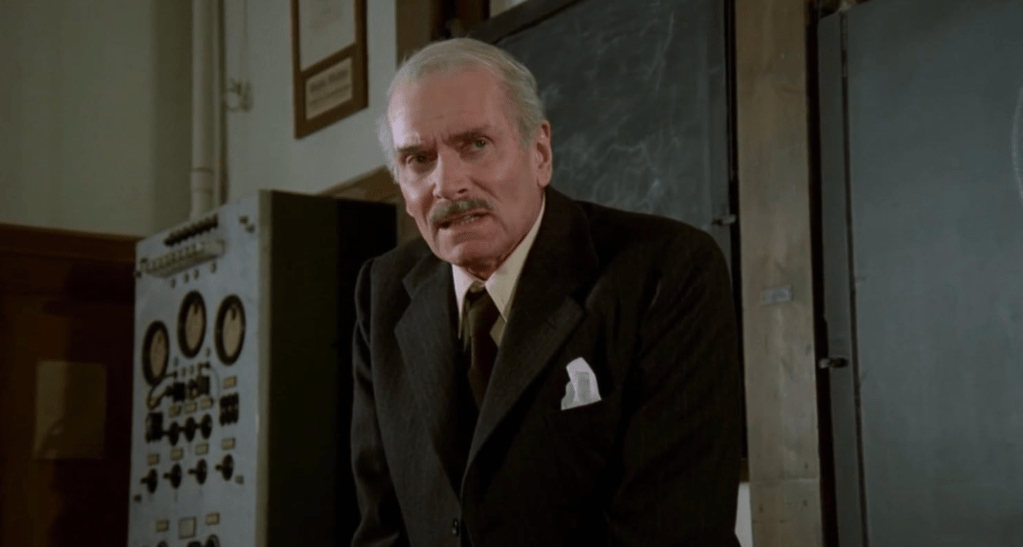
RAY: He was excellent in THE BOYS FROM BRAZIL, I thought. These films were made when he’d got to that stage in life when the critics like to tear you down because they built you up.
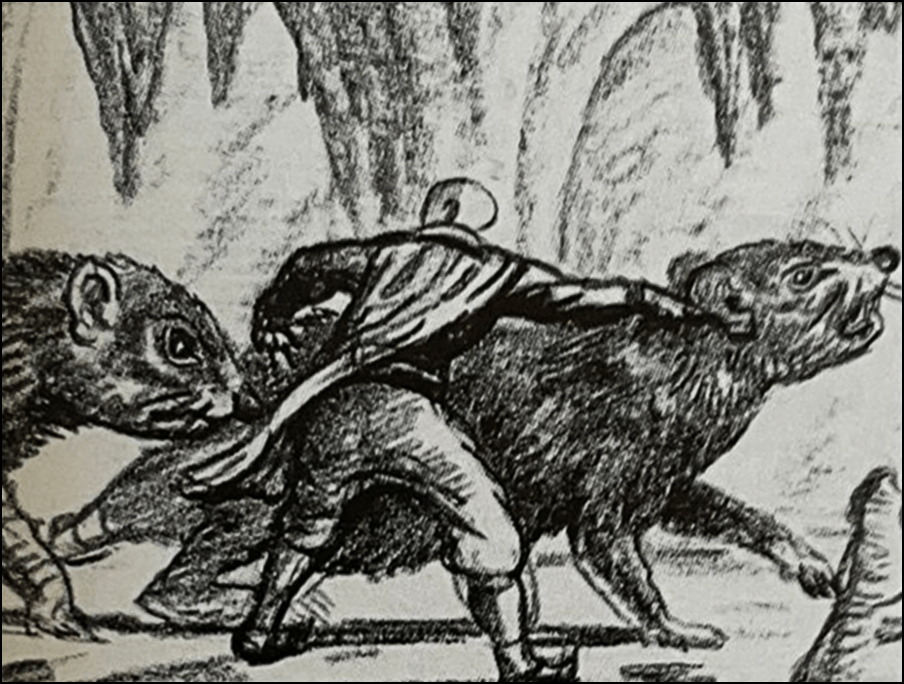
IMAG: I saw some storyboards from THE 7TH VOYAGE OF SINBAD that involved giant rats. Why didn’t the rodents feature in the film?
RAY: The whole sequence was dropped. I designed it then Charles Schneer and I talked it over and he felt that rats were too repulsive. At first we had wanted to make Torin Thatcher’s role much more diabolical by having him associate with big rats.
IMAG: Can you tell me anything about the unmade film SKIN AND BONES?
RAY: That was a film I wanted to do at one time based on a published story (by author Thorne Smith). It was a comedy, but we never got around to it; I made one drawing to illustrate how it could have been done. I think it would have made an amusing film.
IMAG: Would it have been a horror comedy?
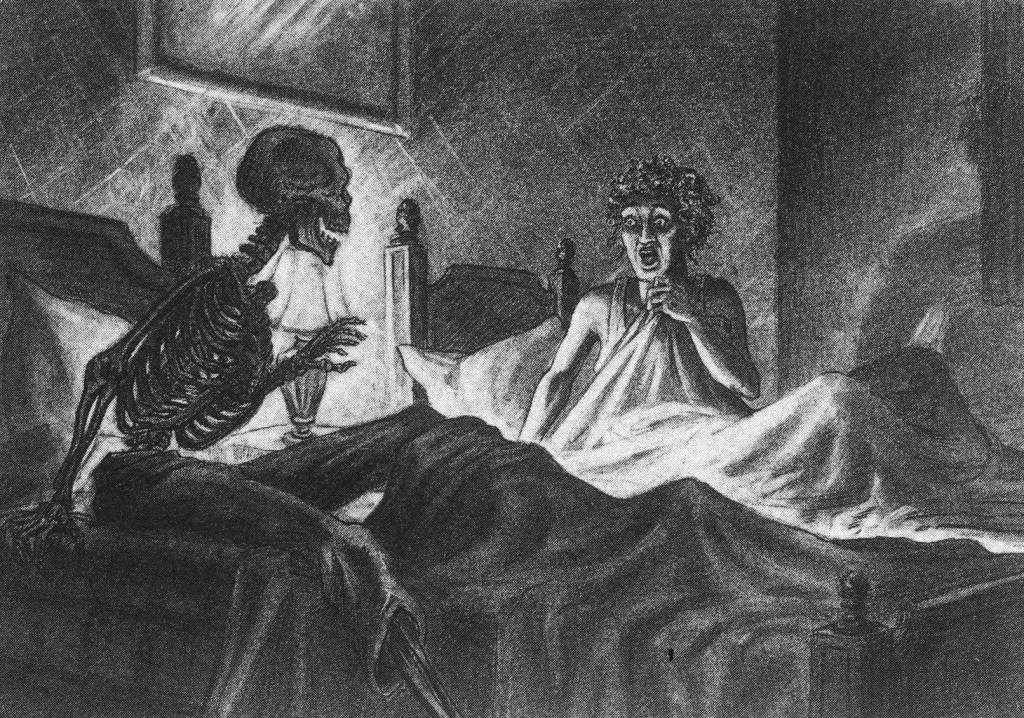
RAY: No, it would have been like something from the TOPPER series. An amusing, ghoulish concept.
IMAG: How did the skeleton you drew for the conceptual drawing figure in the story?
RAY: He was a photographer who took a chemical that, every time he drank liquor, turned him into a skeleton. The story it was based on didn’t really have an important ending, we ran into a lot of script problems when we were trying to develop it, and so we abandoned it.
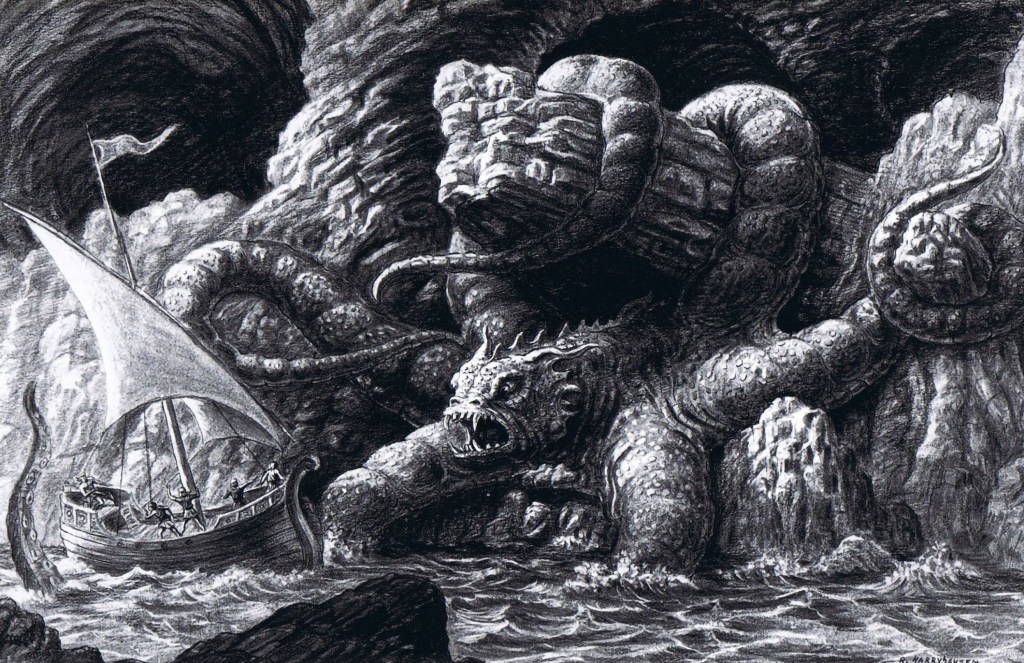
IMAG: What was the proposed film FORCE OF THE TROJANS about?
RAY: That was to have come after CLASH OF THE TITANS. It was a story about the founding of Rome.
IMAG: Would it have been a costume period picture without mythical creatures?
RAY: It would have been similar to CLASH OF THE TITANS, with the Sphinx and many different creatures in it.
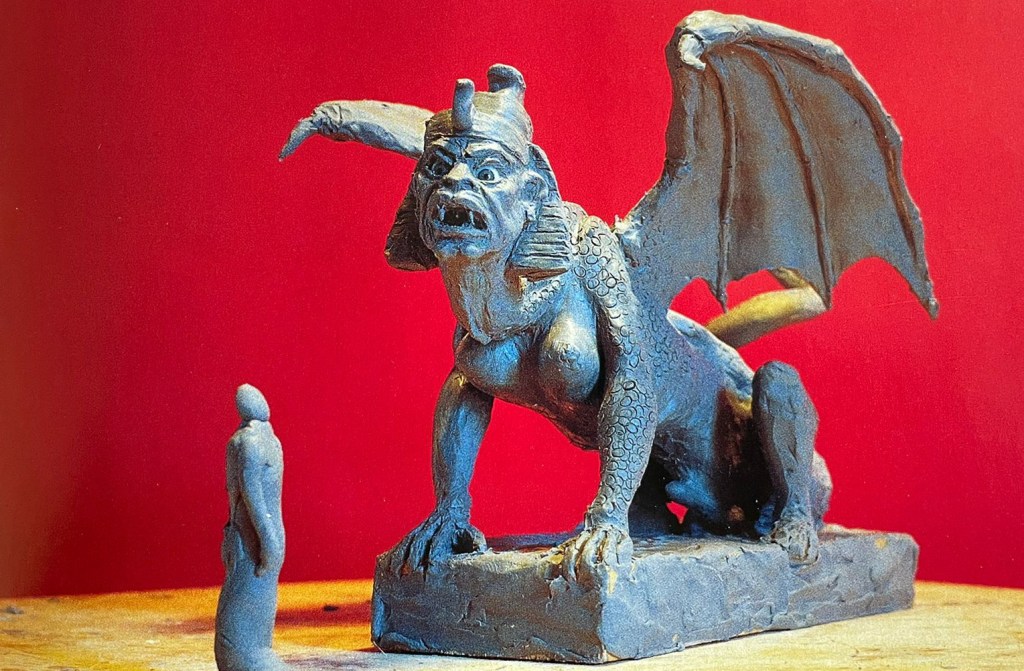
IMAG: The Sphinx? So it had an Egyptian element in it.
RAY: Yes. We went to Egypt to find the locations.
IMAG: Egypt would’ve been a good setting for a fantasy film as it possesses many gods and creatures in its mythology.
RAY: We were also, when we were going to make a film called SINBAD GOES TO MARS, going to start the picture in Egypt.
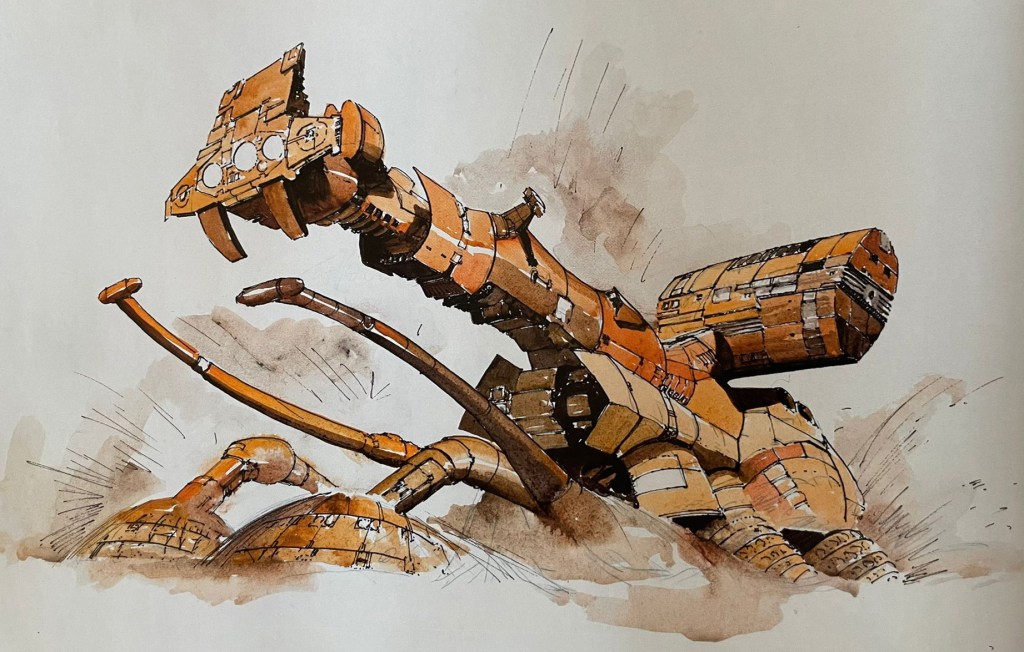
IMAG: Sounds like SINBAD GOES TO MARS would’ve tapped into that vein of heroic fantasy/science fiction that is typified by Edgar Rice Burroughs’ books of John Carter; fantasy set on another world. That kind of space opera/swashbuckling pulp story would’ve made a good film.
RAY: JOHN CARTER OF MARS kicked around Hollywood for years. We got it sent to us one time after we’d made 7TH VOYAGE and, for some reason, we didn’t pursue it – the story wasn’t strong enough I think.
IMAG: I’ve seen a photo of an animation model that was made based on one of the four-armed alien Tharks.
RAY: Oh yes. Several young fans have developed and made models based on their desire to do the picture.
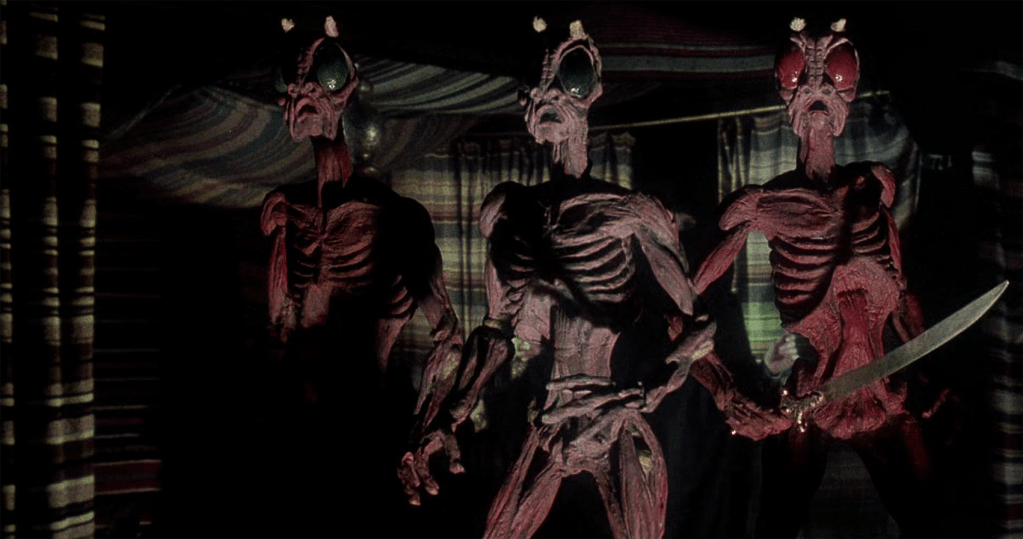
IMAG: Though not a horror filmmaker, you do have dark elements in some of your films; you had the Gorgon being beheaded with goo flowing from her neck in CLASH, zomboid ghouls in EYE OF THE TIGER, and people eaten by dinosaurs in various films. Did you have some form of self-censorship as to how far you would go?
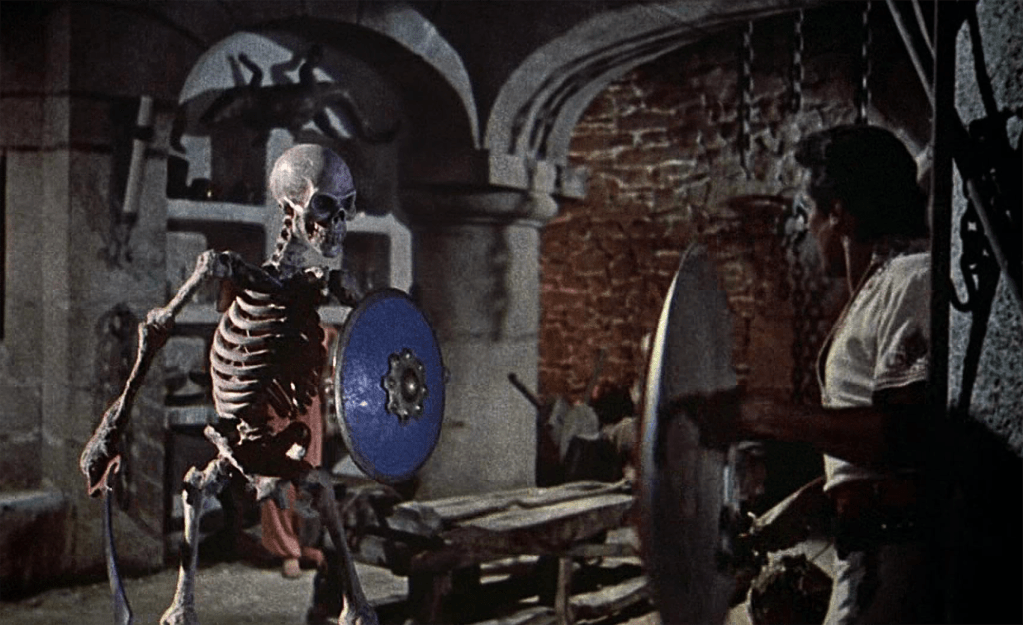
RAY: Yes, because we didn’t want to alienate children. Young people were our biggest audience. When 7TH VOYAGE originally came out in Britain they cut out the whole skeleton sequence because the skeleton was too frightening for children. We thought we’d have seven Xs when we made JASON! They didn’t seem to mind if it was daylight (the skeleton scene in JASON is in daylight whilst the duel in 7TH VOYAGE is set in a dark cavern – Ed.) When I saw the print (of 7TH VOYAGE) here in London the whole sequence was cut out; there was just a big hole there!
IMAG: In modern films they aren’t afraid to show gore in close-up.
RAY: We tried to have a minimum of blood because we were making fantasy films, not blood and gore films. You’ve got to have a certain amount of blood because, if you didn’t when somebody gets eaten, why they would just look the same as before they’d been eaten! We’d jab spears into Cyclops and dinosaurs, but it’s a different thing to showing severed arms, people’s guts coming out, and axes embedded in people’s heads; that’s a different story.
IMAG: Have you seen the ALIEN movies and THE THING; types of movies that use animatronic effects?
RAY: Yes.
IMAG: If you were making a film now, would you be tempted to use animatronic FX with model animation?
RAY: It depends on the story you are telling.
IMAG: You did mix makeup effects with stop-motion animation for the Calibos character in CLASH OF THE TITANS.
RAY: We had to. Originally Calibos was supposed to be a dumb mute and then, when we re-wrote the story, we had to include dialogue and I couldn’t see myself spending weeks and weeks and weeks trying to form the alphabet with an animated model, so we decided to take the easy way out and have an actor play the close-ups.
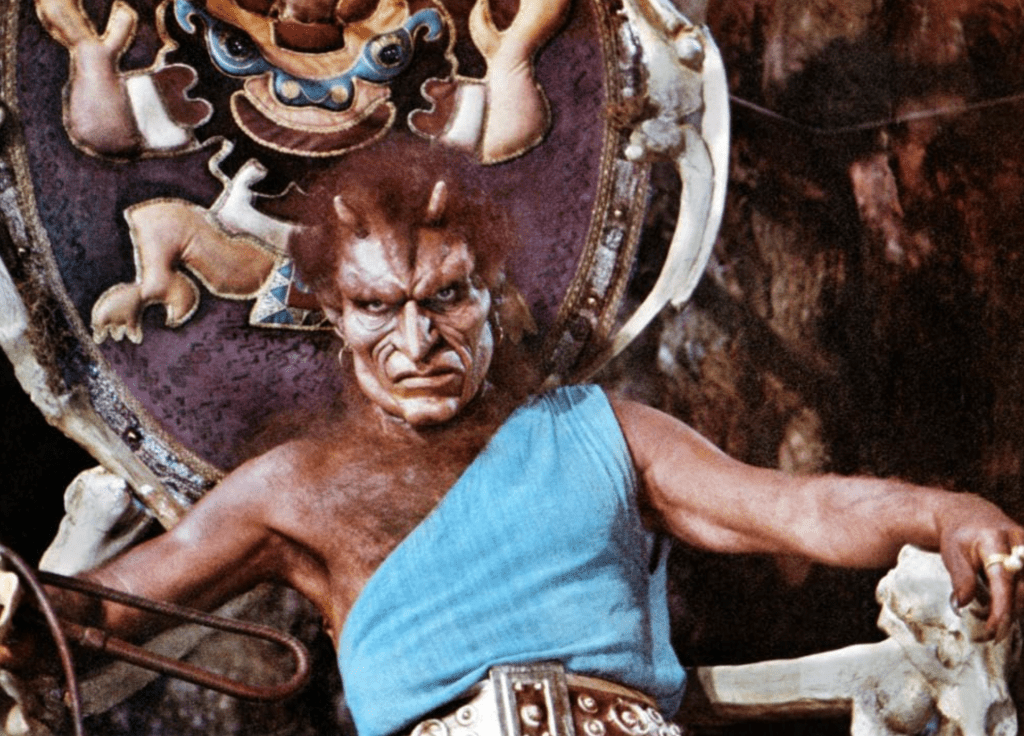
IMAG: But what of animatronics? As an example; if you were to do another dinosaur film, would you consider using an animatronic head for close-ups?
RAY: Well, we did for THE ANIMAL WORLD and it always looked like what it was; a mechanical thing.
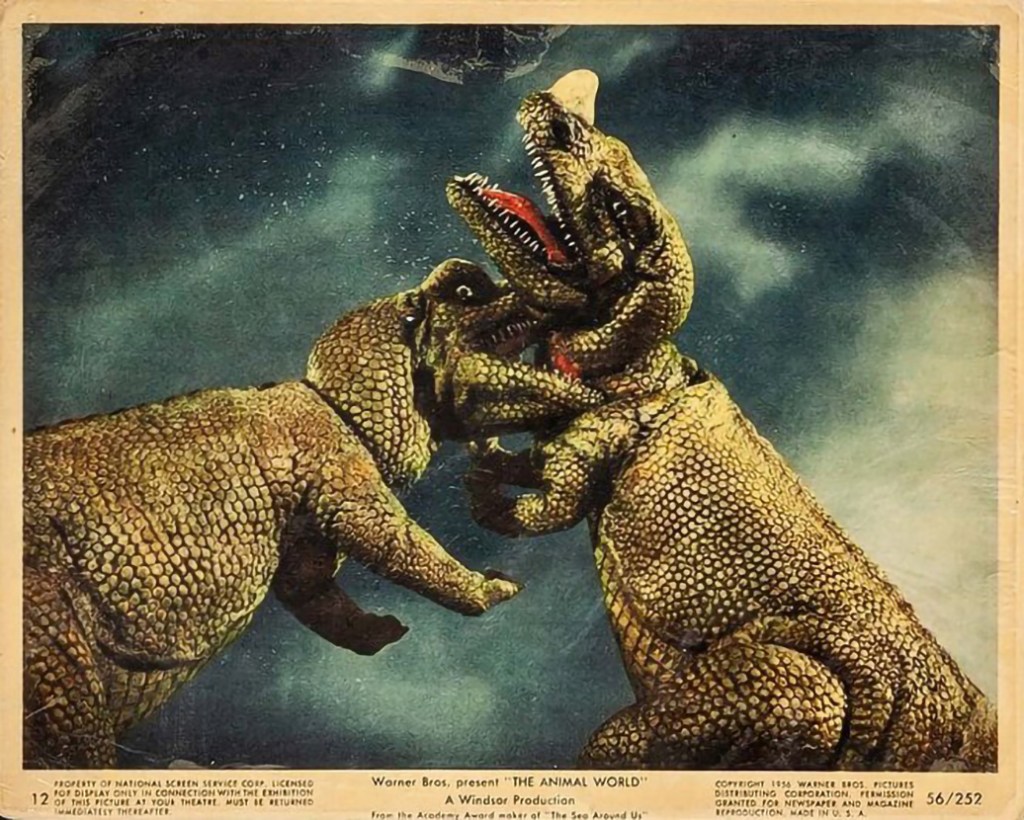
IMAG: THE ANIMAL WORLD is hard to get to see.
RAY: It was shown years ago. It was a documentary like the Disney true life adventure films, only it was much more gory.
IMAG: A lot of your black and white SF films are hard to find.
RAY: I don’t think that they’re available on video over here – you can get them on 16mm. Nobody pushes these old films unfortunately. The only way they get exposure is on television.
IMAG: Yes, but what irritates me with TV is the companies’ lack of imagination. When the BBC shows a season of ’50s SF films, for instance, they ALWAYS televise the same films; FORBIDDEN PLANET, THE DAY THE EARTH STOOD STILL, THIS ISLAND EARTH, and so on. I really wish they’d show your earlier stuff, like 20 MILLION MILES TO EARTH, more often on television, plus other less-televised ’50s products like AIP’s SF exploiters.
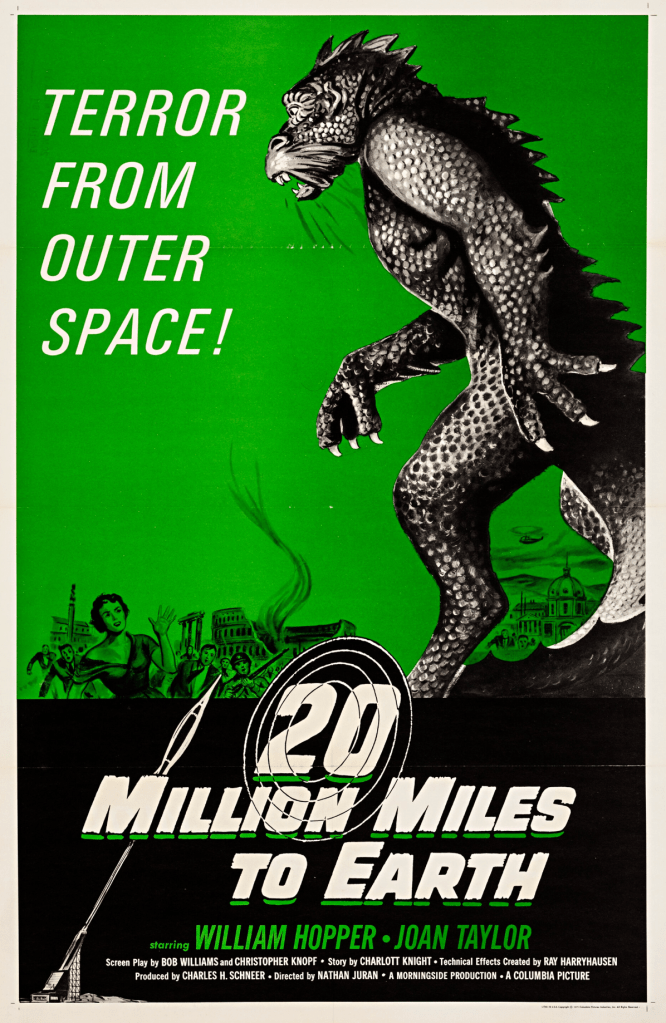
RAY: There are also a lot of wonderful things made back in the silent days that could be shown.
IMAG: Yes, films such as O’Brien’s THE LOST WORLD.
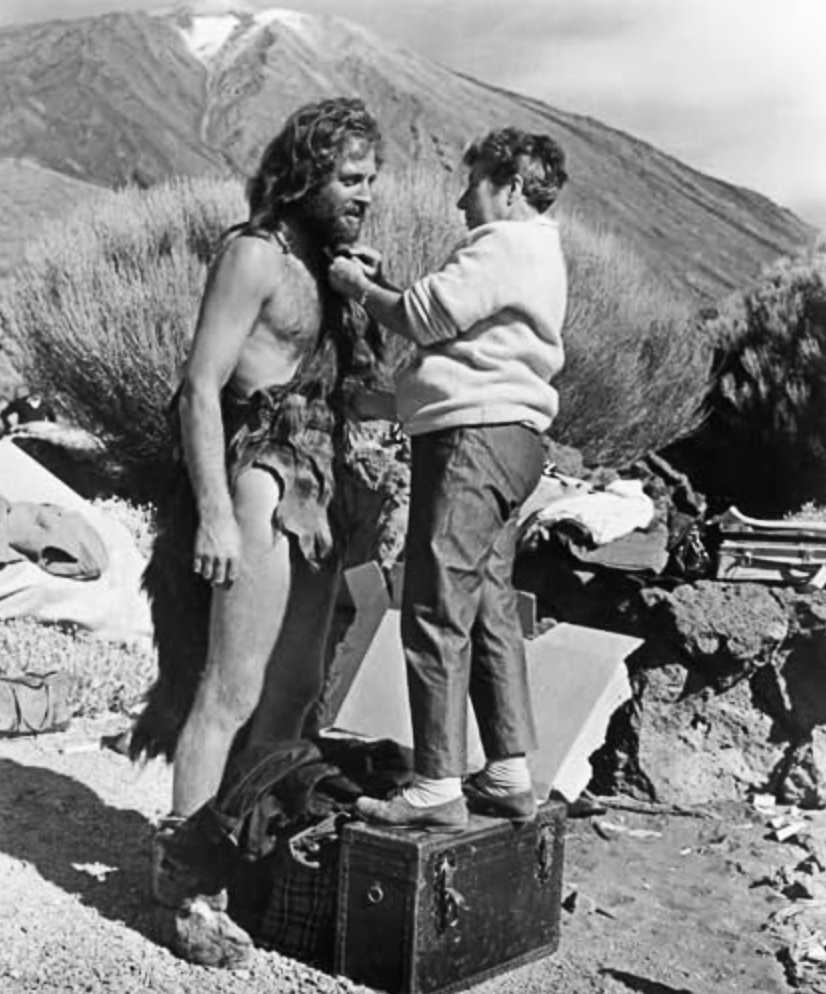
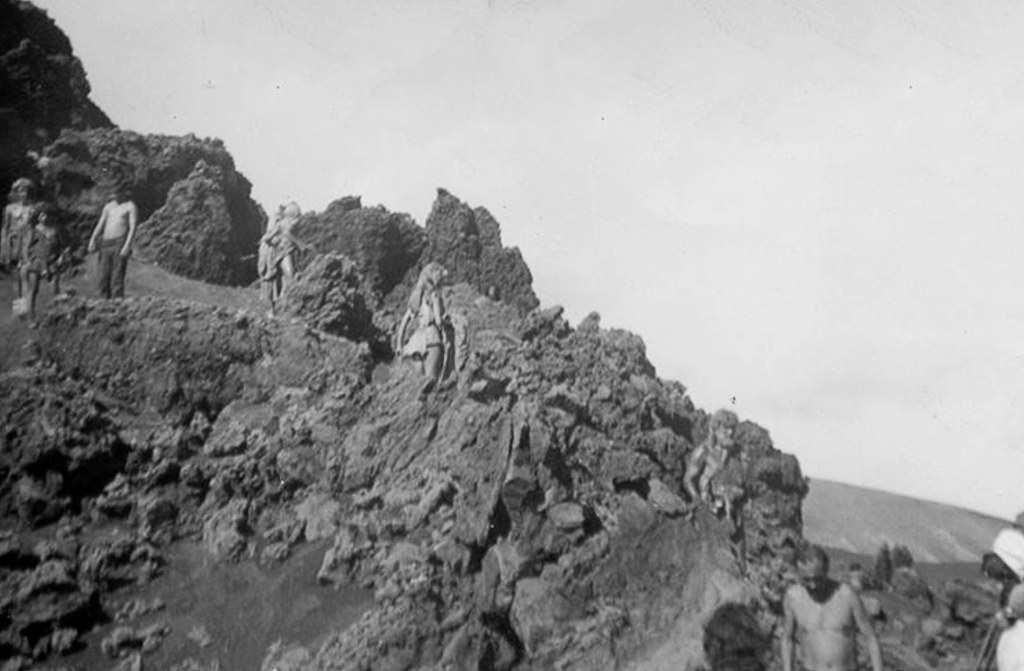
Talking of Willis O’Brien, his KING KONG is THE film that captured your imagination as a child. Well, I wouldn’t be editing this magazine today if it wasn’t for the fact that I saw ONE MILLION YEARS B.C. when I was a very young, dinosaur-obsessed child. It really drew me into its prehistoric world. The location photography was really impressive; was it an arduous shoot?
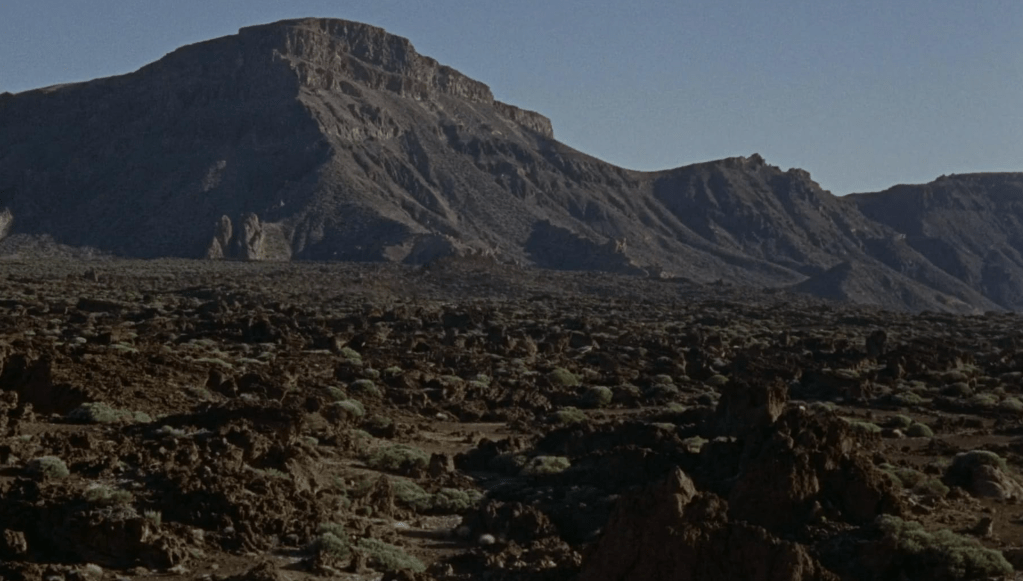
RAY: No, we went to the island of Lanzarote in the Canary Islands for the shots and Las Palmas as well. We had a very nice hotel there. There was only one then, but now there are many hotels there.
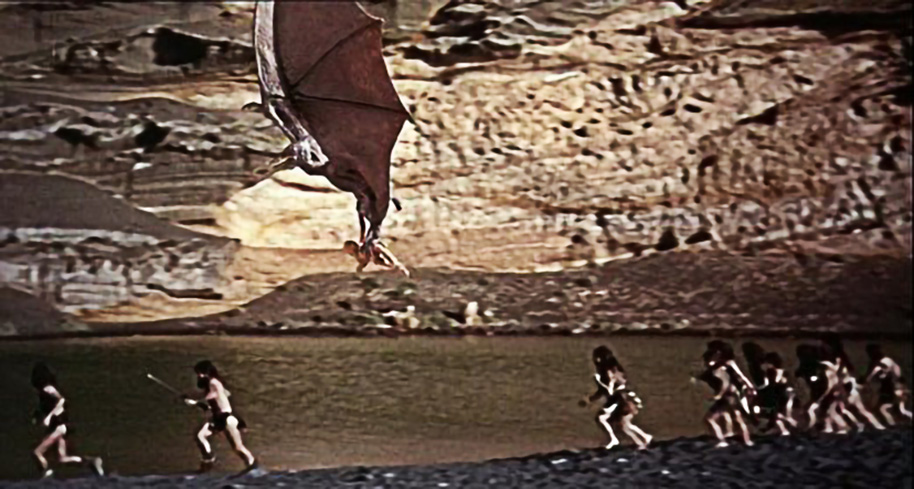
IMAG: Mario Nascimbene’s music utilises apt, primitive-sounding sound effects, and Loana’s theme is quite haunting.
RAY: Yes, it’s used when she’s carried away by the pterodactyl.
IMAG: The story didn’t need dialogue, it was pure cinema, really; visuals and music.
RAY: Harold Pinter wouldn’t have written it that way (laughs).
IMAG: Were you ever irritated by people who took easy potshots at the movie because there were women in fur bikinis and no dialogue?
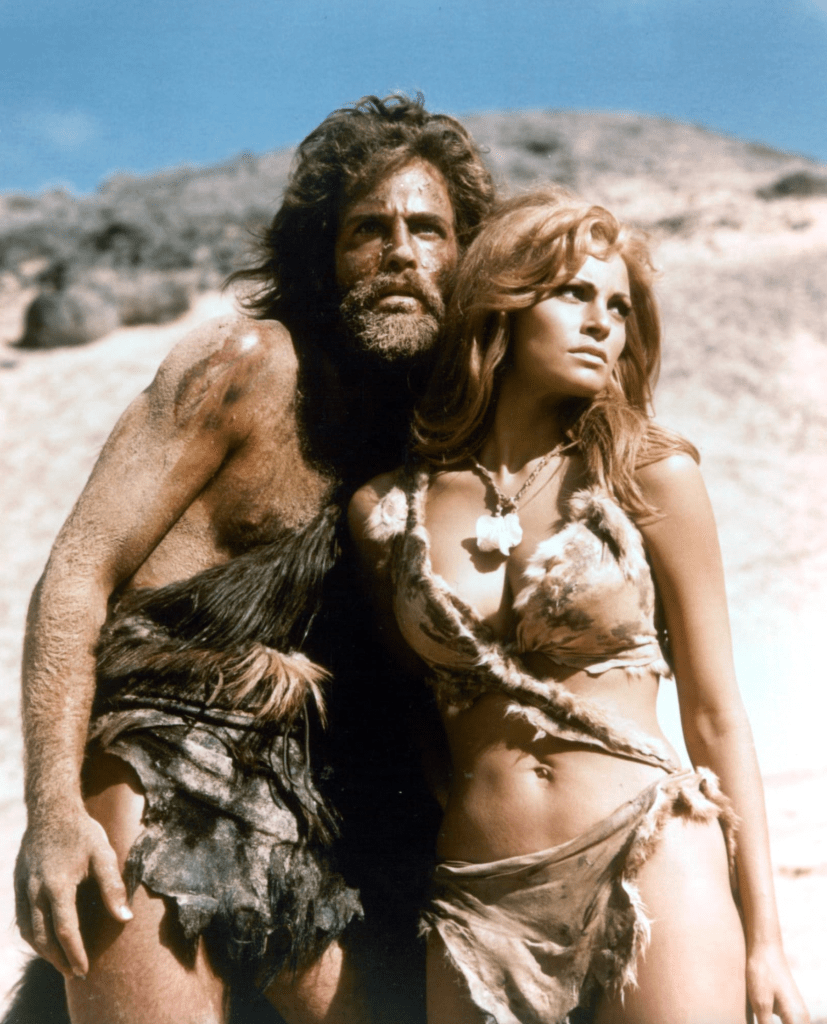
RAY: I was irritated by the critics because many of them expected something else; a girly show, and we didn’t approach it from that point of view. We wanted to try to capture that period. It doesn’t mean the critics are right just because they give an opinion. There are certain critics who just seem to say that everything stinks.
IMAG: Raquel Welch became a real ’60s icon after that film.
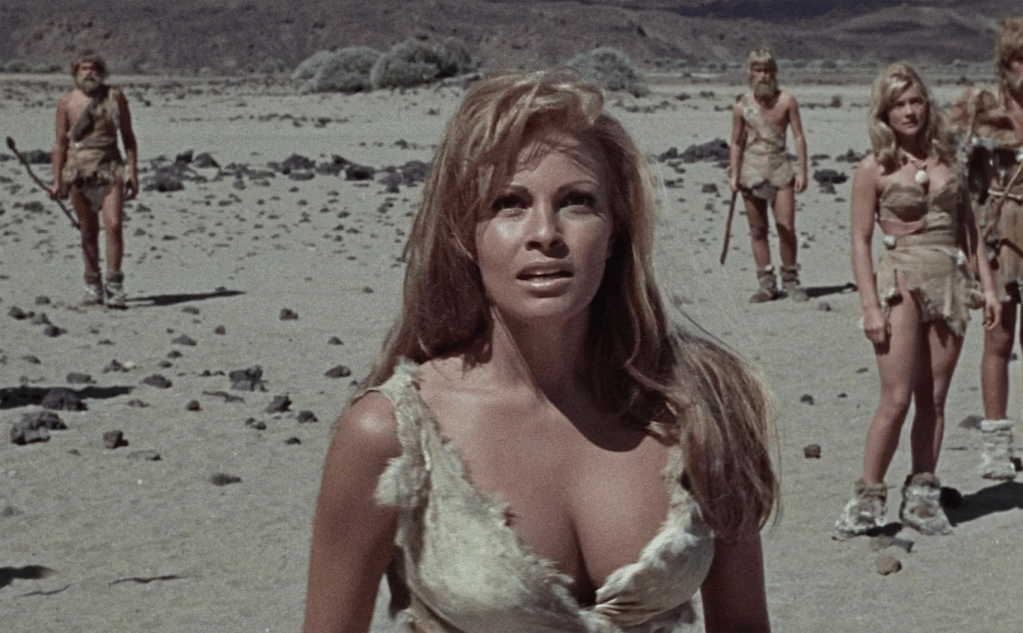
RAY: ONE MILLION YEARS B.C. helped put her on the map.
IMAG: When I was young I saw the film again when it was re-released in a double bill with Hammer’s SHE (1965). I feel quite sorry for actor John Richardson as he was in both films but was overshadowed by the striking leading ladies.
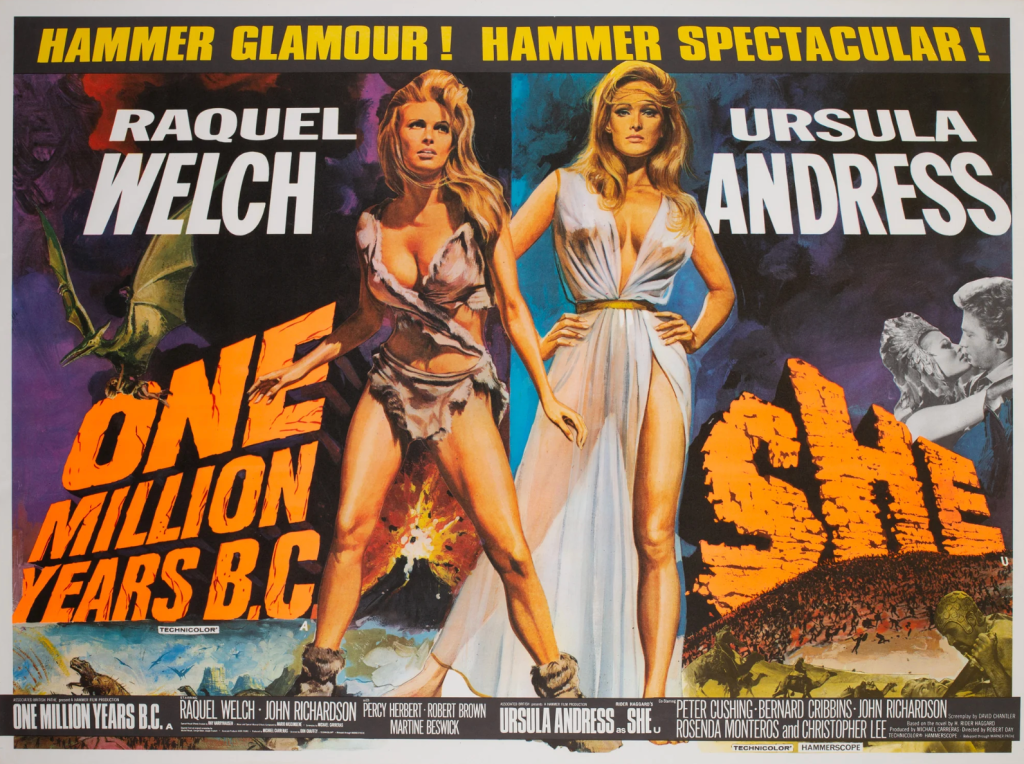
RAY: I thought he did a good job in ONE MILLION YEARS B.C. but he never got recognised for some reason. I thought he was very competent in that film.
IMAG: I think that it was due to the fact that in films like BLACK SUNDAY, ONE MILLION YEARS B.C. and SHE he was always playing second fiddle to the impactful female characters in the movies.
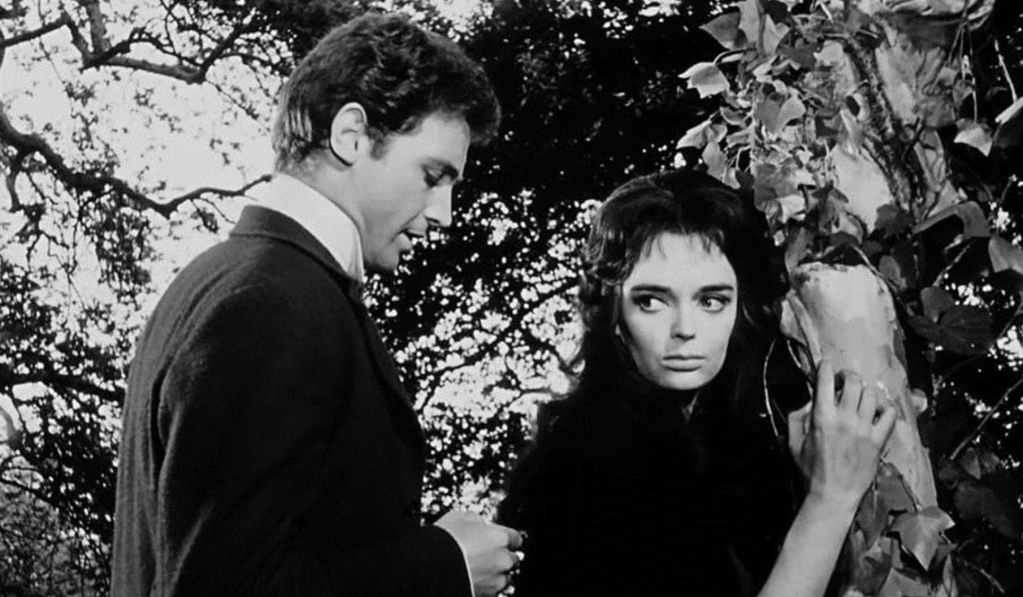
RAY: They were well-publicised leading ladies.
Did you ever see the SHE (1935) made by Merian C. Cooper after KONG? That’s the definitive SHE; it was a really magnificent film.
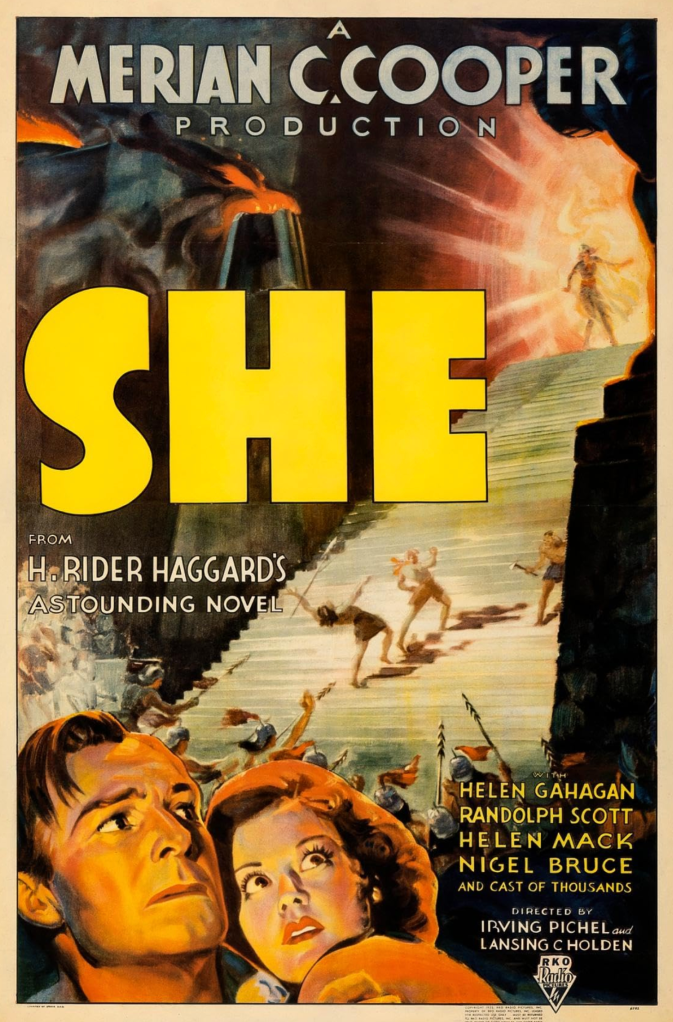
IMAG: Isn’t there a frozen saber-toothed tiger in it?
RAY: Yes, they went to the North Pole – they changed the locale. It was much more imaginative, with a sensational dance in the Hall Of Kings that doesn’t compare with the remake. They (Hammer) made SHE into a sex idol when that wasn’t the point of the story at all.
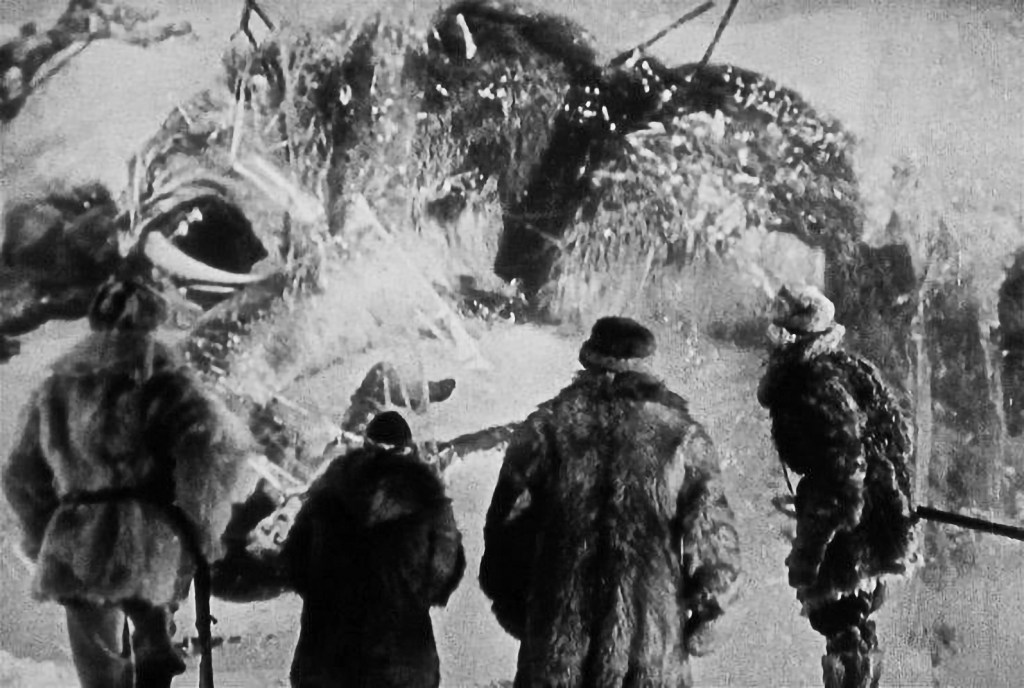
IMAG: A bit of glamour doesn’t harm a film. Raquel was a selling point for ONE MILLION YEARS B.C. Would you have preferred a less glamorous approach?
RAY: They made one in Europe called QUEST FOR FIRE (1981). It only works for a limited audience; who wants to go see grotesque-looking people lusting in the dusk? Raquel Welch was chosen because she’s very good to look at. The sexual overtones were all implied rather than shown. The sequel, WHEN DINOSAURS RULED THE EARTH, didn’t have the same feel as ONE MILLION YEARS BC, the whole approach was different. We tried to capture a naive quality.
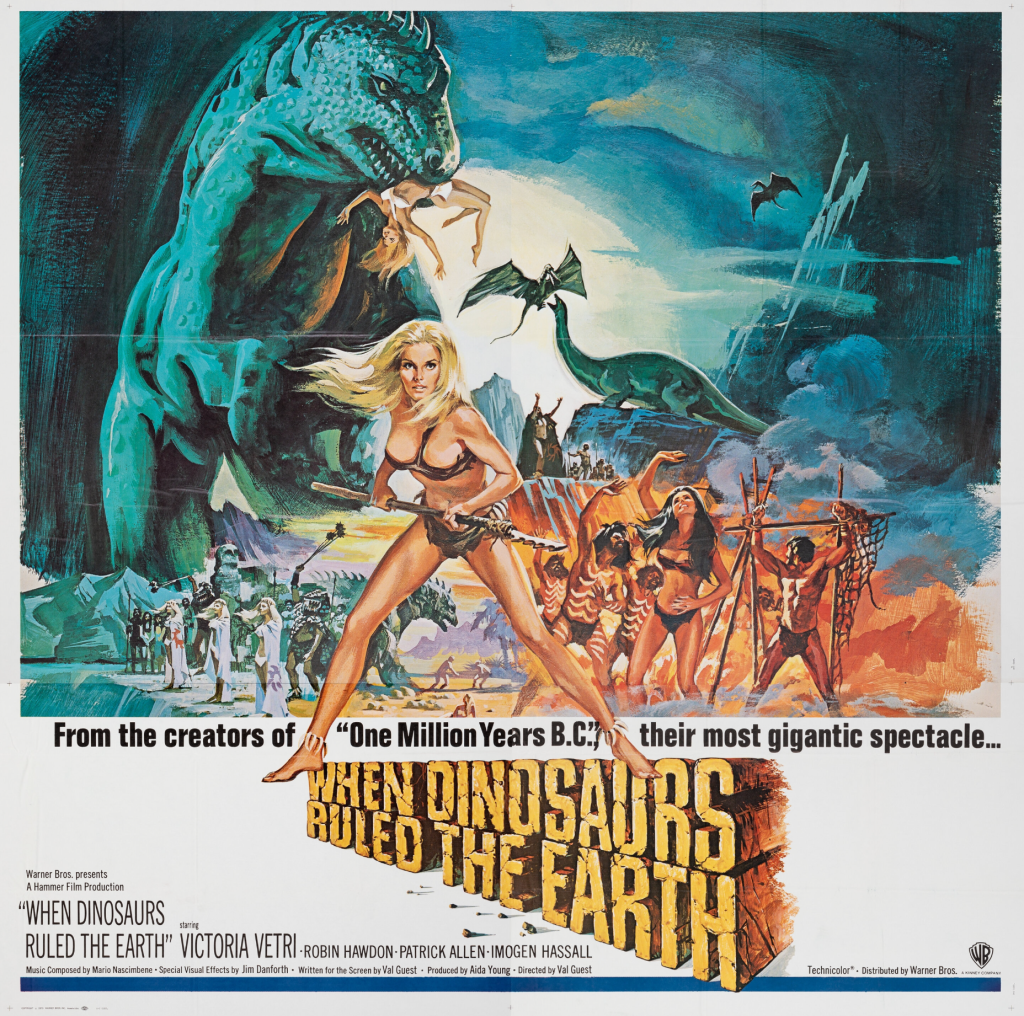
IMAG: I do like WHEN DINOSAURS RULED THE EARTH, it’s just that it has a different, slightly more explicit atmosphere to it. You were unable to do that film because you were working on THE VALLEY OF GWANGI. What do you think, in general, of WHEN DINOSAURS RULED THE EARTH?
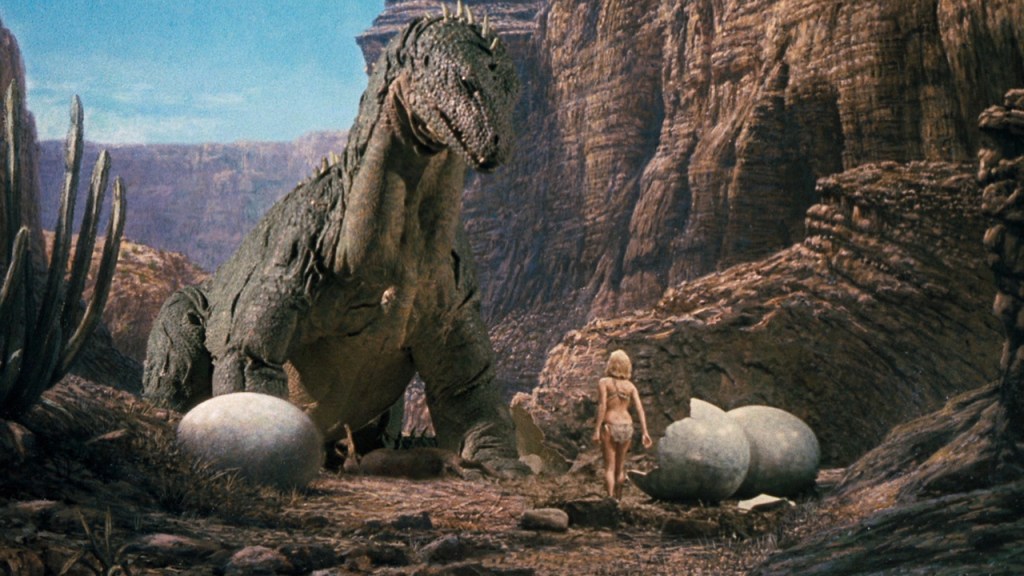
RAY: Well, I didn’t care for it as a picture, but Jim Danforth did some quite nice animation.
IMAG: The end of ONE MILLION YEARS B.C. goes into sepia tones; why was that?
RAY: We were originally going to have the atomic bomb on the horizon. During the earthquake smoke develops from the volcano and forms almost a symbol of what’s to come; the atomic bomb. That was abandoned and they decided to take all of the colour out and make it look like they’re coming back to a dreary world.
IMAG: Your eruption special FX are re-used for the earthquake depicted in Hammer’s CREATURES THE WORLD FORGOT (1971).
RAY: I never saw the film.
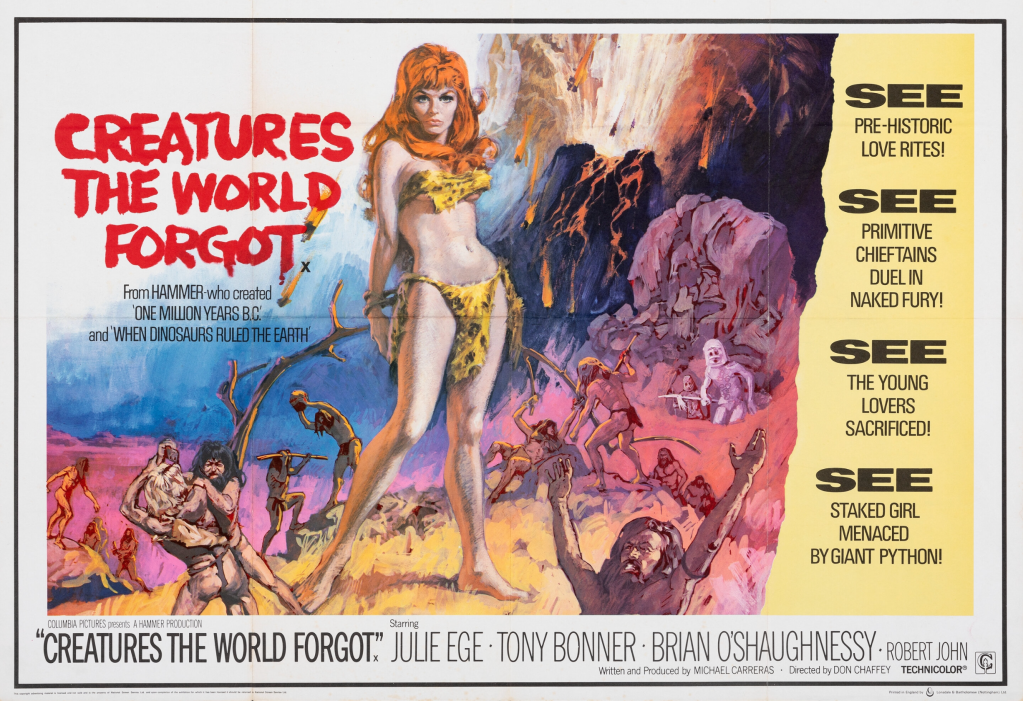
IMAG: From a monster movie fan’s perspective, CREATURES THE WORLD FORGOT was pretty depressing; they didn’t have any dinosaurs in it.
RAY: It must have been depressing for Don Chaffey.
IMAG: The film has a wonderful, evocative title – but the ‘creatures’ turn out to be an antelope, a porcupine and a man in a bear suit!
Getting away from prehistoric things, I’ve read that MIGHTY JOE YOUNG (1949) originally had a tinted burning orphanage sequence?
RAY: Yes, the original release was tinted yellow and red.
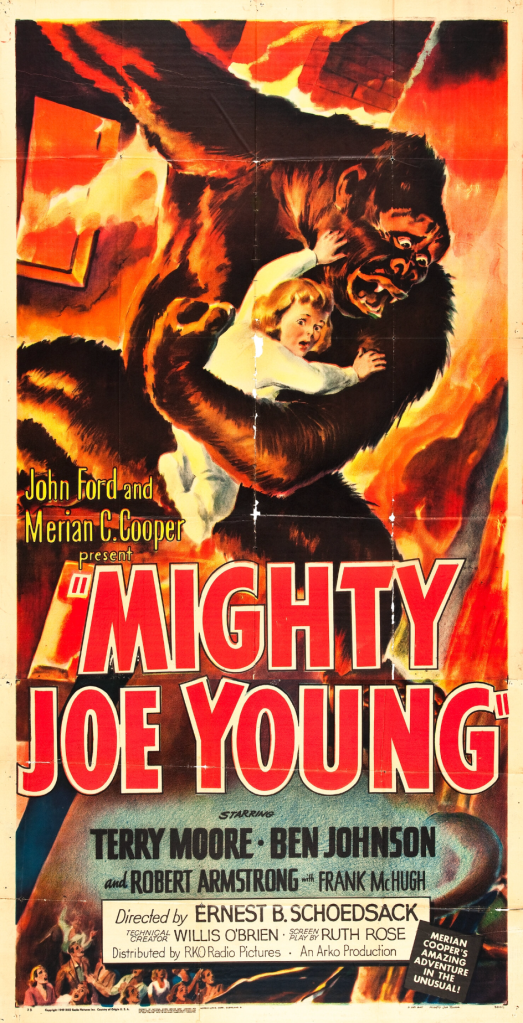
IMAG: Does that print exist any longer?
RAY: I don’t think so, I’ve not seen one since. I’ve seen a colourised version of MIGHTY JOE YOUNG; it destroys all the matte paintings because it makes them look so flat.
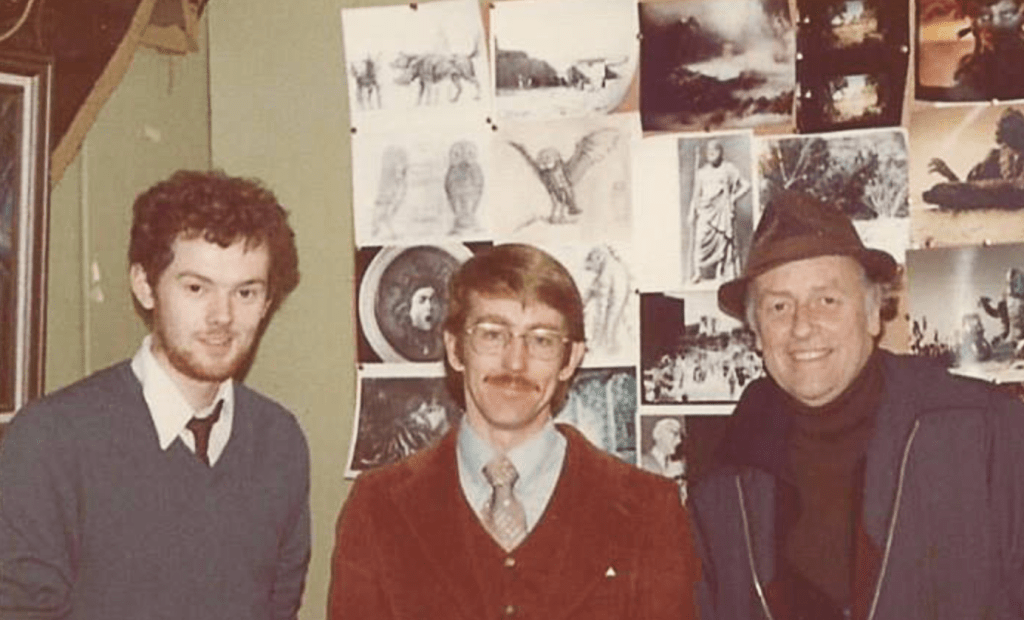
IMAG: Jim Danforth worked with you on CLASH OF THE TITANS, together with Steve Archer. Would you consider working on another film, perhaps, in a supervisory position maybe?
RAY: No, I don’t want to get involved again because it just takes up too much of your life. The type of film that I was always involved with – I did most of the animation. CLASH is the only one on which I had assistance and it just got too much to tackle a picture that way. I enjoyed putting my final mark on the screen and, if you have it watered down by other people, it’s not a product that you feel you’ve created.
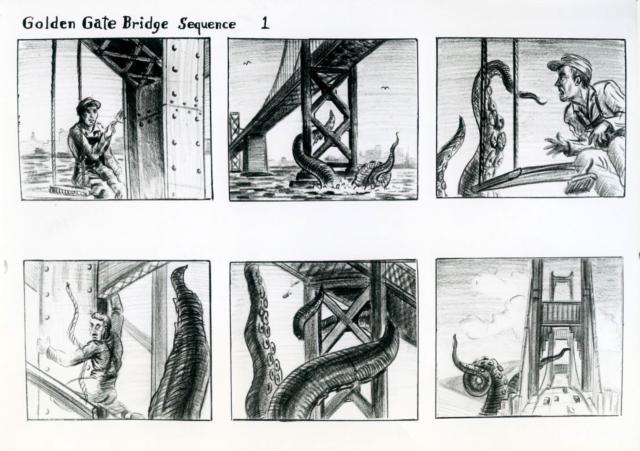
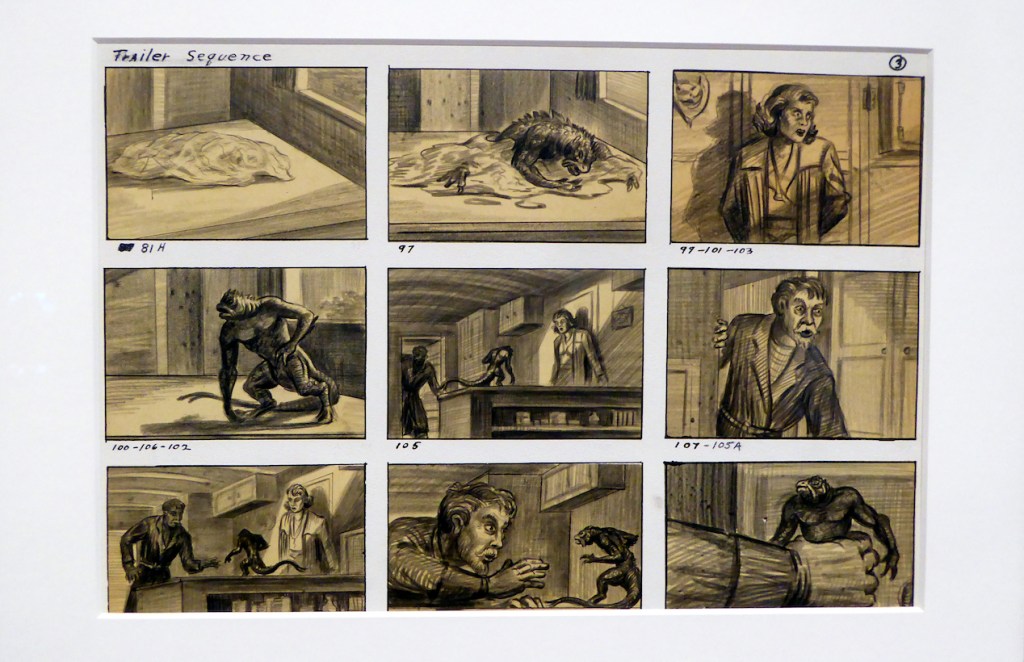
IMAG: You’ve got a strong visual sense, as illustrated by your nicely composed storyboards. Were you ever actually tempted to direct?
RAY: I’d have liked to have directed one picture at least. But it’s a big deal and you’ve got to learn how to handle people – make them do exactly what you want. My (model) actors always do exactly what I want, they have no choice (laughs).
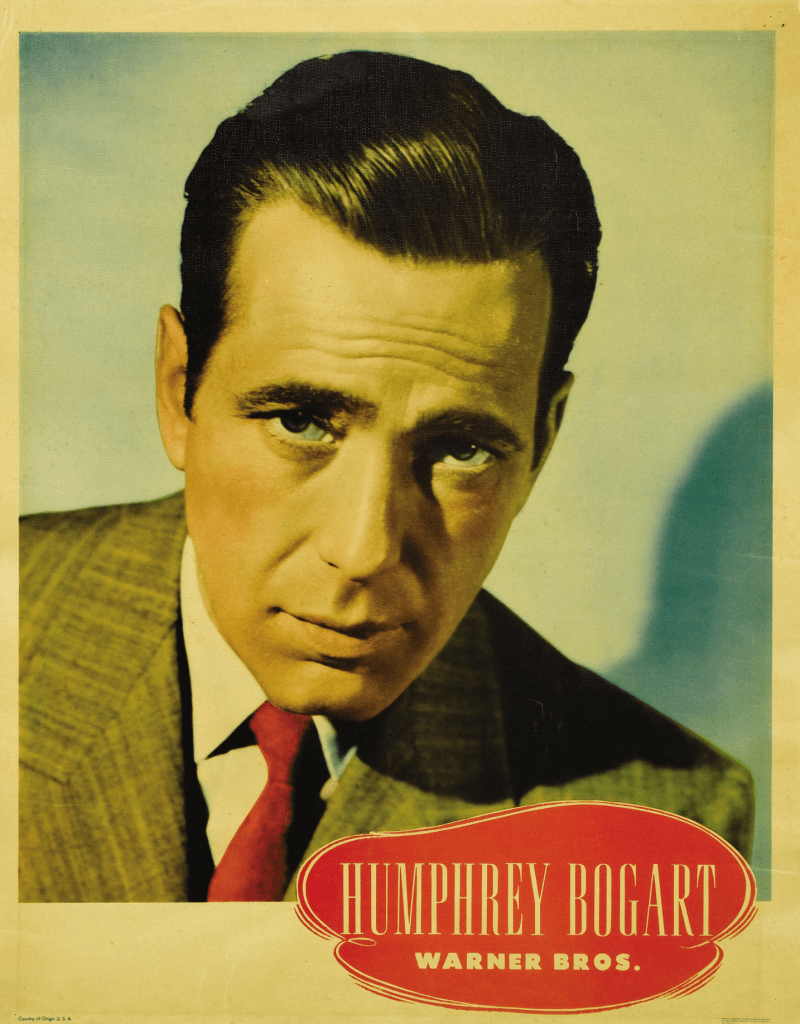
IMAG: What sort of films do you enjoy watching?
RAY: I love musicals, I love Bette Davis, Joan Crawford and Dietrich pictures. I like Humphrey Bogart. I love the great pictures of the ’40s.
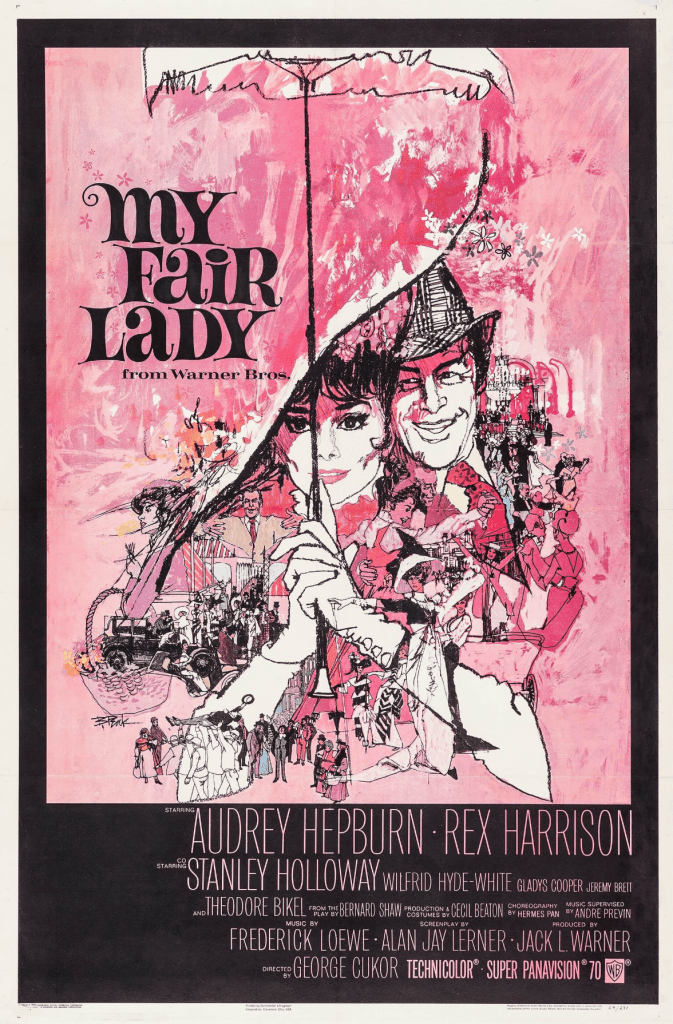
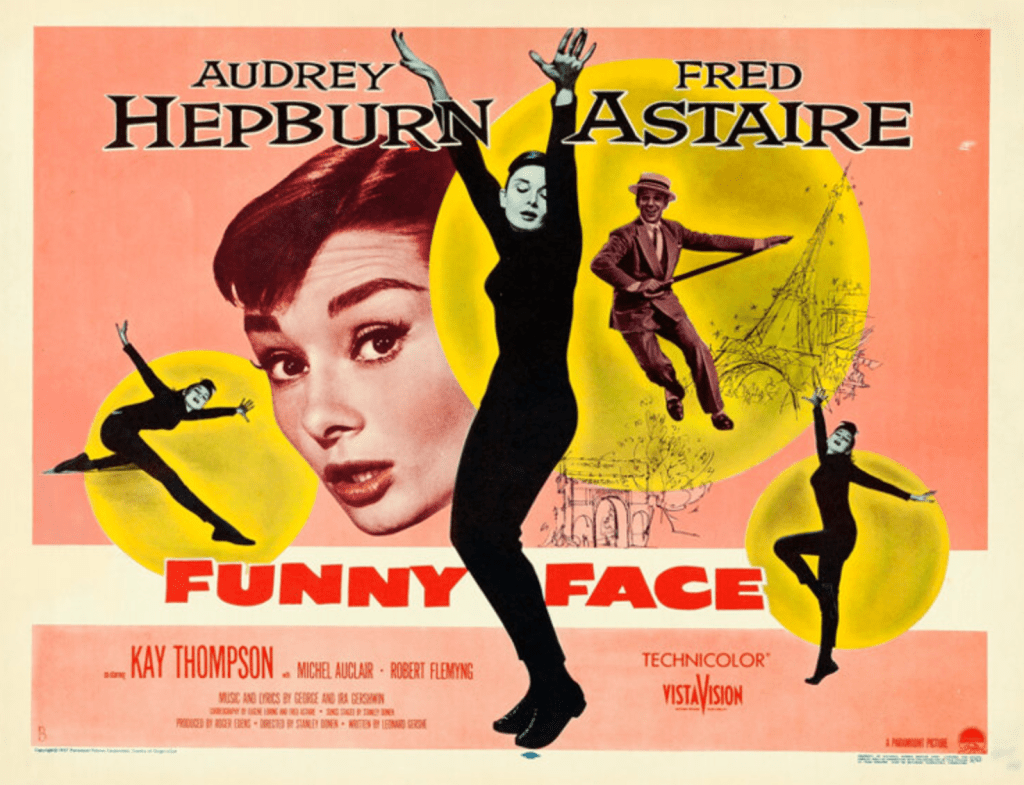
I do love a good musical. FUNNY FACE I saw many times and THE BAND WAGON. MY FAIR LADY was, I thought, beautifully made.
(At this point Ray’s wife, Diana, momentarily popped into the room and reminded him that he also likes LAUREL AND HARDY. Now that’s good taste!)
IMAG: Is there any recent stuff that you’ve been particularly impressed with?
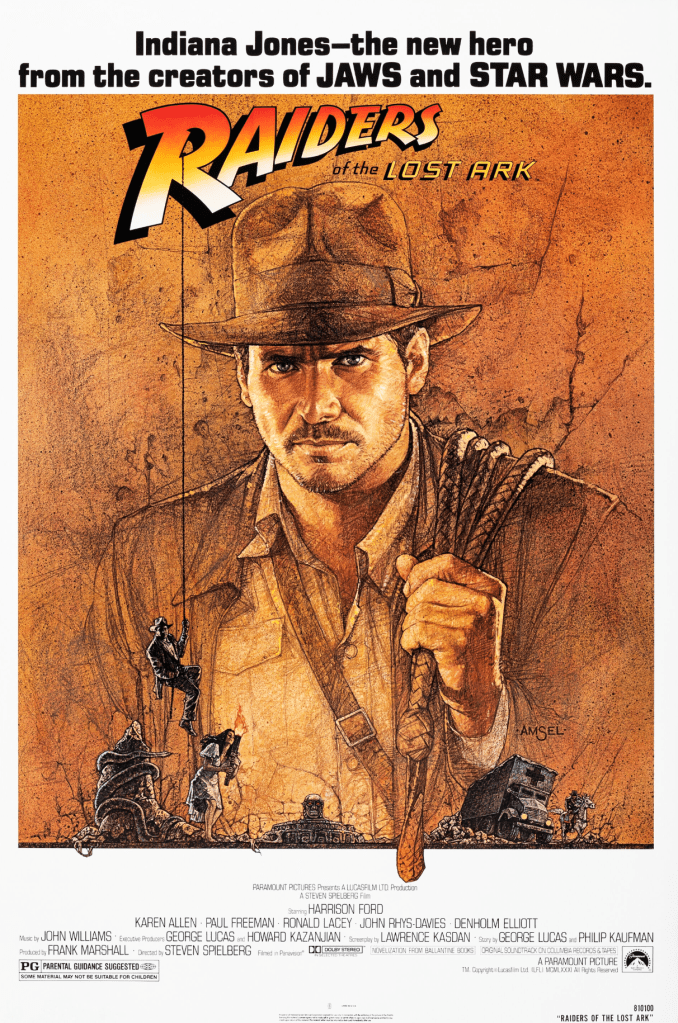
RAY: Not that I would go back time and time again to see. There are a lot of good films out today; RAIDERS OF THE LOST ARK (1981) is a most exciting film.
They don’t seem to have the magic any more that some of the earlier films had. I still find BRIDE OF FRANKENSTEIN (1935) a fascinating film.
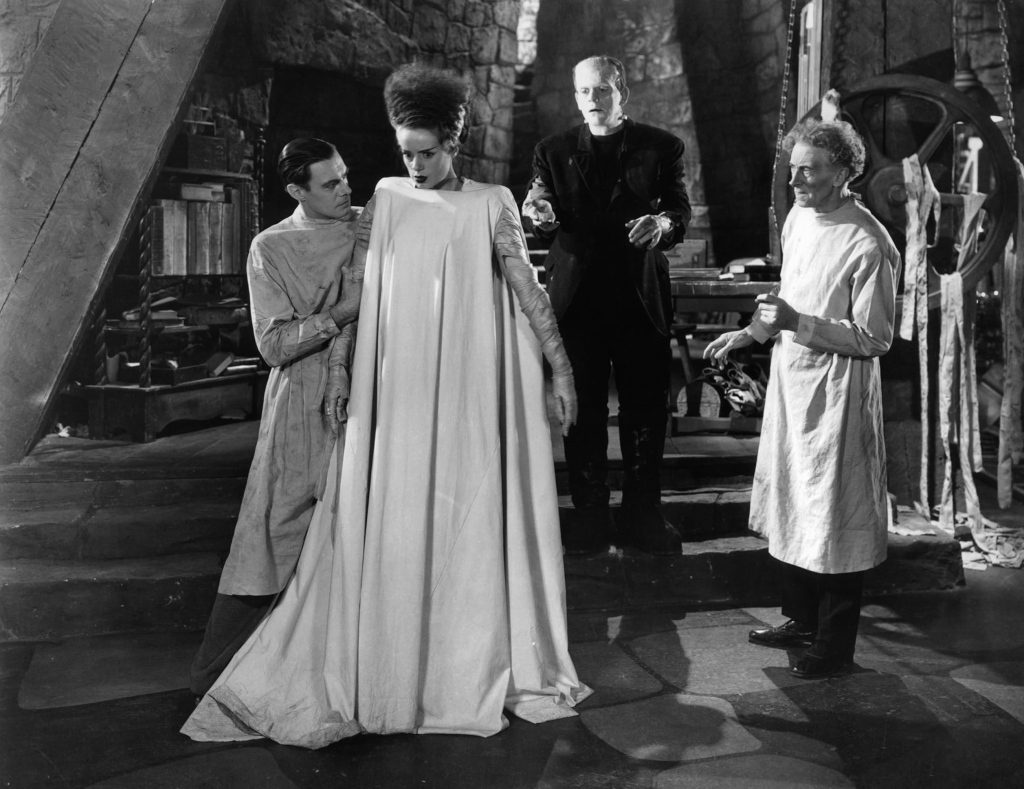
IMAG: There is a certain stylistic quality to the very early Universal Frankenstein films, isn’t there?
RAY: That was largely due to James Whale. He was a very talented director, and he had a macabre sense of humour that took it out of the category of being simply a horror film.
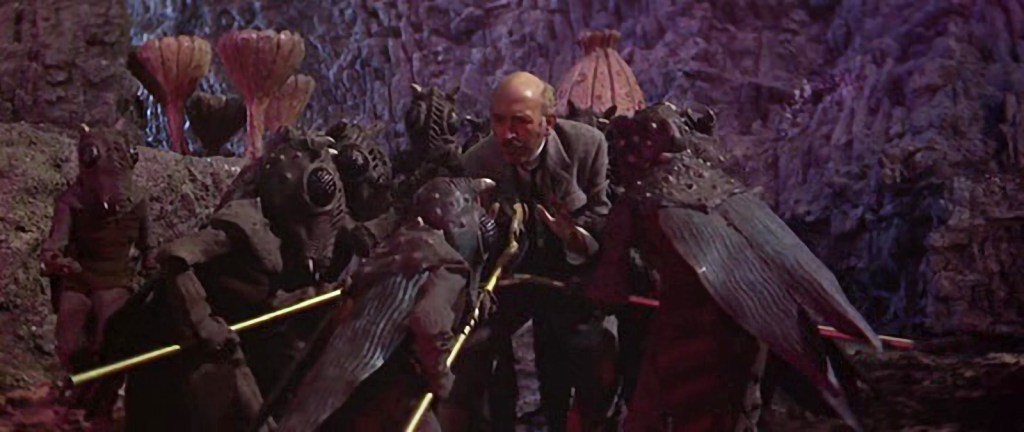
IMAG: You’ve included several men-in-suit creations in your films, like the selenites in FIRST MEN IN THE MOON (1964). And the minoton was, sometimes, a man in a suit in SINBAD AND THE EYE OF THE TIGER (1977). Are there any man-in-suit monsters that you were impressed with, such as the gill-man in 1954’s CREATURE FROM THE BLACK LAGOON?
RAY: You’re always aware that it’s a man in a suit, to me, I never was impressed with them. I was impressed with Frankenstein but he was supposed to be a human that was synthetically made. But I was never impressed with CREATURE FROM THE BLACK LAGOON or some of those other movies out at the same time.
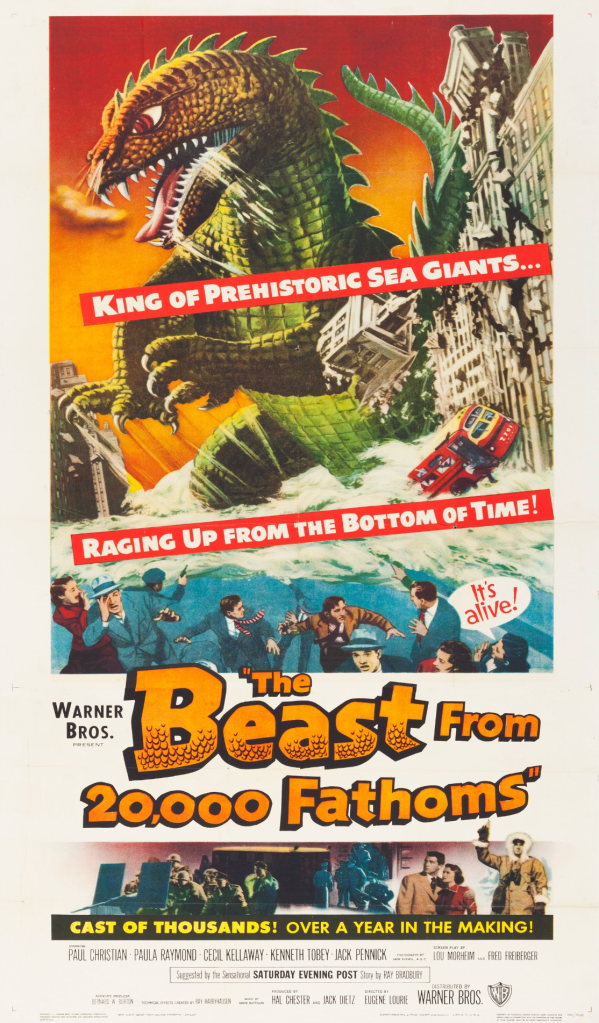
IMAG: Your film THE BEAST FROM 20,000 FATHOMS was the movie that triggered the re-awakened monster cycle of films, which included GODZILLA (1954).
RAY: Oh yes, it was a direct copy, basically.
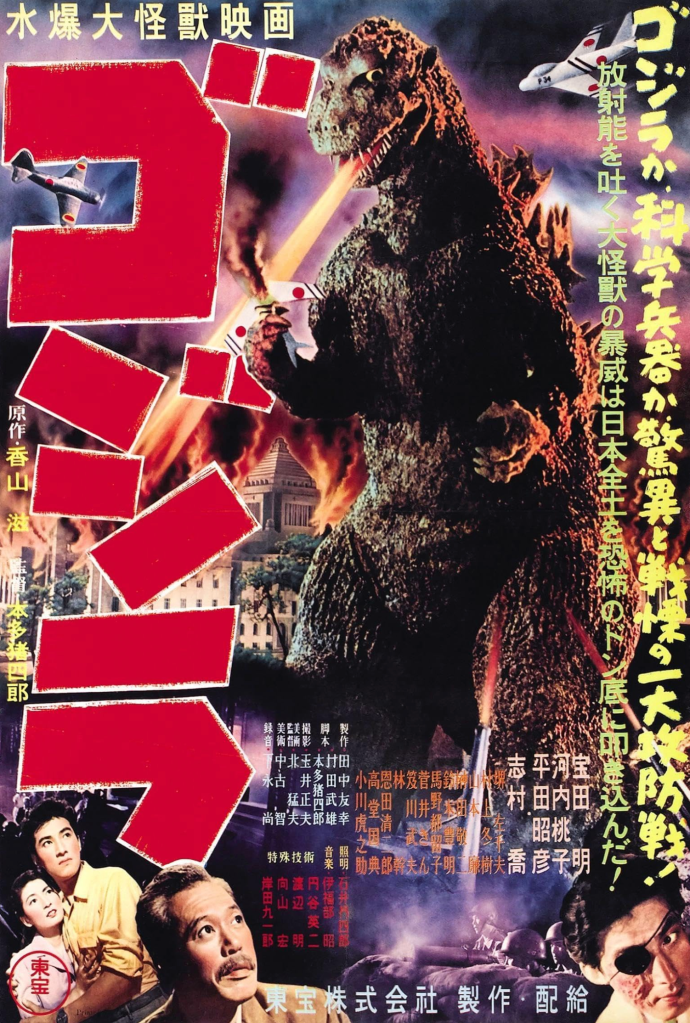
IMAG: Godzilla movies have garnered many fans who like them in spite (or because) of knowing that Godzilla is a man in a suit.
RAY: A lot of people don’t care. I think that the biggest insult I ever received was when some fellow came up to me at a convention and said, ‘Oh, you make films like GODZILLA’ (laughs).
IMAG: You should’ve made an animated version of it and then you could have shown everyone what Godzilla would’ve looked like if you had made it!
RAY: You know, a lot of people are not aware of the technicalities of making a film; one monster looks like another monster to them, with no way of separating the good ones from the bad ones.
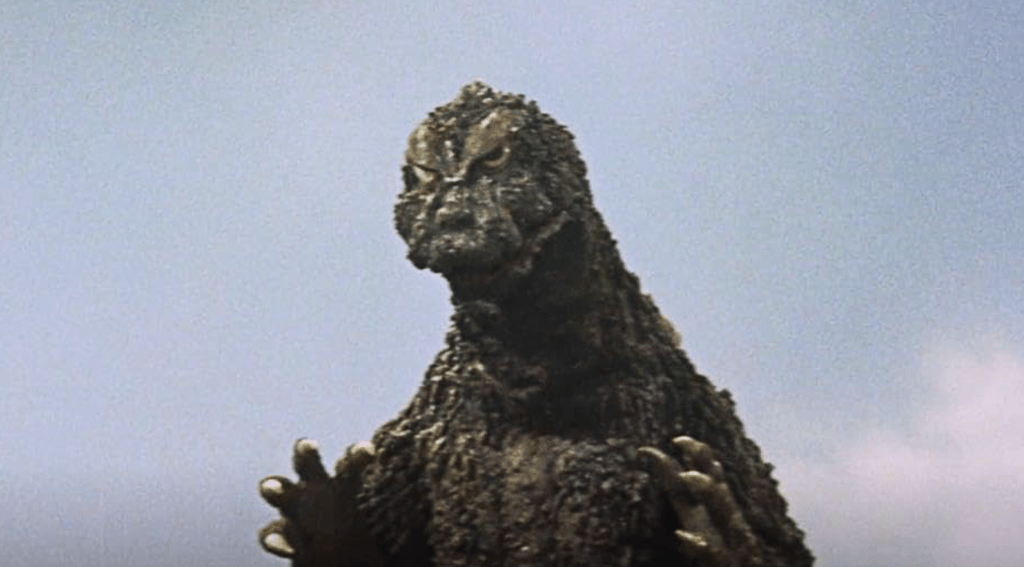
IMAG: I’m a monster movie fan and I must admit that I do end up watching a film because there’s a monster in it; and one can glean a bit of fun and enjoyment by watching an obviously fake-looking creature.
RAY: But you don’t just accept anything.
IMAG: Obviously, I prefer GOOD, well-made creatures, and I appreciate your skills a great deal. Yet monster movie fans do end up viewing creature features of all qualities as long as there IS a beast in it. The rod puppet creations for THE LAND THAT TIME FORGOT (1974) don’t hold a candle to your dinosaurs and yet I still watched that film when it was televised this year; though better than enlarged lizards with fins stuck to them, those puppets are severely restricted with what they can do.
RAY: It’s really limiting what you can do with a rod puppet.
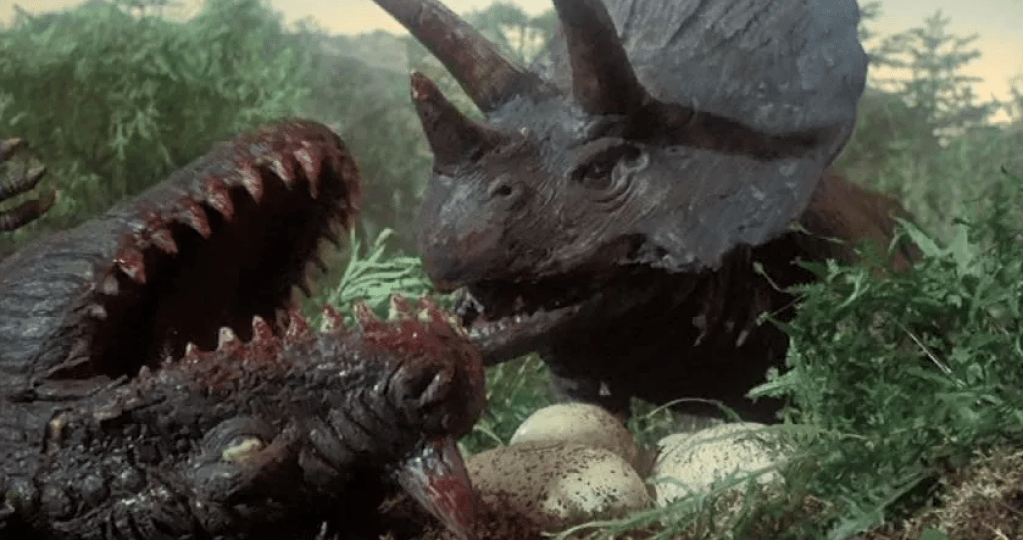
IMAG: Rod puppets would never be a match for your animated models, that’s for sure.
(I pause here before I ask my final, very important question…)
Right then, Ray, this is a plea from a lifelong fan (ie myself); can’t you be tempted to do another film? Please?!
RAY: (Laughs) It’s just too much work.
I find I have to live, eat and sleep it 24 hours a day, and you neglect your family and many things in life that are important after all.

I hope you enjoyed reading through this interview as much as I enjoyed doing it all those years ago.
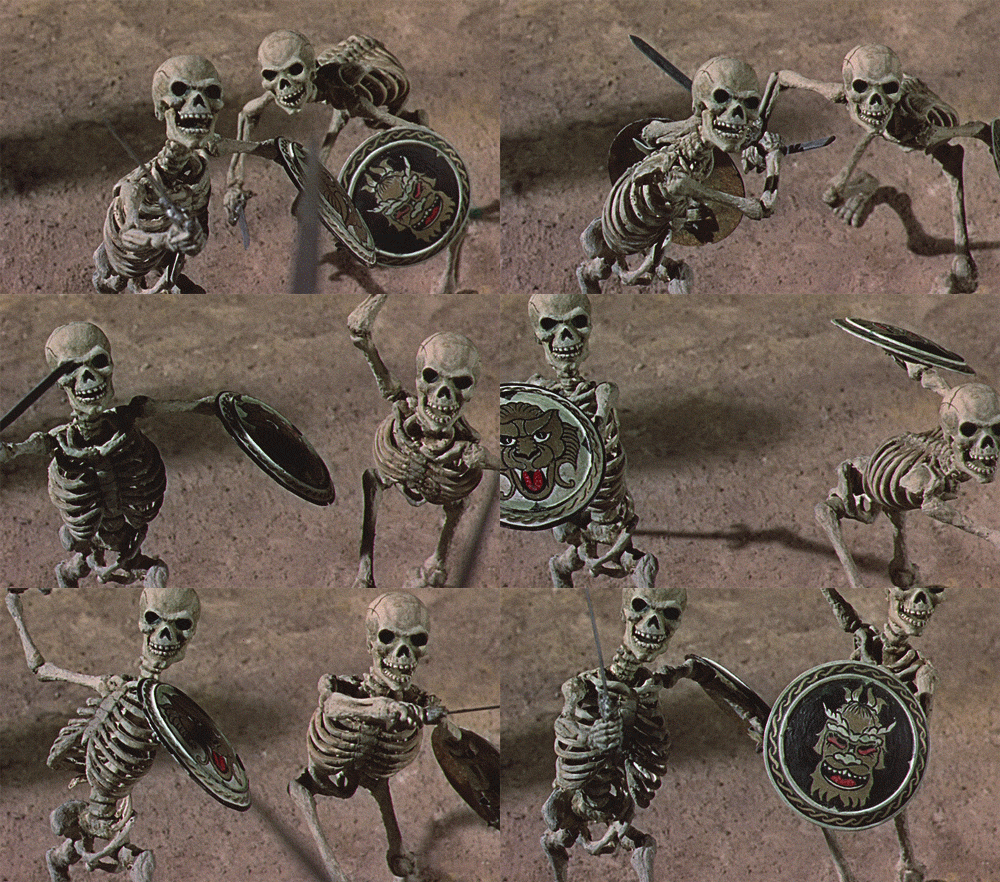
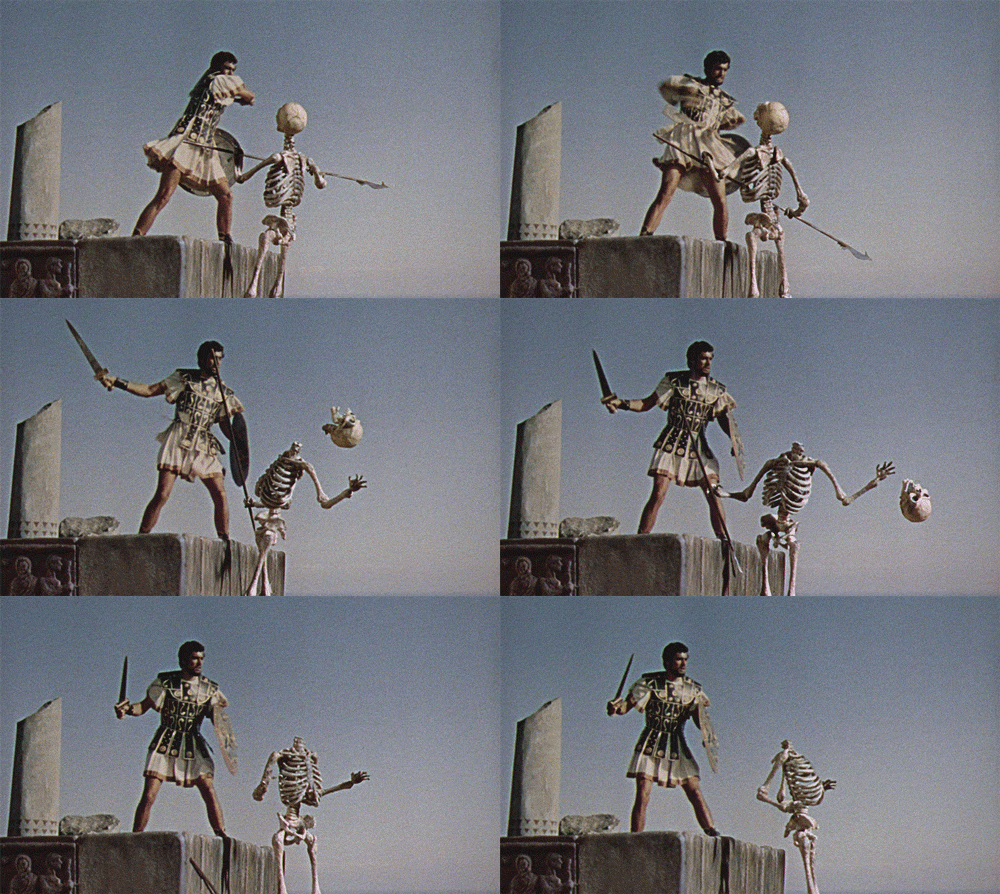
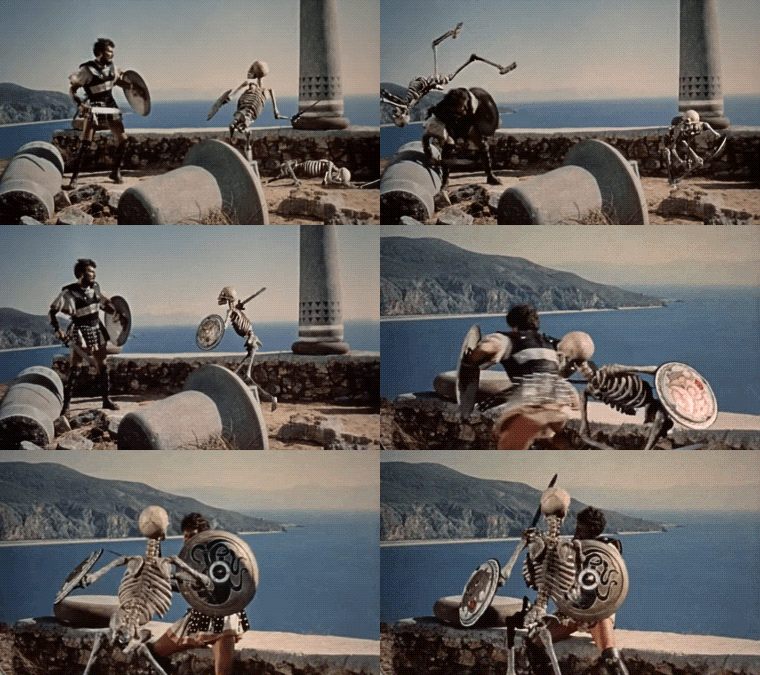
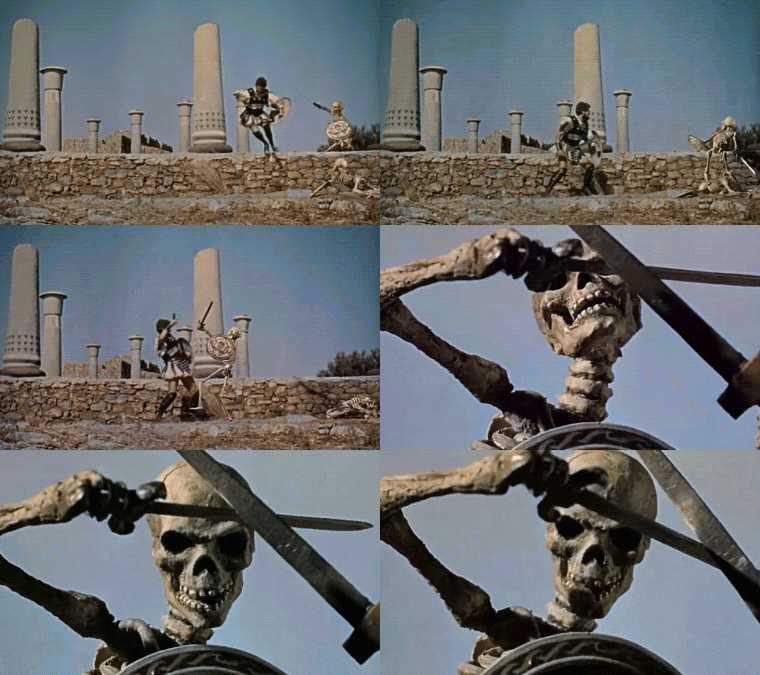
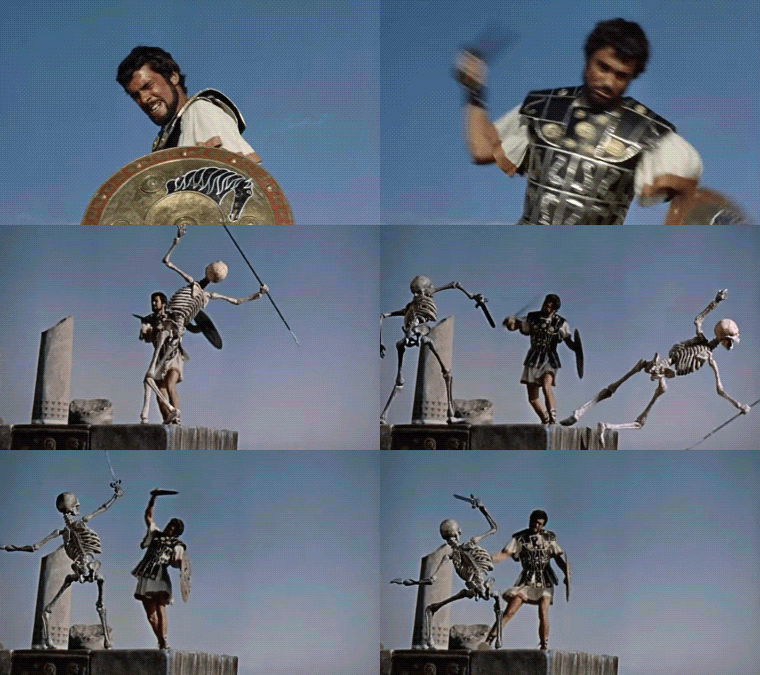
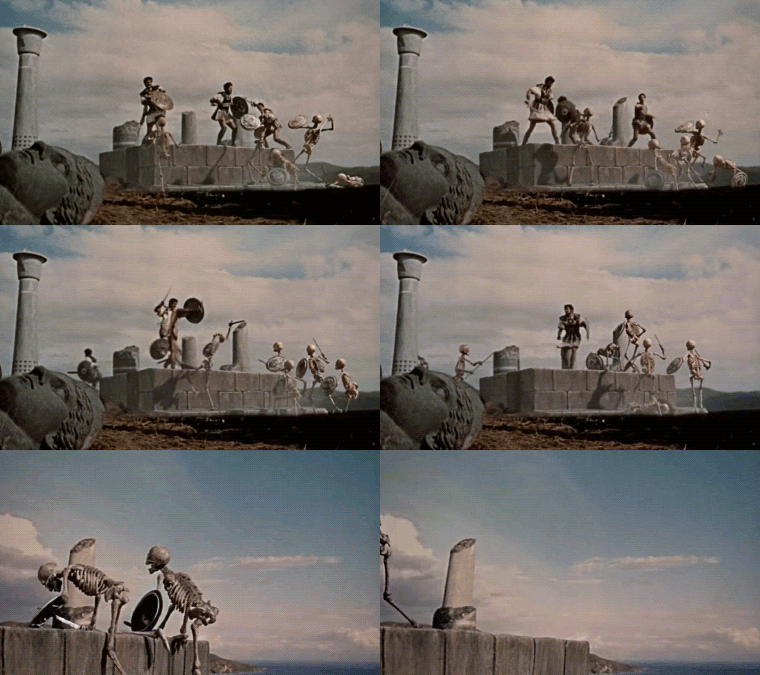
There are just SO MANY great moments in Ray’s films, but if I had to choose one set piece as the best, most exciting example of his work? I would have to pick the skeleton battle at the end of JASON AND THE ARGONAUTS. It is the stunningly thrilling jewel in the crown of fantasy cinema. A classic.
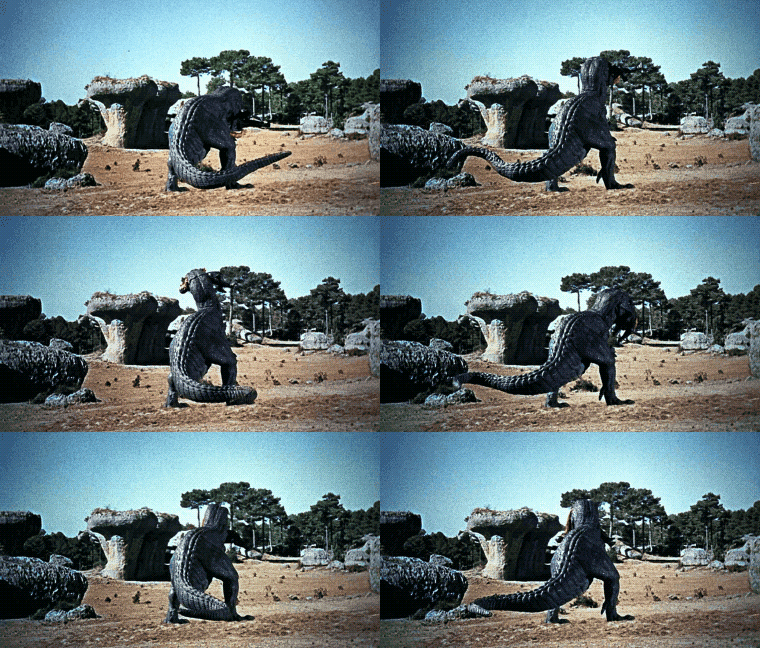
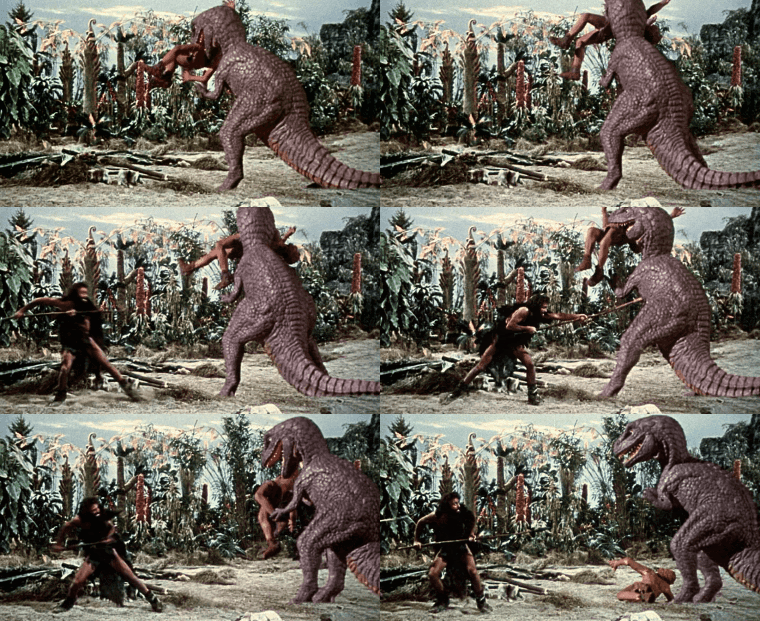
Here are some gifs…
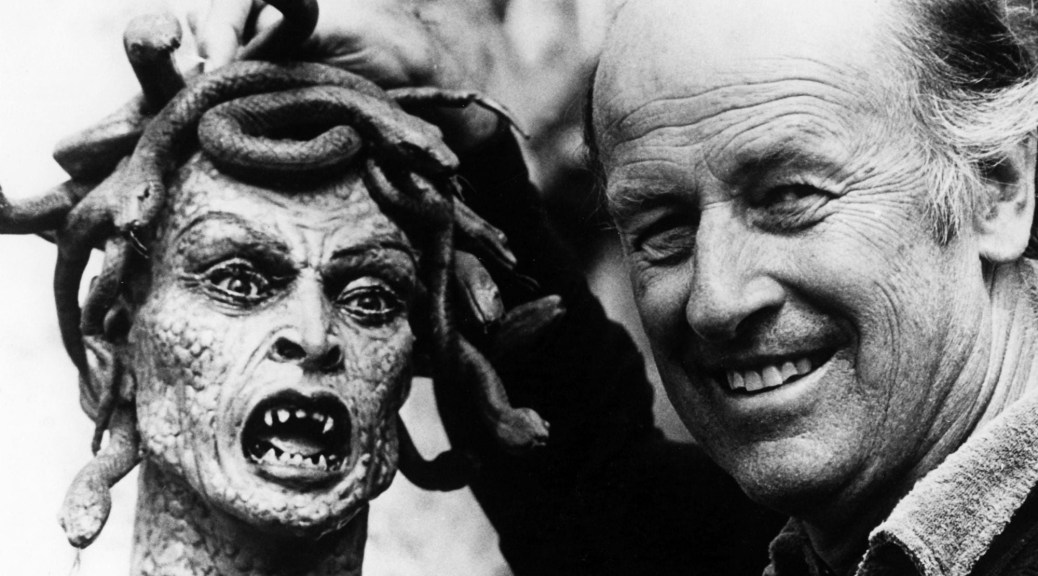
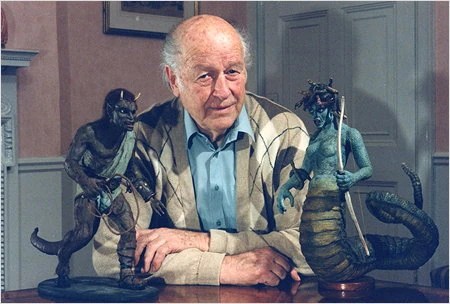
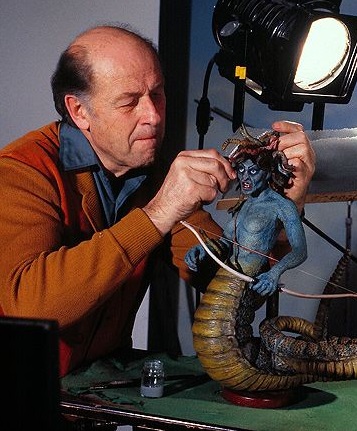
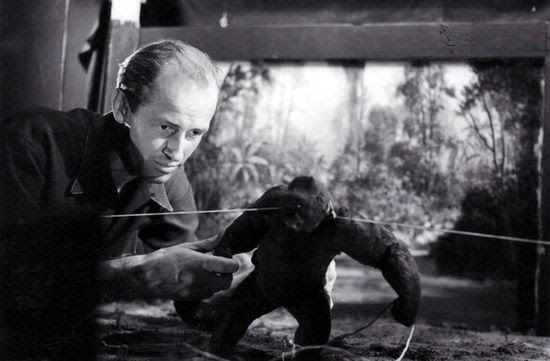
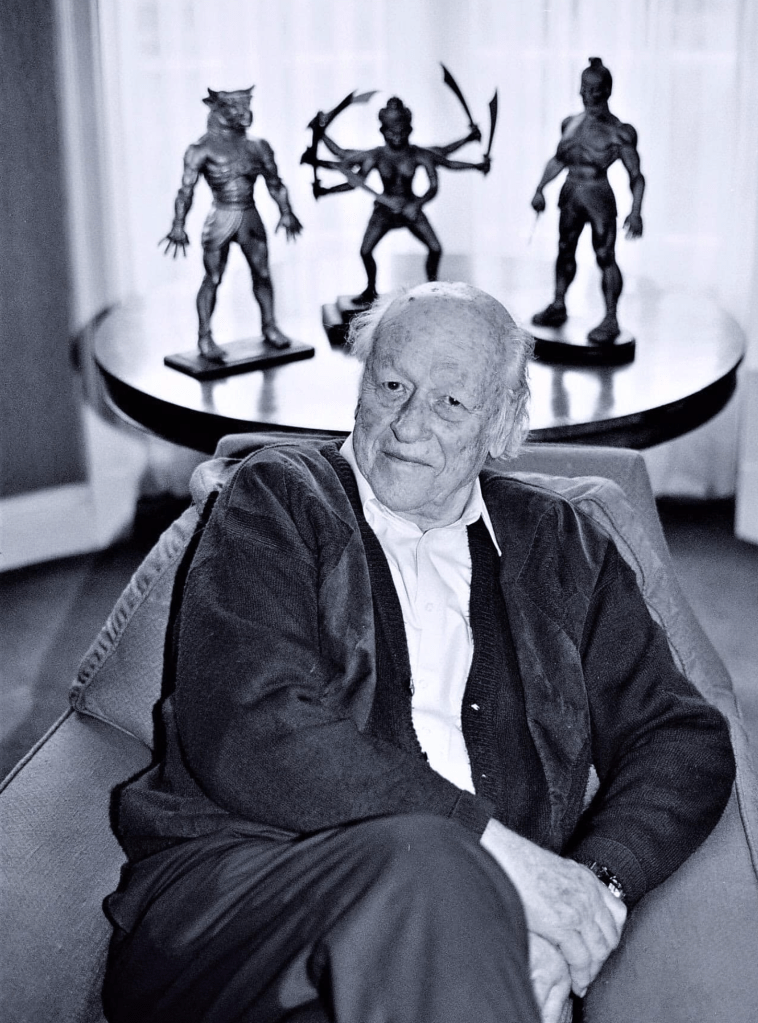
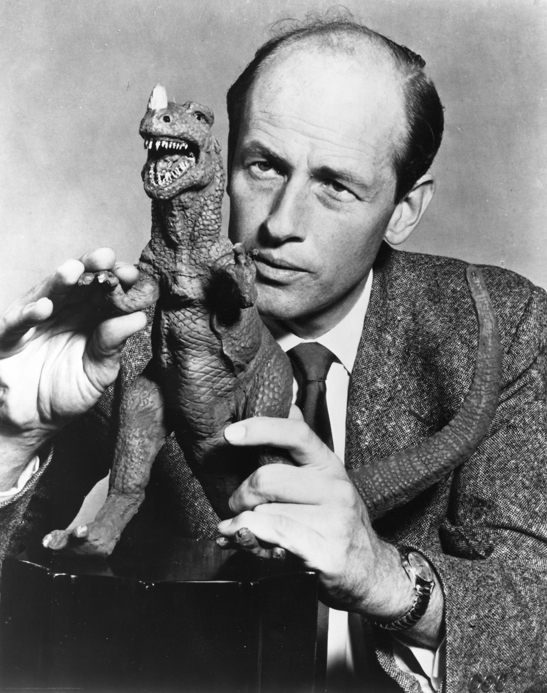
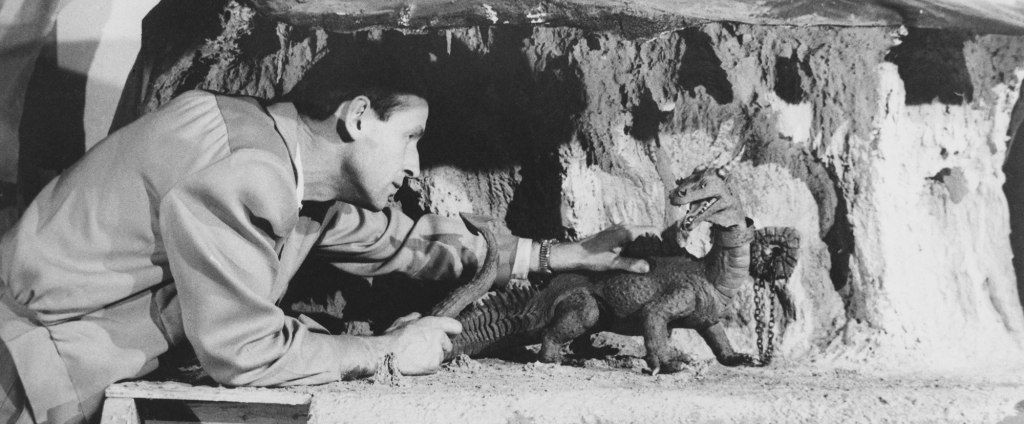
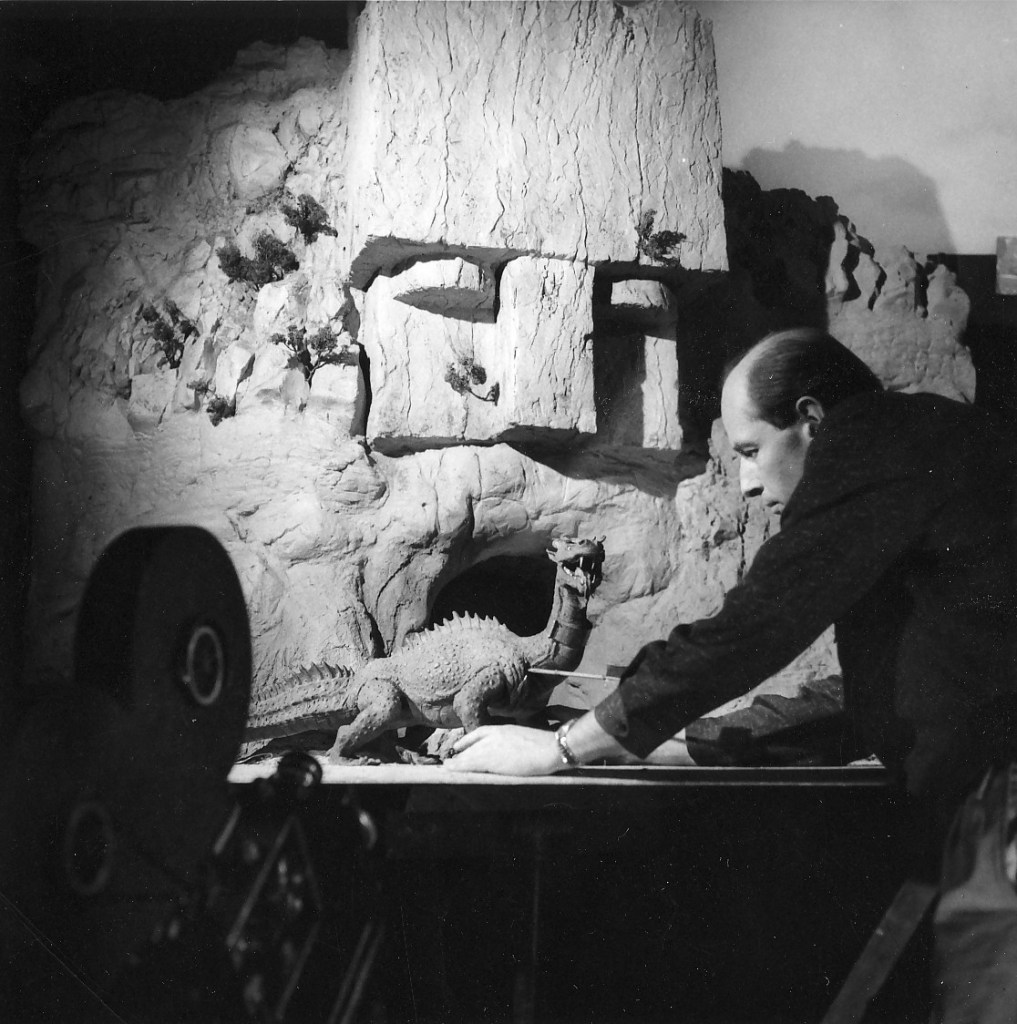
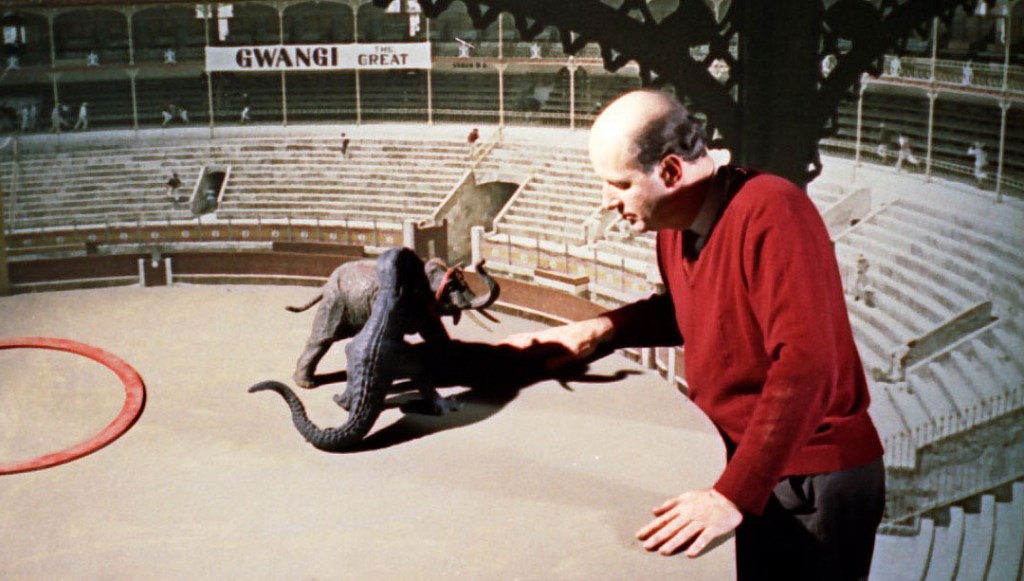
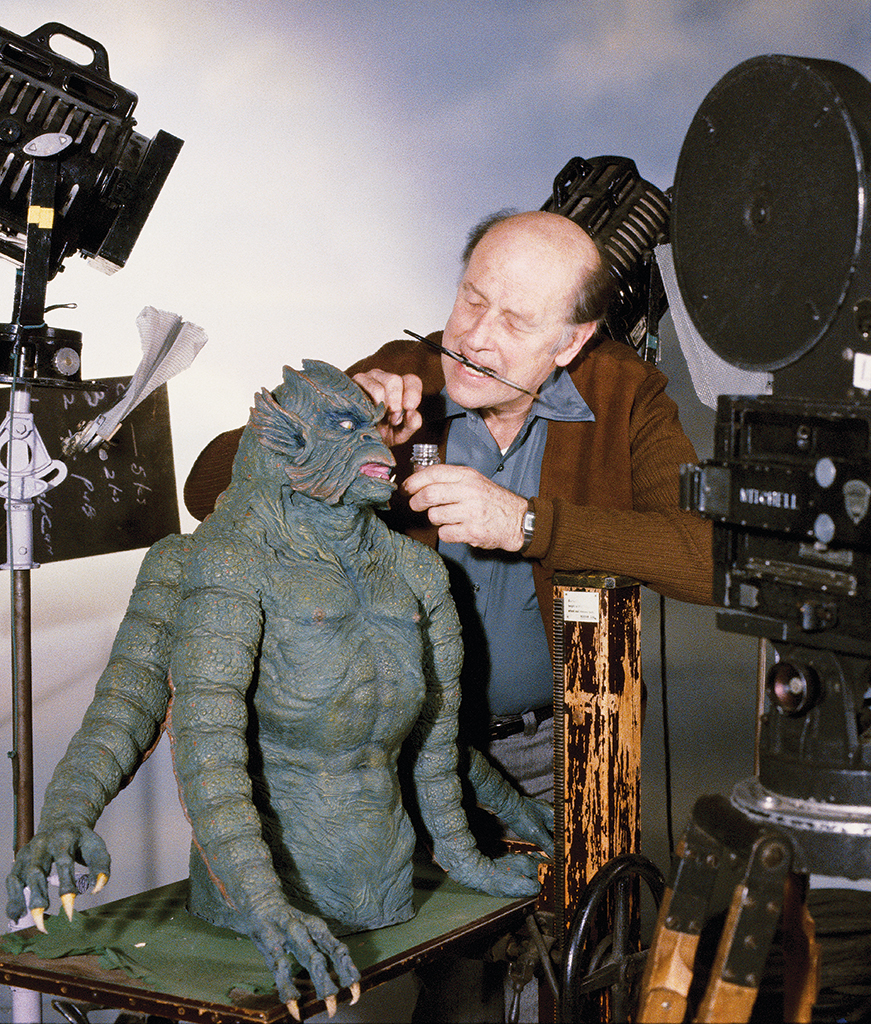
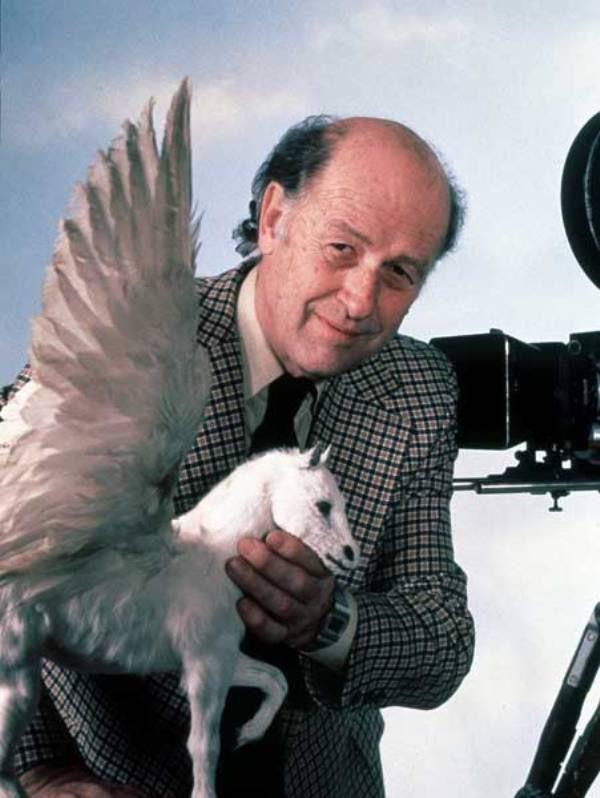
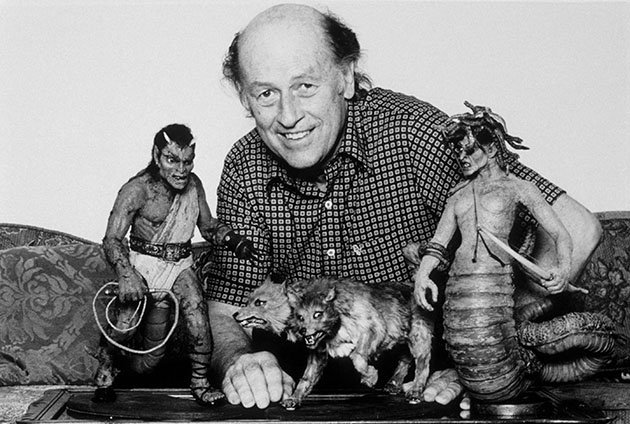
To finish, here’s a selection of shots of Ray with some of his beloved stop-motion characters…
 Monster Zone